Is It Safe to Get Dental Implants in Turkey
Is It Safe to Get Dental Implants in Turkey? This question is a primary concern for thousands of international patients considering dental tourism. The short answer is a resounding yes, provided you choose a reputable and accredited clinic. Turkey has rapidly emerged as a global hub for medical and dental procedures, combining state-of-the-art technology with highly skilled dental professionals and significantly more affordable pricing than in countries like the UK, USA, or Western Europe. The safety and success of your procedure depend entirely on due diligence and selecting a clinic that adheres to the highest international standards of care, hygiene, and technology. Leading clinics in cities like Istanbul are often JCI-accredited, employing surgeons with extensive international experience and using globally recognized, high-quality implant brands. The country’s strategic investment in its healthcare infrastructure has created an environment where patient safety is paramount, making it not just a cost-effective choice, but a medically sound one for restoring your smile.
Understanding the Appeal of Dental Tourism in Turkey
The global rise of dental tourism is driven by patients seeking high-quality care without the exorbitant costs found in their home countries. Turkey has positioned itself at the forefront of this movement, offering a compelling package that extends beyond the dental chair. The appeal is multi-faceted, blending affordability, quality, and an all-inclusive patient experience that simplifies the entire process for those travelling from abroad.
Cost-Effectiveness Without Compromise
The most significant driver for patients is the financial advantage. Dental implant procedures in Turkey can be 50-70% less expensive than in North America or Western Europe. This substantial price difference is not a reflection of lower quality materials or a lack of expertise. Instead, it stems from the country’s economic structure, including lower operational costs, reduced labor expenses, and a favorable currency exchange rate for international visitors. Patients can receive treatment with premium implant brands, such as Straumann or Nobel Biocare, from internationally trained dentists, all for a fraction of the domestic cost. This allows many to afford comprehensive solutions like full-mouth restorations, which would be financially prohibitive back home.
Advanced Technology and High Standards of Care
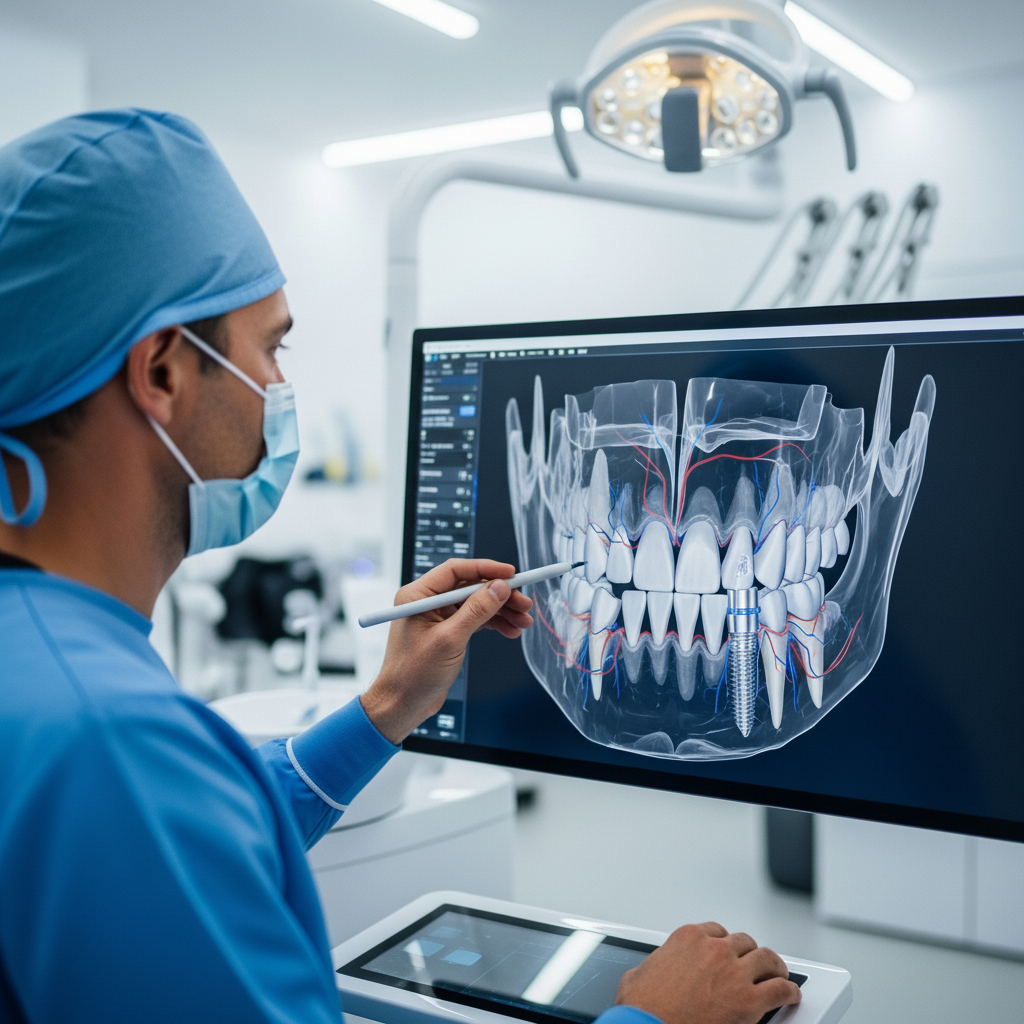
Top Turkish dental clinics have invested heavily in cutting-edge technology to ensure precision, safety, and patient comfort. This includes Cone Beam Computed Tomography (CBCT) for detailed 3D imaging of the jawbone, CAD/CAM (Computer-Aided Design/Computer-Aided Manufacturing) for creating perfectly fitting crowns and prosthetics, and digital smile design software. These technologies enable surgeons to plan the implant placement with pinpoint accuracy, minimizing risks and improving the final aesthetic outcome. Furthermore, many elite clinics are accredited by international bodies like the Joint Commission International (JCI), which signifies a commitment to the highest global standards of patient safety and quality of care.
The Quality and Technology Behind Dental Implants in Turkey
The long-term success of a dental implant hinges on two critical factors: the skill of the surgeon and the quality of the materials used. Reputable clinics in Turkey prioritize both, ensuring that patients receive a permanent solution that is both functional and aesthetically pleasing. The materials and technology employed are identical to those used in the world’s most prestigious dental practices.
Biocompatible Materials: Titanium and Zirconia
The vast majority of dental implants are made from medical-grade titanium. This material is chosen for its exceptional strength, durability, and, most importantly, its biocompatibility. Titanium has the unique ability to fuse directly with the jawbone in a process called osseointegration. This creates a stable and robust foundation for the replacement tooth, effectively mimicking a natural tooth root. This process is the cornerstone of modern implantology and is responsible for the incredibly high long-term success rates of dental implants. For patients with metal allergies or those seeking a metal-free option, some clinics also offer zirconia implants, a ceramic material known for its excellent strength and tooth-like color.
Precision Through Digital Dentistry
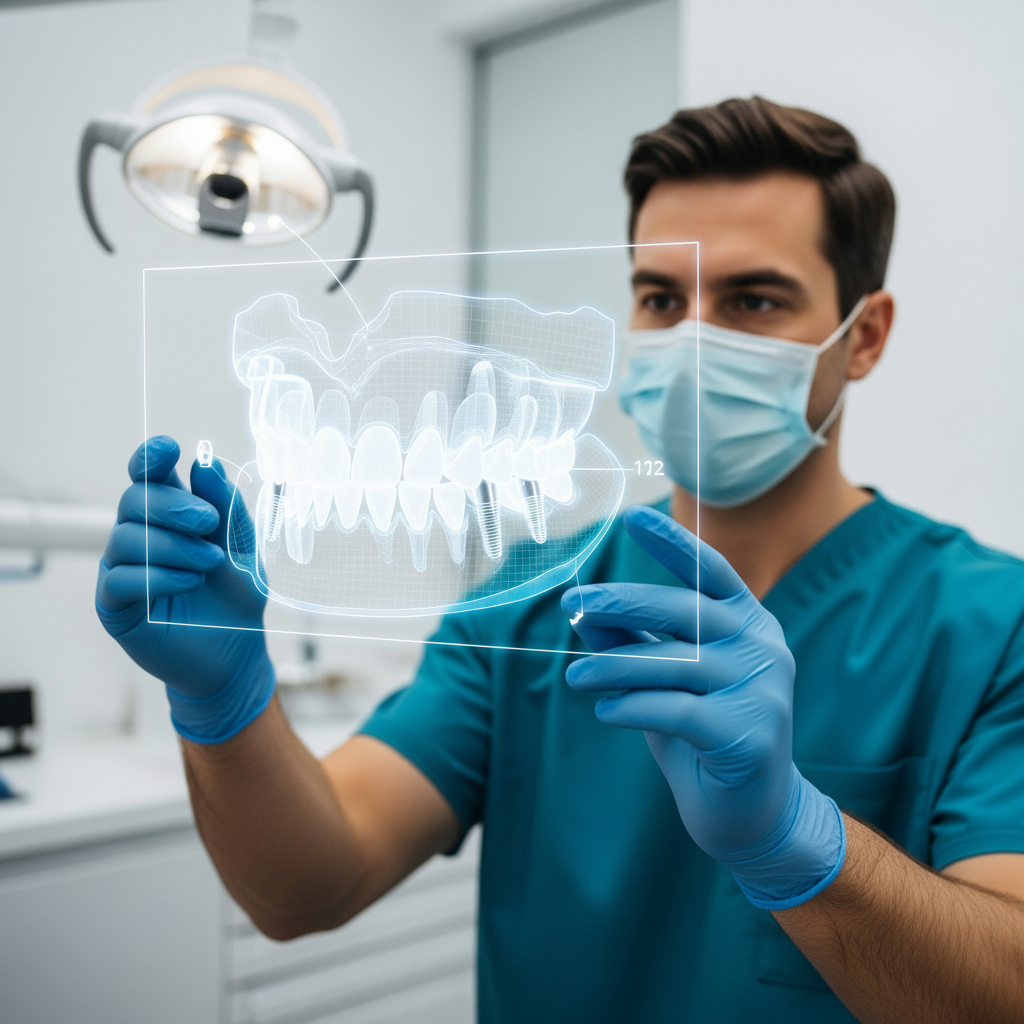
Modern implantology relies heavily on digital workflows to enhance accuracy and predictability. The process in a leading Turkish clinic begins with a comprehensive 3D scan using a CBCT machine. This scan provides a detailed map of the patient’s oral anatomy, including bone density, nerve pathways, and sinus cavities. Using this data, the surgeon can digitally plan the exact position, angle, and depth of each implant before the surgery even begins. This meticulous planning minimizes the risk of complications and ensures optimal support for the final prosthesis. The crowns, bridges, or dentures that attach to the implants are often designed and milled using CAD/CAM technology, guaranteeing a precise fit and natural appearance.
The Step-by-Step Dental Implant Procedure
Understanding the full journey is crucial for any patient considering dental implants abroad. The process is typically divided into two separate trips to Turkey, separated by a healing period of several months. This two-phase approach is essential to allow for proper osseointegration, which ensures the implant is securely anchored in the jawbone before the final crown is placed. Below is a detailed breakdown of the typical treatment timeline.
| Phase | Step | Description | Typical Duration |
|---|---|---|---|
| Trip 1: Implant Placement | Initial Consultation & Planning | Upon arrival, a thorough examination, including 3D CBCT scans, is conducted. The dentist confirms the treatment plan, discusses implant options, and answers any final questions. | 1 Day |
| Implant Surgery | Under local anesthesia, the surgeon places the titanium implant post(s) into the jawbone. If necessary, bone grafting or a sinus lift may be performed at the same time. The gum is then sutured. | 1-3 Hours | |
| Temporary Prosthesis | A temporary crown or denture may be fitted for aesthetic purposes while the implant heals. The patient receives post-operative care instructions and any necessary medication. | 1 Day | |
| Healing Period | Osseointegration | The patient returns home. Over the next 3 to 6 months, the jawbone grows around and fuses with the titanium implant, creating a strong and stable foundation. This period is vital for long-term success. | 3-6 Months |
| Trip 2: Crown Placement | Abutment Placement | The patient returns to Turkey. The dentist exposes the top of the healed implant and attaches a small connector piece called an abutment, which will hold the final crown. Impressions of the abutment are taken. | 1 Day |
| Crown Fabrication & Fitting | Using digital or physical impressions, the dental laboratory fabricates the custom permanent crown (usually from zirconia or porcelain). The dentist checks the crown for fit, color, and bite before permanently cementing or screwing it onto the abutment. | 2-4 Days |
Understanding Costs and All-Inclusive Packages
While safety and quality are paramount, the financial aspect is a powerful motivator for choosing Turkey. It is essential to understand why costs are lower and what is typically included in a treatment package. The transparency offered by leading clinics allows patients to budget effectively without fear of hidden charges. The significant cost differences are not due to inferior standards but are a result of the country’s overall economic landscape, including lower costs for clinic overhead, professional fees, and laboratory services.
What a Typical Package Includes
To cater to international patients, most reputable clinics offer all-inclusive packages designed to create a seamless and stress-free experience. While specifics may vary, a comprehensive package for dental implants generally includes:
- The Procedure: The cost of the implant itself, the abutment, and the final crown.
- Surgical Fees: All costs associated with the dental surgeon and clinical team.
- Diagnostics: All necessary consultations, X-rays, and 3D CBCT scans.
- Anesthesia: The cost of local anesthesia used during the procedure.
- Accommodation: Stays in a 4 or 5-star hotel for the duration of both visits.
- Transfers: All ground transportation between the airport, hotel, and clinic in a VIP vehicle.
- Translation Services: A dedicated patient host who can assist with communication.
Recovery, Aftercare, and Long-Term Success
The success of a dental implant does not end when you leave the clinic; it depends on proper recovery and long-term oral hygiene. Turkish clinics provide detailed aftercare instructions to ensure a smooth healing process and the longevity of your new teeth. Immediately following the implant placement surgery, it is normal to experience some mild swelling, bruising, and discomfort, which can be managed effectively with prescribed pain medication and cold compresses. Patients are advised to stick to a soft food diet for the first week or two to avoid putting pressure on the surgical site. Proper oral hygiene is critical; gentle brushing around the area and the use of an antimicrobial mouthwash will help prevent infection and promote healing. Once the final crown is placed and the treatment is complete, dental implants should be cared for just like natural teeth. This includes regular brushing, flossing, and attending routine dental check-ups and cleanings. With proper care, a high-quality dental implant can last a lifetime, making it a permanent and reliable solution for missing teeth.