All-on-4 Dental Implants Explained
All-on-4 Dental Implants Explained. This revolutionary dental technique offers a permanent, fixed solution for individuals who have lost, or are on the verge of losing, all of their upper or lower teeth. It provides a full-arch prosthesis, essentially a complete set of new teeth, securely anchored on just four dental implants. Unlike traditional dentures that can be unstable and uncomfortable, the All-on-4 system is designed to look, feel, and function like natural teeth, restoring not just a smile, but also confidence and quality of life. This advanced procedure leverages decades of biomechanical research to provide a streamlined, efficient, and highly successful method for full-mouth rehabilitation.
Understanding the All-on-4 Concept: A Revolution in Full-Arch Restoration
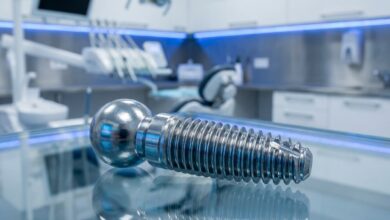
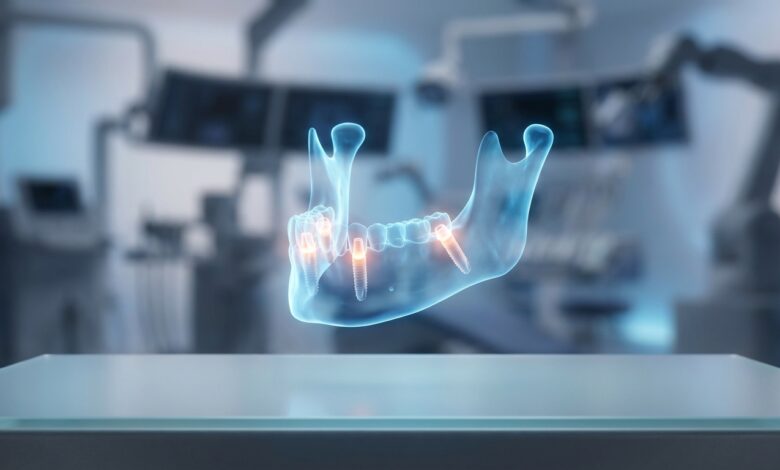
The genius of the All-on-4 treatment concept lies in its strategic use of implant placement and angulation. Traditionally, replacing a full arch of teeth would require a significant number of implants, often between eight and ten, and extensive bone grafting procedures to create sufficient bone volume for support. The All-on-4 technique bypasses these challenges. It utilizes four titanium implants placed in areas of the jaw where bone density is naturally higher and more preserved, even after years of tooth loss.
Two implants are placed vertically in the front of the jaw. The two posterior implants, however, are placed at a deliberate angle, typically up to 45 degrees. This angulation is critical for several reasons. First, it increases the surface area of contact between the implant and the bone, enhancing stability. Second, it allows the implants to be anchored in the denser, anterior bone, avoiding vital structures like the maxillary sinuses in the upper jaw and the mandibular nerve in the lower jaw. This often eliminates the need for invasive, time-consuming, and costly bone grafting surgeries, making the treatment accessible to a wider range of patients. Once these implants are securely in place, they serve as a robust foundation for a custom-fabricated, permanent dental bridge.
Who is an Ideal Candidate?
The All-on-4 procedure is a life-changing option for many, but a thorough evaluation is necessary to determine candidacy. An ideal candidate typically presents with one or more of the following conditions:
- Complete Edentulism: Individuals who are currently missing all teeth on their upper or lower arch and are using a conventional denture.
- Failing Dentition: Patients with numerous severely decayed, broken, or periodontally compromised teeth that cannot be saved and require full-mouth extraction.
- Significant Bone Loss: People who have been told they are not candidates for traditional implants due to insufficient bone volume in the posterior jaw. The All-on-4 technique is specifically designed to work around this issue.
Good general health is also important for successful healing. Conditions like uncontrolled diabetes or a history of radiation therapy to the jaw may require special consideration. A comprehensive consultation, including a 3D CBCT scan, is the first step to creating a personalized treatment plan.
The Step-by-Step All-on-4 Procedure
The journey to a new smile with All-on-4 is remarkably efficient, often condensed into a few key phases. The process is meticulously planned to ensure precision, comfort, and a predictable, high-quality outcome from start to finish.
The Initial Consultation and Digital Planning Phase
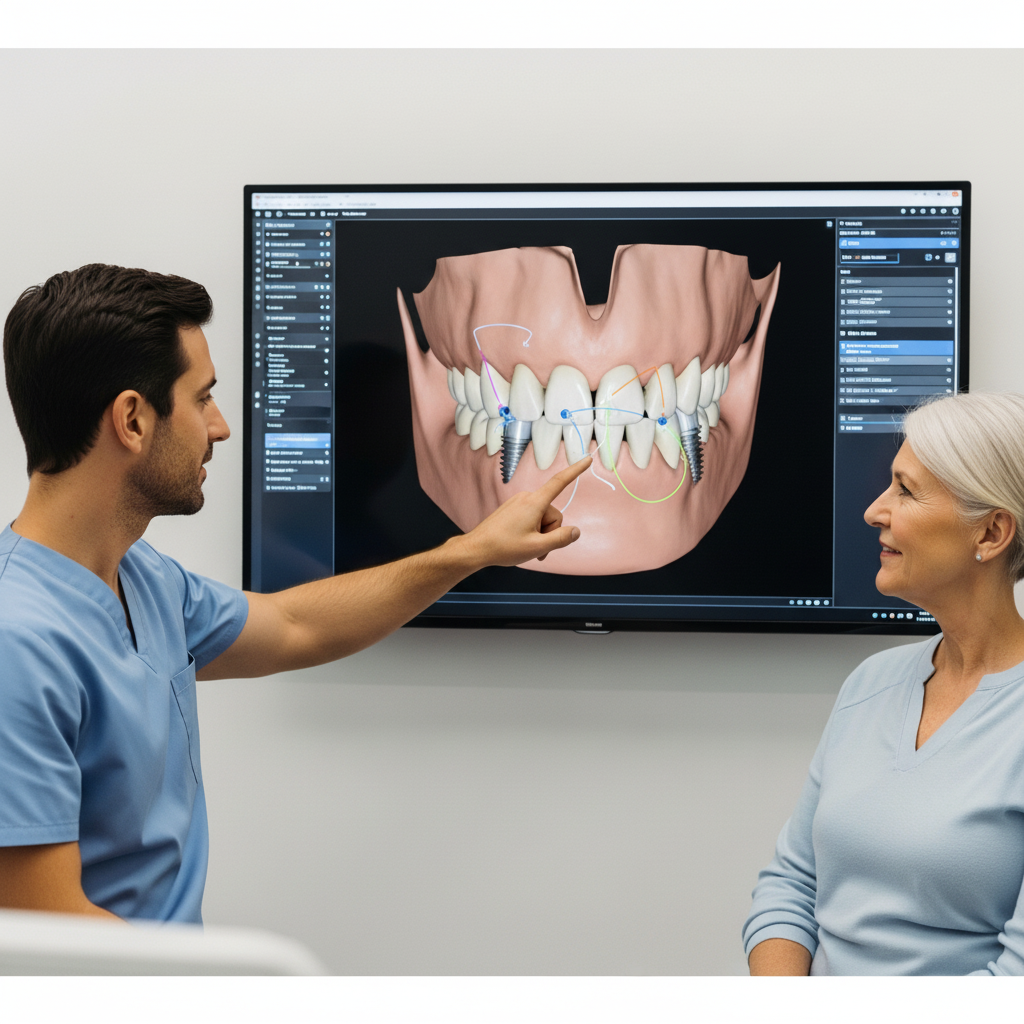
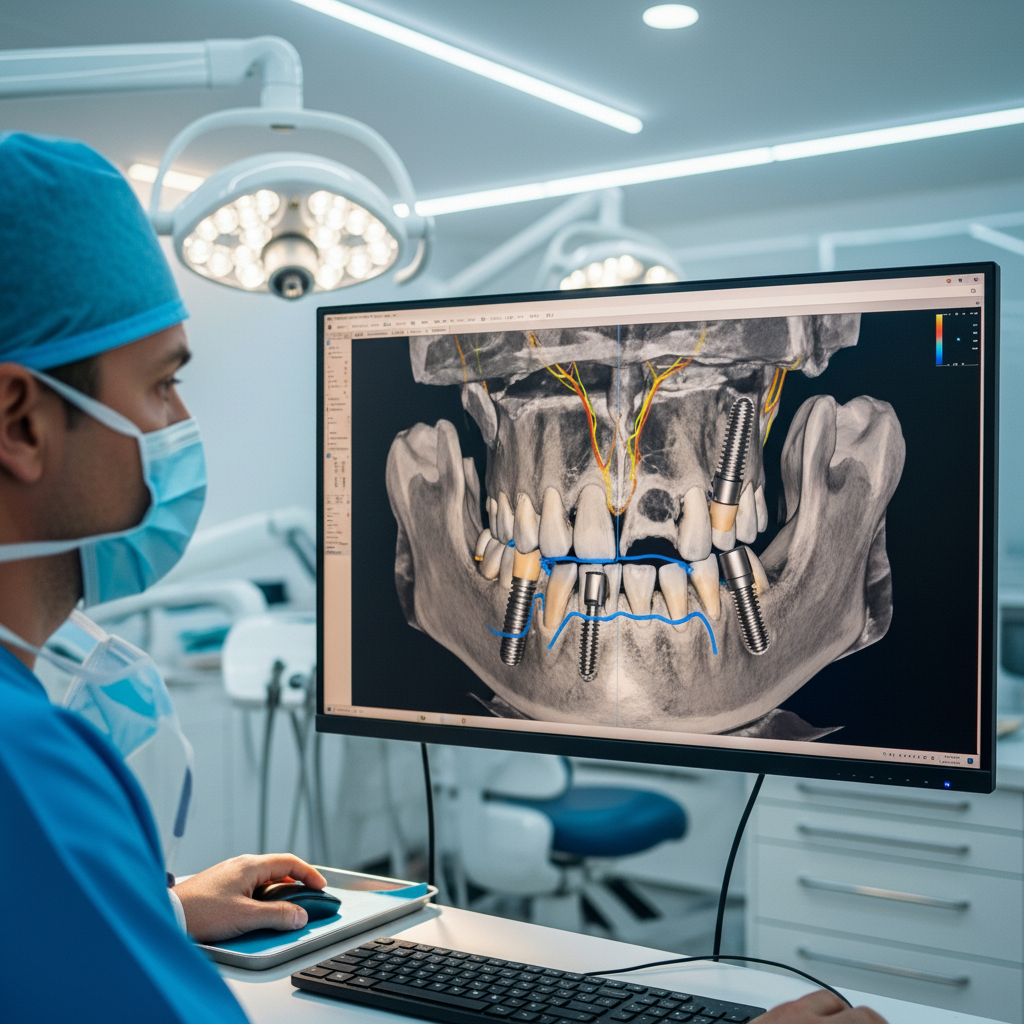
This is the most critical stage. During your consultation, the dental team will perform a comprehensive oral examination. Advanced imaging, primarily a Cone Beam Computed Tomography (CBCT) scan, is used to create a detailed 3D model of your jawbone. This digital model allows the surgeon to assess bone quality and quantity with extreme accuracy, identify the optimal locations for the four implants, and virtually plan the entire surgery before it begins. Digital smile design software may also be used to create a preview of your final smile, ensuring the aesthetic outcome meets your expectations.
The Day of the Surgery
The surgical procedure itself is typically completed in a single appointment. After the administration of appropriate anesthesia to ensure complete comfort, any remaining failing teeth are gently extracted. The jawbone is then prepared, and the four titanium implants are precisely placed according to the pre-determined digital plan. Following implant placement, abutments are attached to the implants. These are connector pieces that will allow the new prosthesis to be securely fastened. An impression of the mouth with the new implants is taken, which the dental laboratory uses to craft a beautiful, functional temporary prosthesis. In most cases, this temporary bridge is attached on the very same day, allowing patients to leave the clinic with a fully functional and aesthetically pleasing set of fixed teeth.
Healing and the Final Prosthesis
Over the next three to six months, a natural process called osseointegration occurs. This is where the titanium implants fuse directly with the surrounding jawbone, creating an incredibly strong and stable biological bond. During this healing period, patients wear their temporary prosthesis and are advised to follow a diet of soft foods to avoid placing excessive stress on the integrating implants. Once osseointegration is complete, the patient returns to the clinic. The temporary bridge is removed, and the new, final prosthesis is secured. This permanent bridge is crafted from more durable and highly aesthetic materials like zirconia or high-grade acrylic, designed for long-term function and beauty.
Key Benefits of Choosing All-on-4 Dental Implants
The All-on-4 technique offers a host of advantages over other tooth replacement options, making it a preferred choice for full-arch restoration worldwide. These benefits impact everything from daily function to long-term health.
Immediate Functionality and Aesthetics
Perhaps the most celebrated benefit is the “Teeth-in-a-Day” aspect. Patients can walk into the clinic with failing or missing teeth and leave the same day with a complete, fixed set of teeth. This immediate transformation has a profound psychological and functional impact, eliminating the social discomfort of having no teeth and instantly restoring the ability to speak and eat with confidence.
Preserving Jawbone Health
When teeth are lost, the jawbone no longer receives the stimulation it needs from chewing forces, and it begins to shrink or resorb. This process is what leads to the collapsed, aged facial appearance often associated with long-term denture use. Dental implants, including the four used in this procedure, act as artificial tooth roots. They transmit chewing forces to the bone, stimulating it and preventing further bone loss. This helps maintain the natural shape and structure of the face. The long-term success rates of this approach are well-documented in scientific literature, with many studies showing high implant survival over many years. One comprehensive systematic review on the All-on-4 concept highlights its reliability and effectiveness as a long-term solution for edentulous patients.
All-on-4 vs. Traditional Dentures and Individual Implants
Understanding how the All-on-4 system compares to other full-arch solutions is crucial for making an informed decision. Each option has a different impact on lifestyle, oral health, and finances. The cost-effectiveness of this procedure, especially when considering medical tourism, is a significant factor; a detailed comparison of dental implant costs reveals substantial savings without compromising on quality.
| Feature | All-on-4 Implants | Traditional Dentures | Full Arch of Individual Implants |
|---|---|---|---|
| Stability | Excellent. Fixed and permanently secured to the jaw. | Poor. Can slip, click, and require adhesives. | Excellent. Each tooth is individually anchored. |
| Jawbone Preservation | Yes. The implants stimulate the bone, preventing atrophy. | No. Accelerates bone loss due to lack of stimulation. | Yes. Provides maximum bone stimulation. |
| Procedure Complexity | Moderate. One surgical procedure for a full arch. | Low. Non-surgical impressions are taken. | Very High. Requires multiple surgeries and often bone grafting. |
| Maintenance | Requires diligent oral hygiene like natural teeth. | Must be removed daily for cleaning and soaking. | Requires diligent oral hygiene; cleaning between each implant. |
| Diet | No restrictions once fully healed. Full chewing power. | Significant restrictions; difficult to eat hard or sticky foods. | No restrictions once fully healed. Full chewing power. |
Aftercare, Longevity, and Ensuring Success
The long-term success of your All-on-4 dental implants depends heavily on your commitment to proper aftercare and oral hygiene. While the prosthetic teeth cannot get cavities, the underlying gums and implants must be kept meticulously clean to prevent inflammation and infection, such as peri-implantitis.
Long-Term Oral Hygiene for Your New Smile
Maintaining your new smile involves a dedicated daily routine. Brushing the prosthesis twice a day with a soft-bristled toothbrush is essential. However, cleaning underneath the bridge is equally important. A water flosser is an indispensable tool for this, as it can effectively flush out food particles and plaque from around the implants and under the prosthesis. Small interdental brushes may also be recommended to clean specific areas. Regular professional cleanings and check-ups with your dental provider are mandatory. These visits allow the hygienist to professionally clean the prosthesis and the dentist to inspect the implants, check the bite, and ensure everything is functioning perfectly. With this diligent care, the implants can last a lifetime, and the prosthesis can provide many years of beautiful, trouble-free function.