Turkey Teeth: Everything UK Patients Need to Know
Turkey Teeth: Everything UK Patients Need to Know about achieving a perfect smile is a journey many dream of, and for an increasing number of people from the United Kingdom, that journey leads to Turkey. The term “Turkey Teeth” has exploded across social media, often accompanied by images of incredibly white, perfectly uniform smiles. But what does this viral term actually mean? Is it a risky trend or a legitimate pathway to high-quality, affordable cosmetic dentistry? For any UK patient considering this option, it’s crucial to look beyond the hashtag and understand the full picture, from the procedures involved to the standards of care you should expect.
This comprehensive guide will demystify the “Turkey Teeth” phenomenon, separating fact from fiction. We will explore the professional dental treatments available, the advanced materials used, and the meticulous process followed by reputable clinics. The goal is to empower you with the knowledge to make an informed decision, ensuring your dental journey is not only transformative but also safe and focused on your long-term oral health.
Understanding the “Turkey Teeth” Phenomenon
The term “Turkey Teeth” is a colloquialism that gained popularity to describe full sets of dental crowns or veneers obtained in Turkey. It often refers to a specific aesthetic: a ‘Hollywood Smile’ characterized by bright, opaque white teeth that are perfectly aligned. While this look is sought after by some, the term has also attracted criticism, with some media stories highlighting cases where patients received overly aggressive treatment, leading to future complications.
It is essential to understand that these negative outcomes are not representative of Turkish dentistry as a whole but are often the result of choosing inexperienced clinics or opting for unnecessarily invasive procedures. The reality is that Turkey is home to world-class dental facilities that use state-of-the-art technology and employ highly skilled dentists. The key is distinguishing between clinics that offer a “one-size-fits-all” aggressive approach and those that provide personalised, health-centric cosmetic dentistry. A reputable clinic will always prioritise the preservation of healthy tooth tissue and create a smile that is not only beautiful but also natural-looking and functional.
The Professional Reality: Crowns vs. Veneers
The two most common procedures associated with a smile makeover are dental crowns and veneers. Understanding the difference is fundamental to appreciating why a personalised treatment plan is so important.
Dental Veneers: These are very thin shells, typically made of porcelain or composite resin, that are bonded to the front surface of the teeth. They are an excellent solution for correcting issues like chips, cracks, discolouration, or minor gaps. E-max veneers, a type of all-ceramic veneer, are particularly popular for their high translucency and natural appearance. The procedure is minimally invasive, usually requiring only a very slight removal of the tooth’s enamel to ensure a seamless fit.
Dental Crowns: A crown, or cap, covers the entire tooth. It is used when a tooth is significantly damaged, decayed, or has undergone a root canal. Crowns restore the tooth’s shape, size, strength, and appearance. Materials like Zirconium are favoured for their exceptional strength and aesthetic qualities, making them suitable for both front and back teeth. While placing a crown requires more significant tooth reduction than a veneer, it is often a clinical necessity for restoring the health and function of a compromised tooth.
A responsible dentist will recommend veneers for aesthetic enhancements on healthy teeth and reserve crowns for teeth that require structural restoration. The “Turkey Teeth” horror stories often arise when healthy teeth are aggressively filed down for crowns when veneers would have been a more appropriate and conservative choice.
Advanced Materials for a Perfect Smile
The quality of a smile makeover is heavily dependent on the materials used. Leading Turkish clinics use the same globally recognised, high-grade materials found in top dental practices in the UK and Europe. The two most prominent materials in modern cosmetic dentistry are Zirconium and E-max (Lithium Disilicate). Choosing between them depends on the patient’s specific needs, the location of the tooth, and the desired aesthetic outcome.
| Feature | Zirconium Crowns | E-max Veneers/Crowns |
|---|---|---|
| Material Type | Zirconia (a ceramic oxide of zirconium) | Lithium Disilicate (a high-strength glass-ceramic) |
| Primary Use | Full crowns, bridges, especially for molars due to high strength. | Veneers, inlays, onlays, and crowns for front teeth. |
| Aesthetics | Excellent aesthetics, can be layered with porcelain for a more natural look. Can be slightly more opaque than E-max. | Considered the gold standard for aesthetics. High translucency mimics natural tooth enamel perfectly. |
| Strength & Durability | Extremely high flexural strength, highly resistant to chipping and fracture. Ideal for withstanding chewing forces. | Very strong and durable for a ceramic, but less so than solid Zirconia. Best for low-stress areas like front teeth. |
| Tooth Preparation | Requires reduction of the tooth on all sides to fit the full cap. | For veneers, requires minimal enamel removal from the front surface only, preserving more of the natural tooth. |
| Biocompatibility | Highly biocompatible, with a very low risk of allergic reaction. | Highly biocompatible and gentle on surrounding gum tissue. |
The Treatment Process for UK Patients: A Step-by-Step Guide
Embarking on a dental journey to Turkey with a professional clinic involves a well-structured and transparent process designed for international patients.
Step 1: The Remote Consultation
Your journey begins from home. You will typically be asked to send clear photos of your teeth and any recent dental X-rays. A detailed online or phone consultation with a treatment coordinator and dentist will follow. During this phase, you can discuss your goals, ask questions, and receive a preliminary treatment plan and a clear cost estimate. This ensures there are no surprises when you arrive.
Step 2: Arrival and In-Clinic Examination
Upon arrival in Turkey, you will be transported to the clinic for a comprehensive in-person examination. This will include a panoramic X-ray (OPG) and often a 3D CBCT scan to assess your bone structure and tooth health in minute detail. The dentist will perform a physical examination and finalise your treatment plan with you, ensuring you are fully informed and comfortable before any work begins.
Step 3: Tooth Preparation and Digital Impressions
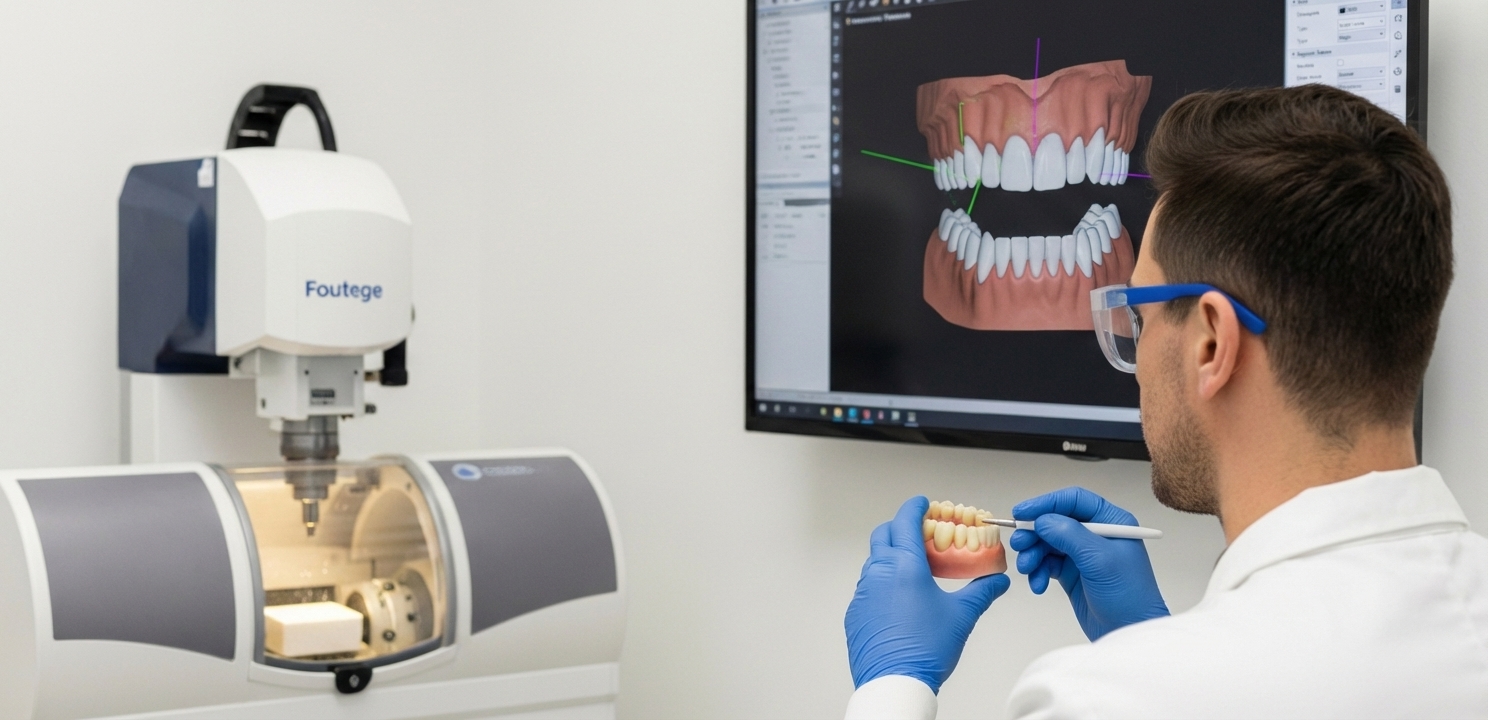
This is the stage where the teeth are prepared for the veneers or crowns. For veneers, this involves a minimal buffing of the enamel. For crowns, the tooth is shaped to accommodate the cap. The amount of preparation is carefully calculated to be as conservative as possible. After preparation, instead of using messy traditional moulds, top clinics use intraoral 3D scanners to create a precise digital model of your teeth. You will be fitted with high-quality temporary teeth to wear while your permanent restorations are being made.
Step 4: Custom Smile Design and Fabrication
The digital impressions are sent to an in-house or partner laboratory where your new smile is designed using CAD/CAM software. You have significant input at this stage, choosing the final shade, shape, and size of your teeth. Once the design is approved, the crowns or veneers are milled from a solid block of Zirconium or E-max for a perfect fit. Skilled technicians then add the final artistic touches to ensure a natural look. The quality and safety of these procedures are paramount, and patients should feel confident in their choice. For more details on this topic, it is useful to explore the question of are dental veneers in Turkey safe for UK patients, which provides deeper insights into clinic standards and patient care.
Step 5: The Final Fitting
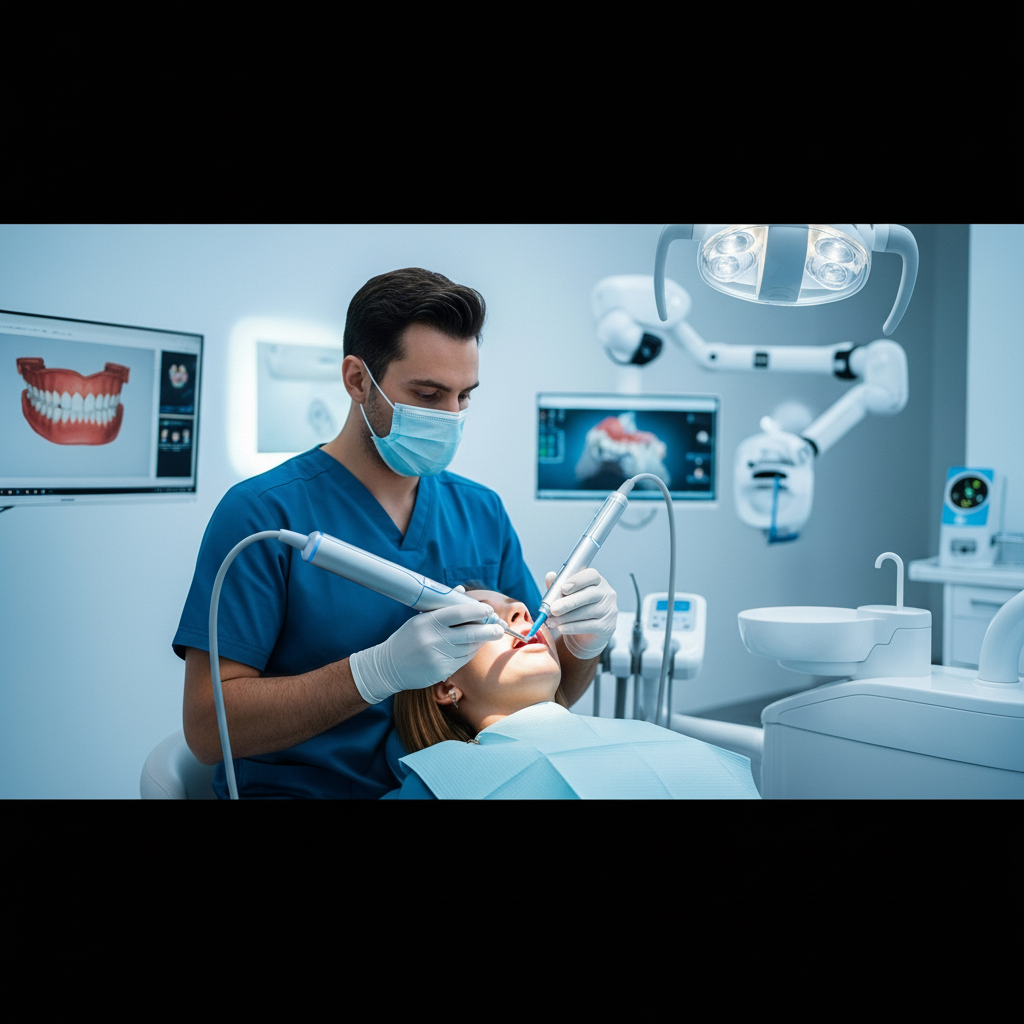
A few days later, you will return to the clinic for your final fitting. The temporary teeth are removed, and the dentist will place your permanent crowns or veneers to check the fit, bite, and aesthetics. Once you are completely happy with the look and feel, they are permanently bonded to your teeth using a powerful dental cement. The dentist will make final adjustments to ensure your bite is perfectly aligned and comfortable.
Deconstructing the Cost: Quality vs. Affordability
One of the most significant draws for UK patients is the cost. A full smile makeover in Turkey can cost up to 70% less than the equivalent treatment in the UK. This price difference is not due to a compromise in quality, materials, or technology. Instead, it is a result of economic factors, including the lower cost of living, reduced operational and laboratory overheads, and the favourable currency exchange rate. These savings allow clinics in Turkey to offer world-class treatment using premium materials like those studied for their longevity. Research published by the National Center for Biotechnology Information confirms the high five-year survival rate of monolithic zirconia crowns, underscoring their reliability and durability as a long-term dental solution. By choosing a reputable clinic, patients can access this high-quality care without the prohibitive price tag found in the UK. This makes achieving a dream smile a realistic and attainable goal.