What to Expect When Getting Teeth Done Abroad

What to Expect When Getting Teeth Done Abroad
Embarking on a journey to a foreign country for dental treatment, commonly known as dental tourism, has become an increasingly popular option for individuals seeking high-quality care at potentially more affordable prices. This global trend allows patients to combine their dental needs with an opportunity to explore new destinations. While the prospect of receiving significant dental work in an unfamiliar setting might seem daunting, understanding the process, benefits, and considerations can help demystify the experience and ensure a smooth, successful outcome.
The Rise of Dental Tourism: Why People Choose to Get Teeth Done Abroad
The decision to seek dental treatment outside one’s home country is driven by a variety of compelling factors. For many, the primary motivation is the significant cost savings available in certain countries, particularly for extensive procedures such as dental implants, veneers, or full-mouth restorations. These savings do not necessarily imply a compromise on quality; rather, they often reflect lower operating costs, labor expenses, and differing healthcare systems in the destination country. Beyond economics, patients are also drawn by access to state-of-the-art facilities, highly skilled specialists, and shorter waiting times for appointments compared to their home countries. The added appeal of combining treatment with a vacation or recovery in a scenic location further enhances the attractiveness of dental tourism. Countries like Turkey, for instance, have invested heavily in medical tourism infrastructure, offering a blend of expert care and cultural experiences.
Understanding the Cost-Benefit Equation
One of the most significant advantages of **Getting Teeth Done Abroad** is the potential for substantial financial savings. For procedures that can cost thousands in Western Europe or North America, patients can often find identical or similar quality treatments for a fraction of the price overseas. This includes not just the procedure itself but often packages that incorporate flights, accommodation, and transfers. These cost differentials are particularly pronounced for complex treatments like multiple dental implants, all-on-4 procedures, or extensive cosmetic makeovers involving numerous veneers or crowns. Patients must consider the total cost, including travel and accommodation, to fully appreciate the savings.
Quality of Care and Technology
A common misconception is that lower prices equate to lower quality. This is often not the case. Many dental clinics in popular dental tourism destinations operate under stringent international standards and boast cutting-edge technology comparable to, or even surpassing, those in their home countries. Dentists often receive international training and continuous professional development, ensuring they are up-to-date with the latest techniques and materials. Clinics frequently invest in advanced diagnostic tools, 3D imaging, CAD/CAM technology for same-day crowns, and modern sterilization protocols. Researching a clinic’s accreditations, certifications, and dentists’ qualifications is crucial to ensure high standards of care.
The Step-by-Step Patient Journey: Getting Teeth Done Abroad
Preparing for dental treatment abroad involves several key stages, each requiring careful planning and communication. A structured approach ensures that patients are well-informed and comfortable throughout their entire journey.
| Stage | Key Actions | Important Considerations |
|---|---|---|
| 1. Initial Research & Consultation | Identify potential clinics and dentists. Request treatment plans and quotes. Share dental records (X-rays, photos). | Look for transparent pricing, comprehensive treatment plans, and clear communication. Verify dentist qualifications and clinic reputation. |
| 2. Treatment Plan & Booking | Review and approve the proposed treatment plan. Confirm dates for treatment, flights, and accommodation. | Ensure the plan addresses all your needs. Clarify payment schedules and cancellation policies. Get travel insurance. |
| 3. Travel & Arrival | Travel to the destination. Arrive at the clinic or arranged accommodation. | Arrange airport transfers in advance. Have local emergency contacts. Understand local transportation options. |
| 4. Treatment & Recovery | Undergo dental procedures. Follow post-treatment care instructions. Attend follow-up appointments. | Communicate any discomfort immediately. Allow ample recovery time. Rest and follow dietary restrictions. |
| 5. Post-Treatment & Departure | Receive final check-up and aftercare instructions. Obtain all necessary documentation (treatment reports, guarantees). | Confirm all questions are answered. Understand warranty terms and what to do in case of issues upon returning home. |
Initial Research and Communication
The first crucial step is thorough research. Patients should identify clinics that specialize in the desired procedures and have a strong track record. Most reputable clinics offering dental tourism services provide online consultations. This typically involves submitting recent X-rays, photographs of your teeth, and a description of your dental concerns. Based on this, the clinic’s dental team can provide a preliminary treatment plan, estimated costs, and timelines. This initial phase is vital for establishing trust and ensuring the clinic understands your needs.
Logistics and Travel Planning
Once a treatment plan is approved, the logistical planning begins. This includes booking flights, arranging accommodation, and often coordinating airport transfers which many clinics facilitate or even include in their packages. Patients should consider the duration of their stay, which can vary significantly depending on the complexity of the treatment. For instance, dental implants might require two separate trips, weeks or months apart, while veneers or crowns can often be completed in a single, shorter visit. It is advisable to allow for extra days for recovery and unforeseen adjustments. Purchasing comprehensive travel insurance that covers medical emergencies abroad is also highly recommended.
The Treatment Experience
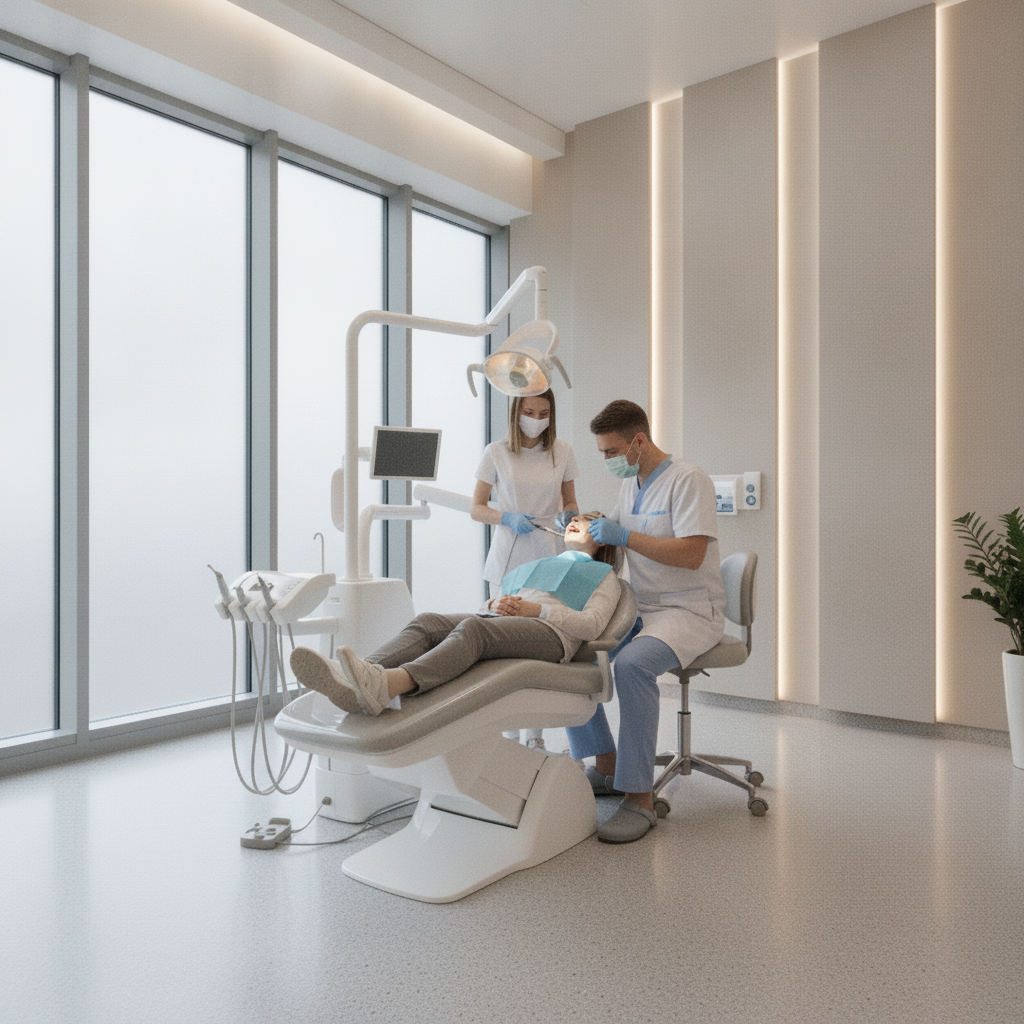
Upon arrival, patients typically have an in-person consultation and examination, often including new X-rays or 3D scans, to finalize the treatment plan. The dental procedures are then carried out, utilizing modern equipment and techniques. Throughout the treatment, clear communication with the dental team, often facilitated by translators provided by the clinic, is essential. Clinics prioritize patient comfort and safety, employing local anesthesia and sometimes sedation for more extensive procedures.
Aftercare and Follow-up
Post-treatment care is as important as the procedure itself. Clinics provide detailed instructions for recovery, including dietary guidelines, medication schedules, and oral hygiene practices. For complex treatments, follow-up appointments during the stay are common. Before returning home, patients should receive all necessary documentation, including treatment records, X-rays, and any guarantees or warranties for the dental work. Understanding the terms of these guarantees and what to do in case of post-treatment issues is vital. Many clinics offer remote support and advice once the patient has returned home. For more information on the overarching experience, exploring resources on dental tourism can be helpful.
Ensuring Safety and Quality When Getting Teeth Done Abroad
While the benefits are clear, it is natural to have concerns about safety, quality, and ethical practices. Diligence in selecting a clinic and understanding the process can mitigate most risks.
Accreditation and Dentist Qualifications
When considering clinics for dental work abroad, look for international accreditations such as ISO certifications, or affiliations with reputable dental associations. Research the dentists’ qualifications, their specializations, and their experience. Many clinics proudly display their team’s credentials, including degrees, advanced training, and memberships in professional bodies. Patient testimonials and before-and-after galleries can offer valuable insights into a clinic’s quality of work and patient satisfaction.
Language and Communication
Effective communication is paramount in a medical setting. Many dental tourism clinics employ multilingual staff or provide dedicated translators to bridge any language barriers between patients and the dental team. Confirming these arrangements beforehand ensures that you can clearly express your concerns and understand all aspects of your treatment.
Legal and Ethical Considerations
Understanding the legal framework and patient rights in the destination country is important. While generally high, healthcare regulations can differ. Reputable clinics will adhere to international medical ethics and professional standards. Inquire about patient consent forms, data protection, and complaint procedures. It’s also wise to check if your travel insurance or health insurance provider offers any coverage for dental work received abroad, although this is often limited.
Choosing Your Destination and Clinic
Selecting the right destination involves considering not just the cost and quality of dental care, but also the overall experience. Factors like ease of travel, visa requirements, cultural familiarity, and the availability of amenities for recovery (e.g., quiet accommodation, healthy food options) should influence your decision. Once a destination is chosen, focus on clinics with a strong reputation, transparent pricing, and comprehensive patient support services.
For procedures like dental implants, veneers, or crowns, the materials used are also a key indicator of quality. Inquire about the brands and types of materials, for example, Nobel Biocare or Straumann for implants, or E.max for veneers. Understanding these details contributes to making an informed decision about your dental treatment abroad. The growing popularity of dental tourism suggests a general satisfaction with the quality and value offered by clinics in various countries. For an external perspective on dental tourism, general information can be found on Wikipedia.

Ultimately, getting teeth done abroad can be a highly rewarding experience, offering not only significant financial savings but also access to excellent dental care and an opportunity for travel. By conducting thorough research, engaging in clear communication, and planning meticulously, patients can navigate the process confidently and achieve their desired dental health and aesthetic goals.