Are Turkish Dentists Qualified for International Patients?

Are Turkish Dentists Qualified for International Patients? This question is at the forefront for thousands of individuals considering Turkey for their dental procedures, drawn by the promise of high-quality care at a fraction of the cost in the UK, Europe, or the US. The rapid growth of Turkey’s dental tourism sector is not accidental; it is built upon a foundation of rigorous education, strict national regulations, and a deep commitment to adopting the latest medical technologies. Understanding the journey a professional must take to become a licensed dentist in Turkey reveals a system designed to produce highly competent and skilled practitioners who are more than capable of meeting and often exceeding international standards.
The concern is understandable. Travelling abroad for medical treatment requires a significant leap of faith, and the primary assurance any patient seeks is the qualification and expertise of their chosen healthcare provider. Fortunately, the framework governing the dental profession in Turkey is robust, transparent, and structured to ensure a consistently high level of care, making it a reliable destination for patients worldwide. From competitive university entrance to mandatory continuous professional development, the path to becoming a respected dentist is demanding and comprehensive.
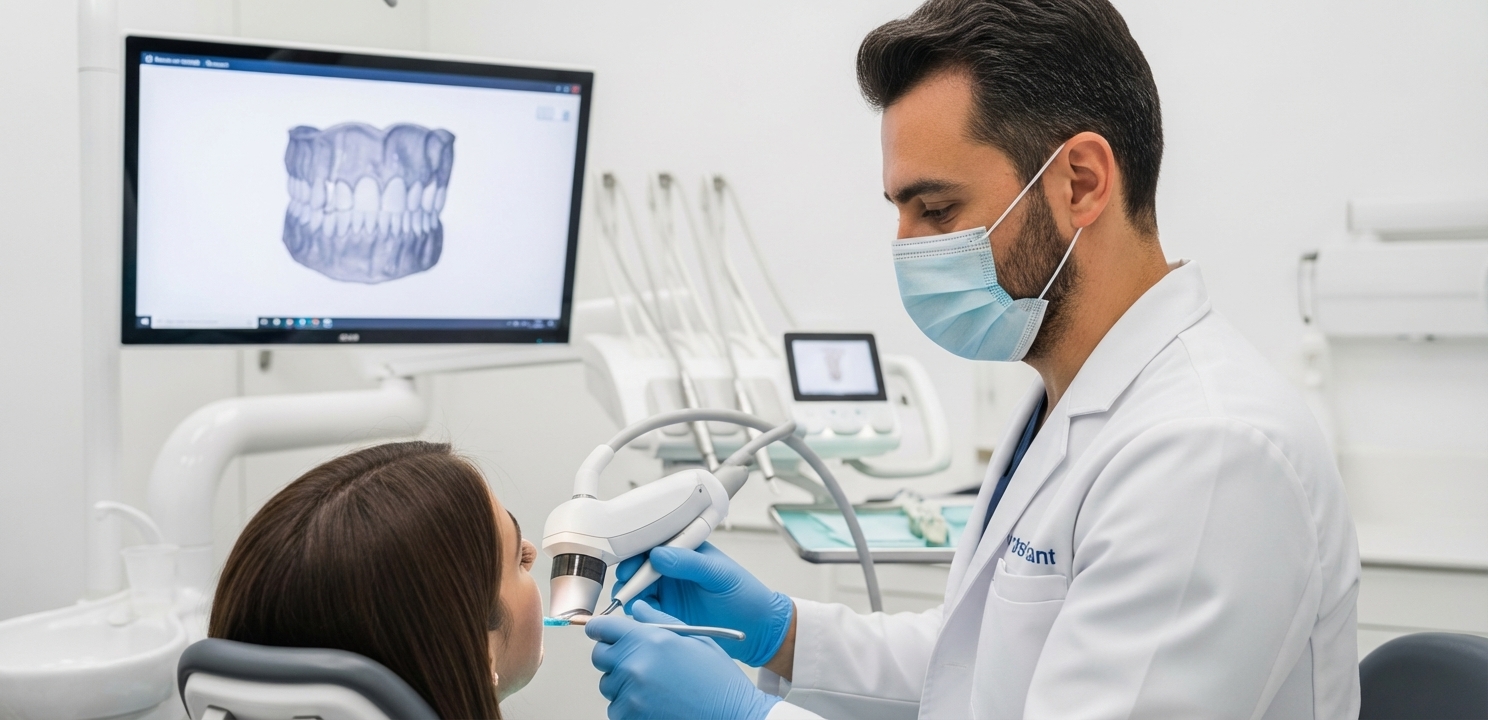
The Rigorous Educational Pathway of a Turkish Dentist
The journey to becoming a dentist in Turkey begins with an intensely competitive academic environment. Prospective dental students must first succeed in a challenging and comprehensive national centralized university entrance exam, known as the Yükseköğretim Kurumları Sınavı (YKS). Millions of high school graduates compete for a limited number of spots in the country’s esteemed medical and dental faculties, meaning only the highest-scoring applicants gain admission. This stringent selection process ensures that only individuals with a strong academic aptitude and dedication can enter the field.
Once admitted, students embark on a demanding five-year integrated master’s program to earn their Doctor of Dental Surgery (DDS) degree. This curriculum is meticulously structured to align with European and international educational standards. The first two years are typically focused on foundational medical sciences, including anatomy, physiology, biochemistry, and pharmacology, providing a solid understanding of the human body. The subsequent three years are heavily concentrated on clinical practice. Students spend extensive hours in university clinics, treating patients under the close supervision of experienced faculty. This hands-on training covers all facets of dentistry, from routine check-ups and restorative work to more complex procedures in endodontics, periodontics, and prosthodontics. This model of education ensures that by the time they graduate, new dentists have not only the theoretical knowledge but also substantial practical experience.
National Regulations and Licensing: The Role of the Turkish Dental Association (TDA)
Graduating from a dental faculty is just the first step. To legally practise dentistry in Turkey, every graduate must become a member of the Turkish Dental Association (TDA), or Türk Dişhekimleri Birliği (TDB). The TDA is the national regulatory body that oversees the entire profession, functioning similarly to the General Dental Council (GDC) in the United Kingdom. Its primary mandate is to protect public health by ensuring that all practising dentists adhere to the highest ethical and professional standards.
The TDA is responsible for maintaining the official register of all licensed dentists in the country. This registration is not a one-time event; it requires ongoing adherence to a strict code of conduct and professional ethics. The association also plays a crucial role in promoting and often mandating continuous professional development (CPD). It organises seminars, conferences, and workshops to keep dentists updated on the latest advancements in dental science, materials, and technology. This commitment to lifelong learning ensures that Turkish dentists remain at the cutting edge of their field, a critical factor for international patients seeking the most modern treatments available. The entire system of education and regulation is well-documented within academic and professional circles, confirming its alignment with global best practices. For an in-depth overview, the structure of dental education in Turkey has been outlined in various scientific journals, highlighting its comprehensive nature.
Specialisation and Advanced Training
For dentists who wish to become experts in a specific area of dentistry, Turkey offers a structured and competitive specialisation pathway. After earning their DDS degree, dentists can choose to take another national-level examination called the Dişhekimliği Uzmanlık Sınavı (DUS). Success in this exam grants them entry into a post-graduate residency program in their chosen field, which typically lasts between three to five years. This is a crucial distinction that international patients should be aware of when seeking complex treatments.
This advanced training creates specialists with profound expertise in specific domains. Common dental specialisations include:
- Orthodontics: Focusing on correcting misaligned teeth and jaws.
- Prosthodontics: Specialising in complex restorations, including dental implants, crowns, bridges, and full-mouth reconstructions.
- Endodontics: Centred on root canal therapy and treating diseases of the dental pulp.
- Oral and Maxillofacial Surgery: Involving surgical procedures of the face, mouth, and jaw, such as wisdom tooth extraction and corrective jaw surgery.
- Periodontology: Dealing with the treatment of gum diseases and the placement of dental implants.
A dentist who has completed this additional training is a certified specialist, or ‘uzman,’ demonstrating a level of expertise far beyond that of a general practitioner. For patients seeking treatments like All-on-6 dental implants or a complete smile makeover, seeking out a clinic with certified prosthodontists or oral surgeons is a key indicator of quality and a guarantee of receiving care from a true expert.
A Comparative Look at Dental Qualifications
To put the qualifications of Turkish dentists into a global context, it is helpful to compare the key milestones of their professional journey against established international benchmarks, such as those in the European Union or the United Kingdom. This comparison reveals significant parallels in the rigour, structure, and oversight of the dental profession.
| Qualification Aspect | Turkish Standard | International Benchmark (e.g., EU/UK) |
|---|---|---|
| Basic Dental Degree | 5-Year Doctor of Dental Surgery (DDS) degree from an accredited university. | 5-Year Bachelor of Dental Surgery (BDS) or equivalent DDS degree. |
| University Entry | Based on performance in a highly competitive, nationwide centralized exam (YKS). | Based on high school grades (e.g., A-levels), interviews, and aptitude tests (e.g., UCAT). |
| Governing Body | Mandatory membership and regulation by the Turkish Dental Association (TDA). | Mandatory registration with a national body like the General Dental Council (GDC) in the UK. |
| Specialisation Path | Competitive national exam (DUS) followed by 3-5 years of full-time clinical residency. | 3-5 years of post-graduate specialist training programs in approved hospital/university settings. |
| Continuous Education | Strongly encouraged and regulated by the TDA to maintain professional standards. | Mandatory requirement of a set number of hours for annual license renewal. |
The Hallmarks of a Top-Tier Turkish Dentist
Beyond the formal qualifications and licenses, several other factors distinguish the best Turkish dental professionals, particularly those who cater to an international clientele. These dentists and their clinics understand that providing a world-class experience involves more than just excellent clinical skills. They are committed to patient-centric care, clear communication, and leveraging technology to achieve superior outcomes.
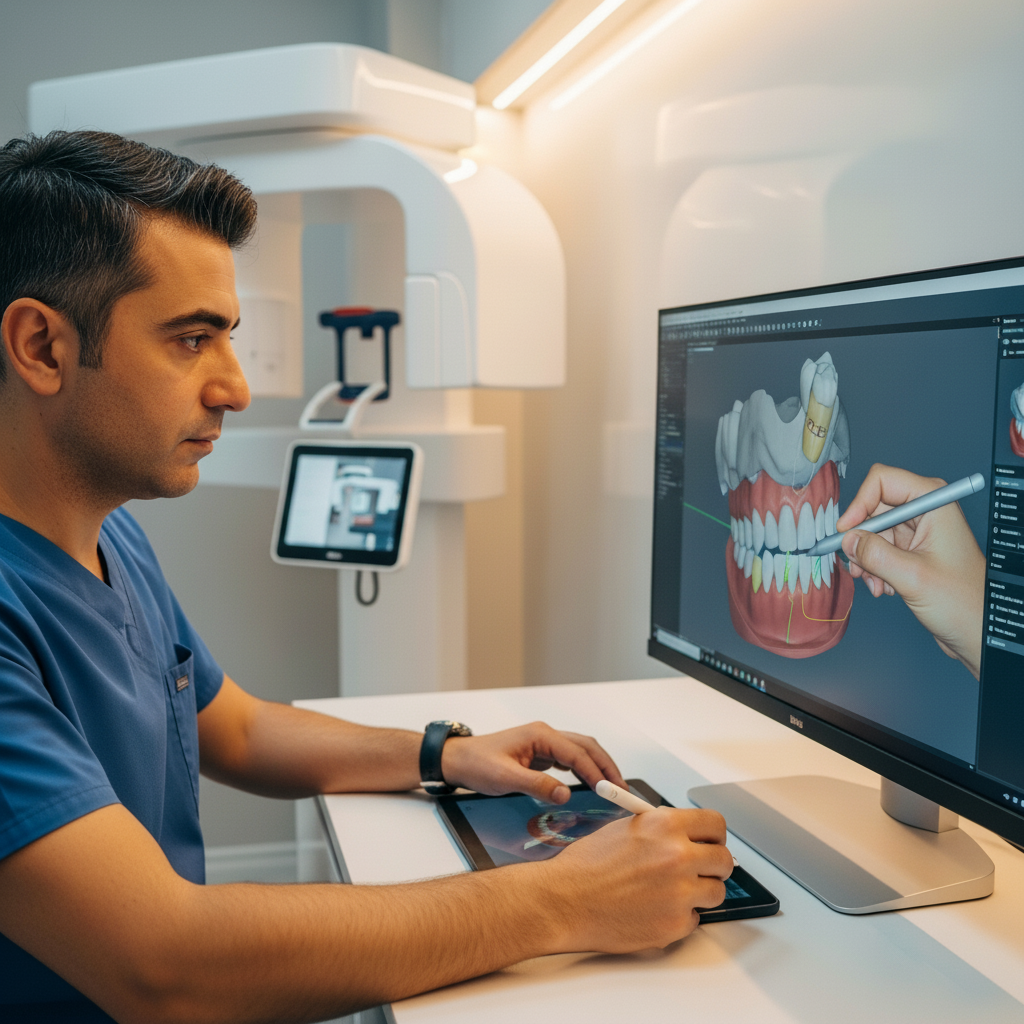
A primary indicator is a demonstrable commitment to using state-of-the-art technology. Leading clinics in Turkey are equipped with advanced diagnostic and treatment tools, including 3D Cone Beam Computed Tomography (CBCT) for precise implant planning, intraoral scanners for digital impressions, CAD/CAM systems for in-house milling of crowns and veneers, and soft tissue lasers for minimally invasive gum procedures. A dentist’s proficiency with these technologies is a direct reflection of their dedication to modern, efficient, and comfortable patient care. Furthermore, extensive experience with international patients is invaluable. Dentists in hubs like Istanbul, Antalya, and Izmir are accustomed to working with diverse populations and often have multilingual staff and dedicated patient coordinators to ensure a seamless experience from the initial consultation to the final follow-up. When making your decision, it is essential to understand how to choose the best dental clinic in Turkey by evaluating these factors, including dentist credentials, clinic technology, and patient testimonials. This due diligence ensures you partner with a provider who is not just qualified on paper but also perfectly suited to meet your specific needs.