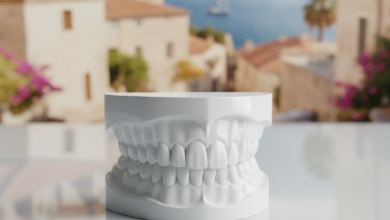
The Truth About “Turkey Teeth”: Myths vs Reality
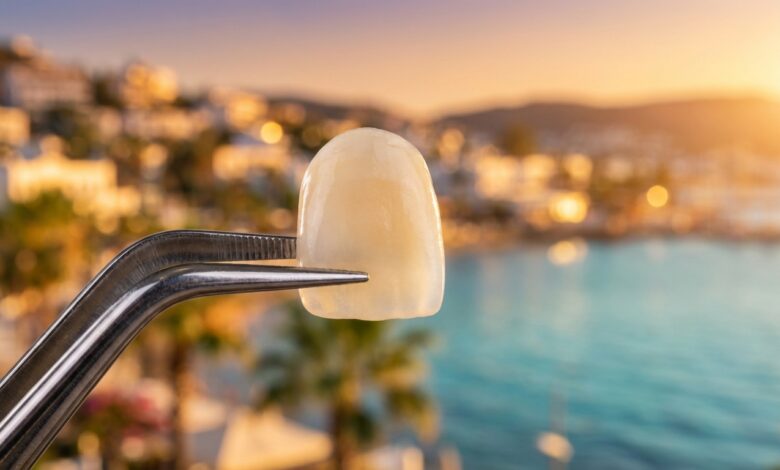
The Truth About “Turkey Teeth”: Myths vs Reality. The term has exploded across social media and news outlets, often accompanied by images of dazzlingly white, perfectly uniform smiles. However, this viral phenomenon is also shrouded in controversy, with stories of disastrous outcomes circulating alongside celebrity endorsements. This has created a polarised view, leaving many potential patients confused and apprehensive. Is travelling to Turkey for dental work a savvy way to achieve a dream smile at an affordable price, or is it a reckless gamble with your oral health?
The reality is far more nuanced than the sensational headlines suggest. “Turkey Teeth” is not a specific dental procedure but a colloquialism for cosmetic dentistry, typically involving crowns or veneers, performed in Turkey. The quality, safety, and outcome of these procedures depend entirely on the clinic, the materials used, and the expertise of the dental professionals involved. A well-researched, patient-focused approach can lead to outstanding, long-lasting results. Conversely, choosing a clinic based solely on the lowest price can lead to the very problems highlighted in horror stories. This guide will dissect the myths, present the facts, and provide a clear, comprehensive understanding of what getting dental work in Turkey truly entails.
What “Turkey Teeth” Actually Refers To
Understanding the procedures behind the catchy name is the first step in demystifying the topic. The term almost always refers to a full smile makeover using one of two primary types of dental restorations: crowns or veneers. While they can produce similar aesthetic results from a distance, they are fundamentally different treatments with distinct applications, processes, and impacts on the natural tooth structure.
Dental Veneers: The Conservative Approach
Veneers are ultra-thin shells, typically made of porcelain (like E-max) or composite resin, that are bonded to the front surface of the teeth. The primary goal of veneers is to correct cosmetic imperfections. Think of them as a permanent, new facade for your teeth. They are an excellent solution for issues such as:
- Staining or discolouration that doesn’t respond to whitening.
- Minor chips, cracks, or wear and tear.
- Slight misalignment or crookedness.
- Gaps between teeth.
- Irregularly shaped or sized teeth.
The key advantage of veneers is that they are a minimally invasive procedure. To prepare the tooth, the dentist only needs to shave off a very thin layer of enamel from the front surface, typically around 0.3mm to 0.5mm. This is just enough to ensure the veneer fits flush with the gum line and doesn’t look bulky. The natural tooth remains largely intact behind the veneer.
Dental Crowns: The Comprehensive Solution
A dental crown, on the other hand, is a tooth-shaped “cap” that covers the entire visible portion of a tooth down to the gum line. It’s a 360-degree restoration. Crowns are used not only for cosmetic enhancement but also for restorative purposes when a tooth’s structural integrity is compromised. A crown is the recommended treatment when a tooth is:
- Severely decayed and cannot be fixed with a simple filling.
- Broken, cracked, or significantly worn down.
- Has undergone a root canal, which can make the tooth brittle.
- Needed to support a dental bridge.
To place a crown, the tooth must be significantly reshaped or reduced on all sides to make space for the cap. This is the origin of the “shark teeth” or “peg teeth” images seen online. While this preparation is aggressive, it is a necessary and standard clinical procedure for placing crowns. Using crowns on healthy teeth purely for cosmetic reasons is often considered overtreatment, which is a hallmark of inexperienced or unscrupulous clinics. Reputable dentists will always recommend the most conservative treatment possible to achieve the patient’s goals.
Myths vs. Reality: The Great Debate
The sensationalism surrounding dental treatment in Turkey has created a number of persistent myths. By directly comparing these myths with the reality of high-quality clinical practice, we can build a more accurate picture. The following table breaks down the most common misconceptions.
| Myth | Reality |
|---|---|
| “They shave all your teeth down to tiny pegs.” | This image is associated with crown preparation, not veneers. A reputable clinic will only recommend crowns when clinically necessary (e.g., for damaged teeth) or if the patient’s cosmetic goals cannot be met with veneers. For healthy teeth, veneers require only minimal enamel removal from the front surface. The choice of procedure should be based on a thorough dental examination, not a one-size-fits-all approach. |
| “The quality is low and the materials are cheap.” | Leading Turkish dental clinics use the exact same globally recognised materials and brands as top clinics in the UK, Europe, and the US. This includes Ivoclar Vivadent’s E-max for veneers and Zirconia from brands like Vita or Ivoclar for crowns. These materials are chosen for their durability, biocompatibility, and aesthetic properties. The quality is in the clinic you choose, not the country. |
| “It’s dangerously unregulated.” | The Turkish Ministry of Health heavily regulates dental clinics, which must meet stringent standards to be licensed. Top-tier clinics often go further, seeking and achieving international accreditations like ISO 9001. Patients should always verify a clinic’s credentials and licenses before committing to treatment. |
| “There is no aftercare or guarantee.” | Professional clinics provide comprehensive aftercare instructions and offer guarantees on their work, often for several years. They remain in contact with patients after they return home and can coordinate with local dentists if minor adjustments are needed. This is a critical factor to discuss during the initial consultation. |
The Process of Achieving Your New Smile in Turkey
A successful dental holiday is built on a clear, well-managed process. Reputable clinics follow a structured pathway to ensure patient safety, satisfaction, and clinical excellence.
Step 1: The Remote Consultation
The journey begins from your home. You will typically be asked to provide high-quality photos of your teeth and smile, along with any recent dental X-rays. A detailed medical history form is also required. Based on this information, the dental team performs a preliminary assessment and creates a draft treatment plan. This plan will outline the recommended procedures, the number of teeth involved, the materials to be used, a cost estimate, and the proposed timeline for your visit. This is your opportunity to ask questions and establish a rapport with the clinic’s patient coordinators.
Step 2: In-Clinic Examination and Smile Design
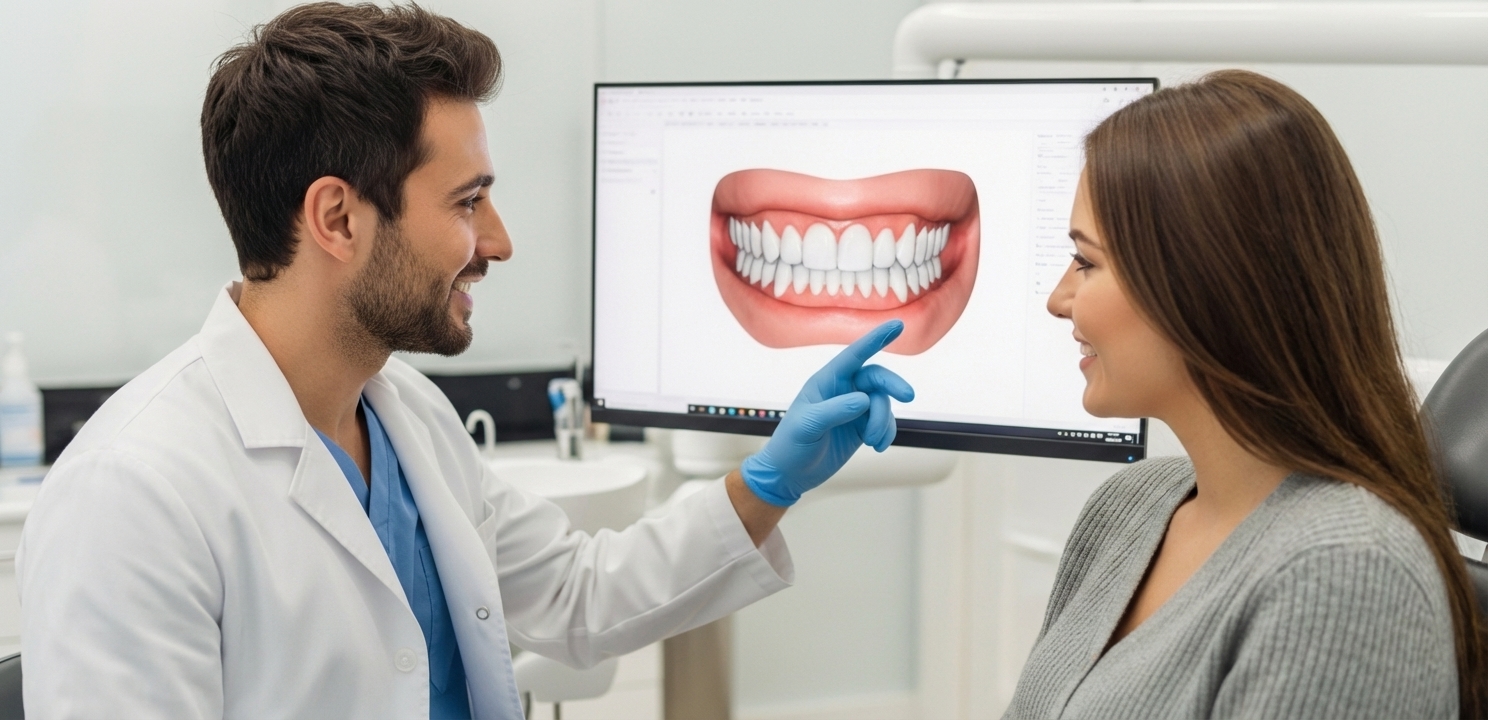
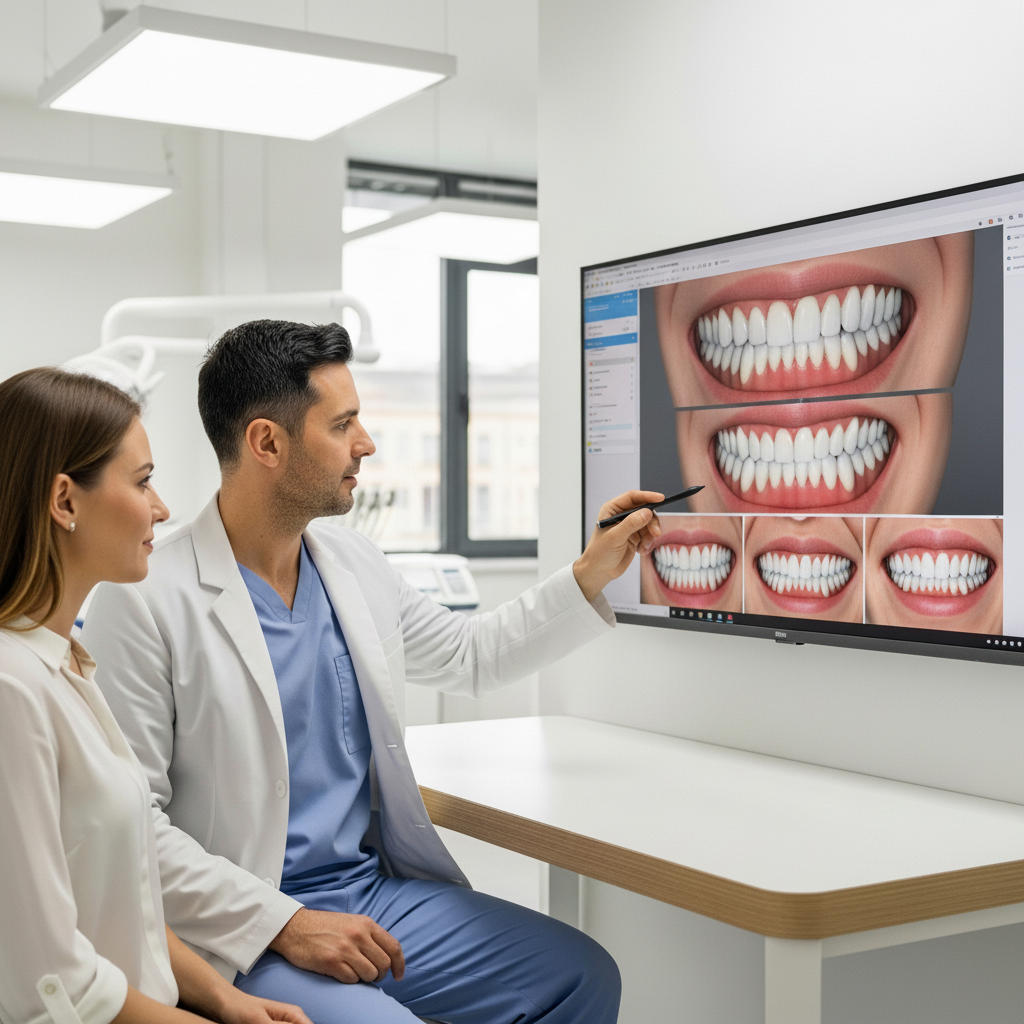
Upon arrival in Turkey, your first appointment is crucial. It involves a comprehensive in-person examination, including new digital X-rays and often a 3D CT scan. The dentist will discuss your aesthetic goals in detail. This is the “smile design” phase, where you decide on the shape, size, and shade of your new teeth. Using advanced CAD/CAM (Computer-Aided Design/Computer-Aided Manufacturing) technology, many clinics can create a digital mock-up, allowing you to preview your new smile before any treatment begins.
Step 3: The Treatment Phase
Once the design is finalised, the clinical work starts. For veneers or crowns, this involves preparing the teeth as discussed earlier. After preparation, the dentist takes a highly precise digital or physical impression of your teeth. This impression is sent to an on-site or partner dental laboratory where your custom restorations are meticulously crafted. While the permanent restorations are being made (a process that can take a few days), you will be fitted with high-quality temporary teeth. These protect your prepared teeth and allow you to function normally. A great resource for understanding this phase in more detail is this step-by-step guide to getting veneers in Turkey.
Step 4: The Final Fitting
After a few days, your bespoke crowns or veneers are ready. You will return to the clinic for a trial fitting. The dentist will check the fit, bite, and aesthetics, making any necessary minor adjustments. Once you and the dentist are completely satisfied, the restorations are permanently bonded to your teeth using a strong dental cement. The final step involves polishing and a final check of your bite to ensure perfect comfort and function.
Quality, Longevity, and Choosing the Right Clinic
The long-term success of your dental work hinges on two factors: the quality of the materials and the skill of the dental team. Top-tier materials like Zirconia and E-max porcelain are renowned for their strength and lifelike appearance. Zirconia is exceptionally strong, making it ideal for crowns, especially on molar teeth that endure significant chewing forces. Its durability is well-documented in clinical research, with systematic reviews confirming high survival rates over many years. A study published by the National Center for Biotechnology Information highlights the excellent long-term clinical performance of monolithic zirconia crowns. E-max, a type of lithium disilicate glass-ceramic, is prized for its superior translucency, making it the gold standard for veneers on front teeth where aesthetics are paramount.
Key Factors for Clinic Selection
- Dentist’s Credentials: Look for dentists who are specialists in prosthodontics or cosmetic dentistry. Check their experience and qualifications.
- Technology: Does the clinic use modern technology like digital scanners, CAD/CAM systems, and 3D imaging? This indicates a commitment to precision and quality.
- Transparency: A good clinic will be transparent about the materials they use, the details of the procedure, and all associated costs. They should willingly provide a detailed, written treatment plan.
- Patient Reviews and Testimonials: Look for independent reviews and before-and-after photos of actual patients. This provides insight into the clinic’s consistency and quality of work.
The Real Reason for the Lower Cost of Turkey Teeth
It is critical to understand that the affordability of dental care in Turkey is not due to inferior quality. It is a result of economic factors. The overall cost of living, including staff salaries, rent for clinical space, and laboratory fees, is significantly lower than in the UK or Western Europe. Furthermore, the Turkish government actively supports the medical tourism sector, which helps to keep costs competitive. This economic advantage allows clinics to invest in state-of-the-art technology and premium materials while still offering prices that are a fraction of what patients would pay at home. When done correctly, it represents not a compromise on quality, but a high value for an investment in your oral health and confidence.