Dental Implant Financing Options in the UK

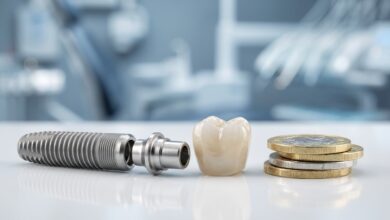
Before exploring financing, it’s essential to have a clear picture of what the total cost of a dental implant procedure entails. The price quoted is not just for the implant itself but covers a multi-stage process involving several components and professional services. A single dental implant treatment typically includes the cost of the titanium implant post that is surgically placed into the jawbone, the abutment which connects the post to the crown, and the final prosthetic crown that looks and functions like a natural tooth. Additionally, the overall price incorporates the surgeon’s fees, consultations, diagnostic imaging such as X-rays or CT scans, and any necessary preparatory work like tooth extractions or bone grafting. In the UK, the cost for a single dental implant can range from £2,000 to over £4,000, depending on the complexity of the case, the materials used, and the clinic’s location. This significant investment is why most patients seek structured payment solutions.
Dental Implant Financing Options in the UK are a crucial consideration for anyone looking to restore their smile with this gold-standard tooth replacement solution. The high cost of dental care, particularly advanced procedures like implants, can be a significant barrier for many. However, understanding the various payment and financing routes available can transform this seemingly out-of-reach treatment into an affordable reality. Dental implants are not merely a cosmetic enhancement; they are a long-term investment in your oral health, functionality, and overall quality of life. By securing the right financial plan, you can access this life-changing procedure without undue financial strain, spreading the cost over a manageable period. This guide will explore the primary financing avenues available to patients in the United Kingdom, helping you to make an informed decision that suits your budget and lifestyle.
Understanding the Full Cost of Dental Implants
It’s also important to factor in potential additional costs. For instance, if a patient has experienced bone loss in their jaw, a bone graft may be required to create a stable foundation for the implant. This is a separate procedure with its own associated cost. Similarly, sinus lifts may be necessary for implants in the upper jaw. Gaining a detailed, itemised quote from your dental provider is the first and most critical step. This document will be essential when you apply for financing, as it provides a clear breakdown of the funds you require. With this complete financial picture, you can then accurately assess which financing option will be the most suitable and affordable for your circumstances.
Exploring
Dental Implant Financing Options in the UK
Once you have a clear cost estimate, you can investigate the various ways to fund your treatment. The UK market offers several pathways, each with its own set of advantages and disadvantages. The best choice for you will depend on your credit history, your desired repayment term, and your tolerance for interest payments.
Dental Practice Payment Plans
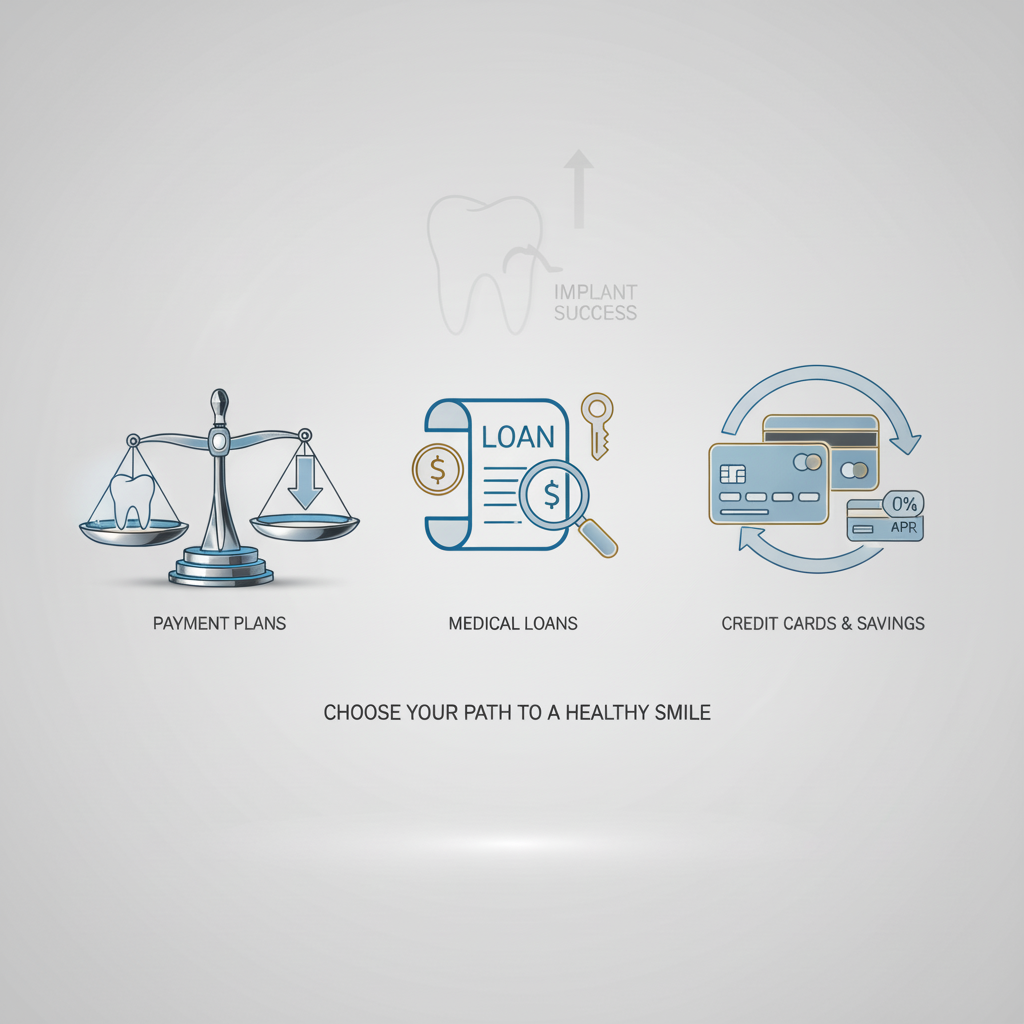
Many private dental clinics offer their own in-house payment plans to make treatments more accessible. These plans are often administered through a third-party credit provider that specialises in healthcare finance. The primary benefit is convenience; you can arrange everything directly with the clinic’s administrative staff. These plans frequently offer an interest-free period, typically for 6 to 12 months. This means if you can pay off the full amount within that timeframe, you won’t incur any extra charges. However, for longer repayment periods, interest will apply. A down payment or deposit is usually required, and the repayment terms might be less flexible than a traditional bank loan.
Specialist Medical Loans
Several financial companies in the UK specialise exclusively in providing loans for medical and dental procedures. These lenders understand the nature of the expense and have streamlined application processes tailored for patients. The loans are typically unsecured, meaning you don’t have to put up any collateral like your home. They offer structured repayment plans over a fixed term, which can range from one to five years, making monthly payments predictable. While interest rates may be competitive, they are heavily dependent on your credit score. A strong credit history will secure you a more favourable rate.
Unsecured Personal Loans
An unsecured personal loan from a high-street bank or building society is another common method for financing dental implants. If you have a good relationship with your bank and a solid credit history, you may be able to secure a loan with a lower interest rate than those offered by specialist medical lenders. The funds are paid directly to your bank account, giving you the flexibility to pay the dental clinic in full. This can sometimes put you in a better negotiating position with the clinic. However, the application process can be more stringent, and the loan is not specifically tied to your dental treatment, meaning it requires disciplined financial management.
0% APR Credit Cards
For those with excellent credit, a 0% Annual Percentage Rate (APR) purchase credit card can be a strategic way to finance treatment. These cards offer an introductory period (often up to 24 months) during which no interest is charged on new purchases. You can pay for your dental implant procedure with the card and then focus on clearing the balance before the interest-free period expires. This method requires strict discipline. If you fail to pay off the entire amount within the promotional window, the interest rate will revert to a much higher standard rate, which can be very costly. It is a high-risk, high-reward strategy that is only suitable for individuals confident in their ability to make the repayments on time.
Comparing Your Financing Choices
Choosing the right path requires a careful comparison of the features of each option. The following table provides a summary to help you weigh the pros and cons based on your personal financial situation.
| Financing Option | Best For | Key Considerations |
|---|---|---|
| In-House Dental Plan | Convenience and short-term, interest-free financing. | Repayment terms may be short (6-12 months for 0% interest). A deposit is often required. |
| Specialist Medical Loan | Patients who want a structured loan specifically for healthcare with clear monthly payments. | Interest rates are highly dependent on your credit score. Specialist lenders may have higher rates than banks. |
| Unsecured Personal Loan | Individuals with a strong credit history seeking potentially lower interest rates and longer repayment terms. | Stricter eligibility criteria. The application process can be slower than other options. |
| 0% APR Credit Card | Financially disciplined individuals with excellent credit who can pay off the full amount within the promotional period. | Extremely high interest rates apply if the balance isn’t cleared before the 0% offer ends. |
The Alternative: Considering Treatment Abroad
An increasingly popular strategy for managing the cost of dental implants is to seek treatment abroad, a practice known as dental tourism. Countries like Turkey have become leading destinations for high-quality, affordable dental care. The cost savings can be substantial, often 50-70% less than in the UK. This price difference is not due to a compromise in quality but is a result of the lower cost of living, operational expenses, and lab fees in Turkey. Reputable clinics in Turkey use the same world-class implant brands and materials, and are staffed by highly qualified, experienced surgeons. For many UK patients, the total cost of treatment in Turkey, including flights and accommodation, is still significantly less than the price of the procedure alone at home. This approach can drastically reduce or even eliminate the need for financing. Instead of taking out a large loan with interest, patients may be able to pay for their treatment outright or require a much smaller, more manageable loan. Before making a decision, it is wise to research how much do dental implants cost in the UK compared to leading international clinics to fully appreciate the potential savings.
Making the Right Financial Decision for Your Smile

Choosing to invest in dental implants is a major decision for both your health and your finances. The key to success is careful planning and research. Before you approach any lender, the first step should be to obtain your credit report to understand your current financial standing. A better credit score will always unlock more favourable loan terms and lower interest rates. Next, ensure you have a comprehensive and itemised treatment plan from your chosen dental provider. This clarity is essential for applying for the correct loan amount. When you compare financing offers, look beyond the headline interest rate. Pay close attention to the Annual Percentage Rate (APR), which includes any additional fees, and scrutinise the repayment terms and any penalties for early repayment. Dental implants are a highly successful and durable solution for tooth loss, with studies showing high long-term success rates, making them a worthwhile investment. According to authoritative sources on dental implants, when properly cared for, they can last a lifetime. By carefully selecting the right financing option, you can make this premier dental solution an affordable and valuable addition to your long-term health and well-being.