How Long Do Dental Implants Last?
This is one of the most critical questions patients ask when considering a permanent solution for missing teeth. Dental implants are a remarkable achievement in modern dentistry, designed to be a long-lasting and durable replacement that mimics the function and appearance of natural teeth. While many sources suggest they can last a lifetime, the actual longevity of a dental implant system depends on a combination of factors, including the patient’s health, oral hygiene habits, the skill of the surgeon, and the quality of the materials used. Understanding these variables is key to setting realistic expectations and ensuring your investment in your smile endures for decades.
How Long Do Dental Implants Last?
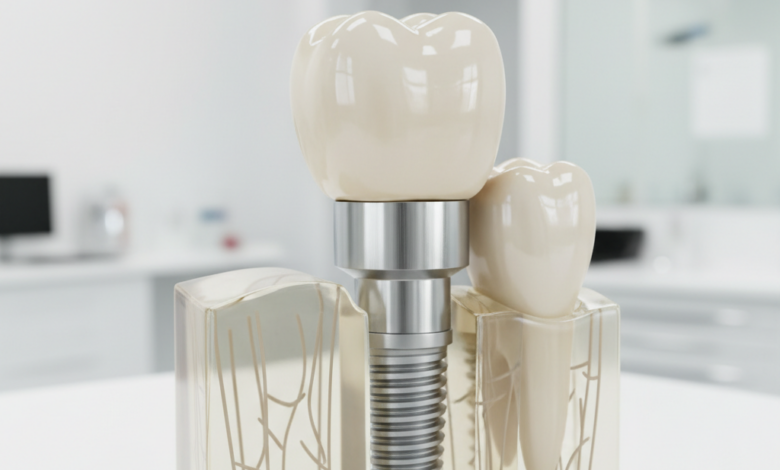
Unlike other dental restorations such as bridges or dentures, which typically require replacement every 5 to 15 years, a dental implant is designed to fuse directly with the jawbone. This process, known as osseointegration, creates a stable and robust foundation that can withstand the forces of chewing and speaking just like a natural tooth root. When properly cared for, the implant post itself has the potential to last for the rest of a person’s life. However, the complete dental implant is a system of three parts, and each component has a different expected lifespan.
The Lifespan of Different Implant Components
A complete dental implant restoration is comprised of three distinct parts: the implant post, the abutment, and the dental crown. To accurately answer the question of longevity, it’s essential to consider each part individually.
The Implant Post (The Fixture)
The implant post is the titanium screw that is surgically placed into the jawbone. It serves as the artificial tooth root. Titanium is used because it is biocompatible, meaning the human body does not reject it, and it has the unique ability to fuse directly with bone tissue. This osseointegration process is what gives the implant its incredible strength and stability. With proper surgical placement and diligent long-term care, the implant post itself has a success rate of over 95% and is designed to last a lifetime. Failures at this level are rare and are typically associated with underlying health issues, severe trauma, or the development of a specific type of gum disease called peri-implantitis.
The Abutment
The abutment is the small connector piece that is attached to the top of the implant post. It protrudes just above the gum line and serves as the mounting point for the final restoration, which is usually a dental crown. Like the implant post, the abutment is extremely durable and is also made from materials like titanium or zirconia. It is not subjected to the same daily wear and tear as the crown. As a result, abutments rarely fail and can also be expected to last for a very long time, often for the life of the implant itself. Issues with an abutment are uncommon but can include loosening, which can typically be corrected by a dentist.
The Dental Crown (The Prosthesis)
The dental crown is the visible, tooth-shaped part of the restoration. It is attached to the abutment and is the component that does all the work of chewing and grinding food. Because it is exposed to daily mechanical forces, temperature changes, and bacteria, the crown is the part of the implant system most likely to require replacement over time. The lifespan of a dental crown typically ranges from 10 to 20 years. However, this can vary significantly based on the material used (e.g., porcelain, zirconia, ceramic) and the patient’s habits. For example, a person who grinds their teeth (bruxism) or chews on hard objects may wear down their crown more quickly.
Factors That Influence How Long Do Dental Implants Last
The success and longevity of a dental implant are not guaranteed; they are heavily influenced by a range of factors that are within and outside of the patient’s control. A successful outcome is a partnership between the patient and the dental team.
| Positive Influencing Factors (Increase Lifespan) | Negative Influencing Factors (Decrease Lifespan) |
|---|---|
| Excellent and consistent oral hygiene | Poor oral hygiene (plaque and tartar buildup) |
| Regular professional dental check-ups and cleanings | Smoking or tobacco use |
| Sufficient jawbone density and volume | Uncontrolled diabetes or autoimmune disorders |
| Placement by an experienced and skilled surgeon | Teeth grinding (bruxism) without a nightguard |
| Use of high-quality materials (e.g., grade 4 titanium) | Excessive alcohol consumption |
| A balanced and healthy diet | Inadequate bone support at the implant site |
Patient Health and Lifestyle Choices
A patient’s overall health plays a significant role. Conditions like uncontrolled diabetes can impair the healing process and increase the risk of infection, potentially compromising osseointegration. Similarly, autoimmune diseases or medications that suppress the immune system can affect the body’s ability to heal around the implant. Lifestyle habits are equally critical. Smoking is one of the biggest risk factors for implant failure. It restricts blood flow to the gums and bone, slowing down healing and making the implant site more susceptible to infection. A healthy diet and avoiding excessively hard or sticky foods can also protect the dental crown from premature damage.
The Importance of Oral Hygiene
While an implant crown cannot get a cavity, the surrounding gum and bone tissue are still vulnerable to disease. Peri-implantitis is an inflammatory condition similar to gum disease that affects the tissues around a dental implant. It is caused by bacterial plaque buildup and can lead to the gradual loss of the bone supporting the implant. If left untreated, this bone loss can cause the implant to become loose and eventually fail. A rigorous daily routine of brushing, flossing (using special implant-friendly floss), and using an antimicrobial mouthwash is non-negotiable for the long-term health of your implant.
The Role of Surgical Expertise and Technology
The initial placement of the dental implant is arguably the most critical stage for ensuring its long-term success. The skill, training, and experience of the dental surgeon are paramount. A highly skilled surgeon will use advanced diagnostic tools, such as 3D CBCT (Cone Beam Computed Tomography) scans, to precisely plan the surgery. This allows them to assess the jawbone’s density and volume, identify the exact location of nerves and sinuses, and determine the optimal position and angle for the implant. Precise placement ensures that the implant can withstand biting forces correctly and integrates properly with the bone.
The quality of the materials and the technology used also make a substantial difference. Reputable clinics use implants made from medical-grade titanium alloys and crowns crafted from durable materials like zirconia, which offer superior strength and aesthetics. The investment in these high-quality components is directly related to the treatment’s longevity and overall success, which is a key consideration when evaluating the cost of dental implants.
Maintaining Your Implants for a Lifetime
Protecting your dental implant investment requires a commitment to ongoing maintenance, much like you would for your natural teeth. The long-term survival rates are exceptionally high for patients who follow a diligent care protocol.
Daily At-Home Care
Your daily routine should include brushing twice a day with a soft-bristled toothbrush and non-abrasive toothpaste. It is crucial to clean around the base of the implant crown where it meets the gum line. Flossing is also essential to remove plaque from areas the brush cannot reach. Water flossers or interdental brushes can be particularly effective for cleaning around implants. This daily diligence is the first line of defense against peri-implantitis.
Extensive research confirms the importance of maintenance, with studies showing very high implant survival rates over many years when patients adhere to a proper care regimen. As one comprehensive long-term evaluation published by the National Center for Biotechnology Information found, success is closely tied to ongoing professional monitoring and patient compliance.