Are Dental Procedures Painful in the UK?
Are Dental Procedures Painful in the UK?
The thought of dental procedures often conjures images of discomfort and pain, a perception deeply rooted in historical dental practices. However, modern dentistry, particularly within the UK, has undergone a revolutionary transformation, prioritizing patient comfort and effective pain management. Today, the question isn’t whether procedures are inherently painful, but rather how thoroughly pain is managed and minimized through advanced techniques and compassionate care. Understanding the evolution of dental care, the science behind pain control, and the patient-centric approach adopted by leading UK dental practices is crucial to dispelling outdated fears.
Understanding the Perception of Dental Pain
Pain is a complex, subjective experience influenced by physical sensations, emotional state, and psychological factors. For many, the fear of dental pain stems from past negative experiences, anecdotal stories, or a generalized anxiety known as odontophobia. This fear can significantly heighten pain perception, even when the actual physical stimulus is minimal. Recognising this, modern UK dentists focus not only on mitigating physical discomfort but also on alleviating anxiety through effective communication, a calming environment, and various relaxation techniques. The goal is to transform the dental experience from one of dread to one of reassurance and gentle care.
Common Dental Procedures and Their Pain Potential: A Modern View
Advances in dental technology and anesthesiology mean that most procedures, from routine to complex, can now be performed with minimal to no pain during the treatment itself.
* **Fillings:** For minor to moderate cavities, a simple filling often requires only local anaesthesia, making the process numb and pain-free. Deep fillings might involve a bit more preparation, but anaesthesia ensures no sensation during the drilling.
* **Extractions:** Tooth extractions, especially simple ones, are routinely performed under effective local anaesthesia. For more complex surgical extractions, such as impacted wisdom teeth, additional sedation options are available to ensure the patient remains comfortable and calm throughout.
* **Root Canals:** This procedure aims to relieve pain caused by an infected tooth pulp. While the infection itself is painful, the root canal procedure is performed after thorough numbing of the area, making it a pain-relieving rather than a pain-inducing experience.
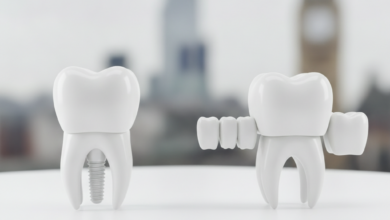
* **Dental Implants:** The surgical placement of dental implants is a precise procedure. Patients receive local anaesthesia, and often sedation, to ensure they feel no pain during the surgery. Post-operative discomfort is manageable with prescribed or over-the-counter pain relief.
* **Gum Surgery:** Procedures like gum grafts or periodontal treatments can vary in invasiveness. However, local anaesthesia is always used, and sedation can be an option for extensive surgeries, ensuring comfort throughout.
* **Cosmetic Procedures:** Treatments such as veneers or teeth whitening are generally less invasive. Veneer preparation might require local anaesthesia if sensitivity is a concern, while teeth whitening might cause temporary sensitivity but is not typically painful.
Modern Pain Management Techniques in the UK
The cornerstone of modern pain-free dentistry in the UK is a comprehensive approach to pain management. This involves a combination of tried-and-tested methods and innovative techniques.
Local Anaesthesia: The Foundation of Pain Control
Local anaesthetics are the primary method for numbing the treatment area. Applied via injection, they temporarily block nerve signals to the brain, effectively eliminating pain sensation during the procedure. Dentists in the UK are highly skilled in administering these injections as gently as possible, often using topical numbing gels beforehand to minimize the initial prick. The anaesthetic’s effect can last for several hours, providing post-procedure comfort as well.
Sedation Dentistry: Calming Nerves and Enhancing Comfort
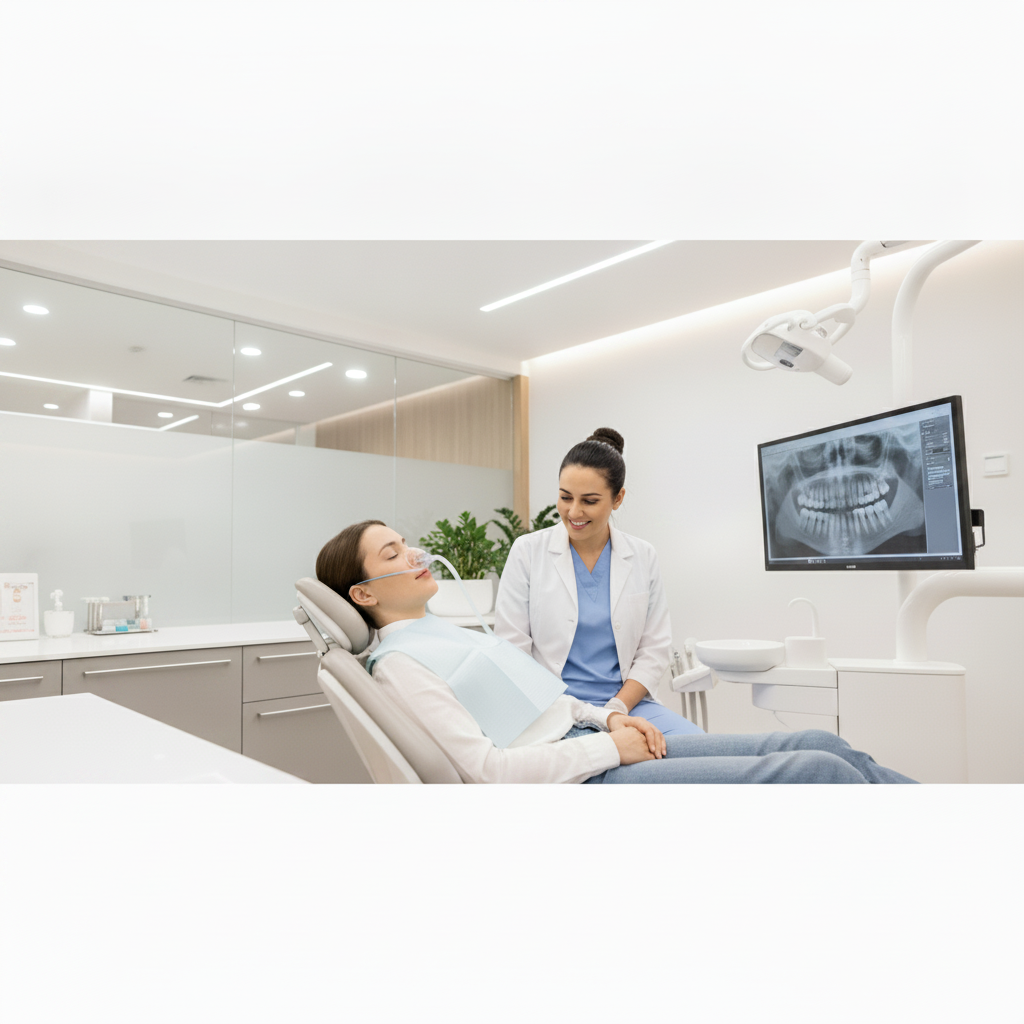
For patients with high anxiety or those undergoing longer or more complex procedures, sedation dentistry offers an invaluable solution.
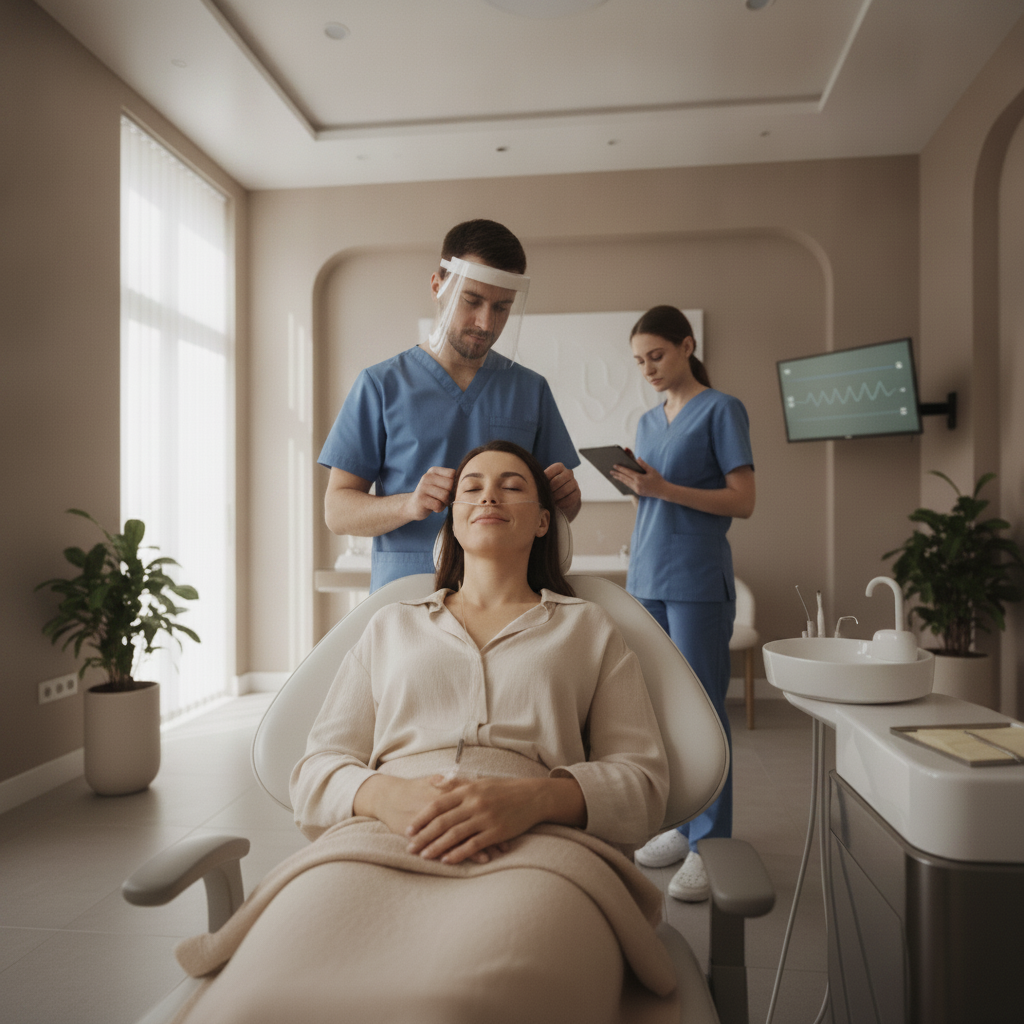
* **Nitrous Oxide (Laughing Gas):** This mild sedative is inhaled through a mask, inducing a relaxed, euphoric state. Patients remain conscious and responsive but feel detached from the procedure. Its effects wear off quickly after the mask is removed, allowing patients to drive themselves home.
* **Oral Sedation:** Administered as a pill taken before the appointment, oral sedatives induce a deeper state of relaxation. Patients typically feel drowsy but can still respond to verbal commands. A friend or family member is usually required to transport the patient home.
* **Intravenous (IV) Sedation:** This is a deeper form of conscious sedation, administered intravenously by a qualified anaesthetist or a dentist trained in IV sedation. Patients enter a dream-like state, often with little to no memory of the procedure afterwards. This is ideal for very anxious patients or extensive treatments.
Topical Anaesthetics and Other Comfort Measures
Before injecting local anaesthesia, dentists often apply a topical numbing gel to the gum, further reducing any discomfort from the needle. Many practices also offer amenities like blankets, neck pillows, entertainment (music, TV), and even aromatherapy to create a more relaxing atmosphere. Open communication throughout the procedure, allowing the patient to signal if they need a break, is also a vital aspect of modern comfort-focused dentistry.
The Role of Advanced Technology in Minimizing Pain
Technological advancements have played a significant role in making dental procedures less invasive and, consequently, less painful.
* **Digital X-rays:** These provide clearer images with significantly less radiation exposure, leading to more accurate diagnoses and reducing the need for exploratory procedures.
* **Laser Dentistry:** For certain soft tissue procedures (e.g., gum contouring), lasers can be used instead of scalpels. This results in less bleeding, reduced swelling, and often faster healing with less post-operative pain.
* **Computer-Guided Implant Surgery:** This technology allows for incredibly precise placement of dental implants, reducing surgical trauma, shortening recovery times, and minimizing post-operative discomfort.
* **Magnification and Micro-dentistry:** Using loupes or microscopes allows dentists to work with greater precision, preserving more healthy tooth structure and making procedures less invasive.
Choosing the Right Dental Practice in the UK
When considering private dentistry UK or any dental care, selecting a practice that prioritizes patient comfort and employs modern pain management techniques is paramount. Key factors to look for include:
* **Communication:** A dentist who actively listens to your concerns and explains procedures clearly, including pain management options.
* **Technology:** A practice that invests in modern equipment and techniques to enhance precision and comfort.
* **Sedation Options:** Availability of various sedation levels to cater to different anxiety levels and procedural needs.
* **Patient Reviews:** Testimonials often highlight a practice’s commitment to patient comfort.
The General Dental Council (GDC) regulates dental professionals in the UK, ensuring high standards of care, including appropriate pain management. This oversight provides an additional layer of assurance for patients seeking treatment.
Dental Procedures Painful in the UK: A Comprehensive Answer
To directly address the question: no, modern dental procedures in the UK are generally not painful during the treatment itself, thanks to highly effective local anaesthesia and a range of sedation options. While some degree of discomfort or pressure might be felt, actual pain is meticulously avoided. Post-procedure, any residual discomfort is typically mild and easily managed with over-the-counter pain relievers or, in some cases, prescribed medication. The key is open communication with your dental professional, allowing them to tailor pain and anxiety management strategies to your individual needs.
The following table provides a general overview of common dental procedures and their typical pain management strategies in the UK:
| Procedure Type | Pain Potential Without Anaesthesia | Typical Pain Management in UK | Post-Procedure Discomfort (Typical) |
|---|---|---|---|
| Dental Filling (Simple) | Low to Moderate | Local Anaesthesia (Topical often used first) | Mild sensitivity for a few days |
| Dental Filling (Deep) | Moderate to High | Local Anaesthesia | Moderate sensitivity, managed with OTC pain relief |
| Tooth Extraction (Simple) | Moderate to High | Local Anaesthesia (Optional: Nitrous Oxide) | Mild to Moderate, managed with OTC pain relief |
| Surgical Extraction (e.g., Wisdom Tooth) | High | Local Anaesthesia + Sedation (Oral or IV) | Moderate, managed with prescribed pain relief |
| Root Canal Treatment | High (from underlying infection) | Local Anaesthesia | Mild to Moderate, managed with OTC/prescribed pain relief. Pain reduction is the goal. |
| Dental Implant Placement | High (surgical) | Local Anaesthesia + Sedation (Oral or IV) | Moderate, managed with prescribed pain relief for a few days |
| Gum Surgery | High (surgical) | Local Anaesthesia + Sedation (Optional: Oral or IV) | Moderate, managed with prescribed pain relief and specific aftercare |
| Veneers (Preparation) | Low to Moderate | Local Anaesthesia (if needed for sensitivity) | Mild temporary sensitivity |
| Teeth Whitening | Low | No anaesthesia (can cause temporary sensitivity) | Temporary tooth sensitivity |
This table illustrates that while the potential for pain without intervention exists, modern dentistry proactively addresses it.
The Patient Journey: Before, During, and After Treatment
A well-structured patient journey in a UK dental practice significantly contributes to a pain-free experience.
* **Before the Procedure:** This stage is critical for discussing fears, reviewing the treatment plan, and selecting appropriate pain and anxiety management strategies. The dental team will assess your medical history to ensure the safe administration of anaesthetics or sedatives.
* **During the Procedure:** The focus is on comfort and maintaining open communication. Patients are encouraged to signal any discomfort immediately. The dentist and dental nurse continually monitor the patient’s well-being. The efficacy of local anaesthesia, as explained by authoritative sources, is paramount in this stage (https://en.wikipedia.org/wiki/Local_anaesthetic).
* **After the Procedure:** Clear aftercare instructions are provided, covering pain management, dietary advice, oral hygiene, and signs to watch out for. A follow-up plan ensures optimal healing and addresses any post-operative concerns. This comprehensive approach ensures that the entire dental experience, from start to finish, is as comfortable and stress-free as possible.
In conclusion, the modern reality of dental procedures in the UK is far removed from the painful experiences of the past. With sophisticated anaesthetic techniques, a variety of sedation options, and advanced dental technology, patients can expect a comfortable, often pain-free, experience. The emphasis on patient-centred care, open communication, and comprehensive aftercare has redefined dental treatment, making it accessible and reassuring for even the most anxious individuals. Prioritizing regular dental check-ups and addressing concerns proactively helps maintain optimal oral health with minimal discomfort.