NHS Dentist vs Private Dentist: What’s the Difference?
NHS Dentist vs Private Dentist: What’s the Difference? When it comes to dental care in the UK, patients are often faced with a fundamental choice between two distinct pathways: receiving treatment through the National Health Service (NHS) or opting for a private dentist. This decision is not merely about cost; it encompasses a wide range of factors including the scope of available treatments, waiting times, appointment flexibility, and the materials and technology used. Understanding the core distinctions between these two models is crucial for making an informed decision that aligns with your oral health needs, aesthetic goals, and personal budget. While both sectors are regulated by the same professional standards, the framework within which they operate creates a significantly different patient experience.
Understanding the NHS Dental System
The NHS was founded on the principle of providing healthcare to all, and its dental services are a vital part of this mission. The primary goal of NHS dentistry is to ensure that every resident has access to clinically necessary treatments to maintain oral health. This means focusing on procedures that prevent disease, restore function, and alleviate pain. The scope is defined by what is deemed essential for a healthy mouth, not necessarily what is most aesthetically pleasing or technologically advanced.
The NHS Charging Bands
To manage costs, NHS dental treatments in England are structured into a system of three charging bands. It is important to note that these bands represent a patient’s contribution towards the cost of their care, with the government subsidising the rest.
- Band 1: This covers an examination, diagnosis (including X-rays), advice on preventing future problems, a scale and polish if clinically necessary, and preventative care like fluoride varnish or fissure sealants.
- Band 2: This includes everything in Band 1, plus further treatments such as fillings, root canal work, or tooth extractions.
- Band 3: This covers all treatments in Bands 1 and 2, plus more complex procedures that involve laboratory work, such as crowns, dentures, and bridges.
The key takeaway from this structure is its all-inclusive nature within a band. Whether you need one filling or three during a course of treatment, you will pay a single Band 2 charge. However, this model is designed for functional restoration. Treatments considered purely cosmetic, such as teeth whitening, composite bonding for aesthetic purposes, or dental implants for single-tooth replacement, are generally not available under the NHS. According to the National Health Service, treatments must be clinically necessary to be covered.
Access and Waiting Times
Perhaps the most significant challenge facing NHS dentistry today is access. There is a well-documented shortage of NHS dentists accepting new patients, and even registered patients can face lengthy waiting lists for non-urgent procedures. This pressure on the system means appointments are often shorter and less flexible, as practitioners must manage a high volume of patients to meet their contractual obligations.
Exploring the Private Dental Sector
Private dentistry operates outside of the NHS framework. It is a service-driven model where the patient pays the full cost of their treatment directly to the clinic. This independence from government funding and targets allows private practices to offer a much broader and more personalised range of services. The core philosophy of private dentistry is patient choice—choice of treatments, materials, appointment times, and the level of service.
A Wider Spectrum of Treatments
The most apparent advantage of private dental care is the unrestricted access to the full spectrum of modern dentistry. This includes:
- Cosmetic Dentistry: Procedures like professional teeth whitening, veneers, and smile makeovers are standard offerings in the private sector.
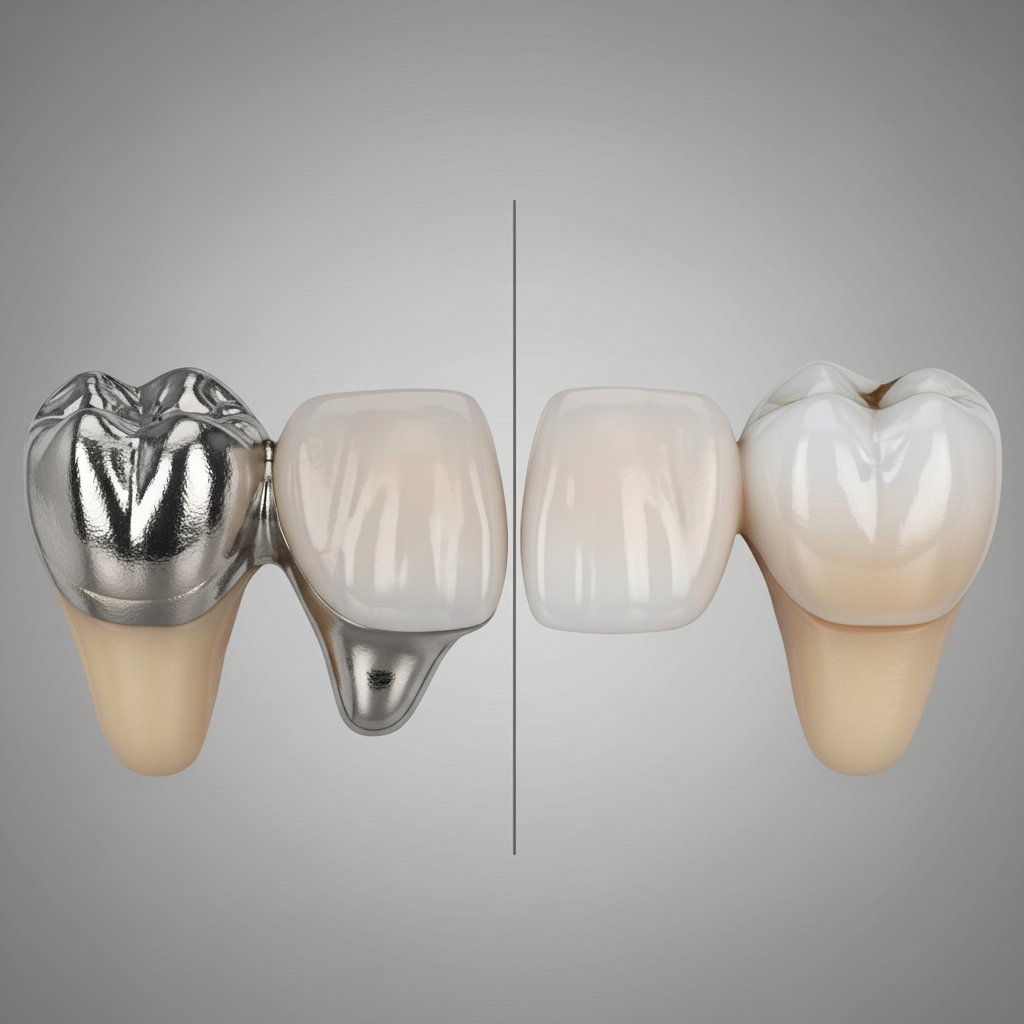
- Advanced Restorations: Patients can choose from higher-grade materials, such as all-ceramic crowns that offer superior aesthetics compared to the metal-based crowns often used in the NHS.
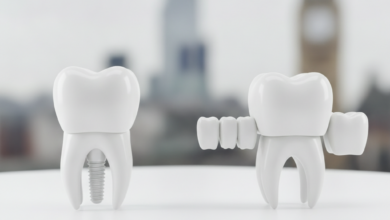
- Dental Implants: Considered the gold standard for replacing missing teeth, dental implants are widely available privately but are only offered on the NHS in very rare clinical circumstances.
- Orthodontics: While NHS orthodontics are available for children under 18 with a clear clinical need, adults seeking braces or clear aligners like Invisalign will almost always require private treatment.
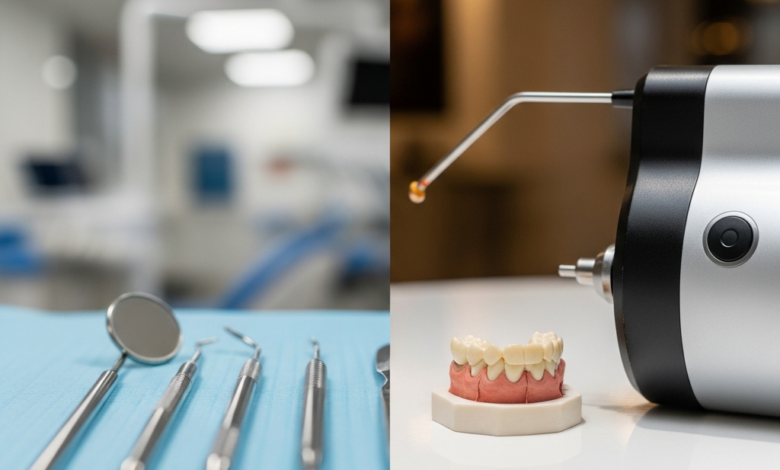
Private dentists can also invest more freely in cutting-edge technology, such as 3D intraoral scanners, CBCT scans for precise implant placement, and laser dentistry. This investment often translates into more comfortable, accurate, and efficient treatments for the patient.
Key Differences: NHS Dentist vs Private Dentist
When directly comparing the two systems, the differences become stark. The choice between them often hinges on a patient’s priorities, whether they be cost, speed of access, or the final aesthetic outcome of the treatment.
Cost and Payment Structures
The most obvious distinction is cost. NHS treatment is subsidised and has a clear, capped pricing structure based on the bands. Private dentistry is more expensive, with costs varying significantly between clinics and based on the specific treatment and materials chosen. However, private practices often provide detailed treatment plans with a full breakdown of costs upfront. Many also offer payment plans and financing options to make treatments more manageable. Understanding dental implant financing options in the UK, for example, can make advanced procedures accessible to a wider range of patients.
Appointment Availability and Time
Private practices typically offer much greater flexibility with appointments, including evening and weekend slots. More importantly, private appointment times are generally longer. This allows the dentist more time to discuss treatment options, answer questions, and perform procedures with meticulous attention to detail. An NHS dentist, due to patient volume, may have only 10-15 minutes for a check-up, whereas a private check-up might be scheduled for 30 minutes or more.
Materials and Laboratory Work
The materials used in restorations are a significant point of difference. The NHS provides functional and durable materials, but they may not always be the most aesthetically pleasing. For example, amalgam (silver-coloured) fillings are still commonly used for back teeth. In private dentistry, patients have the choice of tooth-coloured composite fillings for all teeth. Similarly, for crowns, a private patient can opt for E-max or Zirconia, which are highly durable and mimic the translucency of a natural tooth, while the standard NHS option may be a porcelain-fused-to-metal crown that can show a dark line at the gum.
Summary Comparison Table
To provide a clear overview, here is a direct comparison of the key aspects of NHS and private dental care.
| Feature | NHS Dentist | Private Dentist |
|---|---|---|
| Cost | Subsidised, fixed-band pricing. | Full cost paid by patient, variable pricing. |
| Treatments Available | Limited to clinically necessary procedures. | Full range including cosmetic, implants, and advanced restorative. |
| Waiting Times | Can be very long, with difficulty finding a practice. | Minimal waiting times, prompt appointments. |
| Appointment Length | Often shorter due to high patient volume. | Longer, more in-depth consultations. |
| Materials | Functional and durable (e.g., amalgam fillings, metal-based crowns). | Choice of advanced, aesthetic materials (e.g., composite, all-ceramic). |
| Aesthetic Focus | Low; focus is on health and function. | High; aesthetic outcomes are a primary consideration. |
| Flexibility | Limited appointment times. | High flexibility, including evening and weekend appointments. |
Making the Right Choice for Your Dental Health
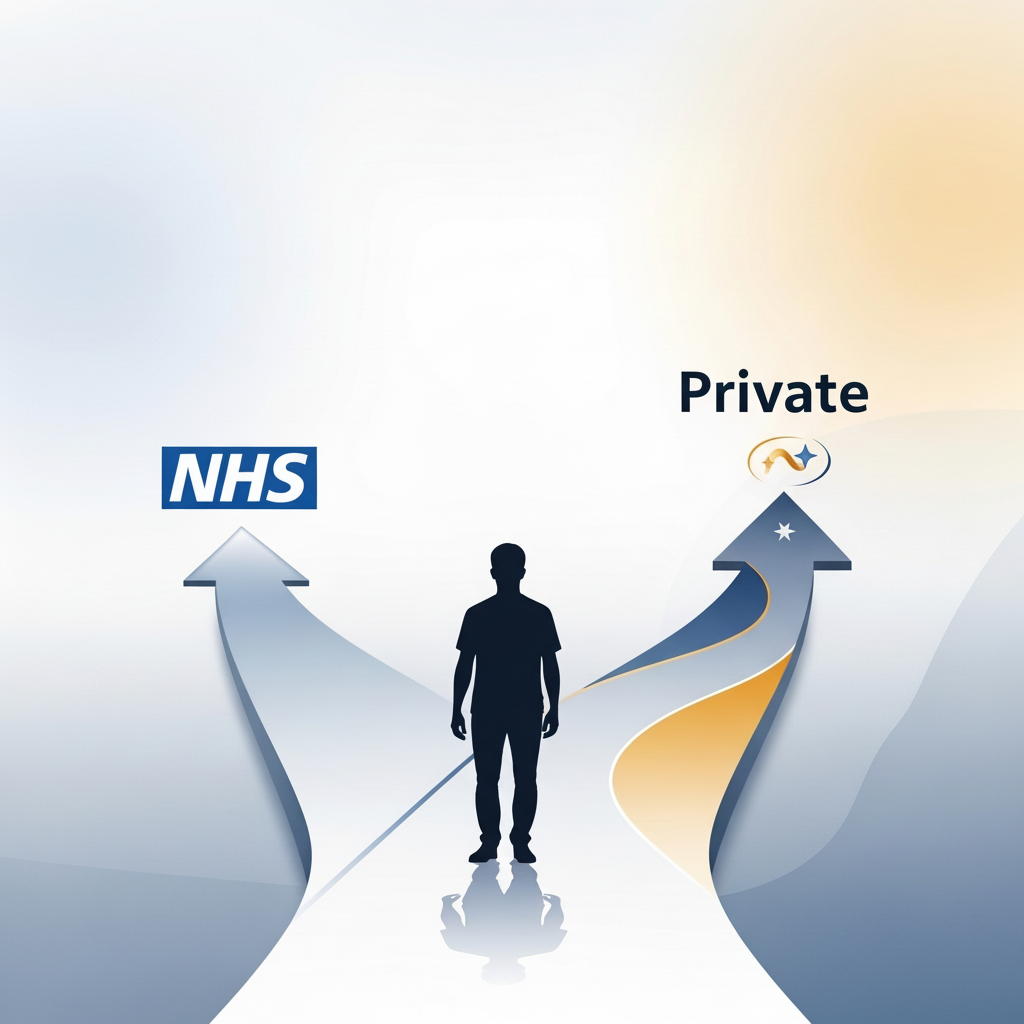
The decision between an NHS and a private dentist is a personal one. There is no universally “better” option; the right choice depends entirely on your individual circumstances and priorities.
If your primary concern is securing essential dental care at a minimal cost and you are not focused on cosmetic outcomes, the NHS is an excellent service. It provides a crucial safety net that ensures everyone can access the care needed to maintain basic oral health.
However, if your priorities include greater choice, faster access to treatment, a more personalised experience, and access to the latest cosmetic and restorative procedures, then private dentistry is the more suitable path. For those wanting to replace a missing tooth with a dental implant, straighten their smile as an adult, or achieve the best possible aesthetic result with veneers or crowns, the private sector is the only viable option. The higher cost is an investment in a higher level of service, choice of materials, and a focus on aesthetics alongside function.