Private Dentistry UK – Is It Worth the Cost?
Navigating the landscape of dental care in the United Kingdom can be a complex endeavor. With both the National Health Service (NHS) and private options available, many individuals find themselves weighing the benefits and drawbacks of each, often with the central question: “Is private dentistry in the UK truly worth the cost?” This detailed exploration aims to demystify private dental care, outlining its advantages, addressing common concerns about pricing, and providing a comprehensive overview to help you make an informed decision about your oral health investment.
Private Dentistry UK – Is It Worth the Cost?
Understanding Private Dentistry UK
The UK’s dental system comprises two main pillars: NHS dentistry and private dentistry. While the NHS aims to provide essential dental care to all, funded by general taxation, private dentistry operates independently, offering a broader spectrum of services, enhanced flexibility, and often a different patient experience. For many years, the NHS dental system has faced significant challenges, including lengthy waiting lists, difficulty securing appointments, and restrictions on the types of treatments available. This situation has increasingly driven patients to consider private alternatives, seeking more immediate access to care and a wider range of treatment options.
The Current State of UK Dental Care
Reports from various dental bodies and patient surveys consistently highlight issues within NHS dentistry. Many practices are not accepting new NHS patients, and those that do often have extensive waiting lists for routine check-ups or specific procedures. Furthermore, NHS treatment is primarily focused on maintaining dental health and providing clinically necessary procedures. Cosmetic treatments, advanced restorative work, or certain modern techniques may not be available or may be heavily restricted under the NHS framework. This context is crucial when evaluating the proposition of private dentistry, as it often fills the gaps left by the public system.
Defining Private Dental Care
Private dental care in the UK is characterized by direct payment for services rendered, rather than being government-subsidised like NHS care. This direct payment model allows private practices to invest in cutting-edge technology, use premium materials, dedicate more time to each patient, and offer an extensive range of treatments that extend beyond essential care. Patients typically have greater choice over their dentist, appointment times, and the specifics of their treatment plan. The focus shifts from merely treating immediate problems to comprehensive, long-term oral health planning, often incorporating aesthetic considerations and advanced preventative strategies.
The Distinct Advantages of Choosing Private Dentistry
Opting for private dental care presents several compelling advantages that often justify the higher financial investment for many patients. These benefits span accessibility, treatment scope, and the overall patient experience.
Enhanced Accessibility and Flexibility
One of the most immediate and tangible benefits of private dentistry is significantly improved access to appointments. Private clinics typically offer shorter waiting times, more flexible scheduling options, including early morning, late evening, and weekend appointments, which are often unavailable through the NHS. This flexibility is invaluable for busy professionals, parents, or anyone who struggles to take time off during standard working hours. The ability to see a dentist promptly for emergencies or routine check-ups can prevent minor issues from escalating into more serious and costly problems.
Comprehensive Treatment Options and Advanced Technology
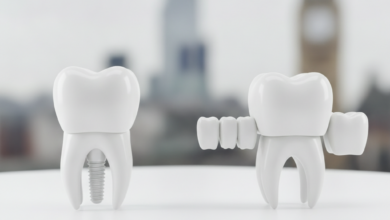
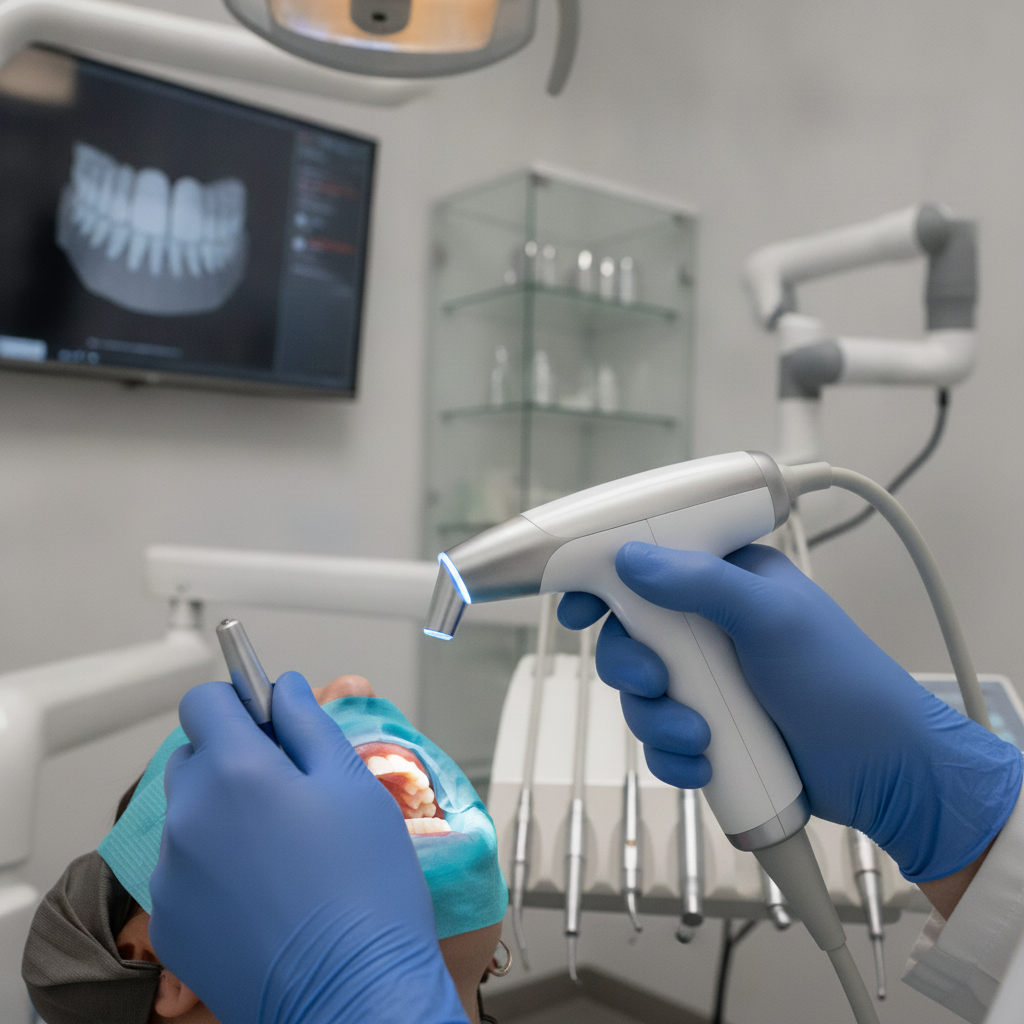
Private practices are not constrained by the same financial or bureaucratic limitations as NHS dentists. This freedom allows them to offer a much wider array of treatments, including advanced cosmetic procedures like porcelain veneers, teeth whitening, and invisible braces (orthodontics). They also commonly provide state-of-the-art restorative options such as dental implants for missing teeth, complex root canal treatments with specialist equipment, and high-quality crowns and bridges made from superior materials. Furthermore, private clinics are often at the forefront of dental technology, utilizing digital X-rays, intraoral cameras, 3D scanning, and laser dentistry, which can lead to more precise diagnoses, less invasive treatments, and quicker recovery times.
Personalised Patient Experience
In a private setting, the emphasis is heavily placed on the patient experience. Dentists in private practices often allocate more time for each consultation, allowing for thorough examinations, detailed discussions about treatment options, and ample opportunity for patients to ask questions and voice concerns. This extended interaction fosters a stronger patient-dentist relationship, built on trust and mutual understanding. The environment in private clinics is typically designed for comfort, featuring modern waiting areas, advanced amenities, and a generally more relaxed atmosphere. The focus is on providing bespoke care plans tailored to individual needs and preferences, ensuring patients feel heard, valued, and in control of their oral health journey.
Addressing the Investment: Understanding the Costs
The primary concern for many when considering private dentistry is, undoubtedly, the cost. While it is true that private treatments generally incur higher fees than NHS counterparts, understanding the factors that influence these costs and the long-term value they represent is essential.
Factors Influencing Private Dental Fees
- Quality of Materials: Private dentists often use premium-grade materials for fillings, crowns, and other restorations, which can offer superior aesthetics, durability, and longevity.
- Advanced Technology: The investment in cutting-edge equipment and diagnostic tools allows for more precise and effective treatments, but this technology has associated costs.
- Specialist Expertise: Many private practices employ specialists (e.g., periodontists, endodontists, oral surgeons) whose advanced training and experience are reflected in their fees.
- Time Allocation: Private appointments are typically longer, allowing the dental team to dedicate more time and attention to each patient, which is factored into the cost.
- Clinic Overhead: Maintaining a modern, comfortable, and well-equipped facility with highly trained staff contributes to operational costs.
Many private practices offer transparent pricing, detailed treatment plans, and various payment options, including interest-free credit or membership plans that can help spread the cost of routine care.
Beyond the Price Tag: The Value Proposition
While the initial outlay for private dentistry might seem higher, many consider it an investment in long-term health, confidence, and quality of life. The benefits often extend beyond immediate treatment:
- Longevity of Treatments: High-quality materials and meticulous procedures can result in restorations that last longer, potentially reducing the need for frequent replacements and associated costs in the future.
- Preventative Focus: Private care often emphasizes comprehensive preventative strategies, including advanced hygiene appointments and tailored advice, which can significantly reduce the incidence of future dental problems.
- Aesthetic Outcomes: For those seeking cosmetic improvements, private dentistry delivers results that can dramatically enhance self-confidence and overall well-being.
- Peace of Mind: Knowing you have prompt access to high-quality care, a consistent dental team, and a wide range of treatment options can provide significant peace of mind.
Private vs. NHS Dentistry: A Comparative Analysis
To help clarify the differences, here is a comparative overview of private and NHS dentistry in the UK:
| Feature | NHS Dentistry | Private Dentistry |
|---|---|---|
| Cost Model | Fixed band charges, subsidised by government | Variable fees per treatment, paid directly by patient |
| Accessibility | Often long waiting lists for appointments, difficulty registering as new patient | Easier to get appointments, shorter waiting times, flexible scheduling |
| Treatment Scope | Primarily clinically necessary treatments; limited cosmetic or advanced options | Full range of treatments including cosmetic, advanced restorative, and specialist procedures |
| Materials Used | Standard materials (e.g., amalgam fillings for back teeth) | Premium materials (e.g., white composite fillings, porcelain crowns) |
| Technology | Basic, functional equipment | Access to latest dental technology (lasers, 3D scanners, digital X-rays) |
| Time Per Patient | Often shorter appointment times due to volume demands | Longer appointments, allowing for more detailed discussion and care |
| Choice of Dentist | Limited choice, often assigned | Ability to choose and maintain the same dentist for continuity of care |
| Aesthetic Focus | Minimal, only if clinically necessary | Significant focus on aesthetics as part of overall treatment planning |
For a more in-depth comparison, exploring the nuances between the two systems can provide further clarity on how each aligns with individual needs and expectations. Understanding NHS vs. private dentist UK: what’s the difference? is crucial for making an informed choice about your dental care.
Making an Informed Choice for Your Dental Health
Deciding between private and NHS dentistry ultimately comes down to individual priorities, financial capacity, and specific dental needs. For those who prioritize immediate access to care, a wider range of treatment options, advanced technology, and a highly personalized experience, private dentistry often presents a compelling case. The perceived higher cost can be reframed as an investment in preventative health, long-lasting results, and enhanced quality of life.
When considering a private dental practice, it is advisable to:
- Research: Look for practices with good reviews, qualified dentists, and a clear philosophy of care.
- Consult: Schedule an initial consultation to discuss your needs, assess the clinic environment, and meet the dental team.
- Understand Pricing: Request a detailed treatment plan with a clear breakdown of costs and discuss payment options.
- Check Qualifications: Ensure dentists are registered with the General Dental Council (GDC) and have appropriate qualifications and experience for the treatments you require.

The landscape of dentistry in the United Kingdom continues to evolve, with private options playing an increasingly vital role in providing comprehensive and accessible care. For many, the value derived from high-quality, patient-centric dental services outweighs the direct financial cost, making private dentistry a worthwhile investment in their overall health and well-being.