Is NHS Dentistry Still Worth It in 2026?
For a detailed breakdown of the differences between these two systems, you might find this resource helpful: NHS vs. Private Dentist UK: What’s the Difference?
Is NHS Dentistry Still Worth It in 2026?
The landscape of dental care in the UK is constantly evolving, and for many, the question of whether NHS dentistry still offers sufficient value remains a significant concern, especially as we look towards 2026. With increasing demand, practitioner shortages, and ongoing debates about funding, understanding the current state and future trajectory of NHS dental services is crucial for anyone seeking oral health care. This comprehensive guide will delve into the intricacies of NHS dentistry, compare it with private alternatives, and help you determine its worth in the coming years.
Understanding NHS Dentistry in 2026
NHS dentistry operates on the principle of providing essential dental treatment to maintain oral health. It is not designed to be a free service, but rather heavily subsidised by the government. Patients pay a contribution based on treatment bands, which cover a range of procedures from examinations to more complex work like dentures or crowns. By 2026, it’s anticipated that the core structure of these bands will largely remain, though inflationary pressures and increasing operational costs may lead to further adjustments in patient charges.
The focus of NHS dentistry is primarily on clinical need. This means treatments are provided to keep your mouth, teeth, and gums healthy and free from pain. Cosmetic procedures, or treatments that are considered purely aesthetic, are generally not available on the NHS. This fundamental distinction is key to evaluating its worth, as patient expectations for dental care often extend beyond mere functionality.
The Benefits and Limitations of NHS Dental Care
One of the most undeniable benefits of NHS dentistry is its affordability. For many individuals and families, the fixed band charges make dental care accessible, especially for routine check-ups and necessary emergency treatments. Without the NHS, a significant portion of the population might struggle to afford even basic dental services, leading to widespread oral health issues. Band 1 covers examinations, x-rays, and scaling; Band 2 includes fillings, root canal treatment, and extractions; and Band 3 covers more complex procedures such as crowns, bridges, and dentures. This structured approach provides a clear financial framework for patients.
However, the limitations of NHS dentistry have become increasingly prominent, raising questions about its long-term viability and patient satisfaction. A primary concern is appointment availability. Long waiting lists for routine appointments, and even for urgent care, are a common complaint across the UK. Many NHS practices are operating at capacity or have closed their books to new NHS patients altogether, making it challenging to even register with a local dentist. This scarcity can lead to delays in treatment, potentially exacerbating minor issues into more severe problems requiring more invasive and costly interventions.
Another significant limitation is the scope of treatment. As mentioned, the emphasis is on clinical necessity. This means that while a decayed tooth will be filled, the type of filling material might be limited, and cosmetic options like white fillings on back teeth might not be available unless there’s a clinical reason. Orthodontic treatment, veneers, and extensive smile makeovers are typically not offered on the NHS unless they meet strict criteria for severe malocclusion affecting function and health. This can be frustrating for patients who desire a more aesthetically pleasing outcome alongside functional restoration.
Private Dentistry as a Comprehensive Alternative
In stark contrast to the often restrictive nature of NHS dentistry, private dental care offers a broad spectrum of services, enhanced patient experience, and greater flexibility. Private practices are not bound by the same funding or treatment scope limitations, allowing them to provide a truly patient-centric approach.
The range of services in private dentistry is far more extensive, encompassing advanced cosmetic treatments like veneers and teeth whitening, complex restorative procedures using cutting-edge materials, and specialist services such as dental implants, intricate root canal treatments, and advanced periodontology. Private dentists often invest in the latest technology, including digital scanning, 3D imaging, and laser dentistry, which can lead to more precise diagnoses, less invasive treatments, and improved patient comfort and outcomes.
Waiting times are significantly shorter in private practices, allowing patients to schedule appointments at their convenience and receive prompt treatment. This can be crucial for addressing urgent issues or for those with busy schedules who cannot afford lengthy delays. Furthermore, private patients often benefit from more extended appointment times, allowing for more in-depth consultations, thorough explanations of treatment options, and a more relaxed environment.
Is NHS Dentistry Still Worth It in 2026?
The answer to whether NHS dentistry is still worth it in 2026 is highly personal and depends heavily on individual circumstances, priorities, and oral health needs.
For individuals who primarily require basic preventative care, routine check-ups, and essential treatments without cosmetic concerns, NHS dentistry can still be a valuable and affordable option, *provided they can secure an appointment*. The fixed charges offer financial predictability, and for many, this accessible care is a lifeline. If your main goal is to maintain basic oral health without significant financial outlay, and you are prepared for potential waiting times, the NHS can still serve its purpose.
However, for those seeking a more comprehensive approach to dental health, including cosmetic enhancements, access to specialist treatments, shorter waiting times, and a greater choice of materials and technologies, private dentistry unequivocally offers a superior experience. Patients who prioritize aesthetics, comfort, speed of treatment, and a wider range of options will likely find that the investment in private care yields better outcomes and greater satisfaction.
The escalating challenges within NHS dentistry—appointment scarcity, limited treatment choices, and declining dentist numbers—are pushing more patients towards private options. This trend is likely to continue into 2026, making the choice between NHS and private even more critical. Many patients also explore dental care options abroad, where high-quality private treatments like those offered at Implant Turkey can be significantly more affordable than comparable private care in the UK.
Making an Informed Decision: NHS vs. Private in 2026
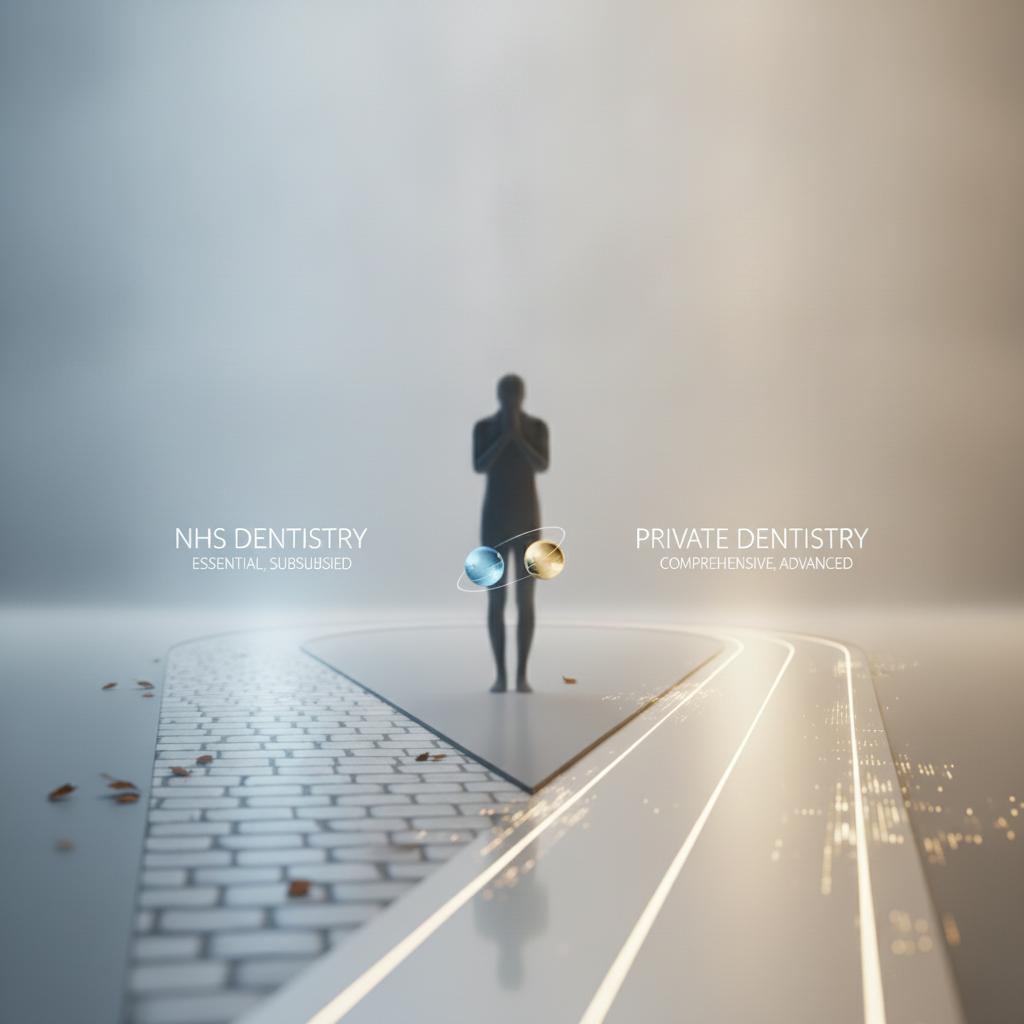
To aid in your decision-making process, consider the following comparison:
| Feature | NHS Dentistry (UK) | Private Dentistry (UK & Abroad) |
|---|---|---|
| Cost Structure | Fixed band charges, highly subsidised. | Fees set by individual practices, generally higher, but transparent. |
| Treatment Scope | Essential treatments based on clinical need (e.g., fillings, extractions, basic crowns). | Comprehensive range, including cosmetic (veneers, whitening), specialist (implants, orthodontics), and advanced restorative. |
| Appointment Availability | Significant waiting lists, difficulty registering with new practices. | Shorter waiting times, flexible scheduling, easier access to appointments. |
| Material & Technology | Standard materials, technology may vary. | Premium materials, latest technology (e.g., digital scanning, advanced imaging). |
| Patient Choice | Limited choice of dentist, treatment options dictated by clinical need. | High degree of choice in dentist, materials, and personalised treatment plans. |
| Time Per Appointment | Often shorter, focused on efficiency. | Longer appointments, allowing for detailed consultations and comfortable pace. |
| Aesthetic Focus | Minimal to none, unless clinically necessary. | Strong emphasis on aesthetics and smile design. |
Factors to consider when making your choice include:
* **Your Current Oral Health:** If you have complex needs, multiple missing teeth, or require extensive cosmetic work, private dentistry offers solutions often unavailable on the NHS.
* **Budget:** While private dentistry has higher upfront costs, consider the long-term value, quality of materials, and comprehensive care. Some private clinics offer payment plans.
* **Time Constraints:** If quick treatment and flexible appointments are crucial, private care is likely more suitable.
* **Aesthetic Goals:** If you desire a smile makeover or specific cosmetic improvements, private dentistry is the only route.
* **Access to NHS:** Can you even find an NHS dentist accepting new patients in your area? This practical hurdle is often the first and most challenging.
Ultimately, for basic, urgent care, the NHS can still be a valuable resource, assuming you can access it. However, for proactive, comprehensive, and aesthetically focused dental care with greater choice and reduced waiting times, private dentistry, whether in the UK or internationally, consistently provides a more complete and satisfying experience.
The Future of Dental Care and Your Options
As we move into 2026, the pressures on NHS dentistry are unlikely to subside significantly without substantial systemic changes. Patients will continue to navigate a system under strain, making the decision between public and private care increasingly important. The rise of private dental plans, dental insurance, and even dental tourism reflects a growing desire among patients for greater control over their oral health outcomes and access to higher standards of care.
For many, the “worth” of NHS dentistry will diminish as its accessibility and scope of services continue to be challenged. It forces individuals to weigh the immediate cost savings against the potential for delayed treatment, limited options, and a less personalised experience. Understanding these trade-offs is paramount.
The choice between NHS and private dentistry in 2026 is less about a definitive “yes” or “no” to its worth, and more about aligning your personal needs, expectations, and financial capacity with the realities of the available dental care systems. Prioritise what matters most to you: immediate cost savings, comprehensive care, aesthetic results, or timely access, and make your decision accordingly.
For further information on the structure and funding of NHS dental services, you may consult sources like Wikipedia’s entry on NHS dentistry.