What to Know Before Getting Veneers
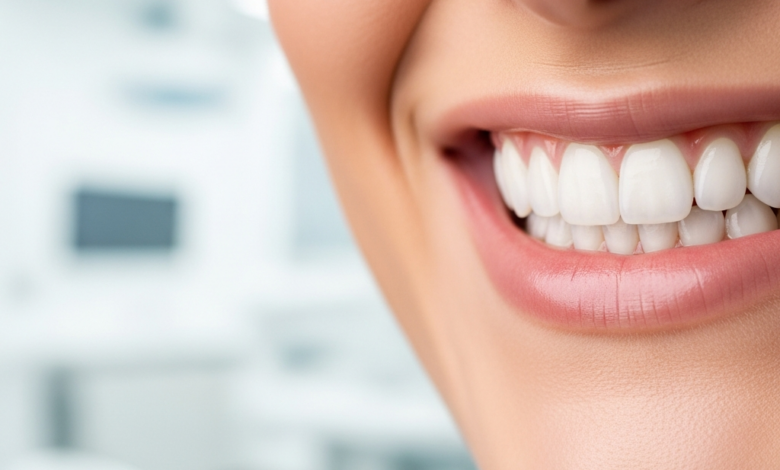
Veneers are primarily used to fix a variety of visual imperfections. Candidates often seek treatment for:
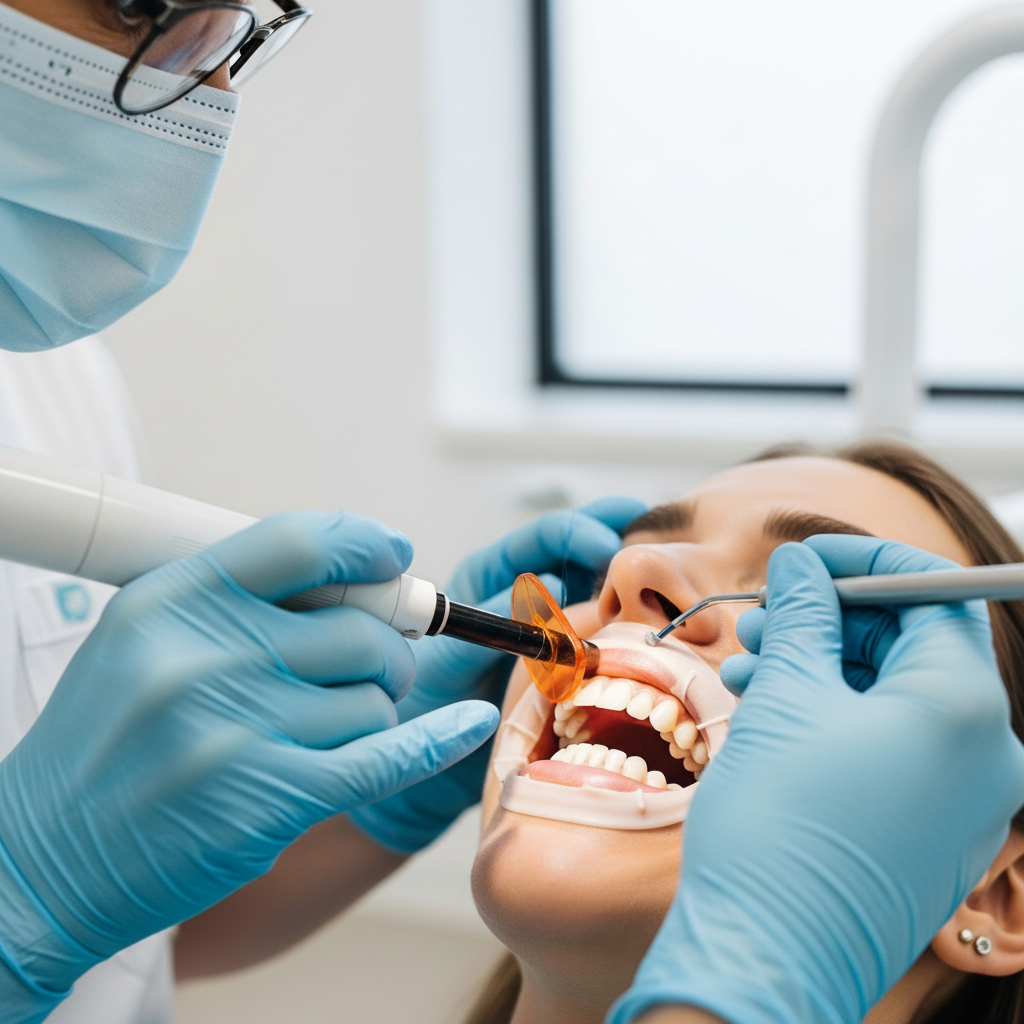
What to Know Before Getting Veneers, a popular cosmetic dentistry procedure, involves bonding thin, custom-made shells to the front surface of your teeth to improve their appearance. These shells are crafted from materials like porcelain or composite resin and are designed to mimic the look of natural teeth while correcting a wide range of dental imperfections. For individuals seeking a dramatic smile transformation with a minimally invasive approach, veneers present a powerful and effective solution. They offer a way to permanently alter the colour, shape, size, or length of teeth, creating a harmonious and aesthetically pleasing smile that can significantly boost confidence. The journey to achieving this ideal smile is a detailed process that requires careful planning, expert execution, and a clear understanding of the commitment involved. From the initial consultation to the final bonding and long-term care, each step is crucial for ensuring a successful and lasting outcome.
Who is an Ideal Candidate for Dental Veneers?
Dental veneers are a versatile solution, but they are not suitable for everyone. A successful veneer treatment begins with determining a patient’s candidacy, which depends on both their cosmetic goals and their underlying oral health. The ideal candidate is someone looking to address specific aesthetic concerns who also possesses a healthy foundation for the procedure.
Cosmetic Issues Corrected by Veneers
- Severe Discoloration: For stains that do not respond to traditional teeth whitening, such as those caused by tetracycline antibiotics, excessive fluoride, or trauma to a tooth, veneers can provide a permanently white and bright smile.
- Chipped or Broken Teeth: Minor to moderate chips and fractures can be seamlessly concealed with veneers, restoring the tooth’s original shape and integrity.
- Gaps and Spacing: Veneers can be custom-shaped to close small gaps (diastemas) between teeth, creating a more uniform and even smile without the need for orthodontics.
- Minor Misalignment: For slightly crooked or rotated teeth, veneers are sometimes referred to as “instant orthodontics.” They can create the illusion of a perfectly straight smile by covering the misaligned tooth surface.
- Irregularly Shaped or Sized Teeth: Teeth that are naturally too small, pointed, or have an uneven shape can be reshaped with veneers to create a more balanced and harmonious appearance.
- Worn Enamel: Over time, tooth enamel can wear down due to acid erosion or grinding. Veneers can protect the tooth from further damage while restoring its youthful appearance.
Essential Oral Health Requirements
Beyond cosmetic desires, a candidate must have good oral health. The underlying tooth and gum structure must be strong enough to support the veneer. Key requirements include:
- Healthy Gums: Patients must be free from active gum disease, such as gingivitis or periodontitis. Inflamed or receding gums can compromise the fit and appearance of the veneers. Any gum issues must be fully treated before beginning the veneer process.
- Sufficient Tooth Enamel: The veneer procedure requires the removal of a thin layer of enamel to ensure a strong bond and a natural look. A candidate must have an adequate amount of healthy enamel for this process.
- Good Overall Oral Hygiene: A commitment to excellent brushing and flossing habits is essential. While veneers themselves are resistant to decay, the underlying tooth is still vulnerable, particularly at the margins where the veneer meets the tooth.
- No Active Bruxism (Teeth Grinding): Severe teeth grinding or clenching can put excessive pressure on veneers, leading to chipping or dislodging. Patients who grind their teeth may need to address this issue or commit to wearing a protective nightguard.
Types of Dental Veneers: A Detailed Comparison
The two most common materials used for dental veneers are porcelain and composite resin. Each has distinct properties, benefits, and procedural differences. The choice between them depends on the patient’s goals, budget, and the dentist’s recommendation. Understanding these differences is a key part of making an informed decision.
Porcelain Veneers
Porcelain veneers are the gold standard in cosmetic dentistry. They are custom-fabricated in a dental laboratory from a strong, durable ceramic material. Their primary advantage is their superior aesthetics. Porcelain has a translucent quality that closely mimics the way natural tooth enamel reflects light, resulting in an incredibly natural-looking smile. They are also highly resistant to staining from coffee, tea, and red wine, ensuring the smile stays bright for years. The process typically requires two appointments: one for tooth preparation and taking impressions, and a second for bonding the final restorations.
Composite Resin Veneers
Composite resin veneers are made from a tooth-coloured filling material that is applied directly to the tooth and sculpted into the desired shape by the dentist. This is often called “dental bonding.” The main advantage of composite veneers is that they can usually be completed in a single visit, making them a faster and often more affordable option. While modern composites offer good aesthetics, they are generally less durable and more porous than porcelain, making them more susceptible to staining and chipping over time. They may require more frequent maintenance or polishing to maintain their appearance.
| Feature | Porcelain Veneers | Composite Resin Veneers |
|---|---|---|
| Material | Medical-grade ceramic (porcelain) | Engineered tooth-coloured resin |
| Aesthetics | Superior, light-reflecting properties mimic natural enamel perfectly. | Very good aesthetics, but can look less natural and more opaque than porcelain. |
| Stain Resistance | Highly resistant to staining due to the non-porous surface. | Porous material, more susceptible to staining over time. |
| Durability & Longevity | Extremely durable. Can last 10-15 years or more with proper care. | Less durable. Typically lasts 5-7 years before needing repair or replacement. |
| Procedure Time | Requires at least two visits over a couple of weeks (prep and placement). | Can typically be completed in a single dental visit. |
| Tooth Preparation | Requires removal of a thin layer of enamel (approx. 0.5 mm). Irreversible. | Requires minimal to no enamel removal, making it a more conservative option. |
The Step-by-Step Process of Getting Veneers
The journey to a new smile with veneers is a meticulous and multi-stage process. Each step is carefully planned and executed to ensure the final result is both beautiful and functional. Understanding this process can help set clear expectations for patients.
Step 1: The Initial Consultation and Smile Design
This first appointment is arguably the most important. It is a comprehensive discussion where you and your dentist will establish your aesthetic goals. You will discuss the specific aspects of your smile you wish to change—be it colour, shape, or alignment. The dentist will conduct a thorough examination of your teeth and gums to confirm your candidacy, which may include taking X-rays and photographs. They will explain the different veneer options and help you choose the best material for your needs. This is also when the “smile design” process begins, where the dentist plans the ideal shape, size, and shade of your future veneers to complement your facial features.
Step 2: Tooth Preparation
Once a treatment plan is agreed upon, the tooth preparation appointment is scheduled. For porcelain veneers, this step is crucial for achieving a seamless fit. The dentist will administer a local anaesthetic to ensure your comfort. Then, a very small amount of tooth enamel—typically less than a millimetre—is carefully removed from the front and sides of the teeth that will receive veneers. This reshaping creates space for the veneer to be placed without looking bulky and ensures it sits flush with your gum line. The amount of enamel removed is equivalent to the thickness of the veneer itself.
Step 3: Impressions and Temporary Veneers
After the teeth are prepared, the dentist will take a precise impression, or mould, of your teeth. This impression is sent to a specialized dental laboratory where skilled technicians will fabricate your custom porcelain veneers. This process can take one to two weeks. In the meantime, the dentist will place temporary veneers on your prepared teeth. These temporaries protect the exposed dentin, reduce sensitivity, and provide an aesthetic appearance while you wait for your permanent restorations.
Step 4: The Final Bonding Appointment
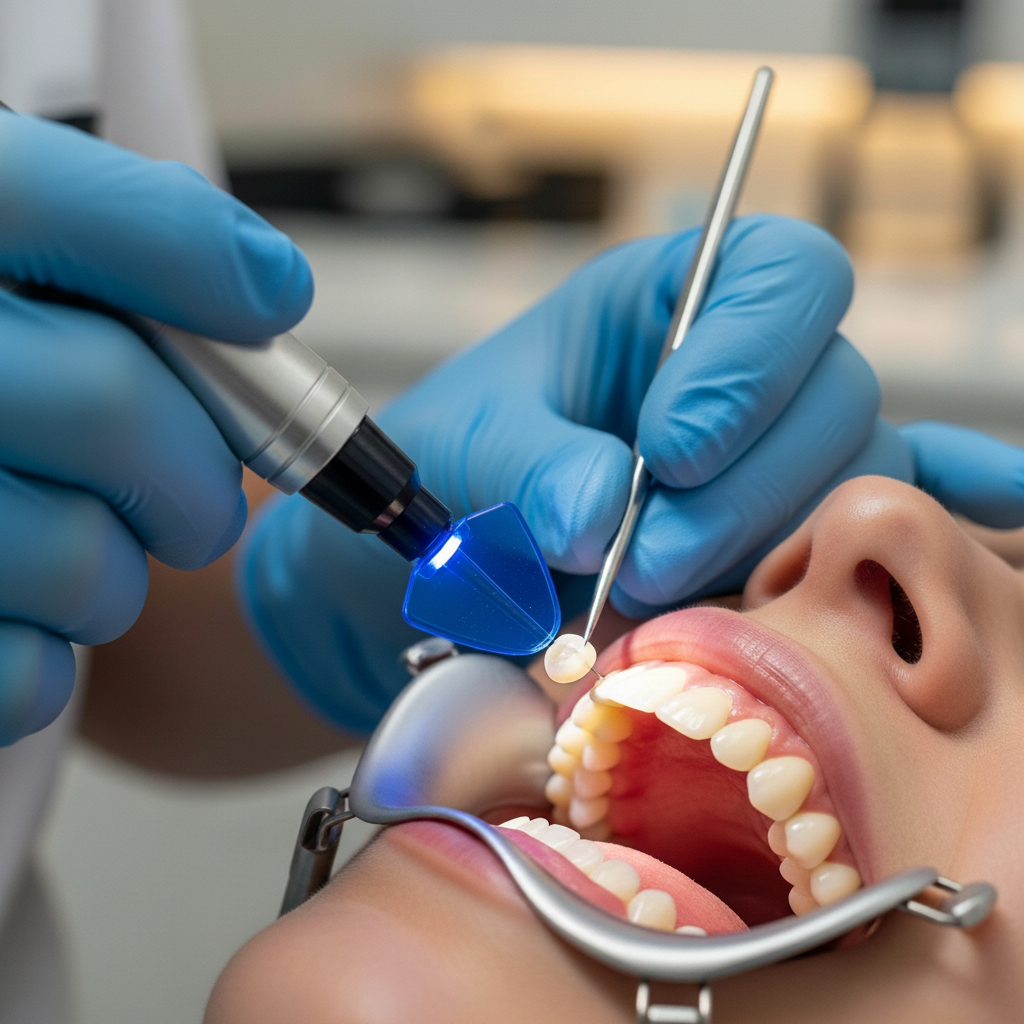
When your custom veneers are ready, you will return for the final placement. The dentist will remove the temporary veneers and clean your teeth thoroughly. The permanent veneers will be placed on your teeth without adhesive to check their fit, colour, and shape. This is a critical checkpoint to ensure you are completely satisfied with the appearance. Once you and your dentist approve the look, the teeth are prepared for bonding. The tooth surface is etched with a mild acid to create a rough texture for a strong bond. A special dental cement is applied to the veneer, which is then carefully placed on the tooth. A high-intensity curing light is used to harden the cement, permanently bonding the veneer to your tooth. Any excess cement is removed, and your bite is checked to ensure proper function. To learn more about this part of the journey, you can read about what to expect during veneer treatment.
Aftercare and Maintaining Your New Smile
While porcelain veneers are incredibly strong, their longevity depends heavily on proper care and maintenance. Adopting excellent oral hygiene habits and making minor lifestyle adjustments will protect your investment and keep your smile looking its best for many years.
A consistent oral hygiene routine is non-negotiable. This includes brushing at least twice a day with a soft-bristled toothbrush and a non-abrasive toothpaste to avoid scratching the surface of the veneers. Flossing daily is also essential to remove plaque from between the teeth and along the gumline where the natural tooth is still exposed. Regular dental check-ups and professional cleanings every six months are vital for monitoring the health of your veneers and underlying teeth. Although veneers are highly stain-resistant, it is wise to be mindful of consuming staining agents like coffee, red wine, and tobacco. Most importantly, avoid using your teeth as tools to open packages or biting down on extremely hard objects like ice, hard candy, or bones, as this can cause the porcelain to chip or fracture. If you have a habit of clenching or grinding your teeth (bruxism), your dentist will strongly recommend a custom-fitted nightguard to protect your veneers from excessive force while you sleep. Research has shown that with proper care, the survival rate of porcelain veneers is remarkably high, often exceeding 90% over a 10-year period, as documented in clinical studies. For more details on the longevity and performance of ceramic veneers, numerous studies are available, such as those found on platforms like The National Center for Biotechnology Information (NCBI).