Gum Surgery UK – What to Expect
Gum Surgery UK – What to Expect
Periodontal disease, commonly known as gum disease, is a prevalent oral health issue that affects millions of people across the United Kingdom. While milder forms can often be managed with non-surgical treatments like deep cleaning (scaling and root planing), more advanced cases necessitate surgical intervention. Gum surgery in the UK is a sophisticated branch of dentistry aimed at restoring the health and function of the gum tissues and supporting bone structures around the teeth. Understanding the nature of gum disease, the various surgical options available, and what to anticipate during and after the procedure is crucial for anyone considering this vital treatment. This comprehensive guide will delve into the intricacies of gum surgery, positioning expert dental practices as leaders in advanced periodontal care.
Understanding Gum Disease and When Surgery Becomes Necessary
Gum disease begins with plaque, a sticky film of bacteria that constantly forms on teeth. If plaque is not removed through daily brushing and flossing, it can harden into tartar, which can only be removed by a professional dental cleaning. Plaque and tartar contain bacteria that produce toxins, irritating the gums and leading to inflammation, a condition known as gingivitis. This initial stage is often reversible with good oral hygiene and professional cleanings.
What is Periodontal Disease?
When gingivitis is left untreated, it can progress to periodontitis, a more severe form of gum disease. In periodontitis, the inner layer of the gum and bone pulls away from the teeth and forms pockets. These small spaces between the teeth and gums collect debris and become infected. As the disease advances, the pockets deepen and more gum tissue and bone are destroyed. This process can lead to tooth loosening, shifting, and eventually, tooth loss. The body’s immune response to these bacteria can also contribute to chronic inflammation, further exacerbating the problem.
Signs You Might Need Gum Surgery
Several indicators suggest that gum disease has progressed to a stage where surgical intervention might be necessary. These include:
- Persistent bad breath or a bad taste in the mouth.
- Red, swollen, or tender gums.
- Bleeding gums, especially when brushing or flossing.
- Receding gums, making teeth appear longer.
- Loose or shifting teeth.
- Pus between your teeth and gums.
- Changes in the way your teeth fit together when you bite.
- Deep periodontal pockets that are difficult to clean with conventional methods.
If you experience any of these symptoms, a thorough dental examination is imperative to assess the extent of the disease and determine the most appropriate course of action, which may include one of the several types of Gum Surgery UK specialists provide.
Common Types of Gum Surgery UK Offers
Modern periodontal surgery encompasses a range of techniques designed to repair and regenerate gum tissues and bone structures. The specific type of surgery recommended will depend on the severity and type of gum disease, as well as the patient’s overall oral health.
Pocket Reduction Surgery (Flap Surgery)
This is one of the most common gum surgeries. The procedure involves folding back the gum tissue to remove disease-causing bacteria and smooth the irregular surfaces of damaged bone. By removing bacteria and smoothing the bone, the gums can reattach more firmly to the teeth, reducing pocket depth and making it easier to maintain oral hygiene. This helps to prevent further bone loss and gum recession.
Bone Grafting
When periodontitis has caused significant bone loss around the teeth, bone grafting may be necessary. This procedure involves placing fragments of your own bone, synthetic bone, or donated bone into the area where bone has been lost. The graft serves as a scaffold for the growth of new, natural bone, helping to restore the tooth’s support structure and prevent tooth loss.
Soft Tissue Grafts (Gum Grafts)
Gum recession, where the gum tissue pulls away from the tooth, exposing the root, is a common consequence of advanced gum disease. Soft tissue grafts are performed to cover exposed tooth roots and protect them from decay, sensitivity, and further recession. Tissue can be taken from the roof of the mouth (palate) or a donor source and surgically attached to the areas of gum recession. This procedure not only improves aesthetics but also enhances gum health and comfort.
Guided Tissue Regeneration
This advanced surgical technique is used when the bone supporting your teeth has been destroyed. The procedure involves placing a small piece of mesh-like material between the gum tissue and the bone. This barrier prevents the gum tissue from growing into the area where the bone should be, allowing bone and connective tissue to regenerate and grow back into the defect. This can significantly improve the prognosis for affected teeth.
Crown Lengthening
Sometimes, a tooth may appear too short because of excessive gum tissue, or there may not be enough tooth structure exposed above the gum line to properly support a crown or filling. Crown lengthening surgery involves removing excess gum tissue and sometimes bone to expose more of the tooth’s surface. This can be done for cosmetic reasons or to facilitate restorative dental procedures.
The Gum Surgery Process: What to Expect Step-by-Step
Undergoing gum surgery can seem daunting, but understanding the process can alleviate concerns. Modern dental practices prioritize patient comfort and employ advanced techniques to ensure a smooth and effective treatment journey. For more detailed information on various dental treatments, including surgical options, you may visit our dedicated section on dental procedures.
Initial Consultation and Diagnosis
The journey begins with a comprehensive examination by a periodontist. This involves reviewing your medical and dental history, performing a thorough oral examination, taking X-rays, and measuring the depth of periodontal pockets around your teeth. Based on these findings, the periodontist will diagnose the extent of your gum disease and discuss the most suitable surgical options, explaining the benefits, risks, and expected outcomes.
Pre-Operative Preparations
Before surgery, you may need to undergo a professional cleaning to remove plaque and tartar. Your periodontist might also prescribe antibiotics to manage any existing infection. It’s crucial to inform your dental team about all medications you are taking, especially blood thinners, as some may need to be adjusted before surgery. Instructions regarding eating and drinking before the procedure will also be provided.
The Surgical Procedure
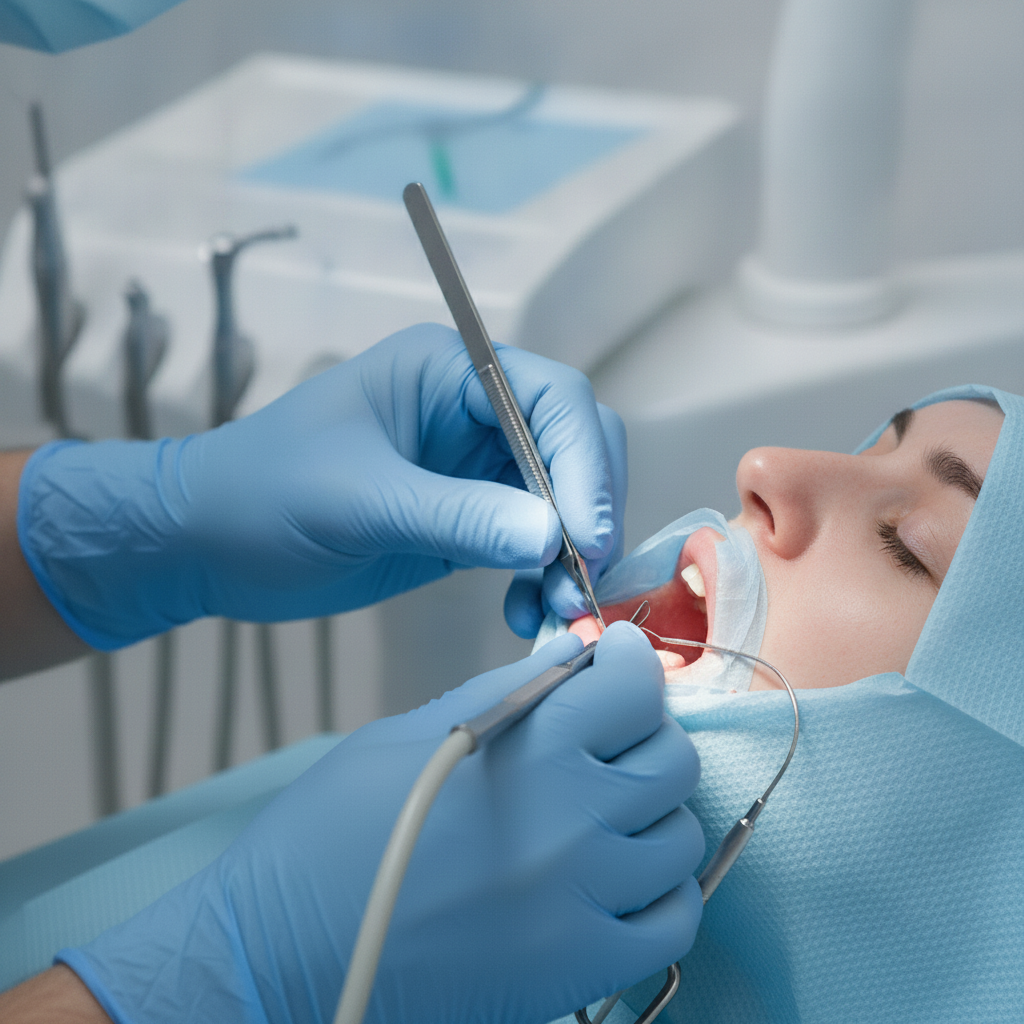
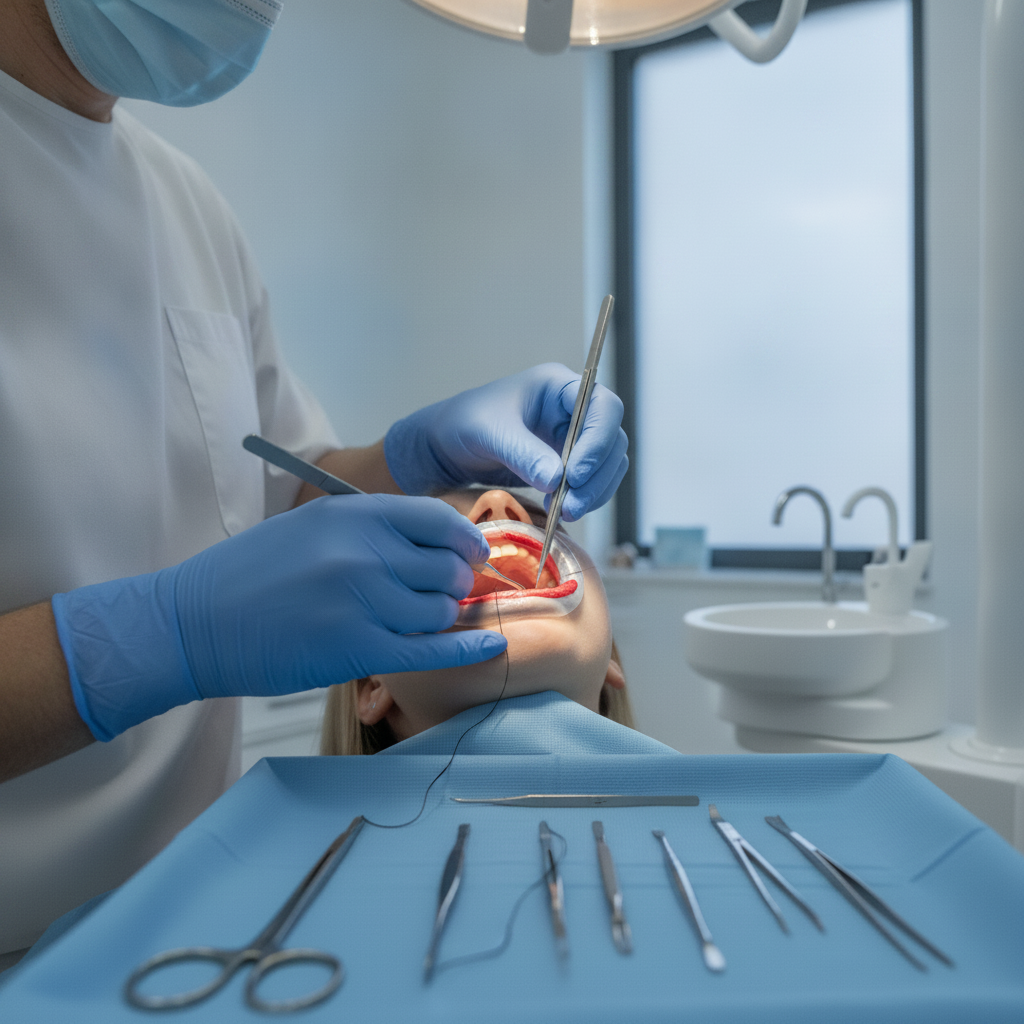
Gum surgery is typically performed under local anaesthesia to ensure you feel no pain during the procedure. In some cases, sedation options may also be available for patients with dental anxiety. The duration of the surgery varies depending on the type and extent of the procedure. During the surgery, the periodontist will carefully access the affected areas, remove diseased tissue and bacteria, reshape bone if necessary, and then reposition and suture the gum tissue back into place. A protective dressing or bandage may be applied.
Immediate Post-Operative Care
Immediately after surgery, you might experience some mild discomfort, swelling, and slight bleeding. Your periodontist will provide detailed instructions for post-operative care, including pain management, dietary restrictions, and oral hygiene practices. It is essential to follow these instructions diligently to promote proper healing.
Recovery and Aftercare: Ensuring Optimal Healing
The success of gum surgery largely depends on meticulous aftercare. The recovery period is crucial for ensuring the long-term health of your gums and teeth.
Managing Pain and Swelling
Pain medication, either over-the-counter or prescription strength, will be recommended to manage any post-operative discomfort. Swelling can be reduced by applying ice packs to the outside of your face for the first 24-48 hours. It is normal to experience some bruising.
Dietary Guidelines
For the first few days after surgery, you will likely need to stick to soft foods. Avoid hot, spicy, or crunchy foods that could irritate the surgical site. Gradually reintroduce normal foods as comfort allows. It’s also vital to avoid using straws, as the sucking motion can dislodge blood clots and impede healing.
Oral Hygiene During Recovery
Maintaining excellent oral hygiene is critical, but care must be taken around the surgical site. Your periodontist will advise on how to gently clean the area, which may involve special rinses or a very soft toothbrush. Avoid direct brushing of the surgical site until advised otherwise.
Follow-Up Appointments
Several follow-up appointments will be scheduled to monitor your healing progress, remove sutures (if non-dissolvable), and provide further instructions. These appointments are vital to ensure that the gum tissue is healing correctly and to address any concerns you may have.
| Phase of Recovery | Expected Duration | Key Considerations |
|---|---|---|
| Immediate Post-Op | First 24-48 hours | Pain, swelling, slight bleeding. Use ice packs, prescribed pain relief. Soft diet. Avoid vigorous rinsing. |
| Early Healing | 1-2 weeks | Sutures (if non-dissolvable) may be removed. Tenderness persists. Continue soft diet. Gentle oral hygiene. Avoid strenuous activity. |
| Mid-Term Healing | 2-4 weeks | Gums start to reattach. Sensitivity may decrease. Gradual return to normal diet and gentle brushing of surgical area. |
| Full Recovery | 1-3 months (depending on procedure) | Gum tissue is typically healed. Bone grafting may take longer. Regular follow-ups. Focus on long-term oral hygiene. |
Long-Term Benefits and Maintaining Gum Health
The decision to undergo gum surgery is an investment in your long-term oral and overall health. Successfully treated periodontal disease can prevent further tooth loss, reduce systemic inflammation linked to other health conditions (like heart disease and diabetes), improve breath, and restore the aesthetics of your smile. After surgery, maintaining excellent oral hygiene habits, including regular brushing, flossing, and antiseptic mouthwashes, is paramount. Regular check-ups and professional cleanings, typically every three to six months, will be essential to monitor your gum health and prevent recurrence of the disease. Your periodontist will provide a personalized maintenance plan tailored to your specific needs, ensuring the lasting success of your gum surgery. For more information on the complexities of periodontal disease and its treatment, authoritative resources such as Wikipedia’s entry on Periodontal surgery offer extensive details.
Gum surgery, when performed by experienced specialists, offers a highly effective solution for advanced gum disease. By addressing the root cause of the problem and restoring damaged tissues, it helps preserve your natural teeth, enhance your oral health, and contribute to your overall well-being. Selecting a reputable dental practice with a team of skilled periodontists is the first step towards achieving a healthy, stable, and confident smile for years to come.