Teeth Whitening UK – How It Works
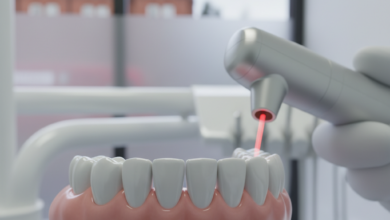
1. In-Clinic Professional Whitening: This is the fastest and most effective method, typically performed in a dental office. High-concentration peroxide gels (often hydrogen peroxide) are applied to the teeth. The process usually involves protecting the gums and soft tissues with a barrier before applying the whitening agent. In many cases, a special light or laser is used to accelerate the chemical reaction, allowing for dramatic results in a single 1-2 hour session. This method provides immediate, noticeable improvements and is ideal for those seeking quick, significant changes.
Teeth Whitening UK – How It Works
Achieving a radiant, confident smile is a universal desire, and in the UK, professional teeth whitening has become an incredibly popular and effective solution for combating discolouration and stains. Over time, factors such as diet, lifestyle habits, and even the natural ageing process can diminish the brilliance of our teeth, leaving them looking dull or yellowed. Modern dental science offers advanced techniques to safely and significantly brighten your smile, transforming its appearance and boosting your self-esteem. This comprehensive guide will delve into the intricacies of professional teeth whitening, explaining the science, processes, and benefits that make it a leading cosmetic dental procedure.
What is Teeth Whitening and How Does It Work?
Teeth whitening, also known as dental bleaching, is a cosmetic procedure designed to lighten the natural colour of your teeth without removing any of the tooth surface. It’s a powerful method to address both extrinsic stains (those on the surface, caused by food, drinks, and tobacco) and intrinsic stains (those within the tooth structure, often due to medication, trauma, or genetics). The core of professional teeth whitening relies on the use of active bleaching agents, typically hydrogen peroxide or carbamide peroxide.
The Science Behind a Brighter Smile
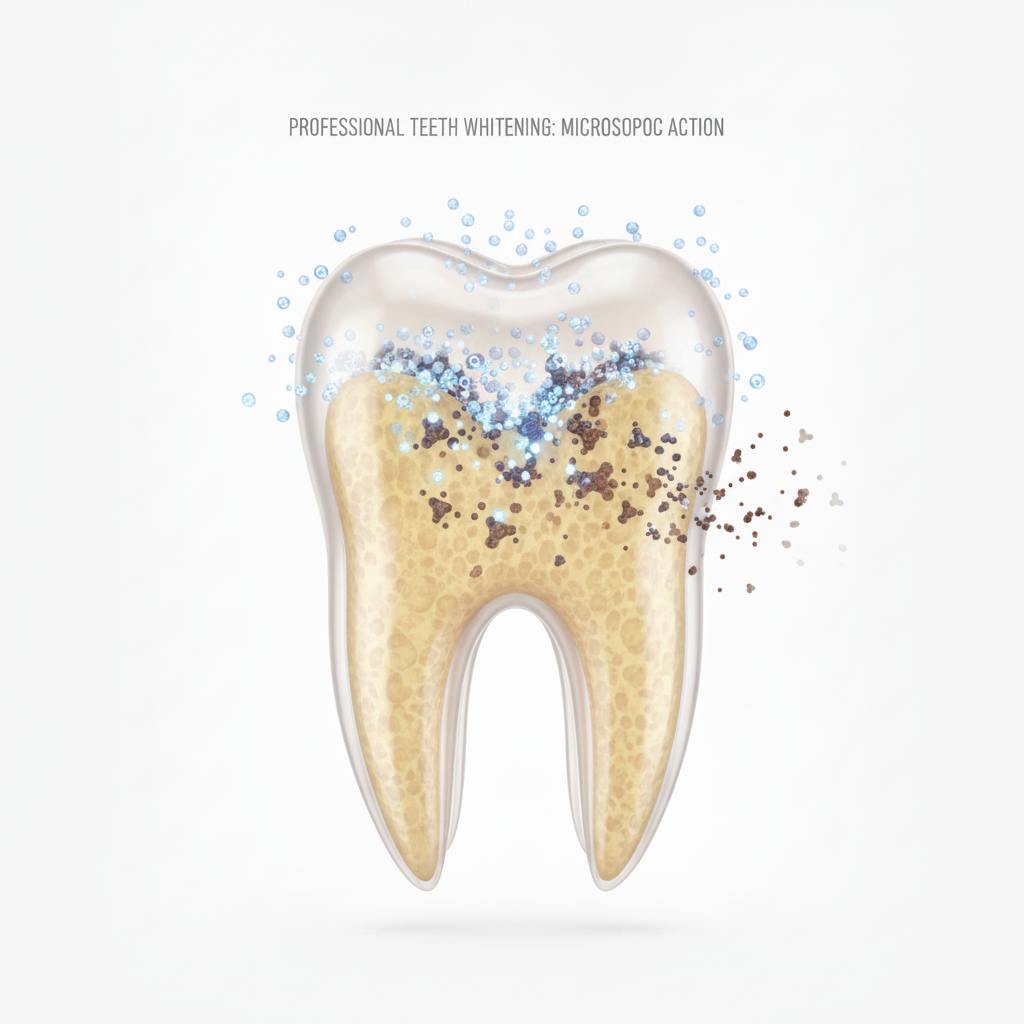
When these peroxide-based gels are applied to the teeth, they break down into smaller, oxygen-releasing molecules. These oxygen molecules penetrate the porous enamel and dentin layers of the tooth, reaching the discoloured molecules (chromogens) that cause staining. Once inside, the oxygen reacts with these chromogens, breaking the chemical bonds that hold them together. This process effectively whitens the tooth structure from within, making the stains less concentrated and the teeth appear significantly brighter. Unlike abrasive toothpastes that merely remove surface stains, professional whitening alters the intrinsic colour of the tooth itself. The concentration of the bleaching agent, the duration of its application, and in some cases, the use of special lights, all contribute to the effectiveness and speed of the whitening process. A qualified dental professional precisely controls these factors to ensure maximum safety and optimal results.
Types of Teeth Whitening Treatments Available in the UK
Patients in the UK have access to various teeth whitening options, each offering distinct benefits and suitability depending on individual needs and preferences. It’s crucial to distinguish between professional, dentist-supervised treatments and over-the-counter (OTC) products, as their efficacy and safety profiles vary considerably.
2. At-Home Professional Whitening (Dentist-Supervised): This method involves custom-fitted trays created from impressions of your teeth. The dentist provides a lower concentration carbamide peroxide gel, which you apply to the trays and wear for a specified period each day (e.g., 30 minutes to a few hours) or overnight, over a period of days to weeks. While slower than in-clinic treatment, it offers excellent results with greater convenience and often at a lower initial cost. The custom trays ensure even application and minimise gel leakage, protecting soft tissues.
3. Over-the-Counter (OTC) Products: This category includes whitening strips, paint-on gels, whitening toothpastes, and mouth rinses available in pharmacies and supermarkets. These products contain very low concentrations of active bleaching agents (or abrasive agents in the case of toothpastes) and are generally less effective than professional treatments. While they might offer some improvement for very light surface stains, they cannot achieve the same level of whitening as dentist-supervised options and may not be suitable for all types of discolouration. Furthermore, without professional guidance, there’s a risk of improper use, leading to uneven results or potential gum irritation.
To provide a clearer picture, here’s a comparison of the two primary professional teeth whitening methods:
| Feature | In-Clinic Professional Whitening | At-Home Professional Whitening |
|---|---|---|
| Supervision | Dentist performed, in-chair | Dentist prescribed and monitored, patient-administered |
| Active Ingredient Concentration | High (e.g., 25-40% Hydrogen Peroxide) | Lower (e.g., 10-22% Carbamide Peroxide) |
| Treatment Time | Typically 1-2 hours per session | Days to weeks (e.g., 30 mins to several hours daily) |
| Results Speed | Immediate, often dramatic after one session | Gradual, noticeable over time as treatment progresses |
| Cost Implications | Higher upfront cost due to clinic time and materials | Lower upfront cost, but requires consistency |
| Application Control | Precise, professional application by a dentist | Requires patient consistency and careful use of trays |
| Sensitivity Risk | Potentially higher (due to concentration), but managed by dentist | Lower (due to lower concentration), but still possible |
The Professional Teeth Whitening Process: Step-by-Step
Undergoing professional teeth whitening is a straightforward and comfortable process when managed by a qualified dental team. Here’s a typical breakdown of the steps involved:
- Initial Consultation and Assessment: The journey begins with a thorough dental examination. The dentist will assess your oral health, checking for cavities, gum disease, or existing restorations (like crowns or veneers) that won’t whiten. They will also discuss your aesthetic goals, identify the cause of your tooth discolouration, and determine the most suitable whitening method for you. A shade guide will be used to record your current tooth colour, providing a baseline for comparison.
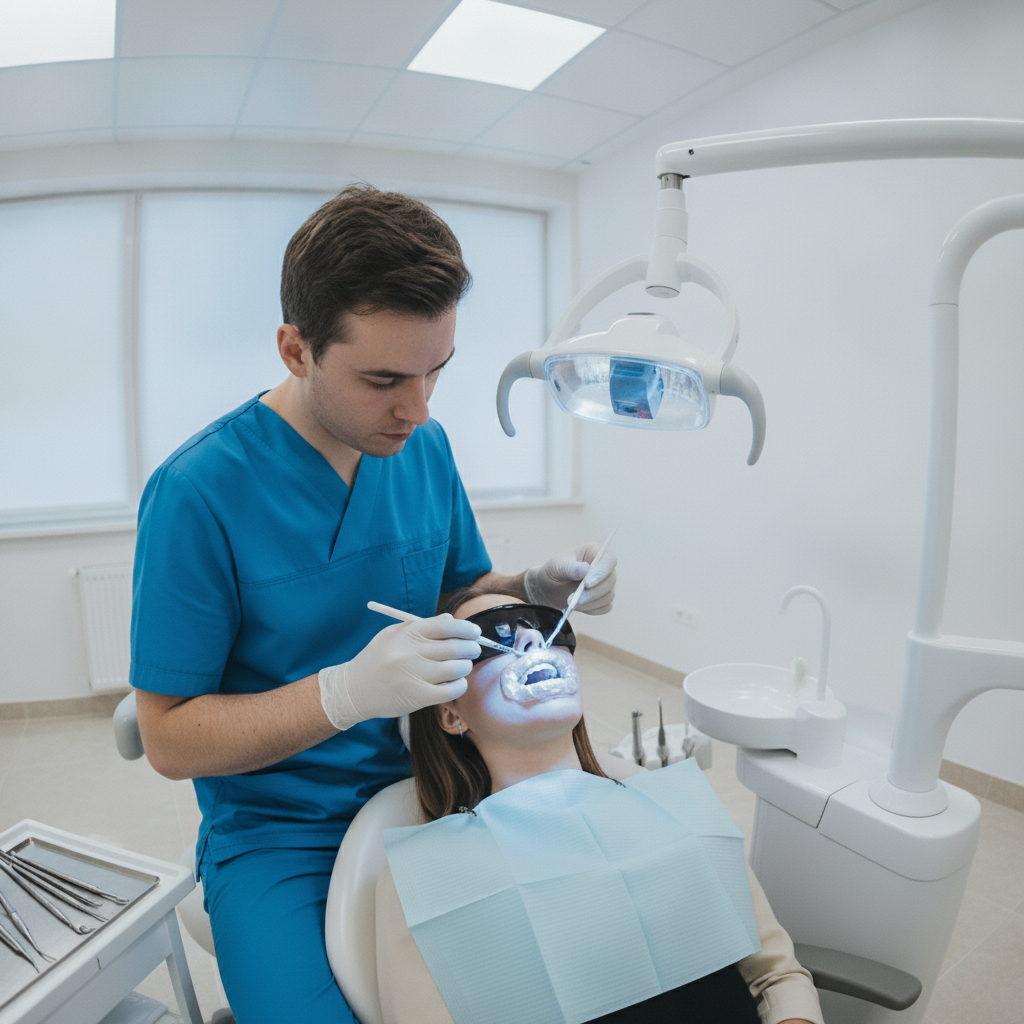
- Preparation for Whitening: Before the whitening gel is applied, your teeth will typically be cleaned to remove any plaque or surface debris. For in-clinic treatments, the dentist will carefully place a protective barrier (often a liquid dam or resin) over your gums and other soft tissues to shield them from the high-concentration bleaching agent. This step is crucial for patient safety and comfort.
- Application of Whitening Gel: The professional-grade whitening gel is then meticulously applied to the front surfaces of your teeth. The dentist ensures even coverage to achieve uniform results.
- Activation (if applicable): If an in-clinic light-activated system is being used, a specialized lamp (LED, halogen, or laser) will be positioned to shine on your teeth. This light helps to accelerate the chemical reaction of the peroxide, enhancing its whitening effect. The gel is usually left on for a specific duration, often in cycles (e.g., three 15-minute cycles).
- Rinsing and Evaluation: After the treatment time, the gel is carefully removed, and your mouth is rinsed. The dentist will then assess the immediate results using the shade guide, often revealing a noticeably brighter smile.
- Post-Treatment Care and Advice: Your dentist will provide detailed instructions on how to care for your newly whitened teeth, including advice on avoiding certain foods and drinks that could stain (the “white diet”) for the first 24-48 hours. They may also provide recommendations for managing any temporary sensitivity and discuss potential touch-up options.
Is Professional Teeth Whitening Safe? Addressing Concerns
Professional teeth whitening, when performed or supervised by a qualified dentist, is overwhelmingly safe and effective. The primary concerns typically revolve around temporary side effects such as tooth sensitivity and gum irritation. Tooth sensitivity, often described as a temporary zing or ache, occurs because the peroxide temporarily increases the porosity of the enamel, exposing the underlying dentin. This usually subsides within a day or two after treatment. Gum irritation can happen if the bleaching gel comes into contact with the soft tissues, but careful application and protective barriers by a dentist significantly minimise this risk. Unlike unregulated kits, professional treatments ensure that the concentration of the whitening agent is appropriate for safe use and that the application is precise. Long-term studies show no adverse effects on tooth structure when procedures are performed correctly.
Choosing the Right Teeth Whitening UK Option for You
Deciding on the best teeth whitening option depends on several factors specific to each individual. Your dental professional is the best guide in this decision-making process.
Considerations include:
- Desired Speed of Results: If you need immediate, dramatic whitening for an event, in-clinic treatment is ideal. If you prefer a gradual change over time and value convenience, at-home professional kits might be better.
- Severity and Type of Stains: More stubborn or intrinsic stains often require the higher concentrations and controlled environment of in-clinic whitening. Your dentist will assess the origin of your discolouration.
- Budget: In-clinic treatments generally have a higher upfront cost, while professional at-home kits can be more budget-friendly. Remember, investing in professional treatment often saves money in the long run by avoiding ineffective or potentially harmful OTC products.
- Current Dental Health: Existing dental issues like untreated cavities or gum disease must be addressed before any whitening procedure. A thorough check-up ensures the safety and effectiveness of the treatment.
- Tolerance for Sensitivity: While sensitivity is usually temporary, individuals prone to tooth sensitivity might benefit from lower concentration at-home kits or specific desensitising agents used in conjunction with in-clinic treatment.
Always seek advice from a dentist for a personalised recommendation. They can assess your oral health, discuss your expectations, and help you choose the safest and most effective path to a brighter smile.
Maintaining Your Whitened Smile
Once you’ve achieved your desired shade, maintaining your bright smile requires ongoing effort. Here are some tips for prolonging the effects of your professional teeth whitening:
- Excellent Oral Hygiene: Brush twice a day with a non-abrasive whitening toothpaste and floss daily to prevent new stains and plaque buildup.
- Limit Staining Foods and Drinks: Reduce consumption of coffee, tea, red wine, dark berries, and acidic foods that can erode enamel and make teeth more susceptible to staining. If you do consume them, rinse your mouth with water afterward.
- Avoid Tobacco Products: Smoking and chewing tobacco are major culprits for tooth discolouration and will quickly reverse whitening effects.
- Regular Dental Check-ups and Cleanings: Biannual professional cleanings remove surface stains and plaque, helping to maintain your results and overall oral health.
- Touch-Up Treatments: Your dentist may recommend occasional touch-up treatments using your custom trays and a low-concentration gel to maintain your desired brightness over time.
The Benefits of Professional Teeth Whitening
The advantages of opting for professional teeth whitening extend beyond just a brighter aesthetic. Patients often report a significant boost in confidence, leading to a willingness to smile more openly and engage in social interactions without self-consciousness. A whiter smile can create a more youthful and vibrant appearance, influencing how others perceive you. From a dental perspective, professional treatments are performed under controlled conditions, ensuring efficacy and minimizing risks associated with improper application or unsuitable products. For those considering other cosmetic dentistry procedures, whitening is often a first step or a complementary treatment to achieve overall smile enhancement.
The journey to a brighter smile in the UK is best navigated with professional guidance. Understanding the scientific basis and available options empowers individuals to make informed choices. With the right approach and commitment to post-treatment care, a dazzling, confident smile is an achievable reality, reflecting good oral hygiene and vitality. For further information on tooth whitening, a comprehensive overview can be found on Wikipedia on tooth whitening.