NHS Dental Bands Explained Simply
NHS Dental Bands Explained Simply. Navigating the healthcare system can often feel complex, especially when it comes to understanding treatment costs and what is covered. In the United Kingdom, NHS dentistry operates on a banded charge system, designed to make dental care accessible and affordable for everyone. This system ensures that patients contribute towards their treatment costs based on the type of care they receive, rather than paying for individual items. Understanding these bands is crucial for anyone seeking dental treatment through the National Health Service.
The NHS dental charge bands were introduced to simplify the payment structure for patients. Instead of an itemised bill for every filling, extraction, or check-up, you pay one fixed charge for a course of treatment, regardless of how many appointments it requires. This approach helps patients budget for their dental care and removes the uncertainty of fluctuating costs. The charges are reviewed annually, typically in April, to reflect changes in costs and maintain the sustainability of the service.
What are NHS Dental Bands?
The NHS dental service in England categorises treatments into three main bands, each with a set charge. These charges cover all the necessary treatment within that band, from diagnosis to completion. The idea is to make sure that people are not deterred from getting essential dental care due to financial concerns. It’s important to remember that these charges apply to a “course of treatment,” meaning that if you need multiple procedures that fall under the same band within a short period, you will only pay the band charge once.
Let’s delve into each band to understand what specific treatments they encompass and what you can expect to pay.
Band 1 Treatments
This is the lowest charge band and covers routine examinations and basic preventative care. The current charge for Band 1 treatments is the starting point for most dental visits. It includes a comprehensive dental examination, diagnosis, and any necessary X-rays. Additionally, it covers urgent treatments, even if they involve more extensive procedures typically found in higher bands, provided they address immediate issues.
Specifically, Band 1 includes:
- A dental examination, including a full check-up of your teeth, gums, and overall oral health.
- Diagnosis of any dental issues.
- Necessary X-rays to aid in diagnosis.
- Scale and polish, if clinically needed to improve oral hygiene and gum health.
- Preventative care, such as fluoride varnish or fissure sealants for children, to protect against decay.
- Instructions on maintaining good oral hygiene.
- A course of treatment for urgent cases, if it can be completed in a single appointment, even if it might ordinarily fall into a higher band.
If your dentist identifies that you require further treatment that falls into Band 2 or 3, you will then progress to pay the higher band charge, but only the charge for the highest band of treatment you receive within that course.
Band 2 Treatments
Band 2 charges cover a broader range of restorative treatments that are more involved than basic examinations. These are treatments aimed at repairing damaged teeth and preventing further deterioration.
Band 2 treatments include everything listed in Band 1, plus:
- Fillings: This can include amalgam (silver) or composite (white) fillings, depending on the tooth’s location and clinical necessity.
- Root canal treatment: For infected or damaged tooth pulp, designed to save the tooth.
- Extractions: Removal of teeth that are beyond repair.
- Periodontal (gum) treatment: More extensive treatment for gum disease beyond a simple scale and polish, such as deep cleaning or root planing.
- Re-cementing loose crowns, bridges, or inlays.
- Adding to existing dentures.
Once you pay a Band 2 charge, any number of these treatments can be carried out within that course of treatment. This means you won’t pay extra for multiple fillings or an extraction alongside a root canal, as long as they are part of the same overall treatment plan.
Band 3 Treatments
This is the highest charge band and covers more complex procedures that involve laboratory work, such as crowns, bridges, and dentures. These treatments are usually required when a tooth is severely damaged or missing, and a restoration is needed to improve function and aesthetics.
Band 3 treatments include everything listed in Band 1 and Band 2, plus:
- Crowns: Caps placed over damaged teeth to restore their shape, size, strength, and appearance.
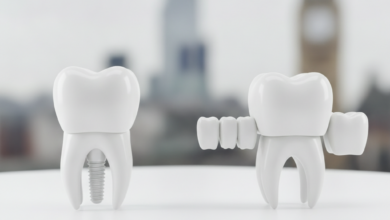
- Bridges: Fixed prosthetic devices used to replace one or more missing teeth by joining permanently to adjacent teeth or dental implants.
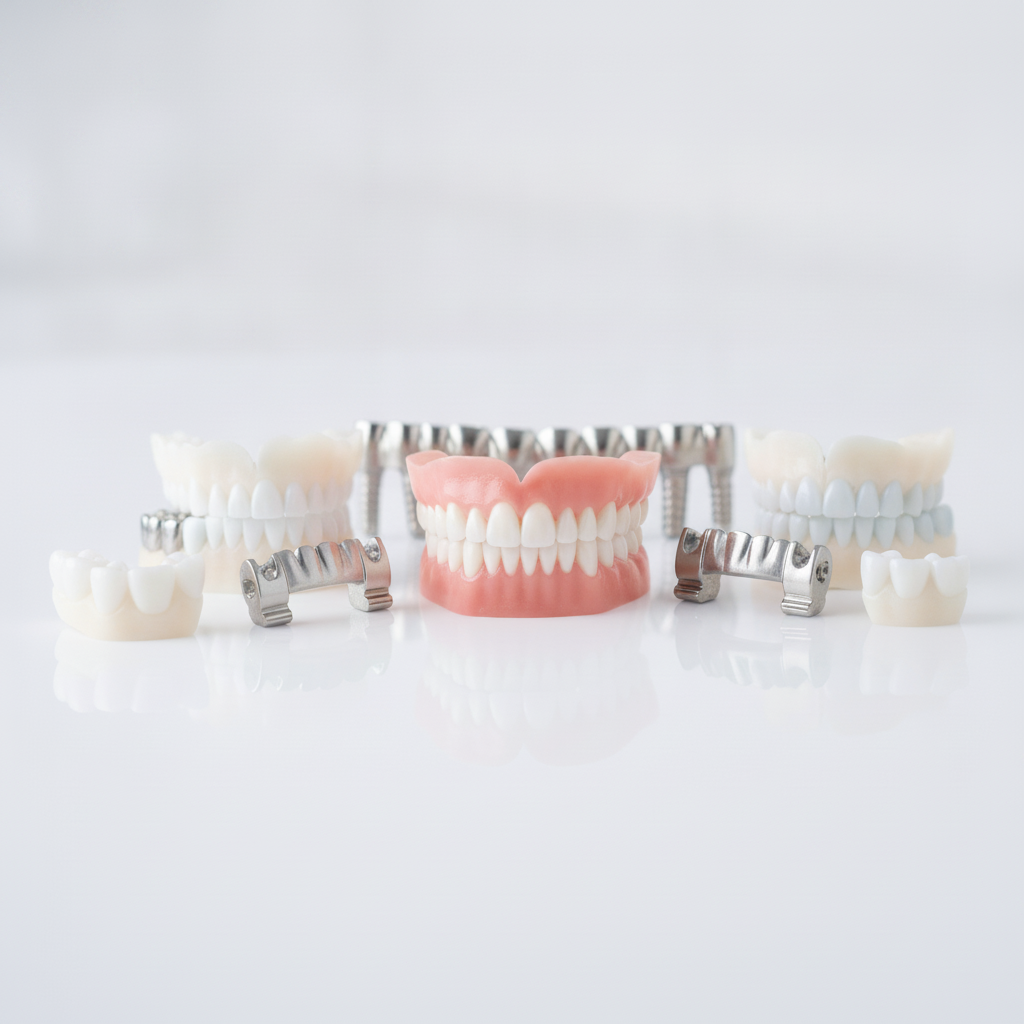
- Dentures: Removable appliances used to replace missing teeth and surrounding tissues.
- Inlays and onlays: Indirect fillings used when there isn’t enough tooth structure for a standard filling but a full crown isn’t needed.
It’s important to clarify that treatments like dental implants, cosmetic treatments (such as teeth whitening, solely for aesthetic purposes), and some orthodontics are generally not available on the NHS, or are only available under very specific clinical circumstances. For more detailed information on dental costs, it’s beneficial to consult official NHS guidelines or resources like Wikipedia’s page on NHS dental charges.
Exemptions and Remissions
While the banded charges aim to keep costs low, certain groups of people are exempt from paying for NHS dental treatment altogether, or can claim full or partial remission. These exemptions are in place to protect vulnerable individuals and ensure that financial hardship does not prevent access to essential dental care.
You are automatically exempt from paying NHS dental charges if, at the time the treatment starts:
- You are under 18 years of age.
- You are 18 and in full-time education.
- You are pregnant or have had a baby in the last 12 months.
- You are receiving certain benefits (e.g., Income Support, income-based Jobseeker’s Allowance, income-related Employment and Support Allowance, Pension Credit Guarantee Credit).
- You are an NHS inpatient and the treatment is carried out by the hospital dentist.
- You are an NHS dental service employee, and the treatment is provided in a dental school or hospital for training purposes.
Additionally, if you have a valid NHS Low Income Scheme certificate (HC2 or HC3), you may be entitled to full or partial help with health costs, including dental charges. It is crucial to inform your dental practice about your exemption status before your treatment begins. You may be asked to show proof of your eligibility.
Understanding Your NHS Dental Bill
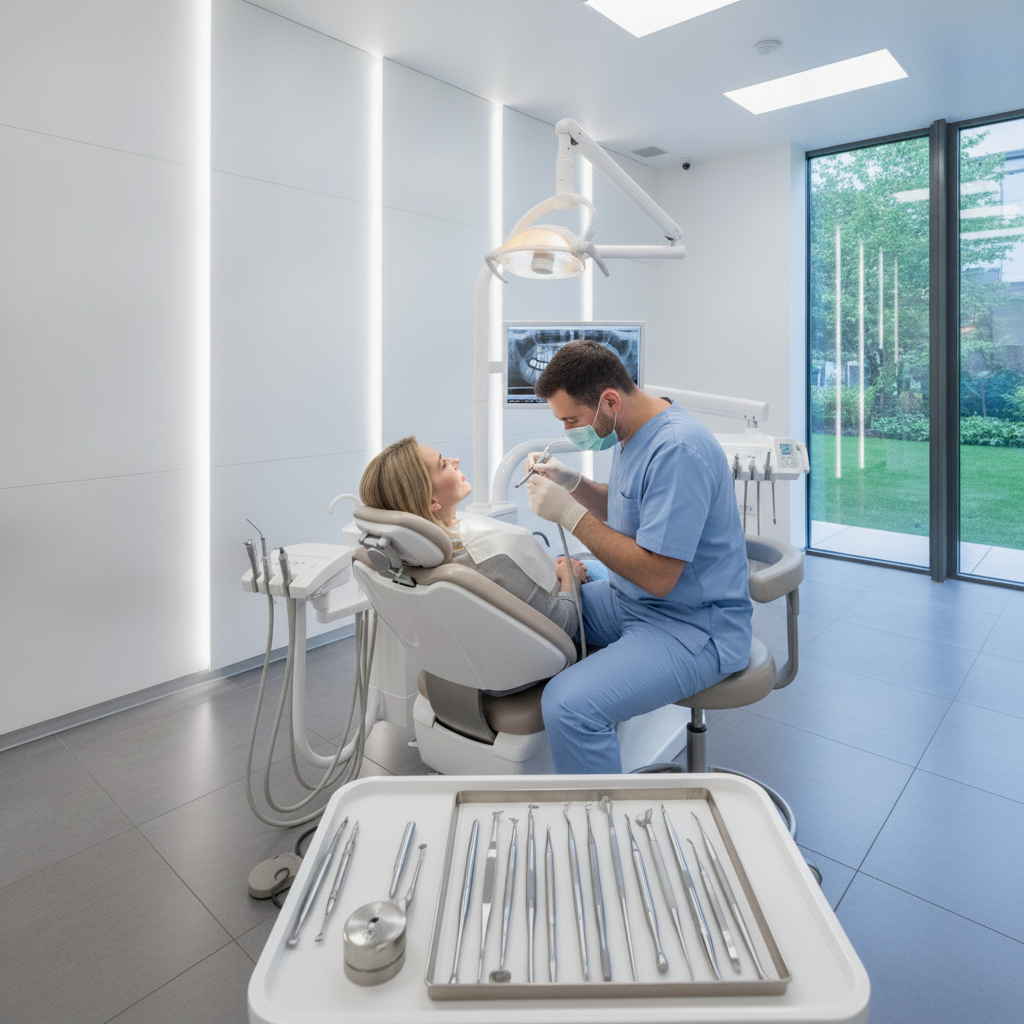
When you attend an NHS dental practice, after your examination, your dentist will explain your treatment plan and which band your treatment falls into. You will usually pay the relevant charge at your first appointment for that course of treatment. If your treatment requires multiple visits, you still only pay the one band charge for that entire course. A new course of treatment begins if your dental needs change or if you need to return for further treatment after your previous course has been completed.
For example, if you have a check-up (Band 1), and the dentist finds you need two fillings (Band 2), you will only pay the Band 2 charge. If later, during the same course of treatment, it’s determined you also need a crown (Band 3), you would then pay the Band 3 charge (minus any amount already paid if it’s the same course). The system is designed to charge the highest applicable band once per course of treatment.
The Value of NHS Dentistry
NHS dentistry plays a vital role in providing essential oral healthcare to millions of people. Its primary benefit lies in its affordability, making fundamental dental services accessible to a wide population. For many, the tiered payment system provides predictability and prevents unexpected high costs for necessary care. This accessibility helps maintain general oral health across the nation and addresses urgent dental issues.
However, the NHS dental system also faces challenges. Long waiting lists for appointments, especially for new patients or specialist treatments, are a common concern. The scope of treatments available on the NHS is primarily focused on clinical necessity, meaning purely cosmetic procedures or premium materials might not be covered. Patients seeking specific aesthetic outcomes or faster access to certain treatments often find themselves exploring private dental options. The choice between NHS and private dentistry often boils down to a balance between cost, availability, and the specific treatments desired. For a deeper dive into the differences, you may find this article insightful: NHS vs Private Dentist UK: What’s the Difference?.
Navigating the NHS Dental System
Finding an NHS dentist can sometimes be a challenge, particularly in certain areas. The best way to find a local NHS dentist accepting new patients is to use the NHS website’s “Find a Dentist” service. This tool allows you to search by postcode and filter for practices that are currently taking on new NHS patients. It’s advisable to contact practices directly to confirm their availability and registration process.
Once registered, booking routine appointments can still involve a wait. For urgent dental problems, patients should contact their regular dental practice first. If they cannot provide an immediate appointment, they should direct you to local urgent dental care services. The NHS 111 service can also provide advice and direct you to appropriate care for urgent dental issues outside of normal practice hours. Regular check-ups are key to preventing minor issues from escalating into more serious and costly problems.
Common Misconceptions about NHS Dental Bands
Several misunderstandings often surround NHS dental bands. One common belief is that you pay a separate charge for each filling or extraction. As established, this is incorrect; you pay one charge per course of treatment, based on the highest band of treatment you receive. Another misconception is that all dental treatments, including cosmetic ones like teeth whitening or invisible braces, are available on the NHS. The reality is that NHS dentistry prioritises clinical need and oral health maintenance, with cosmetic treatments generally falling outside its scope unless there’s a clinical justification.
Some also believe that if they pay for a Band 3 treatment, all future treatments are covered for free. This is not the case; each new course of treatment incurs a new charge, unless it falls within the 2-month period for free re-treatments in the same band, or if you remain exempt. Keeping informed about the current guidelines and discussing your treatment plan thoroughly with your dentist will help clarify any doubts.
Understanding the NHS dental band system empowers patients to make informed decisions about their oral healthcare. By knowing what to expect in terms of charges and included treatments, individuals can better plan their dental visits and ensure they receive the necessary care without unexpected financial burdens. The system, while sometimes complex, is fundamentally designed to support widespread access to essential dental services across the UK.