How Long Do Dental Implants Take UK?
How Long Do Dental Implants Take UK?
Understanding the timeline for dental implants in the UK is a common concern for many patients considering this life-changing procedure. While the prospect of a complete, natural-looking smile is exciting, the journey to achieving it involves several distinct stages, each with its own duration. It’s crucial to approach dental implant treatment with patience, as the process is designed to ensure long-term success and stability. The overall timeframe can range from a few months to over a year, depending on individual circumstances, the complexity of the case, and whether additional preparatory procedures are required.
Understanding the Dental Implant Journey in the UK
The process of receiving dental implants is a sophisticated blend of dentistry and oral surgery, structured into multiple phases to allow for proper healing and integration. While the exact duration can vary, a typical dental implant journey in the UK generally follows these key stages:
Initial Consultation and Treatment Planning
This foundational stage is critical for the success of the entire procedure. It begins with a comprehensive examination by your dental professional. This includes a thorough assessment of your oral health, jawbone density, and general medical history. Advanced diagnostic tools such as 3D CT scans and X-rays are used to create detailed images of your oral structures. This allows the dentist to accurately determine the optimal placement for the implant, identify any potential challenges, and develop a personalised treatment plan. Factors like bone volume, the proximity of sinuses or nerves, and the overall health of your gums are carefully evaluated. This planning phase can take a few days to a couple of weeks, largely depending on scheduling and the complexity of the diagnostic needs.
Tooth Extraction (If Necessary)
If the damaged or decayed tooth requiring replacement is still present, its extraction will be the first clinical step. Depending on the condition of the extraction site, your dentist might recommend a healing period before implant placement. This allows the bone and gum tissue to recover, which can take anywhere from a few weeks to several months. In some cases, if there is sufficient bone and no infection, an immediate implant placement might be possible after extraction, significantly reducing the overall treatment time.
Bone Grafting or Sinus Lift (If Necessary)
Adequate bone volume and density are paramount for successful implant integration. If the diagnostic scans reveal insufficient bone in the jaw, supplementary procedures such as bone grafting or a sinus lift may be necessary. Bone grafting involves adding bone material (either from your own body, a donor, or synthetic sources) to the jawbone to create a robust foundation for the implant. A sinus lift is a specific type of bone graft performed in the upper jaw where the sinus cavity is too close to the implant site. These procedures require a significant healing period, typically ranging from 4 to 9 months, to allow the grafted bone to fuse with the existing bone and become strong enough to support an implant. This waiting period is non-negotiable for the long-term stability of the implant.
Implant Placement Surgery
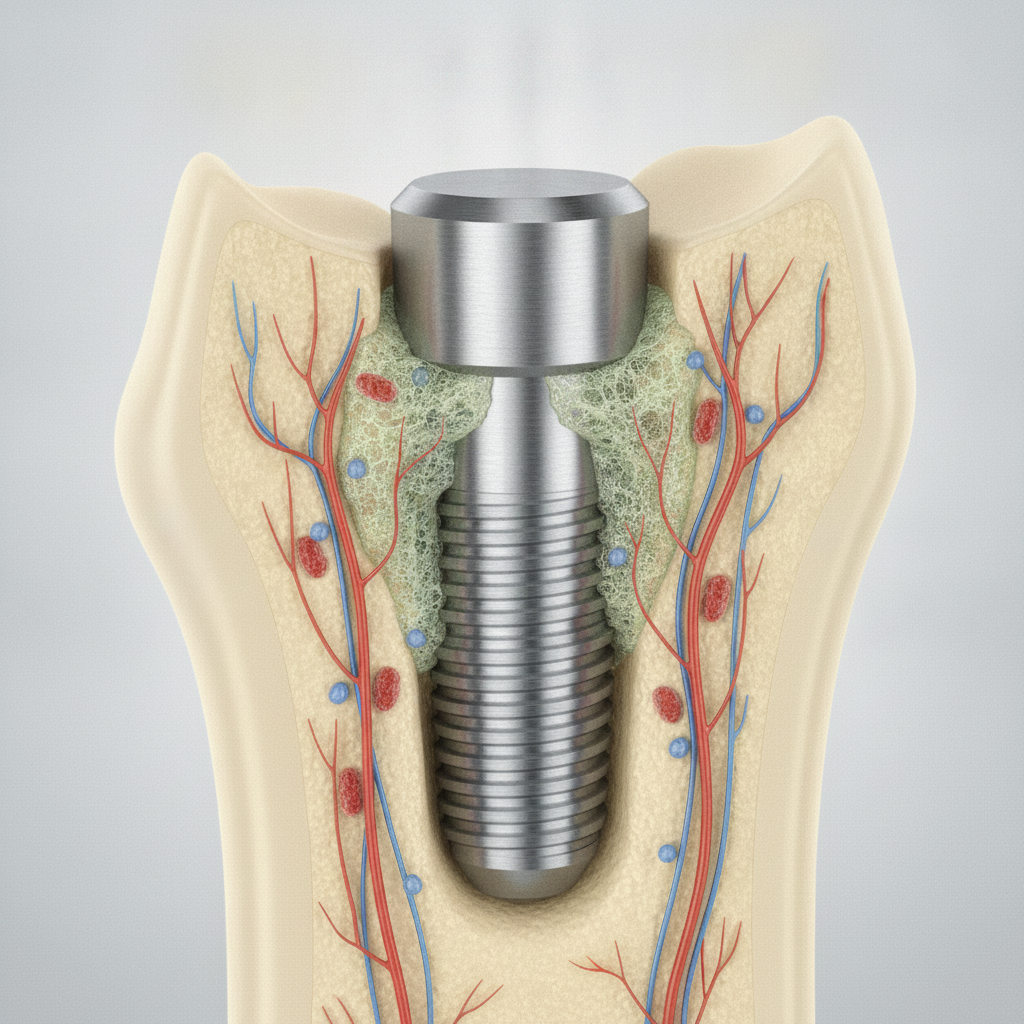
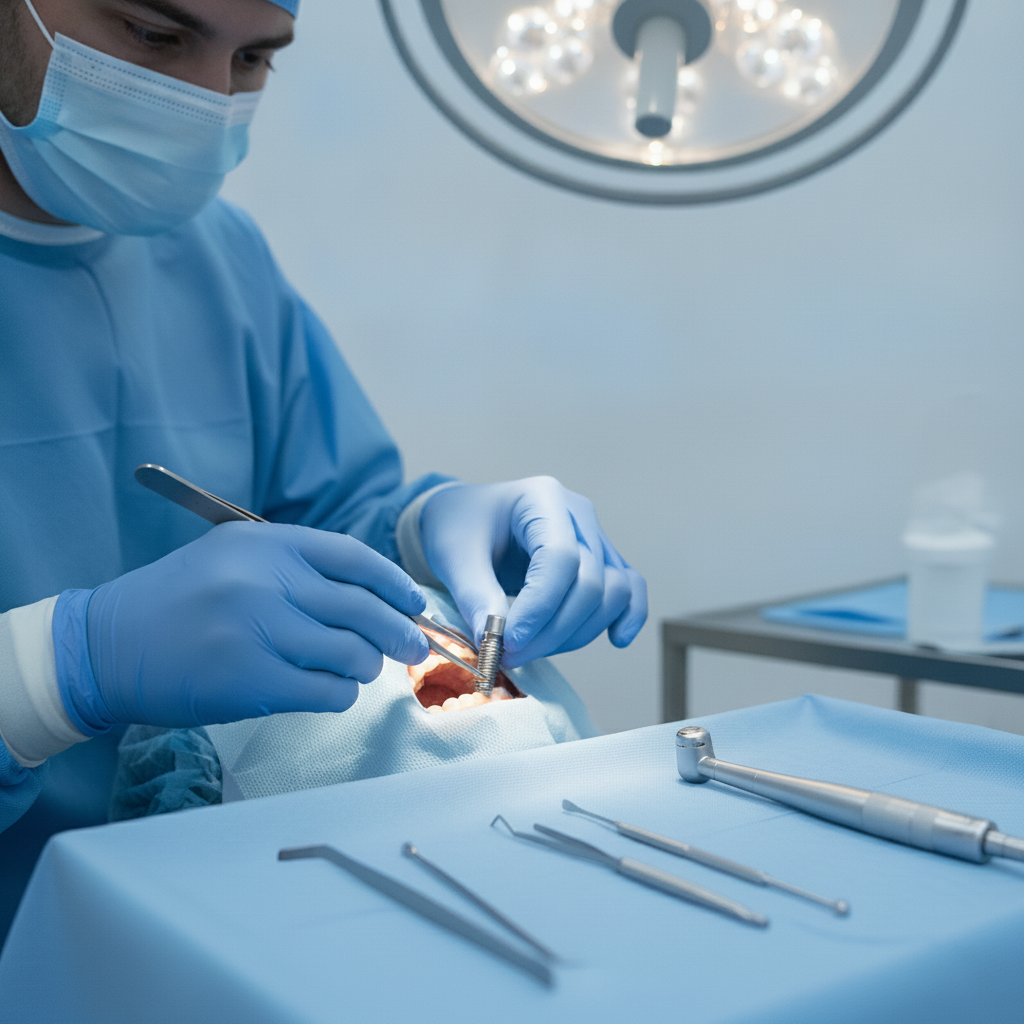
Once the jawbone is deemed ready, the dental implant – a small, titanium screw-like post – is surgically placed into the bone beneath the gum line. This procedure is typically performed under local anaesthesia, with sedation options available for patient comfort. The surgery itself is usually straightforward and takes approximately 1 to 2 hours per implant. After the implant is placed, the gum tissue is sutured over it, and the healing process, known as osseointegration, begins.
Osseointegration: The Healing Phase
This is arguably the most critical and time-consuming stage of the dental implant process. Osseointegration is the biological phenomenon where the titanium implant gradually fuses with the surrounding jawbone. This direct structural and functional connection provides the stable foundation necessary for supporting a dental restoration. This healing period typically lasts anywhere from 3 to 6 months, though it can extend longer in cases involving bone grafts or individual healing capabilities. During this time, the implant is entirely beneath the gum, protected from biting forces. Your dentist will monitor the healing progress, ensuring the implant is fully integrated before moving to the next step.
Abutment Placement (Second Stage Surgery, If Applicable)
In some multi-stage implant procedures, a small abutment, which is a connector piece, is attached to the integrated implant. This usually involves a minor surgical procedure to expose the top of the implant and attach the abutment. The gum tissue then heals around the abutment for a few weeks, forming a collar that will protect the implant and provide a base for the final restoration. For some modern implant systems, the abutment is placed simultaneously with the implant, or the implant is designed to be one piece with the abutment, eliminating this second surgical step.
Final Restoration Placement (Crown, Bridge, or Denture)
Once the implant is fully integrated and the abutment (if separate) is in place, impressions of your mouth are taken. These impressions are sent to a dental laboratory, where your custom-made crown, bridge, or denture is fabricated to perfectly match the aesthetics and function of your natural teeth. This fabrication process usually takes 2 to 4 weeks. Once the restoration is ready, it is securely attached to the abutment, completing your new smile.
The table below provides a general overview of the typical timeline for dental implants in the UK, but remember that these are estimates and can vary significantly based on individual patient needs.
| Stage of Treatment | Description | Typical Duration |
|---|---|---|
| Initial Consultation & Planning | Comprehensive examination, X-rays, CT scans, treatment plan development. | 1-2 Weeks |
| Tooth Extraction (if needed) | Removal of problematic tooth. | Immediate to 2 Weeks (plus healing time) |
| Bone Grafting / Sinus Lift (if needed) | Adding bone material to enhance jawbone volume. | 4-9 Months (healing period) |
| Implant Placement Surgery | Surgical insertion of the titanium implant into the jawbone. | 1-2 Hours (per implant) |
| Osseointegration (Healing Phase) | Fusion of the implant with the jawbone. | 3-6 Months |
| Abutment Placement (if separate) | Minor surgery to attach a connector piece to the implant. | 1-2 Weeks (healing around abutment) |
| Final Restoration Placement | Attachment of custom-made crown, bridge, or denture. | 2-4 Weeks (lab fabrication) |
Factors Influencing the Dental Implant Timeline
- Patient’s Oral Health:
Pre-existing conditions such as gum disease, infections, or poor bone quality will necessitate treatment prior to implant placement, extending the timeline. A healthy oral environment is crucial for implant success.
- Need for Ancillary Procedures: As mentioned, bone grafting or sinus lifts add several months to the overall timeline due to the extensive healing required for bone regeneration. The extent of the graft also plays a role in the healing period.
- Type of Implant: While most traditional implants follow the multi-stage process outlined, some advanced techniques like “immediate load” implants or “All-on-4” systems can potentially reduce the waiting period for the final restoration, sometimes allowing for temporary teeth on the same day as implant placement. However, these are not suitable for all patients and depend heavily on bone quality.
- Individual Healing Capabilities: Each patient’s body heals at its own pace. Factors like age, general health (e.g., presence of diabetes or autoimmune conditions), smoking habits, and nutrition can influence the speed and success of osseointegration. Smokers, for example, often experience delayed healing and a higher risk of implant failure.
- Location of the Implant: Implants placed in the upper jaw, especially near the sinus, can sometimes require a longer healing period due to differing bone density compared to the lower jaw.
- Number of Implants: While the surgery for multiple implants might take longer, the overall healing time per implant usually remains consistent. However, coordinating multiple procedures can sometimes impact scheduling.
The Importance of Osseointegration
The term osseointegration, coined by Professor Per-Ingvar Brånemark, is the cornerstone of modern dental implantology. It refers to the direct structural and functional connection between living bone and the surface of a load-bearing implant. This biological process is what makes dental implants so stable and durable, mimicking the root of a natural tooth. The titanium material used for implants is biocompatible, meaning it is readily accepted by the human body and promotes bone growth around its surface. Rushing this stage significantly increases the risk of implant failure. Proper osseointegration ensures that the implant can withstand the forces of chewing and speaking for many years, often decades. For further scientific insights into dental implants, a comprehensive resource is available on Wikipedia, detailing the history, types, and biology of these prosthetics.
Recovery and Aftercare During the Process
Throughout the dental implant journey, diligent aftercare is vital. Following the initial surgery, patients typically experience some swelling, bruising, and discomfort, which can be managed with prescribed pain medication. Soft foods are recommended for a few days to weeks. Excellent oral hygiene, including gentle brushing and rinsing with antiseptic mouthwash, is crucial to prevent infection at the surgical site. During the osseointegration period, it is important to avoid placing undue pressure on the implant area. Regular follow-up appointments with your dentist are essential to monitor healing and ensure the process is progressing as expected.
Navigating the Process with Your UK Dentist
Choosing an experienced and reputable dental clinic in the UK is paramount. A skilled dental team will guide you through each stage, provide clear communication, and tailor the treatment plan to your specific needs. They will explain all procedures, potential timelines, and costs upfront, ensuring you are fully informed and comfortable with every decision. While the process may seem lengthy, the long-term benefits of dental implants—improved aesthetics, restored chewing function, enhanced speech, and preservation of jawbone—make it a worthwhile investment in your oral health and quality of life.
Exploring categories like dental implants can provide further information on specific aspects of the procedure and care.
The duration of dental implant treatment in the UK is a journey, not a single event. While it requires patience, the careful, staged approach ensures the highest chance of success and a durable solution for missing teeth. By understanding each phase and the factors that influence its length, patients can better prepare for their treatment and look forward to a healthier, more confident smile that can last a lifetime.