Can You Get Dental Implants on the NHS?
Can You Get Dental Implants on the NHS?
Navigating the complexities of dental care, especially when it comes to advanced procedures like dental implants, can be challenging in the UK. Many patients wonder about the availability and cost implications of such treatments through the National Health Service (NHS). Dental implants represent a significant advancement in restorative dentistry, offering a durable and aesthetically pleasing solution for missing teeth. They are essentially artificial tooth roots, usually made of titanium, that are surgically placed into the jawbone to support a crown, bridge, or denture. Beyond their cosmetic benefits, implants play a crucial role in maintaining jawbone integrity, preventing adjacent teeth from shifting, and restoring full chewing function, thereby significantly improving a patient’s quality of life.
Can You Get Dental Implants on the NHS?
The straightforward answer to “Can You Get Dental Implants on the NHS?” is that it is exceptionally rare. While the NHS provides comprehensive dental care aimed at ensuring oral health and alleviating pain, its services are primarily focused on treatments deemed clinically necessary to maintain a patient’s oral health rather than purely cosmetic improvements. Dental implants, being a sophisticated and often costly procedure, typically fall outside the scope of routine NHS dental provisions. The NHS budget for dentistry is finite, and priority is given to treatments that address immediate health needs, such as fillings, extractions, root canal treatments, and standard dentures.
Strict NHS Eligibility for Dental Implants
For a patient to be considered for dental implants on the NHS, there must be very specific, often severe, clinical indications. These criteria are exceedingly stringent and apply to a very small percentage of the population. Generally, NHS funding for dental implants is reserved for cases where:
- There is a severe congenital condition, such as hypodontia (missing multiple teeth from birth), which significantly impacts the patient’s ability to eat and speak.
- A patient has suffered severe facial trauma, often as a result of an accident, leading to significant tooth loss and structural damage that cannot be adequately restored by conventional means.
- Individuals who have undergone surgery for oral cancer, resulting in extensive tissue loss and the need for complex reconstruction.
- Patients with specific medical conditions that lead to severe tooth loss and where conventional dentures are not a viable or effective solution.
Even in these rare instances, patients typically face a rigorous assessment process by a specialist multidisciplinary team. The decision to provide NHS-funded implants is not taken lightly and involves careful consideration of the patient’s overall health, prognosis, and the long-term success rate of the treatment. The goal is always to restore function and mitigate severe disfigurement, rather than purely aesthetic enhancement.
The Practicalities of NHS Implant Treatment
Even for the few who meet the strict NHS criteria, the journey to receiving dental implants can be protracted. Waiting lists for specialist NHS dental services are often long, and the number of consultants and facilities equipped to provide these complex treatments is limited. Patients may need to travel significant distances to access care, and the range of options regarding implant systems or aesthetic choices will be far more restricted than in private practice. The primary focus will be on functional restoration using the most cost-effective and clinically appropriate methods available within the NHS framework. Furthermore, follow-up care and maintenance, which are crucial for the long-term success of dental implants, may also be subject to NHS limitations.
Private Dental Implants: The Most Common Path
Given the restrictive nature of NHS provision, private dental care is the primary, and almost exclusive, route for most individuals seeking dental implants in the UK. Private clinics offer a far broader range of implant solutions, advanced technologies, and a more personalised patient experience. This sector is not constrained by the same budget limitations or eligibility criteria as the NHS, allowing for more flexible treatment planning tailored to individual needs and desires.
NHS vs. Private Dental Implants: A Detailed Comparison
Understanding the differences between NHS and private dental care for implants is crucial for making an informed decision. The distinction extends beyond just cost, encompassing aspects like accessibility, choice, speed, and the overall patient experience.
| Feature | NHS Dental Implants | Private Dental Implants |
|---|---|---|
| Eligibility | Extremely strict; reserved for severe medical necessity (e.g., trauma, congenital conditions, cancer treatment). | Generally available to anyone with suitable oral health and bone density; determined by individual assessment. |
| Cost | Potentially free or at a subsidised Band 3 charge, but only if eligibility criteria are met. | Full cost covered by the patient; significant investment per implant, often including consultation, surgery, and restoration. |
| Availability | Very limited access; long waiting lists; few specialist centres. | Widely available across numerous private dental clinics; easier access to appointments and specialists. |
| Choice of Materials/Systems | Limited to standard, clinically approved options; focus on function over aesthetics. | Wide range of premium implant systems, materials (e.g., zirconia, titanium), and aesthetic restorative options. |
| Treatment Speed | Can involve lengthy assessment periods and significant waiting times for appointments and procedures. | Faster treatment timelines, from initial consultation to final restoration, depending on individual case complexity. |
| Aesthetic Considerations | Focus purely on functional restoration; aesthetic outcome is secondary. | High emphasis on aesthetics, ensuring natural-looking and feeling results that match existing teeth. |
| Personalisation | Minimal customisation; standard treatment protocols. | Highly personalised treatment plans, tailored to the patient’s specific oral health, aesthetic goals, and budget. |
| Aftercare & Follow-up | Subject to NHS capacity and protocols; may be less extensive. | Comprehensive aftercare packages, regular check-ups, and dedicated support for implant longevity. |
| Technology Used | Standard equipment and techniques available within NHS facilities. | Access to state-of-the-art diagnostic tools (e.g., 3D CT scans), advanced surgical techniques, and digital dentistry. |
The Private Dental Implant Process
Opting for private dental implants typically involves a clear, step-by-step process designed to ensure optimal results:
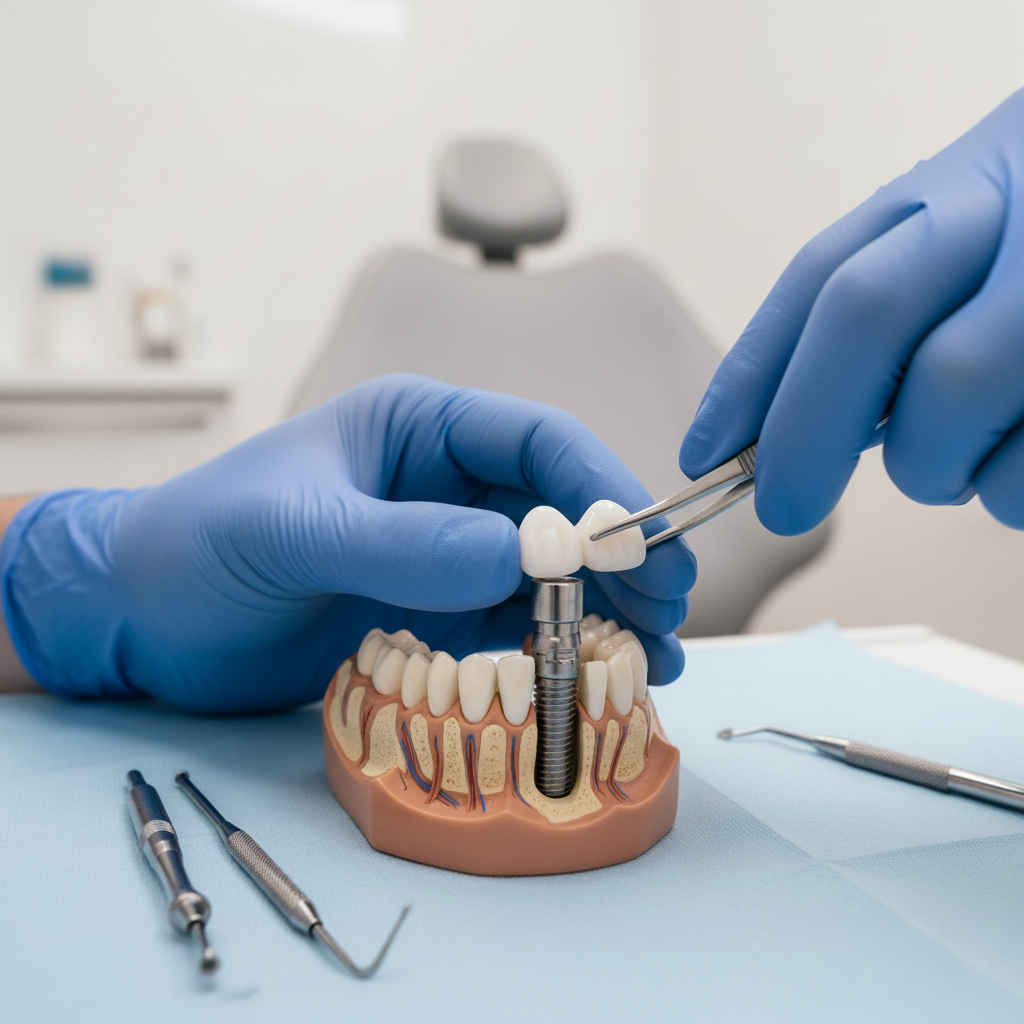
- Initial Consultation and Assessment: This involves a thorough examination of your oral health, including X-rays and often 3D CT scans, to assess bone density and structure. The dentist will discuss your medical history, treatment goals, and create a personalised treatment plan.
- Implant Placement Surgery: The dental implant (a small, screw-shaped post) is surgically placed into the jawbone. This procedure is usually performed under local anaesthesia, sometimes with sedation.
- Osseointegration (Healing Period): The implant needs time to fuse with the jawbone, a process called osseointegration, which can take several months. During this time, a temporary restoration may be provided.
- Abutment Placement: Once osseointegration is complete, a small connector piece called an abutment is attached to the implant, protruding above the gum line.
- Crown/Bridge/Denture Attachment: Finally, a custom-made crown, bridge, or denture is securely attached to the abutment, completing the restoration.
The entire process, from initial consultation to final restoration, can take several months, depending on individual healing rates and the complexity of the case. Private clinics often use advanced techniques and high-quality materials to ensure the longevity and aesthetic appeal of the implants. More detailed information on the financial aspects can be found by exploring dental implant costs in the UK.
Advantages of Choosing Private Dental Care for Implants
For most people seeking dental implants, private care offers significant advantages:
- Predictable Outcomes: With advanced diagnostics and highly skilled practitioners, private treatment often leads to more predictable and successful outcomes.
- Aesthetic Excellence: Private clinics prioritise the aesthetic result, ensuring that implants blend seamlessly with your natural teeth in terms of colour, shape, and alignment.
- Cutting-Edge Technology: Access to the latest dental technologies, such as guided implant surgery and advanced imaging, which can enhance precision and reduce recovery times.
- Comfort and Convenience: Shorter waiting times, flexible appointment scheduling, and a more comfortable, patient-focused environment.
- Customised Treatment Plans: Every aspect of your treatment can be tailored to your specific needs, preferences, and oral health status.
- Comprehensive Aftercare: Robust aftercare and maintenance plans are typically included, vital for the long-term health and success of your implants.
Making Your Decision on Dental Implants
When considering dental implants, whether you pursue the rare NHS route or the more common private option, making an informed decision is paramount. Start by thoroughly researching dental implants to understand the procedure, benefits, and potential risks. Wikipedia provides a comprehensive overview of dental implant technology and history.
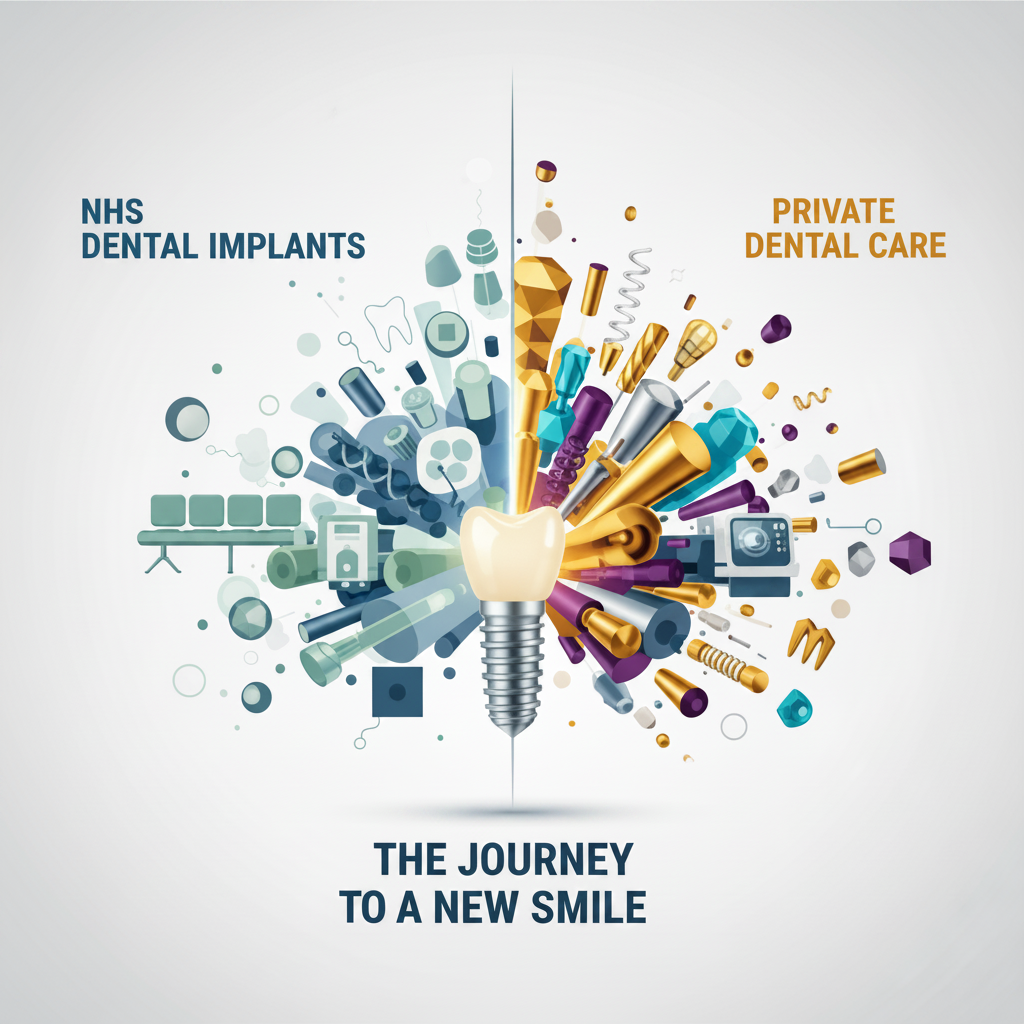
The choice between NHS and private dental care for implants is clear for most: private is the viable path. Engage in consultations with experienced private dental practitioners who can assess your specific situation, discuss your options, and provide a clear breakdown of the treatment process and associated costs. Do not hesitate to ask questions about their experience, the implant systems they use, and their success rates. Your long-term oral health and confidence are worth the investment in quality care.