What Treatments Are Not Covered by NHS?

The National Health Service (NHS) in the UK stands as a cornerstone of public healthcare, committed to providing comprehensive medical services to all eligible residents. Its foundational principle is to meet clinical need, ensuring that care is free at the point of use. However, the NHS operates within a finite budget and strict guidelines, meaning not every treatment or procedure is covered. Understanding these limitations is crucial for individuals navigating their healthcare options. The scope of NHS coverage is primarily dictated by clinical necessity, cost-effectiveness, and established medical guidelines. While life-saving and essential treatments are invariably covered, procedures deemed cosmetic, experimental, or of low clinical priority often fall outside the NHS remit.

What Treatments Are Not Covered by NHS?
Understanding the NHS Framework and Clinical Priority
The NHS is funded through general taxation and National Insurance contributions. This funding is carefully allocated across a vast array of services, from emergency care and general practice to specialized surgeries and long-term condition management. Decisions about what treatments are covered are made by various bodies, including the National Institute for Health and Care Excellence (NICE), which provides national guidance and advice to improve health and social care. NICE evaluates the efficacy, safety, and cost-effectiveness of treatments. If a treatment does not meet specific criteria for clinical effectiveness or is deemed too expensive for the benefit it provides, it may not be recommended for routine NHS funding.
This framework means that the NHS prioritizes treatments that address serious health conditions, prevent illness, or significantly improve a patient’s quality of life based on medical need. Treatments primarily for aesthetic enhancement, those with unproven efficacy, or procedures considered non-essential for health are typically not covered. The distinction between a “need” and a “want” is fundamental to NHS policy.
General Categories of Treatments Not Covered by NHS
Numerous types of medical and cosmetic procedures often find themselves outside the protective umbrella of NHS funding. These generally fall into several broad categories:
- Cosmetic Procedures: This is perhaps the most significant category. Procedures like purely cosmetic plastic surgery (e.g., nose reshaping, breast augmentation for aesthetic reasons, liposuction), non-essential dermatological treatments (e.g., laser hair removal, anti-wrinkle injections), and certain aesthetic dental work are rarely covered unless there is a significant underlying medical reason or psychological impact that meets strict NHS criteria. For instance, breast reduction might be covered if severe back pain or mobility issues are present, but augmentation purely for appearance typically is not.
- Experimental or Unproven Treatments: The NHS is cautious about adopting new treatments until they have undergone rigorous testing and demonstrated clear efficacy and safety. Treatments that are still in experimental phases or lack sufficient evidence to support their widespread use are generally not funded. Patients seeking these might need to explore private options or clinical trials.
- Treatments Deemed Low Clinical Priority: Some conditions or treatments, while beneficial, might be considered a lower priority compared to more urgent or life-threatening conditions. Access to these might be restricted, involve long waiting lists, or be available only under very specific circumstances or in particular regions (known as “postcode lottery”). Examples could include certain types of benign lesion removal or specific pain management therapies.
- Overseas Treatments (Elective): While there are provisions for planned treatment abroad under specific EU regulations (pre-Brexit and some ongoing agreements) or through the S2 scheme, generally, seeking elective treatment in another country without prior NHS approval means the costs will not be covered. Emergency treatment abroad is usually handled via travel insurance.
- Lifestyle-Related Treatments: While the NHS promotes healthy lifestyles and offers support for issues like smoking cessation or weight management, certain interventions chosen purely for lifestyle enhancement, such as specific diet programs or advanced fitness regimes, are not directly funded as medical treatments.
Specific Dental Treatments Are Not Covered by NHS
One area where the distinction between NHS and private care becomes particularly stark is dentistry. While NHS dentistry aims to provide all treatment necessary to secure and maintain oral health, its scope is narrower than many people might expect, especially concerning advanced restorative work and cosmetic improvements.
The Landscape of NHS Dentistry
NHS dental care is structured into ‘bands,’ with fixed charges for different levels of treatment.
* Band 1: Covers examination, diagnosis (including X-rays), scale and polish, and preventive care.
* Band 2: Covers everything in Band 1, plus additional treatments like fillings, root canal treatment, and removal of teeth.
* Band 3: Covers everything in Bands 1 and 2, plus more complex procedures like crowns, dentures, and bridges.
Dental Implants: A Prime Example
Dental implants are widely regarded as the gold standard for replacing missing teeth, offering superior stability, aesthetics, and longevity compared to traditional dentures or bridges. However, dental implants are almost universally not covered by the NHS. The primary reason is that they are generally considered a cosmetic solution or a treatment for which less expensive, albeit less ideal, alternatives (like dentures or bridges) are available through the NHS.
There are extremely rare exceptions where dental implants might be considered for NHS funding. These usually involve severe medical conditions, such as:
* Patients who have lost teeth due to oral cancer surgery.
* Severe facial trauma.
* Congenital conditions where teeth never developed.
* Cases where conventional dentures are entirely impossible to wear due to anatomical abnormalities.
Even in these exceptional circumstances, the criteria are incredibly strict, and access is limited to specialized hospital dental services, often involving long waiting lists and complex approval processes. For the vast majority of people seeking to replace missing teeth, dental implants will require private treatment. Understanding this limitation is key for patients exploring their options for tooth replacement. You can learn more about the differences and choices by visiting NHS vs Private Dentist UK: What’s the Difference?
Other Exclusions in NHS Dentistry
Beyond dental implants, several other treatments are rarely or never covered by NHS dentistry:
* Cosmetic Veneers and Whitening: Procedures like porcelain veneers, composite bonding purely for aesthetic enhancement, and teeth whitening are considered cosmetic and are not available on the NHS. While NHS dentists can do composite fillings, purely aesthetic bonding for shape correction without decay is not covered.
* Orthodontics for Adults (Purely Cosmetic): While NHS orthodontics is available for children and young people with severe malocclusions (misalignment of teeth) that affect their dental health or function (assessed by an Index of Orthodontic Treatment Need or IOTN score), adult orthodontics for purely aesthetic reasons is not covered. Adults seeking straighter teeth for cosmetic purposes must pursue private treatment.
* White Fillings on Back Teeth: While the NHS provides white (composite) fillings on front teeth, amalgam (silver) fillings are often the default for molars and premolars. If a patient requests a white filling on a back tooth for aesthetic reasons when an amalgam filling would be clinically appropriate, they might have to pay the private cost difference or opt for private treatment entirely.
* Advanced Periodontal (Gum) Treatments: While basic gum disease treatment is covered, very advanced or specialized gum surgeries and regenerative procedures might require private consultation.
* Specific Types of Dentures or Bridges: While standard dentures and bridges are covered, patients seeking more advanced materials, highly aesthetic options, or complex custom designs might find these are only available privately.
The Private Healthcare Alternative
Given these limitations, private healthcare providers play a vital role in offering a broader spectrum of treatments and greater flexibility. For individuals seeking treatments not covered by the NHS, private clinics offer:
- Wider Range of Treatments: Access to advanced procedures, newer technologies, and a full suite of cosmetic options, particularly in dentistry, ophthalmology, and dermatology.
- Reduced Waiting Times: Private care often means quicker access to consultations, diagnostics, and treatments, avoiding the potentially long waiting lists sometimes experienced within the NHS.
- Choice and Customization: Patients often have more choice over their consultant, appointment times, and the specific materials or techniques used in their treatment. This is particularly appealing for treatments like dental implants, where patient preferences for material or aesthetic outcomes are significant.
- Continuity of Care: In some private settings, there’s a greater emphasis on personalized care from a consistent team of professionals.
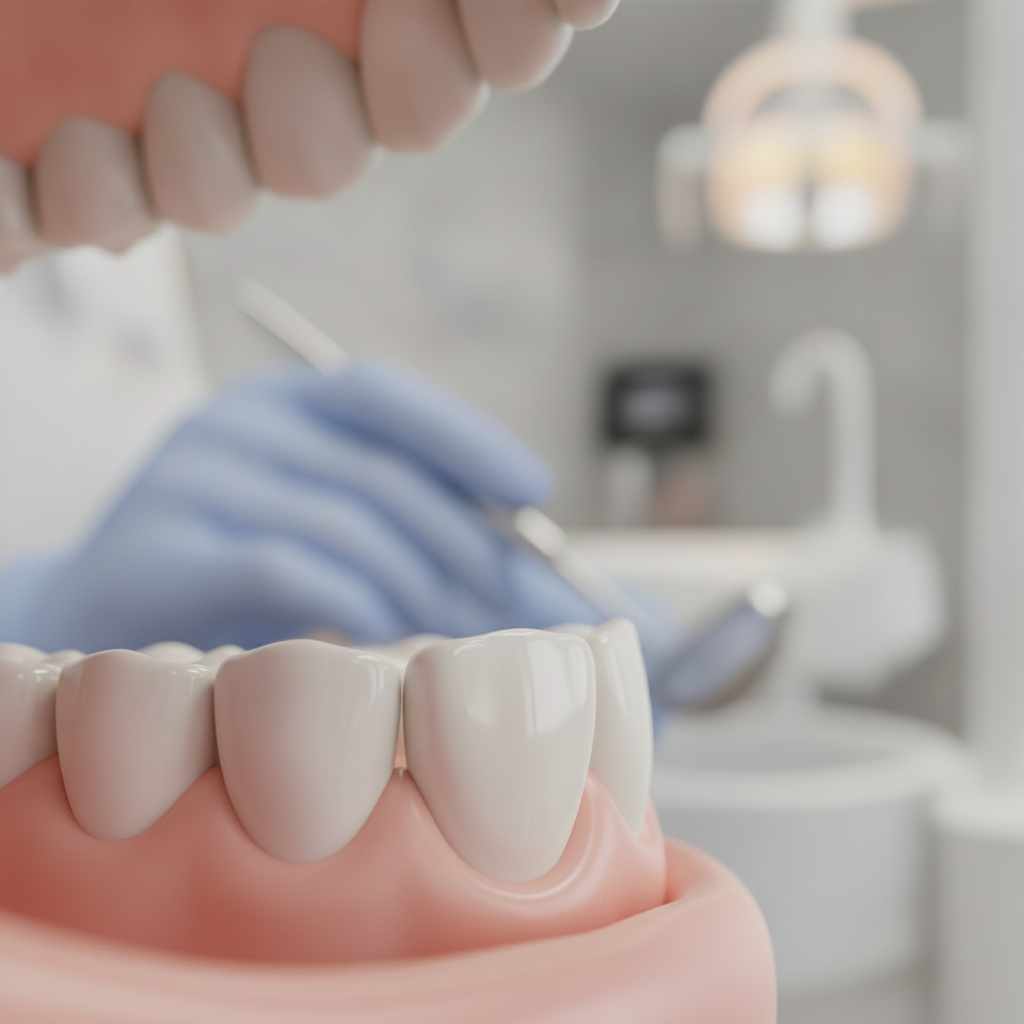
While private treatment comes with a cost, many people choose this route for the benefits of speed, choice, and access to specific treatments that significantly improve their quality of life or address concerns not deemed critical by NHS standards. Understanding the scope of both public and private options empowers individuals to make informed decisions about their health. The comprehensive nature of the NHS is undeniably a national treasure, but its resource allocation necessitates difficult choices, leading to certain treatments falling outside its provision. For those requiring specific treatments not covered, exploring private avenues is a necessary and often beneficial step. For additional information regarding the various services provided by the National Health Service, consult National Health Service on Wikipedia.