Dental Costs in Liverpool – What to Expect
Dental Costs in Liverpool – What to Expect
Navigating the landscape of dental care can often feel overwhelming, especially when it comes to understanding the financial commitment involved. For residents of Liverpool, securing high-quality oral health services is a priority, but the question of “how much will it cost?” is always at the forefront. This comprehensive guide aims to demystify dental expenses in Liverpool, providing a clear overview of what you can anticipate when planning your dental treatment.
Oral health is intrinsically linked to overall well-being, influencing everything from digestion and speech to self-confidence. Delaying necessary dental care due to cost concerns can lead to more complex and expensive problems down the line. Therefore, understanding the various factors that influence dental pricing and exploring available options is crucial for making informed decisions about your oral health journey in Liverpool.
Factors Influencing Dental Costs in Liverpool
The price of dental treatment isn’t uniform across all clinics or procedures. Several key factors contribute to the variation in dental implant costs and other treatments in Liverpool:
- Location and Clinic Type: Practices situated in prime city centre locations or those with state-of-the-art facilities may have higher overheads, which can be reflected in their pricing. Independent private practices often set their own fee structures, while corporate dental groups might offer more standardised pricing. The reputation and specialisation of a clinic also play a role, with clinics focusing on cosmetic or advanced restorative work often having different price points.
- Dentist’s Experience and Specialisation: Highly experienced dentists or those with specialist qualifications (e.g., orthodontists, endodontists, periodontists, oral surgeons) typically command higher fees due to their advanced skills, additional training, and expertise. This is particularly true for complex procedures where a specialist’s precision can significantly impact the outcome.
- Complexity of the Procedure: A simple check-up will naturally cost less than a multi-surface filling, root canal treatment, or a full set of dental implants. The time required, the number of appointments, the materials used, and the intricacy of the dental work all contribute to the final price. For instance, a straightforward extraction is less costly than a surgical extraction for an impacted wisdom tooth, which might require more time, specialised instruments, and perhaps sedation.
- Materials Used: The quality and type of materials chosen for restorations like fillings, crowns, or veneers significantly impact the cost. For example, white composite fillings are generally more expensive than amalgam (silver) fillings, primarily due to the material cost and the more intricate bonding process. Different types of crown materials (e.g., porcelain-fused-to-metal vs. full ceramic/zirconia) also have varying price points based on aesthetics, durability, and manufacturing processes. These differences reflect both the material science and the aesthetic outcome desired by the patient.
- Technology and Equipment: Clinics that invest in advanced dental technology, such as 3D imaging (CBCT scans), CAD/CAM for same-day crowns, laser dentistry, or digital impression systems, often provide a higher standard of care and efficiency. While these technologies can lead to more accurate diagnoses and faster treatment times, the cost of maintaining and operating this sophisticated equipment can be factored into treatment prices. Patients benefit from superior outcomes and often greater comfort.
- Laboratory Fees: For treatments involving custom-made prosthetics like crowns, bridges, dentures, or veneers, dental laboratories are an essential part of the process. The quality of the lab, the technicians’ expertise, and the materials used for fabrication all contribute to laboratory fees. These fees are a significant component of the overall cost for indirect restorations, reflecting the bespoke nature and craftsmanship involved in creating a perfectly fitting and aesthetically pleasing dental appliance.
Understanding Common Dental Costs in Liverpool
To provide a clearer picture, let’s look at estimated costs for some common dental procedures in Liverpool. It’s important to remember these are average ranges, and actual prices will vary significantly between practices. Always obtain a detailed treatment plan and quote from your chosen dentist, as individual cases can alter the final cost.
| Procedure | Estimated Private Cost Range in Liverpool (GBP) | Description |
|---|---|---|
| Dental Examination & Check-up | £40 – £80 | A comprehensive examination of teeth, gums, and oral tissues, often including basic X-rays. Essential for preventive care and early detection of issues, preventing more serious problems. |
| Standard Scale & Polish | £50 – £90 | Professional cleaning performed by a dentist or hygienist to remove plaque, tartar, and surface stains. Helps prevent gum disease and cavities, promoting overall oral hygiene. |
| Amalgam Filling (Silver) | £60 – £120 | Used to restore a tooth damaged by decay. Amalgam is a durable and cost-effective material, typically applied to posterior (back) teeth where aesthetics are less of a concern. |
| Composite Filling (White) | £90 – £250 | Tooth-coloured resin material that bonds directly to the tooth, offering a more aesthetic and discreet restoration. Cost varies by the size and number of surfaces affected by the filling. |
| Simple Tooth Extraction | £100 – £200 | Removal of a visible, easily accessible tooth. This is a straightforward procedure; more complex or surgical extractions (e.g., for impacted wisdom teeth) will incur higher costs. |
| Root Canal Treatment (Single Root) | £300 – £600 | Procedure to save a severely infected or damaged tooth by removing the inflamed or infected pulp, cleaning, disinfecting, and sealing the root canal system. Multi-rooted teeth (molars) are typically more expensive due to their complexity. |
| Porcelain Crown | £500 – £1200 | A custom-made cap placed over a damaged, weakened, or heavily restored tooth to restore its shape, size, strength, and appearance. Materials (e.g., full porcelain, zirconia) and lab fees significantly influence the cost. |
| Dental Bridge (per unit) | £450 – £900 | Used to replace one or more missing teeth by joining crowns to adjacent natural teeth or implants. The cost is usually quoted per unit, meaning each crown (abutment) and the suspended artificial tooth (pontic). |
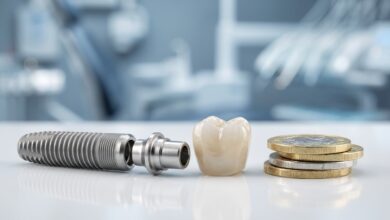
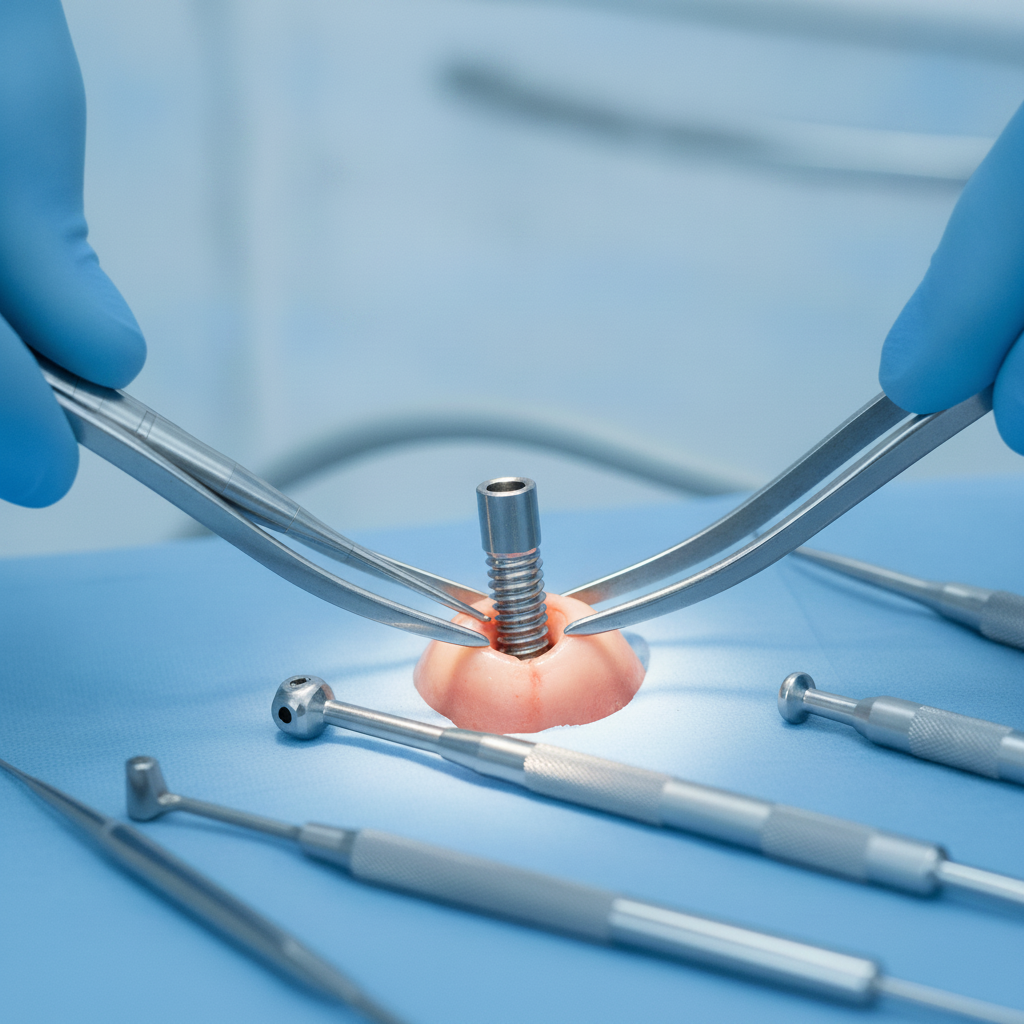
| Single Dental Implant | £2000 – £3500+ | A titanium screw surgically placed into the jawbone to replace the root of a missing tooth, serving as a stable foundation for a crown. This cost typically includes the implant post, abutment, and crown, but can vary significantly based on complexity, need for bone grafting, and clinic. |
| Professional Teeth Whitening | £250 – £500 | Treatment designed to lighten the shade of teeth and remove surface stains. Price depends on the method (in-office vs. take-home kit) and concentration of whitening agents used. |
| Veneers (per tooth) | £600 – £1200 | Thin, custom-made shells of tooth-coloured materials (porcelain or composite resin) designed to cover the front surface of teeth to improve their appearance, correcting discolouration, chips, or minor misalignment. |
NHS vs. Private Dentistry: A Cost Comparison in Liverpool
When considering dental care in the UK, patients often face a choice between NHS and private treatment. This distinction is particularly relevant when discussing the UK dental care system and costs in Liverpool, as it impacts both the financial outlay and the type of care received.
- NHS Dentistry:
- Pricing Structure: NHS dental charges are fixed by the government and fall into three bands, making them generally more affordable and predictable for patients.
- Band 1 (£25.80): Covers an examination, diagnosis (including X-rays), scale and polish, and preventive care like fluoride varnish or fissure sealants.
- Band 2 (£70.70): Includes all Band 1 treatments, plus additional treatments such as fillings, root canal treatment, or extractions.
- Band 3 (£306.80): Covers all Band 1 and 2 treatments, plus more complex procedures like crowns, dentures, or bridges.
- Limitations: While cost-effective, NHS dentistry operates under strict guidelines focusing on clinical necessity rather than cosmetic preferences. This means patients might not have a choice of materials (e.g., amalgam fillings might be used instead of white composite on back teeth), and waiting lists for appointments can be long, especially for new patients or specialist treatments. Specific advanced cosmetic procedures like veneers or extensive teeth whitening are generally not available on the NHS unless there’s a clinical need.
- Pricing Structure: NHS dental charges are fixed by the government and fall into three bands, making them generally more affordable and predictable for patients.
- Private Dentistry:
- Pricing Structure: Private dental fees are set by individual practices and reflect the quality of materials, advanced technology used, the time spent per appointment, and the dentist’s expertise and experience. Prices are typically higher than NHS charges but offer greater flexibility and choice.
- Advantages:
- Wider Choice of Treatments: Access to a full range of cosmetic options (e.g., custom veneers, advanced teeth whitening systems, clear aligners for orthodontics) and state-of-the-art restorative procedures that might not be available on the NHS.
- Flexible Appointment Times: Shorter waiting lists, more convenient scheduling options, and longer appointment slots allowing for more detailed discussions and thorough treatment.
- Choice of Materials: Patients can often choose aesthetically superior and more durable materials for their restorations, such as all-ceramic crowns or composite fillings for all teeth.
- Advanced Technology: Private practices frequently invest in the latest dental technology for enhanced precision, comfort, and efficiency, leading to better diagnostic capabilities and treatment outcomes.
- Personalised Care: More time spent with the dentist, offering a more bespoke and comprehensive patient experience, often including continuity of care with the same practitioner.
Navigating Payment Options and Dental Insurance in Liverpool
Understanding the various ways to pay for dental treatment can help manage the financial aspect of your oral health journey in Liverpool, making necessary care more accessible.
- Direct Payment: Most clinics accept direct payments via debit/credit card or bank transfer. For larger treatment plans, some practices may offer a small discount for upfront payment, or require a deposit before commencing extensive work.
- Payment Plans: Many private practices offer interest-free or low-interest payment plans, allowing patients to spread the cost of extensive treatments over several months or even years. These plans are typically arranged through third-party finance providers but managed by the dental clinic, requiring a credit check.
- Private Dental Insurance: Private dental insurance policies can cover a portion of treatment costs. These policies vary widely, with some covering only routine check-ups and basic treatments, while others offer more extensive coverage for major restorative work. It’s crucial for patients to understand the policy limits, deductibles, and any waiting periods before committing to a plan or assuming coverage.
- Dental Savings Plans/Membership Plans: Some private clinics offer their own in-house membership plans. For a monthly or annual fee, these plans often include routine examinations and hygiene appointments, along with discounts on other treatments. This can be a cost-effective way to manage regular preventive care and predictable expenses.
Tips for Managing Dental Expenses in Liverpool
While dental costs can seem significant, there are proactive steps you can take to manage your expenses and ensure your oral health remains a priority without breaking the bank:
- Prioritise Preventive Care: Regular check-ups and hygiene appointments are arguably the most cost-effective way to maintain oral health. Catching issues like small cavities or early gum disease before they escalate into more serious problems can save you considerable money and discomfort in the long run. Adopting a rigorous at-home oral hygiene routine, including brushing twice daily with fluoride toothpaste and daily flossing, also significantly reduces the need for extensive treatments.
- Get Multiple Quotes: Especially for larger or more complex procedures, it’s wise to consult with a few different dentists or clinics in Liverpool. Obtain detailed treatment plans and itemised quotes to compare prices and understand precisely what is included in each cost. This also allows you to assess the dentist’s approach and your comfort level with the proposed treatment.
- Ask About Payment Plans: Don’t hesitate to discuss payment options with your dental practice. Many are willing to work with patients to make treatment affordable, whether through instalment plans, phased treatment (spreading treatment over time), or internal finance schemes that align with your budget.
- Consider Dental Membership Plans: If your chosen private clinic offers a membership plan, carefully evaluate if it aligns with your needs and anticipated dental care. These plans often provide excellent value for routine care and can offer attractive discounts on other treatments, effectively acting as a form of self-insurance for everyday dental needs.
- Understand Your NHS Entitlements: If budget is a primary concern, familiarise yourself with the full scope of NHS dental services. While it may not cover all cosmetic desires or provide immediate appointments, it provides a foundational level of essential care at a significantly lower, fixed cost, which can be invaluable.
- Explore Dental Tourism (with caution): While this article focuses on Liverpool, some individuals explore dental treatment abroad in countries like Turkey, which often boast lower costs for extensive treatments like dental implants or veneers. However, this comes with important considerations regarding aftercare, travel expenses, potential language barriers, and regulatory differences. Research thoroughly if considering this option, ensuring the quality and standards are comparable to UK care.
Making an Informed Decision for Your Dental Health
Ultimately, choosing a dental provider in Liverpool involves more than just comparing prices. It’s about finding a crucial balance between cost, the quality of care received, the overall patient experience, and the dentist’s professional philosophy. A seemingly lower initial price might appear appealing, but if it compromises the long-term health, functionality, or aesthetics of your smile, it might not prove to be the most economical choice in the end. Conversely, the most expensive clinic isn’t automatically guaranteed to be the best fit for everyone. Look for transparency in pricing, clear and compassionate communication from the dental team, a comfortable and hygienic environment, and a practice that genuinely prioritises your well-being and long-term oral health.
Invest time in thorough research, read patient reviews from various sources, and take advantage of initial consultations offered by clinics to discuss your concerns, explore all available treatment options, and gain a clear and comprehensive understanding of the costs associated with your specific needs. Your smile is a valuable and integral asset, and investing wisely in its care will undoubtedly pay dividends for your health and confidence for many years to come.