Emergency Dentist Cost London

An emergency consultation typically involves a quick assessment of the issue, diagnosis, and often immediate pain relief or temporary solutions. This initial fee generally does not cover the cost of definitive treatment. For instance, if you have a severe toothache due to an infected tooth, the emergency dentist might open the tooth to drain the infection and prescribe antibiotics as an emergency measure, but the full root canal treatment would be a subsequent appointment and a separate cost. Similarly, a chipped or broken tooth might receive a temporary filling or smoothing during an emergency visit, with a more permanent restoration like a bonding, veneer, or crown planned for later. Understanding that emergency treatment often focuses on stabilizing the situation and alleviating acute symptoms, rather than completing the entire restorative process, is key to managing expectations regarding costs and follow-up care.
Emergency Dentist Cost London is a significant concern for anyone experiencing sudden dental pain or trauma. Understanding the factors that influence these costs and how to navigate emergency dental care can alleviate stress during an already challenging time. When a dental emergency strikes, swift action is paramount, not only to alleviate pain but also to prevent more severe complications that could lead to higher costs and more extensive treatments in the long run. London, being a major global city, offers a wide range of dental services, from NHS practices to high-end private clinics, each with varying price structures for emergency care.
Understanding Emergency Dentist Cost London: Key Factors
A dental emergency is any oral health issue that requires immediate attention to save a tooth, stop bleeding, alleviate severe pain, or treat an infection. Common emergencies include severe toothaches, chipped or broken teeth, knocked-out teeth, lost fillings or crowns, and dental abscesses. The cost of addressing these issues in London can fluctuate based on several crucial factors. Firstly, the nature and complexity of the emergency itself play a major role. A simple emergency consultation might have a standard fee, but if it requires intricate procedures like a root canal or complex extraction, the price will naturally increase.
Secondly, the type of dental practice you visit significantly impacts the cost. NHS emergency dental services are available and are generally much cheaper, but appointments can be hard to secure, especially out-of-hours, and the scope of treatment might be limited to immediate pain relief or temporary solutions. Private practices, while more expensive, typically offer quicker appointments, a wider range of treatment options, and often more advanced technologies and materials. Thirdly, the location of the clinic within London can affect pricing, with central or affluent areas often charging more. Lastly, whether the emergency occurs during standard business hours or outside of them (e.g., evenings, weekends, public holidays) can incur additional “out-of-hours” or “call-out” fees.
Common Dental Emergencies and Their Typical Treatment Costs
To provide a clearer picture of what you might expect, here is a general breakdown of common emergency dental procedures and their estimated cost ranges in private London clinics. It’s important to note that these are approximate figures and can vary widely based on the factors mentioned above.
| Procedure | Description | Estimated Private Cost Range (£) |
|---|---|---|
| Emergency Consultation/Assessment | Initial examination, diagnosis, and pain relief. Does not include definitive treatment. | £70 – £150 |
| Emergency Tooth Extraction | Removal of a severely damaged, infected, or painful tooth. | £150 – £350 |
| Emergency Root Canal Treatment (initial stage) | Opening the tooth to drain infection and relieve pain. Definitive root canal will be separate. | £250 – £600 (for initial emergency intervention) |
| Dental Abscess Drainage | Incision and drainage of a pus-filled pocket to relieve pressure and infection. | £100 – £250 |
| Emergency Filling Repair | Replacement or repair of a lost or fractured filling. | £100 – £300 |
| Crown/Bridge Re-cementation | Re-attaching a dislodged dental crown or bridge. | £80 – £200 |
| Trauma (Chipped/Broken Tooth) | Initial assessment and possibly temporary filling or bonding to protect the tooth. | £100 – £400 (depending on complexity) |
Navigating Payment Options for Emergency Dental Care
Dealing with an unexpected dental emergency can be stressful, and the financial aspect often adds to that anxiety. Fortunately, several payment options can help manage the cost of dental treatments in London. For those on a tight budget, NHS emergency dental services are available across London. Patients usually pay a standard NHS charge for emergency care, which is significantly lower than private rates. However, availability can be limited, and the treatment scope is primarily focused on pain relief and temporary solutions, meaning you might need to seek private follow-up care for definitive treatment.
Private clinics, while more expensive, offer greater flexibility and immediate appointments. Many private practices understand the financial burden of unexpected emergencies and provide various payment solutions. This can include interest-free credit options for a certain period, allowing you to spread the cost over several months. Some clinics also offer in-house membership plans or collaborate with third-party medical finance providers. If you have private dental insurance, it’s crucial to check your policy details. Most dental insurance plans cover a portion of emergency dental treatments, but limits, deductibles, and waiting periods can apply. Always confirm coverage with your insurer before treatment. Finally, always ask for a clear, itemized estimate of costs upfront. A reputable clinic will be transparent about fees and discuss all available payment options before proceeding with any treatment.
Why Timely Emergency Dental Care is Crucial
Delaying emergency dental care can lead to more serious health issues and, paradoxically, higher overall costs. What starts as a manageable problem can quickly escalate without proper intervention. For example, an untreated dental abscess can lead to a widespread infection (cellulitis), potentially affecting other parts of the body and requiring hospitalization. A chipped tooth left untreated can suffer further damage, potentially exposing the nerve and necessitating a root canal, whereas prompt treatment might have only required a simple filling or bonding. Similarly, a knocked-out tooth has the highest chance of successful re-implantation if treated within the first hour of the injury. Waiting can reduce the viability of saving the tooth, leading to the need for more expensive solutions like a dental implant or bridge later on. Addressing the problem early can prevent irreversible damage, minimize pain, and often lead to less invasive and less costly treatments. The long-term health of your mouth and your overall well-being are heavily dependent on prompt care during a dental crisis. For more detailed information on various dental emergencies and their immediate management, consult reputable health resources like Wikipedia’s page on Dental Emergency.
Finding an Affordable Emergency Dentist in London
Finding an affordable emergency dentist in London without compromising on quality requires a bit of research and a clear understanding of your needs. Start by identifying practices that offer transparent pricing and are willing to provide an estimate before commencing treatment. Many private clinics have their emergency consultation fees listed on their websites, which can be a good starting point. Don’t hesitate to call a few clinics to inquire about their emergency fees and available appointments. While cost is a factor, prioritizing the quality and experience of the dental team is vital, especially in an emergency situation where precision and expertise are critical.
When contacting clinics, specifically ask about any “out-of-hours” surcharges if your emergency occurs outside regular business hours. Some clinics have different fee structures for evening, weekend, or holiday appointments. If you are eligible for NHS dental care, check the NHS website for a list of local emergency dental services or call 111 for guidance. Remember that while the initial emergency treatment might stabilize the situation, you will likely need follow-up appointments for definitive care. Discuss the full treatment plan and associated costs with your dentist to avoid any surprises. Prioritizing clear communication with your chosen clinic will help you make informed decisions regarding both the treatment and its financial implications.
What to Expect During an Emergency Dental Appointment
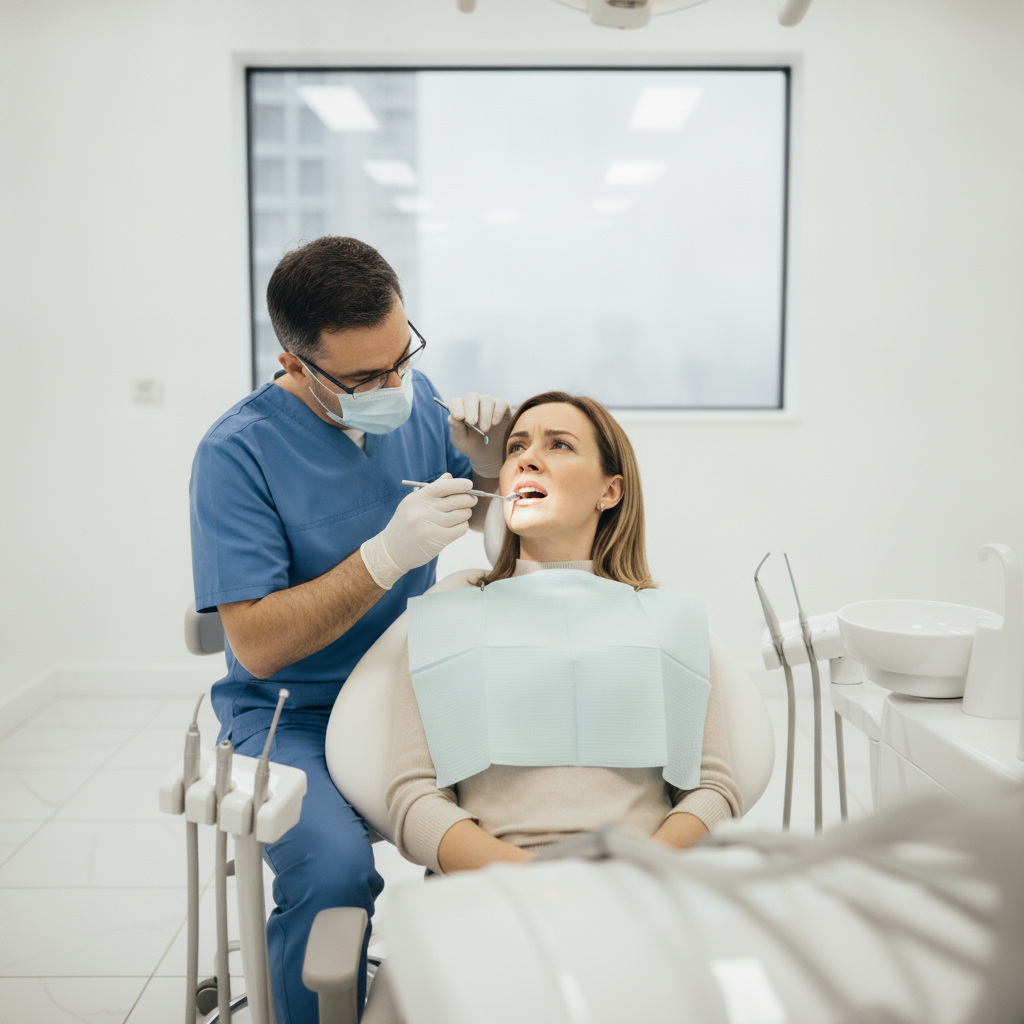
When you arrive for an emergency dental appointment, the primary goal is to address the immediate problem and alleviate your discomfort. The process typically begins with the dental team taking a detailed history of your symptoms, including when the pain started, its severity, and any specific triggers. A thorough clinical examination will follow, often accompanied by X-rays to assess the underlying structures of the teeth and jaw. The dentist will explain their diagnosis and propose a suitable emergency treatment plan, which might include administering local anesthetic to manage pain, draining an abscess, placing a temporary filling, or performing an emergency extraction. The focus at this stage is on stabilizing your condition and providing immediate relief.
Navigating a dental emergency in London can be daunting, particularly when considering the associated costs. However, by understanding the common procedures, their typical price ranges, and the various payment options available, individuals can make more informed decisions. Prompt action during a dental emergency not only helps in alleviating immediate pain but also plays a crucial role in preventing further complications and potentially higher treatment expenses in the future. Prioritizing regular dental check-ups remains the best strategy for preventing many emergencies and maintaining optimal oral health.

Depending on the complexity of the emergency, you might receive a temporary solution that requires a follow-up appointment for definitive treatment. For example, if you have a severe infection, the dentist might perform an initial root canal treatment (pulpectomy) to remove infected tissue and prescribe antibiotics, with the full root canal completion scheduled later. You will also receive post-treatment care instructions, including advice on pain management, diet, and oral hygiene, as well as details for any necessary follow-up appointments. Clear communication with your dental team is essential to understand the short-term and long-term aspects of your emergency care.