Dental Implants vs Dentures UK – Which Is Better?
Dental Implants vs Dentures UK – Which Is Better?
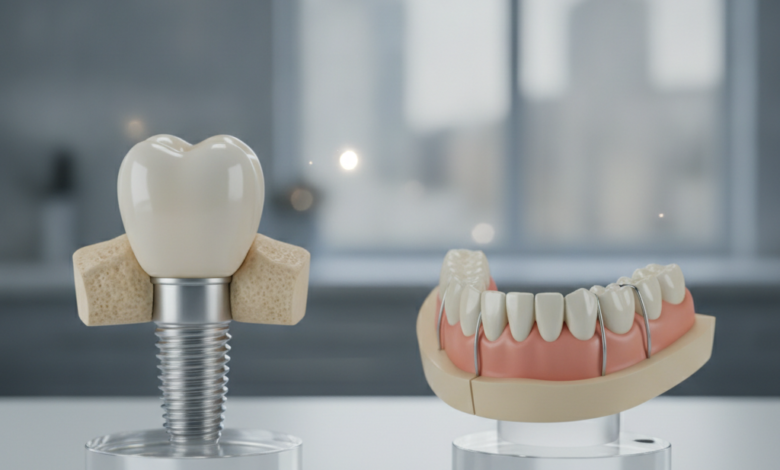
When facing tooth loss, the decision between dental implants and dentures is one of the most significant choices individuals in the UK can make for their oral health and overall quality of life. Both options offer effective ways to restore function and aesthetics, but they differ fundamentally in their approach, benefits, costs, and long-term implications. Understanding these differences is crucial for making an informed decision that aligns with your personal needs, lifestyle, and budget. This comprehensive guide will delve into each solution, comparing their features, procedures, and what they mean for patients in the UK.
Understanding Dental Implants: A Permanent Solution
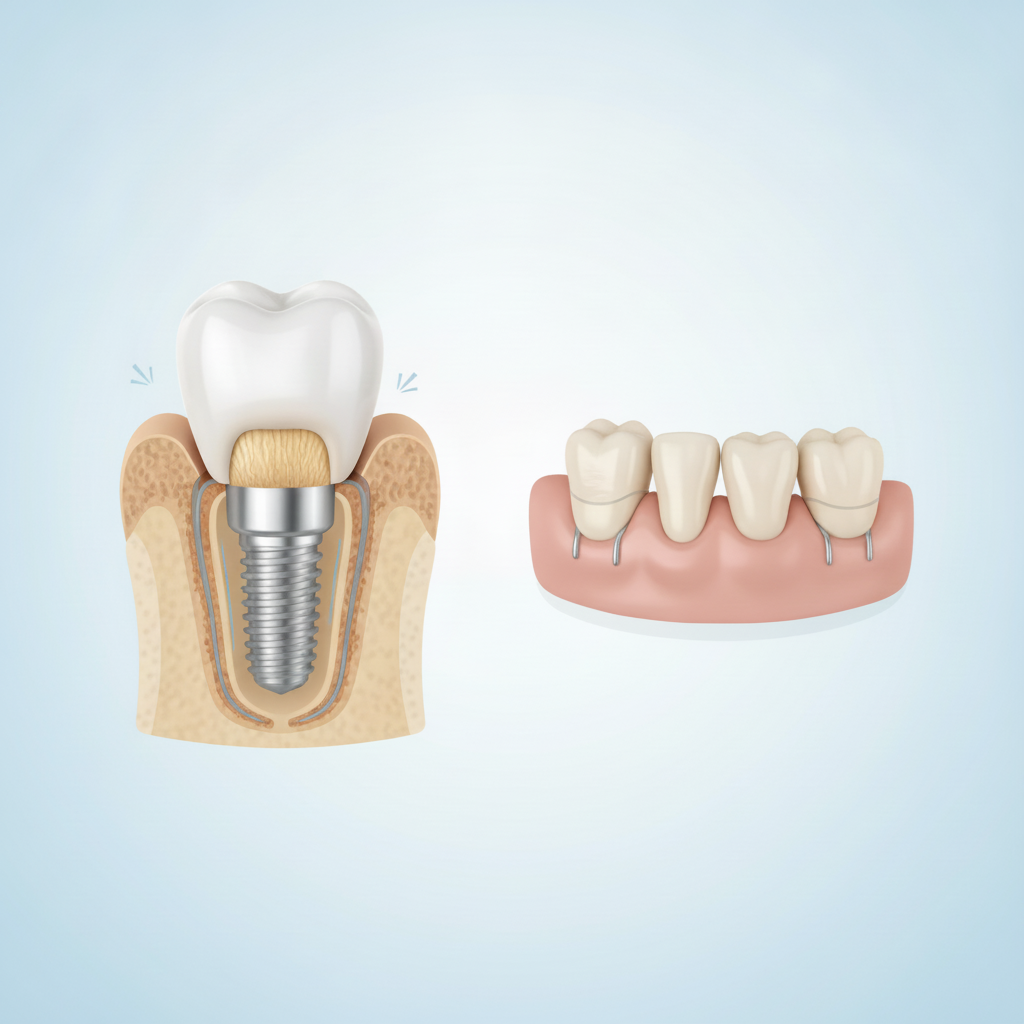
Dental implants are modern dentistry’s most advanced solution for replacing missing teeth. Unlike traditional prosthetics, implants replicate the natural tooth structure, from root to crown. They consist of three main components: a titanium post (the implant) surgically placed into the jawbone, an abutment that connects the post to the prosthetic, and a custom-made crown, bridge, or denture that sits atop the abutment.
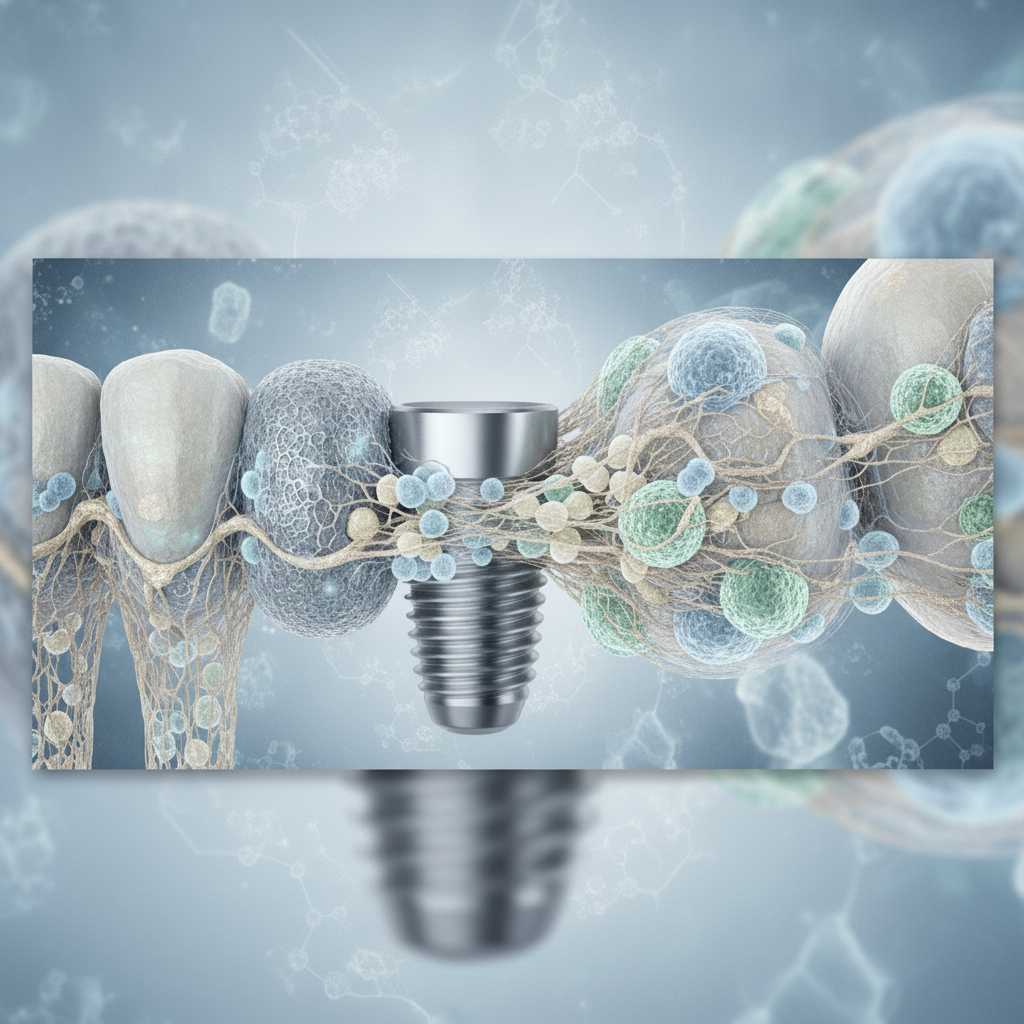
The key to the success of dental implants lies in a biological process called osseointegration. After the titanium post is inserted into the jawbone, it gradually fuses with the bone over several months, creating a strong, stable foundation for the artificial tooth. This process not only provides unparalleled stability but also helps to prevent the bone loss that typically occurs after a tooth is extracted, thereby preserving facial structure and jawbone integrity.
The Dental Implant Procedure in the UK
The journey to receiving dental implants typically involves several stages:
1. **Initial Consultation and Assessment**: This stage involves a thorough examination of your oral health, including X-rays and 3D scans, to assess bone density and determine the optimal placement for the implants. A personalised treatment plan is then developed.
2. **Implant Placement Surgery**: During this outpatient procedure, the titanium implant posts are surgically inserted into the jawbone. Local anaesthesia is typically used, and sedation options are available for patient comfort.
3. **Healing Period (Osseointegration)**: This crucial phase can last from 3 to 6 months, allowing the implants to integrate fully with the jawbone. During this time, temporary prosthetics may be worn.
4. **Abutment Placement**: Once osseointegration is complete, a small connector, the abutment, is attached to the implant post.
5. **Crown/Prosthetic Attachment**: Finally, a custom-fabricated crown, bridge, or full denture is securely attached to the abutment, completing the restoration. The shade and shape are carefully matched to your existing teeth for a natural appearance.
Benefits of Dental Implants
* **Superior Stability and Comfort**: Implants are anchored directly into the jawbone, providing a secure fit that eliminates slipping, clicking, or discomfort associated with traditional dentures.
* **Natural Appearance and Function**: They look, feel, and function like natural teeth, allowing for normal chewing, speaking, and smiling.
* **Bone Preservation**: Implants stimulate the jawbone, preventing the bone resorption that occurs with tooth loss and helps maintain facial structure.
* **Durability and Longevity**: With proper care, dental implants can last a lifetime, making them a long-term investment in oral health.
* **No Impact on Adjacent Teeth**: Unlike bridges, implants do not require altering neighbouring healthy teeth.
* **Improved Oral Health**: Easier to clean than bridges or dentures, contributing to better overall oral hygiene.
Understanding Dentures: A Removable Alternative
Dentures are removable prosthetic devices designed to replace missing teeth and surrounding tissues. They are a traditional and often more immediate solution for tooth loss, available as complete (full) dentures or partial dentures.
* **Complete Dentures**: Used when all teeth in an arch are missing. They rest on the gums and are held in place by suction and sometimes a denture adhesive.
* **Partial Dentures**: Used when some natural teeth remain. They consist of replacement teeth attached to a gum-coloured base, often with metal clasps that attach to existing natural teeth for stability.
Types of Dentures
* **Conventional Dentures**: Fabricated after the remaining teeth have been extracted and the gum tissues have healed, which can take several months.
* **Immediate Dentures**: Made in advance and can be inserted immediately after tooth extraction. This allows patients to avoid being without teeth during the healing period, though they often require adjustments as gums heal and shrink.
* **Overdentures**: These are removable dentures that fit over a small number of remaining natural teeth or dental implants, offering increased stability compared to conventional dentures.
Benefits of Dentures
* **Cost-Effective**: Generally, dentures are a more affordable initial investment than dental implants.
* **Non-Invasive Procedure**: The process of getting dentures does not involve surgery, making it suitable for patients who are not candidates for surgery or prefer a non-invasive option.
* **Faster Solution**: Dentures can often be fabricated and fitted more quickly than the multi-stage implant process.
* **Aesthetic Improvement**: They restore the appearance of a full smile and provide support for facial muscles, which can sag with tooth loss.
Limitations of Dentures
* **Less Stable**: Can slip, click, or feel less secure, especially during eating or speaking. Adhesives may be necessary.
* **May Affect Speech and Eating**: Requires an adjustment period, and some foods may be difficult or impossible to eat.
* **Bone Resorption**: Do not prevent jawbone loss, which can lead to changes in facial structure and the need for frequent relining or replacement.
* **Maintenance**: Requires daily removal for cleaning and can accumulate bacteria if not properly cared for.
* **Discomfort**: May cause sore spots or irritation, especially when new or ill-fitting.
Dental Implants vs Dentures UK: A Detailed Comparison
Choosing between dental implants and dentures in the UK involves weighing various factors. Here’s a comparative overview:
| Feature | Dental Implants | Dentures |
|---|---|---|
| Stability & Security | Excellent; permanent fixture anchored to jawbone, no slipping. | Good to fair; removable, can slip, requires adhesive for best fit. |
| Appearance | Highly natural look and feel, blends seamlessly with natural teeth. | Can look natural, but sometimes appear less authentic than implants. |
| Functionality (Chewing) | Full chewing power, can eat all types of food without restriction. | Reduced chewing efficiency, some foods may be difficult to eat. |
| Longevity | Potentially lifelong with proper care (posts), crowns may need replacement after 10-15 years. | Typically 5-10 years, requiring relining or replacement due to bone changes. |
| Impact on Jawbone | Preserves jawbone density and stimulates bone, preventing resorption. | Does not prevent bone loss; jawbone can shrink over time. |
| Comfort | Feels like natural teeth, highly comfortable, no gum irritation. | Can cause gum irritation or sore spots, requires an adjustment period. |
| Maintenance | Brush and floss like natural teeth, regular dental check-ups. | Daily removal for cleaning, soaking, and specific denture care products. |
| Cost (Initial) | Higher initial investment, but a long-term solution. | Lower initial cost, but ongoing maintenance and replacement costs. |
| Treatment Time | Several months due to osseointegration period. | Weeks to a few months, depending on healing required. |
| Invasiveness | Surgical procedure required for implant placement. | Non-surgical, impression-based procedure. |
The choice between these two solutions often boils down to a balance of initial cost, long-term value, comfort, and functionality. While dentures offer a more immediate and less expensive fix, their long-term implications, such as reduced chewing ability, potential discomfort, and the inability to prevent jawbone loss, often lead many to consider implants as the superior investment.
The cost of dental implants in Manchester explained, like anywhere else in the UK, can vary significantly depending on the number of implants, the complexity of the case, and additional procedures like bone grafting. While a single implant can range from £2,000 to £3,500, full-mouth restorations using implants can be considerably more. Dentures, on the other hand, typically cost between a few hundred to a couple of thousand pounds, depending on whether they are partial or full and the materials used. It is vital to consider not just the upfront cost but also the long-term expenses, including relining for dentures and potential future replacements.
The Advanced Science Behind Dental Implants
The success of dental implants is rooted in extensive scientific research and technological advancements. Titanium, the material used for the implant post, is biocompatible, meaning it is well-tolerated by the human body and promotes osseointegration. This process is essentially the living bone growing onto and fusing with the surface of the titanium implant. The rough surface of modern dental implants is specifically designed to maximize contact with bone cells, enhancing the speed and strength of this fusion. This strong biological bond is what gives dental implants their incredible stability, allowing them to withstand the forces of chewing just like natural tooth roots.
Furthermore, advances in diagnostic imaging, such as cone-beam computed tomography (CBCT) scans, allow dentists to create a highly detailed 3D map of a patient’s jawbone, nerves, and sinus cavities. This precision planning ensures optimal placement of the implants, minimizing risks and improving long-term success rates. Computer-guided surgery is also becoming more common, using these 3D models to create surgical guides that ensure implants are placed with pinpoint accuracy.
Living with Dental Implants vs. Dentures
Life with dental implants is remarkably similar to life with natural teeth. You can eat virtually any food, speak clearly, and maintain oral hygiene by brushing and flossing regularly. Implants do not require special cleaning solutions or adhesives, and they are not removed for cleaning. This seamless integration into daily life is a significant factor for many patients considering the investment. The psychological benefits, such as increased confidence and a restored sense of normalcy, are often cited as invaluable.
In contrast, living with dentures involves a different routine. They need to be removed nightly for cleaning and soaking. Patients may experience some limitations in their diet, having to avoid hard, sticky, or chewy foods that could dislodge the dentures or become trapped underneath them. While modern dentures are more comfortable and aesthetically pleasing than those of the past, some individuals may still experience a learning curve with speaking and eating. Over time, as the jawbone changes shape due to bone loss, dentures may become loose and require relining or replacement to maintain a proper fit. The long-term success of dental implants and the comfort they offer are well-documented in scientific literature, often providing a superior quality of life compared to conventional dentures.
Choosing the Right Option for You in the UK
Factors to consider include:
* **Oral Health and Bone Density**: Implants require sufficient jawbone density for successful osseointegration. If bone density is low, bone grafting procedures may be necessary.
* **Overall Health**: Good general health is essential for surgical procedures, although many common health conditions do not preclude implant placement.
* **Budget**: While implants have a higher upfront cost, their longevity can make them more cost-effective over a lifetime.
* **Lifestyle and Expectations**: Consider how each option will fit into your daily life and what your priorities are in terms of comfort, aesthetics, and functionality.
In the UK, both options are widely available, with many clinics offering flexible payment plans to make treatment more accessible. A thorough discussion with your dentist will help you understand the most suitable treatment path, outlining all procedures, expected outcomes, and financial considerations. Ultimately, the goal is to restore not just your smile, but also your confidence and ability to enjoy life to the fullest.