Dental Implants vs Bridges UK Comparison
Dental Implants vs Bridges UK Comparison
Missing teeth can significantly impact an individual’s quality of life, affecting everything from eating and speaking to self-confidence. Fortunately, modern dentistry offers highly effective solutions to restore function and aesthetics. In the United Kingdom, the two most prominent and widely adopted methods for replacing missing teeth are dental implants and dental bridges. While both aim to fill the gap left by a lost tooth or teeth, they differ fundamentally in their approach, longevity, impact on oral health, and overall patient experience. Understanding these differences is crucial for anyone considering tooth replacement, allowing for an informed decision tailored to individual needs and circumstances.
Understanding Dental Implants: A Modern Solution for Tooth Loss
Dental implants represent a revolutionary advancement in restorative dentistry, designed to replicate the entire structure of a natural tooth. An implant consists of three main components: a titanium post, which acts as an artificial tooth root; an abutment, which connects the post to the visible restoration; and a custom-made crown, which replaces the visible portion of the tooth. The titanium post is surgically placed directly into the jawbone, where it undergoes a process called osseointegration, fusing with the bone over several months. This unique integration provides unparalleled stability and mimics the natural root, stimulating the jawbone and preventing bone loss.
The Dental Implant Procedure Explained
The journey to a fully restored smile with dental implants typically involves several stages. It begins with a comprehensive consultation and assessment, including detailed X-rays and 3D scans, to evaluate bone density and overall oral health. If insufficient bone is present, bone grafting may be necessary. The first surgical stage involves placing the titanium implant post into the jawbone. This procedure is usually performed under local anaesthesia. A healing period, often lasting 3 to 6 months, follows, during which osseointegration occurs. Once the implant has securely fused with the bone, a second minor procedure may be required to expose the implant and attach the abutment. Finally, impressions are taken, and a custom crown is fabricated to match the surrounding natural teeth in shape, size, and colour. This crown is then securely cemented or screwed onto the abutment, completing the restoration. For suitable candidates, same-day implant options might also be available, significantly condensing the treatment timeline.
Advantages of Dental Implants
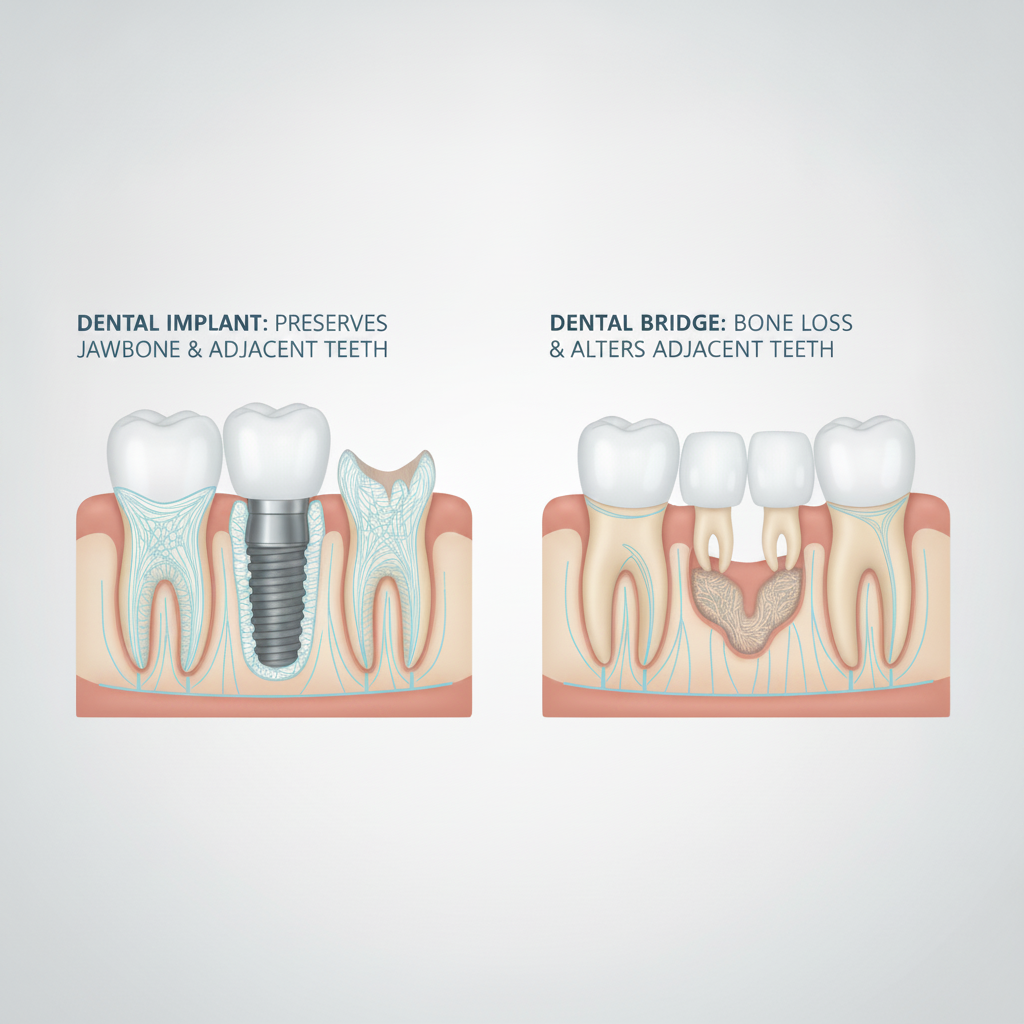
The benefits of dental implants are numerous and extend beyond mere aesthetics. Their most significant advantage is their ability to preserve jawbone structure. Unlike other solutions, implants stimulate the bone, preventing the deterioration that naturally occurs after tooth loss. This not only maintains facial structure but also protects the integrity of adjacent teeth. Implants are incredibly durable and, with proper care, can last a lifetime, making them a long-term, cost-effective solution. They function and feel like natural teeth, allowing patients to eat all types of food without discomfort or worry. Furthermore, since implants are standalone replacements, they do not require alteration or support from neighbouring healthy teeth, thereby preserving their natural structure and health. They offer superior aesthetics and comfort, becoming an indistinguishable part of the mouth.
Considerations for Dental Implants
While highly beneficial, dental implants do come with certain considerations. The most notable is the initial cost, which is generally higher than that of bridges. However, when considering their longevity and benefits, they often prove more economical in the long run. The procedure is surgical and requires a healing period, meaning the treatment timeline is longer than that for bridges. Patient suitability is also a factor; sufficient bone density is crucial, and certain medical conditions or lifestyle choices, such as smoking, can affect success rates. However, advancements in techniques like bone grafting and sinus lifts have made implants accessible to a wider range of patients. For a deeper understanding of the process, you can learn more about dental implants in Manchester.
Exploring Dental Bridges: A Traditional Approach
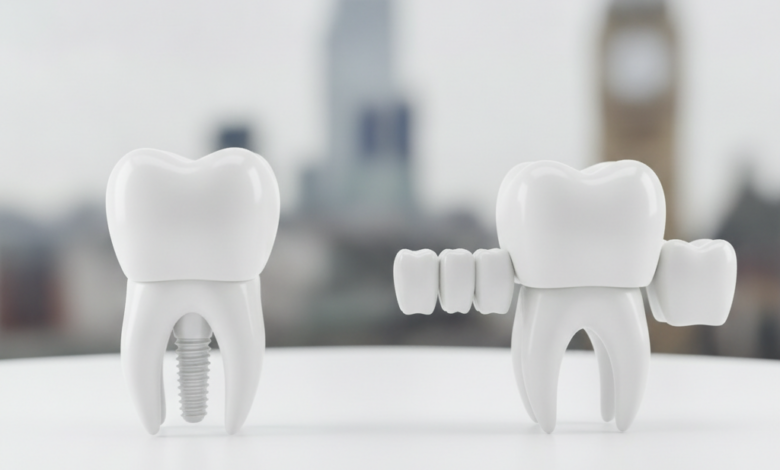
Dental bridges have been a standard solution for missing teeth for decades. A bridge essentially “bridges” the gap created by one or more missing teeth by anchoring artificial teeth (pontics) to natural teeth or implants on either side of the gap. The most common type is a traditional bridge, which consists of a pontic fused between two crowns that are placed over the healthy teeth adjacent to the gap, known as abutment teeth.
Types of Dental Bridges
Beyond traditional bridges, other variations exist to suit different patient needs. A cantilever bridge is used when there are healthy teeth on only one side of the gap. In this case, the pontic is supported by a crown on a single abutment tooth. Maryland bonded bridges, or resin-bonded bridges, are a more conservative option where the pontic is attached to metal or porcelain wings bonded to the inside surfaces of the adjacent natural teeth, requiring minimal preparation of the abutment teeth. Each type has its specific applications and limitations, influencing the choice of treatment.
The Dental Bridge Procedure Overview
The process for fitting a traditional dental bridge typically involves two or three appointments. During the first visit, the abutment teeth are prepared. This involves removing a small amount of enamel from these teeth to make space for the crowns that will cover them. Impressions of the prepared teeth are then taken and sent to a dental laboratory, where the custom bridge is fabricated. A temporary bridge may be placed to protect the prepared teeth while the permanent one is being made. At the subsequent appointment, the temporary bridge is removed, and the custom-made permanent bridge is carefully fitted and adjusted to ensure proper bite and comfort. Once satisfied, the dentist permanently cements the bridge into place.
Benefits of Dental Bridges
Dental bridges offer several advantages that make them a popular choice. They generally involve a quicker treatment timeline compared to implants, often completed within a few weeks. The procedure is less invasive as it does not require surgery into the jawbone. For patients who are not candidates for dental implants due to insufficient bone or certain health conditions, bridges provide a viable alternative. They are also often a more cost-effective option initially, making them accessible to a wider range of budgets. Bridges effectively restore chewing function and improve speech, providing a fixed solution that eliminates the daily hassle of removable dentures.
Potential Drawbacks of Dental Bridges
Despite their benefits, dental bridges also have notable drawbacks. The most significant is the irreversible alteration of healthy adjacent teeth. To support the bridge, these abutment teeth must be ground down, which can weaken them and increase their susceptibility to decay or nerve damage in the future. Bridges do not prevent bone loss in the area where the tooth is missing, as they do not stimulate the jawbone. Over time, this can lead to a sunken appearance in the jaw and potentially impact the fit of the bridge. The lifespan of a bridge is generally shorter than that of an implant, typically lasting 5 to 15 years, meaning it may need to be replaced, incurring additional costs and further intervention. Maintaining optimal hygiene around and under the bridge can also be challenging, increasing the risk of gum disease and decay.
Dental Implants vs Bridges UK Comparison: Making an Informed Choice
When deciding between dental implants and bridges in the UK, a thorough comparison of their key attributes is essential. Both serve the same fundamental purpose of replacing missing teeth, but their methods and long-term implications vary significantly.
| Feature | Dental Implants | Dental Bridges |
|---|---|---|
| Type of Solution | Standalone, artificial tooth root replacement | Supported by adjacent teeth or implants |
| Impact on Jawbone | Preserves bone, prevents deterioration (osseointegration) | Does not prevent bone loss in missing tooth area |
| Adjacent Teeth | No impact; healthy teeth remain untouched | Requires preparation (grinding down) of adjacent healthy teeth |
| Longevity | Typically 20+ years, often lifetime with proper care | Typically 5-15 years, may require replacement |
| Aesthetics & Feel | Most natural look and feel, functions like a natural tooth | Good aesthetics, but may feel less natural than implants |
| Invasiveness | Surgical procedure required | Less invasive, no surgery into jawbone |
| Treatment Time | Longer, involves healing period (3-9 months) | Shorter, typically a few weeks |
| Cost (Initial) | Higher initial investment | Lower initial investment |
| Cost (Long-term) | More cost-effective due to longevity | Potentially higher due to eventual replacement and issues with abutment teeth |
| Maintenance | Treat like natural teeth (brushing, flossing) | Requires specific cleaning techniques (floss threaders) |
Longevity and Durability
Dental implants boast superior longevity. A well-maintained dental implant can last for several decades, often for the patient’s entire life. This is primarily due to the titanium post’s integration with the jawbone, providing a stable and durable foundation. Dental bridges, while robust, typically have a lifespan of 5 to 15 years. Their longevity is often limited by the health of the abutment teeth, which can be susceptible to decay or structural compromise over time.
Impact on Jawbone and Adjacent Teeth
This is a critical differentiating factor. Dental implants are unique in their ability to preserve jawbone health. By acting as an artificial root, the implant stimulates the bone, preventing the atrophy that naturally occurs when a tooth is lost. This maintains facial structure and prevents a ‘sunk-in’ look. Bridges, conversely, sit on top of the gums and do not provide this bone stimulation, leading to gradual bone loss in the area of the missing tooth. Furthermore, implants are standalone units, meaning healthy adjacent teeth are left untouched. Traditional bridges, however, necessitate the irreversible grinding down of healthy adjacent teeth to serve as anchors, potentially compromising their long-term health and integrity. An external resource like Wikipedia’s entry on Dental Implants offers further scientific details on this biological process.
Aesthetics and Natural Feel
Both options can provide excellent aesthetic results, meticulously matched to your natural teeth. However, dental implants often offer a more natural look and feel because they emerge from the gum line just like natural teeth, and their stability allows for unrestricted chewing and speaking. Bridges, while aesthetically pleasing, can sometimes have a noticeable junction where the pontic meets the gum line, and their fixed nature can feel different from natural teeth.
Treatment Time and Invasiveness
The treatment timeline for dental implants is typically longer, often spanning several months, due to the surgical placement and the crucial osseointegration period. The procedure is more invasive, involving minor oral surgery. Dental bridges offer a quicker solution, usually completed within a few weeks across two or three appointments. The procedure is less invasive, involving tooth preparation rather than bone surgery.
Cost Considerations (Initial vs Long-term Value)
The initial cost of a single dental implant in the UK is generally higher than that of a traditional dental bridge. However, when evaluating the long-term value, implants often prove more cost-effective. Their exceptional longevity means fewer replacements and fewer associated costs over a lifetime. Bridges, while cheaper upfront, may require replacement every 5-15 years, and potential issues with abutment teeth can lead to additional expenses over time, potentially making them more expensive in the long run.
Maintenance and Oral Hygiene
Maintaining dental implants is straightforward, much like caring for natural teeth – regular brushing, flossing, and dental check-ups are usually sufficient. For dental bridges, specific cleaning techniques, such as using floss threaders or interdental brushes, are required to clean under the pontic and around the abutment teeth, areas prone to plaque accumulation and potential decay.
Who is a Candidate for Implants or Bridges?
The choice between implants and bridges is highly individual. Factors influencing suitability include the number and location of missing teeth, the overall health of the remaining teeth and gums, bone density in the jaw, general health, budget, and personal preferences. Patients with good general and oral health, sufficient bone, and no uncontrolled chronic diseases are typically good candidates for implants. Those with compromised bone structure, certain medical conditions, or a preference for a quicker, less invasive solution might lean towards bridges. A comprehensive evaluation by a qualified dental professional in the UK is paramount to determine the most appropriate and effective treatment plan.
The Importance of Professional Consultation in the UK
Navigating the options for tooth replacement requires expert guidance. A consultation with an experienced dentist is essential. They will conduct a thorough examination, including imaging, discuss your medical history, and understand your expectations and budget. This allows them to present the most suitable options, explain the procedures in detail, and help you weigh the pros and cons of dental implants versus bridges in the context of your unique oral health situation.
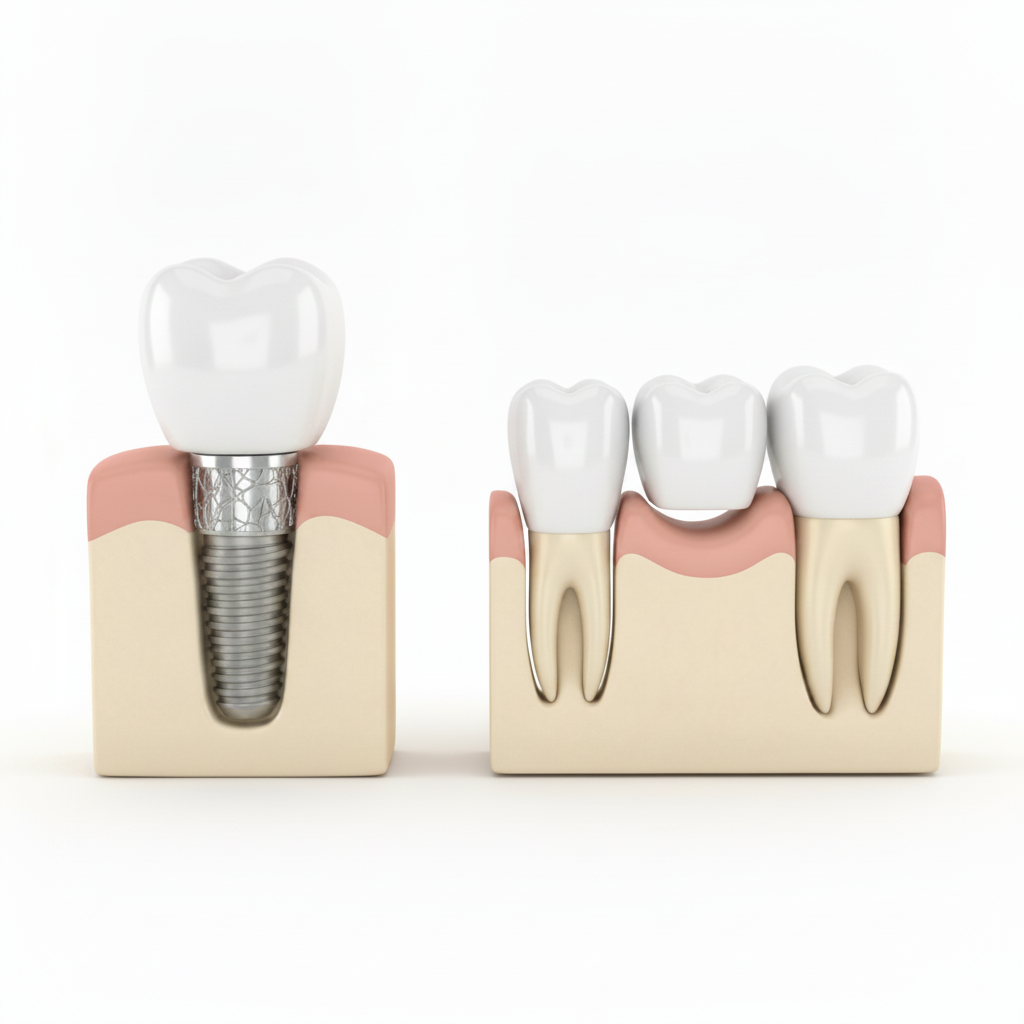
Both dental implants and dental bridges offer excellent ways to restore your smile and chewing function. While dental implants provide a more permanent, bone-preserving solution that closely mimics natural teeth, dental bridges offer a quicker, less invasive, and initially more affordable alternative. Your ultimate decision should be based on a comprehensive understanding of each option, a careful consideration of your personal circumstances, and the professional advice of your dentist.