Zirconium vs Porcelain Crowns UK
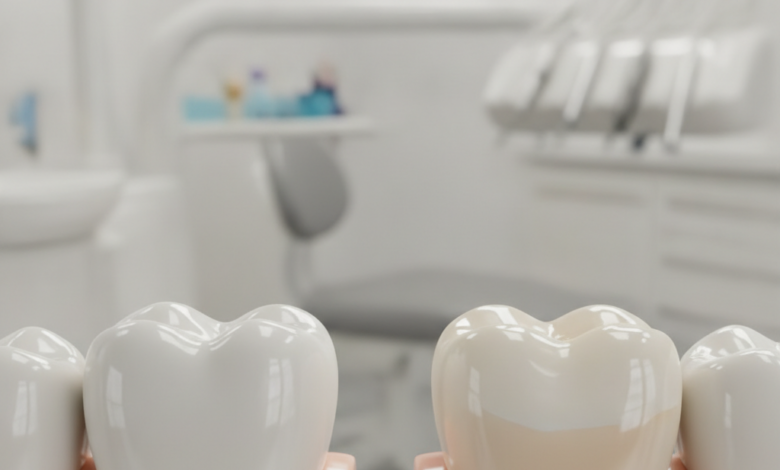
Dental crowns are a cornerstone of restorative and cosmetic dentistry, offering a robust solution for damaged, decayed, or aesthetically compromised teeth. In the United Kingdom, as globally, patients seeking to restore their smile and oral function are often presented with a choice between different crown materials, with zirconium and porcelain being two of the most popular and advanced options. Making an informed decision requires understanding the unique properties, benefits, and considerations of each material, tailored to individual needs and expectations. This comprehensive guide delves into the specifics of zirconium and porcelain crowns, providing a detailed comparison to help you navigate your options for a healthy, beautiful smile.
Zirconium vs Porcelain Crowns UK
Understanding Dental Crowns: Purpose and Importance
Dental crowns, often referred to as caps, are custom-made coverings that encase the entire visible portion of a damaged tooth, restoring its shape, size, strength, and improving its appearance. They are meticulously designed to blend seamlessly with your natural teeth, ensuring both functional integrity and aesthetic harmony. The need for a dental crown can arise from various circumstances, including extensive tooth decay that compromises structural integrity, fractured or broken teeth, teeth weakened by large fillings, protection after a root canal procedure, or to cover discoloured or misshapen teeth as part of cosmetic enhancement. Beyond aesthetics, crowns play a vital role in preserving tooth structure, preventing further damage, and ensuring proper bite alignment.
Zirconium Crowns: A Modern Solution
Zirconium crowns represent a significant advancement in dental material science, offering a highly durable and increasingly aesthetic option. Zirconia is a white crystalline oxide of zirconium metal, a ceramic material renowned for its exceptional strength and biocompatibility. Initially used primarily for its robustness in posterior teeth, advancements in manufacturing and layering techniques have made zirconium an increasingly viable option for anterior teeth as well. Full contour zirconia crowns are milled from a single block of zirconia, offering maximum strength, while layered zirconia crowns involve a zirconia core covered with a layer of porcelain for enhanced aesthetics.
Advantages of Zirconium Crowns
One of the primary advantages of zirconium crowns is their extraordinary strength and durability. Zirconia is remarkably resistant to fracture and wear, making these crowns an excellent choice for individuals who grind their teeth (bruxism) or for molar teeth that bear significant chewing forces. Their high flexural strength means they can withstand considerable pressure, contributing to their impressive longevity. Furthermore, zirconia is highly biocompatible, meaning it is well-tolerated by gum tissues and poses minimal risk of allergic reactions. This material also exhibits good aesthetic qualities, particularly newer generations of translucent zirconia, which can be colour-matched to adjacent teeth. Their smooth surface also makes them highly resistant to staining, maintaining their appearance over time with proper oral hygiene. The precise milling process for zirconia also ensures an excellent fit, crucial for crown longevity and preventing secondary decay.
Disadvantages of Zirconium Crowns
Despite their numerous benefits, zirconium crowns do have some considerations. While their hardness is a major advantage, it can also lead to wear on opposing natural teeth if the crown is not perfectly polished or occlusally adjusted. Achieving truly natural translucency, especially with older generations of zirconia, can sometimes be a challenge compared to all-porcelain crowns, making them slightly less ideal for highly aesthetic anterior restorations in some cases. The milling process for zirconium crowns can also be more complex, potentially influencing laboratory costs. Moreover, should a zirconium crown ever chip (which is rare), repairing it chairside can be more difficult than with porcelain. The material’s opacity can also sometimes make it challenging to mask discoloured tooth stumps underneath, requiring careful planning by the dentist.
Ideal Candidates for Zirconium
Zirconium crowns are an excellent choice for a wide range of patients. They are particularly recommended for posterior teeth where strength and durability are paramount for chewing efficiency. Individuals with a history of fracturing other crown types, those who clench or grind their teeth, and patients seeking a long-lasting restorative solution will find zirconium crowns highly beneficial. They are also suitable for patients with metal allergies, as zirconia is a metal-free material. With advancements in highly translucent zirconia, they are increasingly being used for anterior teeth where a balance of strength and aesthetics is desired, particularly if the underlying tooth structure is heavily discoloured or compromised.
Porcelain Crowns: The Aesthetic Choice
Porcelain crowns, especially all-ceramic or all-porcelain crowns, have long been the gold standard for achieving superior aesthetics in dental restorations. Crafted entirely from ceramic materials, these crowns are renowned for their ability to mimic the natural translucency and light-reflecting properties of tooth enamel, making them virtually indistinguishable from surrounding natural teeth. They can be meticulously shaded and contoured to match individual tooth characteristics, providing an exceptionally natural-looking result.
Advantages of Porcelain Crowns
The primary advantage of porcelain crowns lies in their unparalleled aesthetic appeal. Their ability to replicate the subtle translucency of natural teeth means they can blend seamlessly into your smile, making them the preferred choice for visible anterior teeth. This makes them an integral part of cosmetic dentistry. Porcelain is also highly biocompatible and hypoallergenic, ensuring excellent tissue response from the gums. Unlike metal-ceramic crowns, all-porcelain crowns eliminate the risk of a dark line appearing at the gum line over time, which can be a concern as gums recede. The smooth, glazed surface of porcelain is also resistant to staining, helping to maintain the crown’s brilliant appearance over many years.
Disadvantages of Porcelain Crowns
While aesthetically superior, porcelain crowns do have certain limitations. Their main drawback is their relative fragility compared to zirconium. All-porcelain crowns are more susceptible to chipping, cracking, or fracturing under heavy biting forces, especially on posterior teeth. This inherent brittleness means they may not be the ideal choice for individuals with strong bites or bruxism, or for molars where maximum chewing strength is required. The preparation process for porcelain crowns may also require more significant removal of healthy tooth structure to ensure adequate material thickness for strength and aesthetics. In cases of fracture, porcelain crowns often need full replacement rather than repair.
Ideal Candidates for Porcelain
Porcelain crowns are particularly well-suited for restoring anterior (front) teeth, where aesthetics are the paramount concern. Patients looking for the most natural-looking restoration possible, especially those with high smile lines or those concerned about visible dental work, are ideal candidates for porcelain. They are also suitable for individuals with good oral hygiene practices and those who do not exert excessive biting forces. For patients without severe functional demands on the crown, all-porcelain crowns offer an excellent balance of beauty and functionality.
Zirconium vs Porcelain Crowns UK: A Detailed Comparison
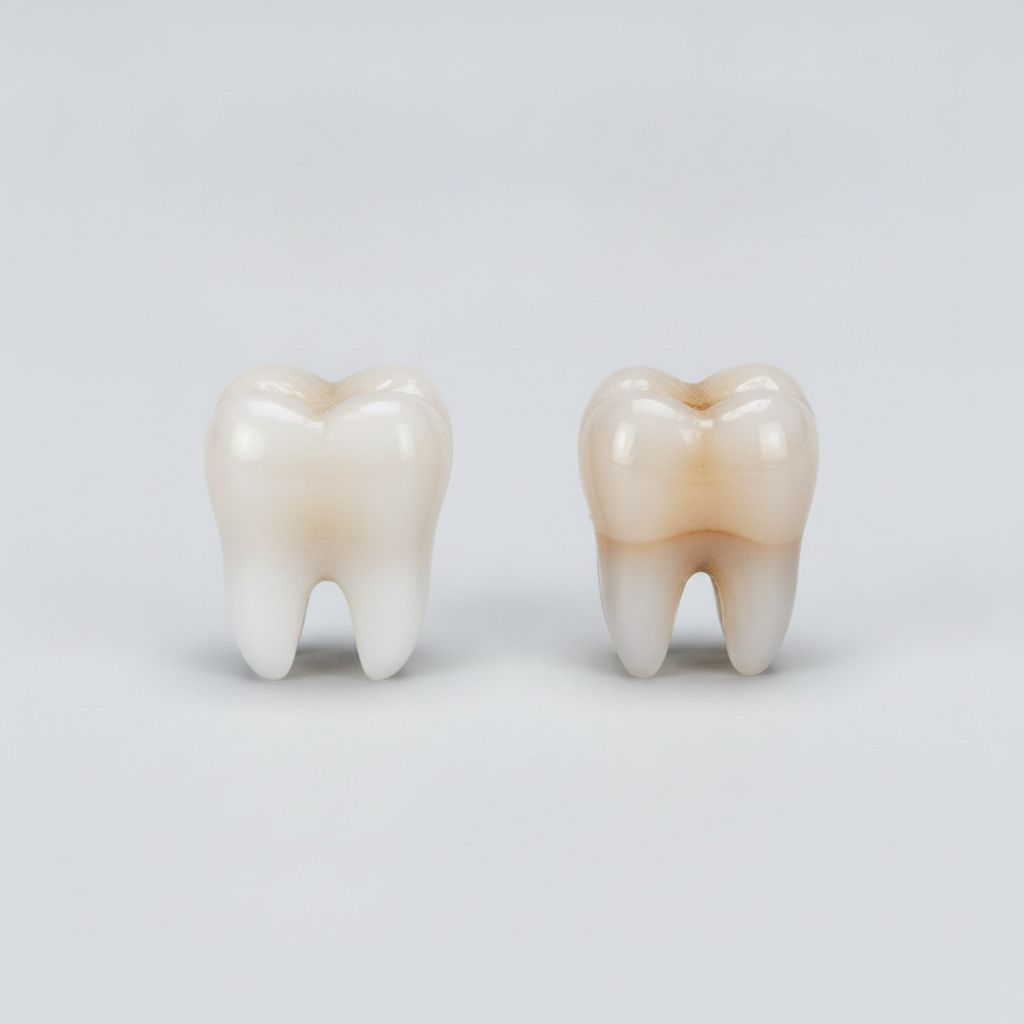
Choosing between zirconium and porcelain crowns involves weighing various factors, from aesthetic goals to functional requirements and budget. The UK dental landscape offers both options widely, with clinics providing expertise in guiding patients toward the best fit.
The table below provides a concise comparison:
| Feature | Zirconium Crowns | Porcelain Crowns (All-Ceramic) |
|---|---|---|
| Material Composition | White crystalline oxide of zirconium (ceramic) | Dental porcelain (feldspathic or pressed ceramic) |
| Strength/Durability | Excellent; highly resistant to fracture and wear. Suitable for posterior teeth and bruxism. | Good; more prone to chipping/fracture under heavy force. Less durable than zirconia. |
| Aesthetics | Good to excellent; can be highly aesthetic with translucent varieties. Can be opaque if not layered. | Excellent; superior natural translucency and light reflection. Ideal for highly aesthetic areas. |
| Biocompatibility | Excellent; highly tissue-friendly and hypoallergenic. | Excellent; highly tissue-friendly and hypoallergenic. |
| Tooth Preparation | Less aggressive tooth reduction often possible due to inherent strength. | May require more tooth reduction for adequate material thickness. |
| Gum Line Issues | No dark line at gum line (metal-free). | No dark line at gum line (metal-free). |
| Cost (UK context) | Generally comparable or slightly higher than traditional porcelain-fused-to-metal crowns, varying by clinic. | Often comparable to zirconia, depending on complexity and technique. |
| Best Use Cases | Posterior teeth, patients with bruxism, bridges, situations requiring high strength. | Anterior teeth, highly visible areas where maximum aesthetics are paramount. |
| Opposing Tooth Wear | Can potentially cause wear on opposing teeth if not highly polished. | Less likely to cause wear on opposing teeth than zirconia. |
Factors Influencing Your Choice in the UK
When making a decision between zirconium and porcelain crowns in the UK, several personal and clinical factors come into play. The location of the tooth is paramount: front teeth often benefit most from the aesthetics of porcelain, while back teeth may require the resilience of zirconium. Your aesthetic goals will also guide the choice; if mimicking the natural translucency is your highest priority for a visible tooth, porcelain often leads. Budget considerations are also important, as the cost for both types can vary significantly between practices and regions within the UK. Discussions with your dentist about their recommendation based on your specific oral health, bite forces, and lifestyle habits are crucial. For instance, if you have a history of tooth grinding or clenching, your dentist might lean towards a stronger material. It’s also worth considering any known allergies or sensitivities, though both materials are generally highly biocompatible.
The Crown Placement Process
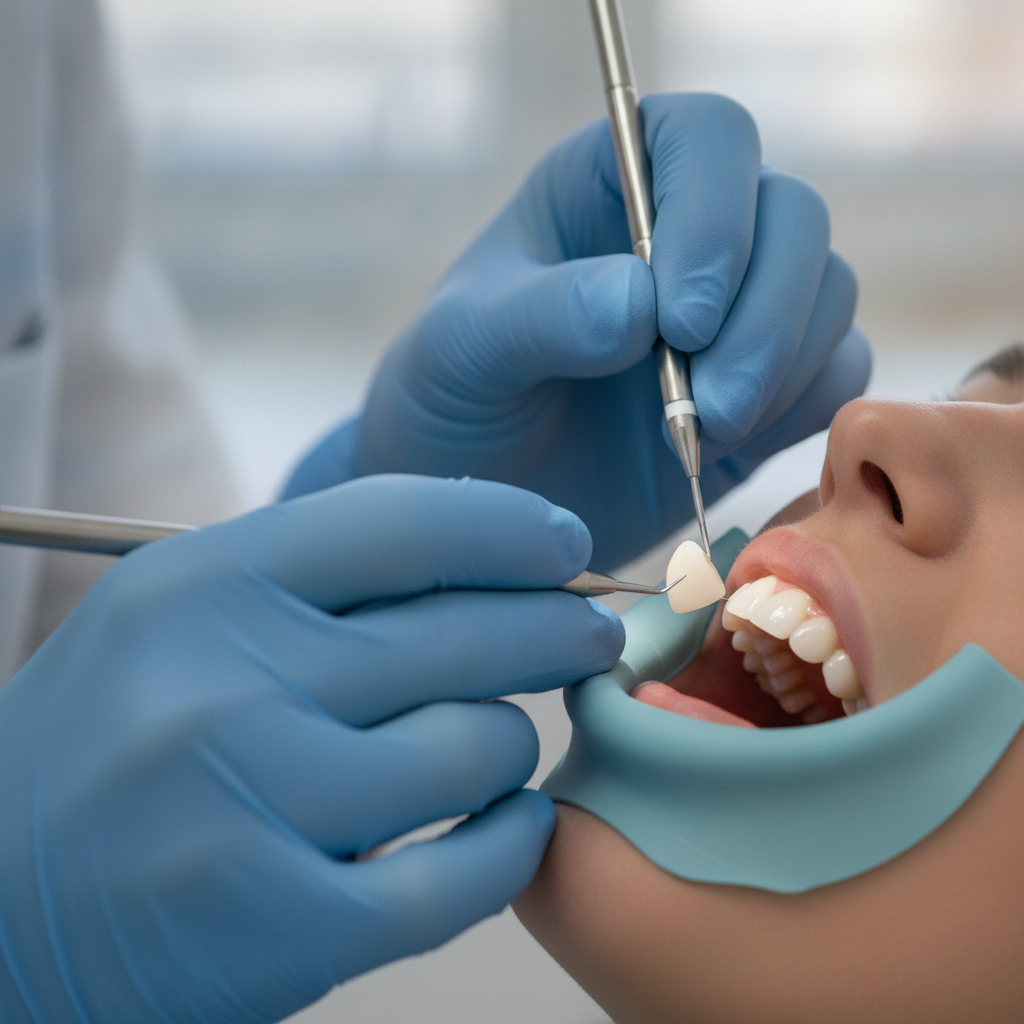
Regardless of whether you choose zirconium or porcelain, the general process for placing a dental crown is largely similar and typically involves two appointments. During the first appointment, the dentist will prepare the tooth by reshaping it to make room for the crown. Any decay will be removed. An impression of the prepared tooth and surrounding teeth will then be taken, either digitally or with a putty-like material. This impression is sent to a dental laboratory where your custom crown will be fabricated. A temporary crown made of acrylic will be placed to protect the prepared tooth while your permanent crown is being made. In the second appointment, typically a week or two later, the temporary crown is removed, and the permanent zirconium or porcelain crown is carefully fitted and adjusted for bite and comfort. Once both you and your dentist are satisfied, the crown is permanently bonded to your tooth using a strong dental adhesive.
Recovery from a dental crown procedure is generally straightforward. Patients might experience some temporary sensitivity to hot or cold immediately after the procedure, which typically subsides within a few days. Minor gum irritation around the newly placed crown is also common but resolves quickly. The key to ensuring the longevity of your crown and the health of your surrounding teeth is meticulous oral hygiene.
Longevity and Maintenance of Dental Crowns
Both zirconium and porcelain crowns are designed for long-term durability. With proper care, they can last for many years, often between 10 to 15 years, and in some cases, even longer. The lifespan of a crown is influenced by several factors, including the material chosen, the quality of the bonding, the patient’s oral hygiene habits, dietary choices, and whether they suffer from bruxism.
Maintaining dental crowns is similar to caring for your natural teeth. Regular brushing twice a day with a fluoride toothpaste, daily flossing (paying particular attention to the gum line around the crown), and routine dental check-ups are essential. Regular visits to your dentist for professional cleaning and examinations allow for early detection of any potential issues with the crown or surrounding tooth structure. Avoiding chewing on hard foods, ice, or using your teeth as tools can also prevent unnecessary stress on the crown and extend its lifespan. For individuals with bruxism, a night guard may be recommended to protect both crowns and natural teeth from excessive grinding forces. By adhering to these maintenance practices, you can significantly enhance the longevity and performance of your zirconium or porcelain crowns, ensuring they continue to contribute to a healthy and beautiful smile for years to come.
For further scientific understanding of dental crowns and their materials, you can consult reputable sources such as Wikipedia’s entry on Dental Crown.