UK vs USA Dental Prices Comparison

UK vs USA Dental Prices Comparison
The cost of dental care is a significant concern for individuals worldwide, often influencing decisions about necessary treatments. When comparing two major economies like the United Kingdom and the United States, the differences in healthcare systems, insurance models, and economic factors lead to a notable divergence in dental service pricing. This article delves into the nuances of UK vs USA dental prices, offering a comprehensive comparison to help patients understand what to expect in each country.

Understanding Dental Healthcare Systems
To truly grasp the variation in dental costs, it’s essential to understand the underlying healthcare frameworks in both the UK and the USA. These systems dictate everything from how dentists are paid to how patients access and pay for services.
The UK’s NHS and Private Dentistry
The United Kingdom operates a dual system for healthcare, including dentistry. The National Health Service (NHS) provides publicly funded dental care, aiming to make essential treatments affordable and accessible to all residents. NHS dental charges are banded, meaning patients pay a set fee for a course of treatment, regardless of how many individual procedures are included within that band. For example, Band 1 covers examinations, diagnosis, and preventative care; Band 2 includes fillings, extractions, and root canal treatments; and Band 3 encompasses more complex procedures like crowns, bridges, and dentures. While NHS care is highly subsidised, it often comes with limitations such as longer waiting lists for appointments and a restricted choice of materials or cosmetic options. Many Britons opt for private dental care, which offers greater flexibility, shorter waiting times, access to a wider range of cosmetic treatments, and often more advanced materials or technologies. Private costs are unregulated and can vary significantly between practices, reflecting location, dentist experience, and overheads.
The USA’s Insurance-Dominated Landscape
In stark contrast, the United States healthcare system is primarily private and heavily reliant on health insurance. There is no universal public dental care system akin to the NHS. Most Americans access dental care through private insurance plans, which can be obtained through employers, purchased directly, or through government programs like Medicaid or Medicare (which have very limited dental benefits). These insurance plans vary widely in their coverage, deductibles, co-pays, and annual maximums. Patients without adequate insurance face substantial out-of-pocket costs, making dental care one of the leading causes of medical debt for many families. The sheer market size, coupled with higher administrative costs, substantial malpractice insurance premiums, and the generally higher cost of living, contributes to the elevated dental prices often observed in the USA.
UK vs USA Dental Prices: A Direct Comparison
When we look at specific dental procedures, the disparity in pricing between the UK and the USA becomes even more evident. It’s important to note that these are approximate ranges and actual costs can fluctuate based on location, complexity, and specific clinic pricing. For a detailed look at dental costs in the UK, regional variations are common.
| Dental Procedure | Approximate Cost Range (UK – Private) | Approximate Cost Range (USA – Private, Uninsured) |
|---|---|---|
| Routine Check-up & Scale & Polish | £50 – £120 ($65 – $150) | $100 – $250 |
| White Filling (Composite) | £80 – £250 ($100 – $320) | $150 – $450 |
| Tooth Extraction (Simple) | £100 – £250 ($130 – $320) | $150 – $600 |
| Root Canal Treatment (Molar) | £400 – £900 ($510 – $1150) | $800 – $1,800 |
| Dental Crown (Porcelain) | £500 – £1,200 ($640 – $1530) | $800 – $2,500 |
| Single Dental Implant (Crown not included) | £1,800 – £3,000 ($2300 – $3800) | $2,500 – $6,000 |
| Teeth Whitening (In-clinic) | £300 – £600 ($380 – $760) | $400 – $1,000 |
General Price Trends
As illustrated in the table, dental procedures in the USA generally command significantly higher prices than their private counterparts in the UK. For patients relying on NHS services in the UK, the costs are even lower, often representing a fraction of the US equivalent. This trend is consistent across preventative care, restorative treatments, and cosmetic procedures. The lack of a universal pricing structure in the USA allows for wide regional variations, with major metropolitan areas typically having higher costs than rural ones. Similarly, specialist treatments, such as orthodontics or periodontics, will incur higher fees in both countries, but the baseline difference remains pronounced.
Factors Influencing Dental Costs
Several complex factors contribute to the price differences in dental care between the UK and the USA. Understanding these elements provides a clearer picture of why patients face such varying expenses.
Insurance Coverage Differences
The presence and nature of dental insurance play a colossal role. In the UK, the NHS acts as a universal safety net, greatly subsidising basic care. Private insurance in the UK often supplements this, covering specific private treatments or offering cash back. In the USA, private dental insurance is the primary means of reducing costs for most people. However, these plans often have high premiums, deductibles that must be met before coverage kicks in, co-pays for each visit or procedure, and annual maximums. Once the annual maximum is reached, the patient is responsible for 100% of costs, regardless of medical necessity. This fragmented and profit-driven insurance market contributes to higher list prices across the board, as providers adjust their fees to account for billing complexities and varying reimbursement rates.
Cost of Living and Practice Overheads
The overall cost of living and operating a business is generally higher in the USA, particularly in urban centres. This translates directly into higher overheads for dental practices, including rent for clinic space, salaries for dentists and support staff, utility costs, and equipment maintenance. For instance, dental technicians, hygienists, and administrative staff typically command higher wages in the USA. Furthermore, the cost of dental materials and advanced technology, while globally influenced, can also see regional price variations that feed into the final service charge.
Regulatory Environment and Market Dynamics
The regulatory landscape also plays a part. While both countries have rigorous standards for dental practice, the market dynamics differ. The UK’s NHS system exerts a degree of price control on publicly funded services. In the USA, the highly competitive private market, coupled with complex state-level regulations and varied licensing requirements, can lead to higher costs as practices strive to offer premium services and cover extensive legal and compliance expenses. The medical-legal environment, including malpractice insurance premiums, is also notoriously more expensive in the US, which dentists must factor into their pricing.
Procedure Complexity and Material Quality
The complexity of a dental procedure and the quality of materials used significantly impact the final price. For example, a simple amalgam filling will cost less than a cosmetic composite bonding. Similarly, a standard porcelain crown is typically more affordable than an all-ceramic or Zirconia crown, especially if it involves advanced CAD/CAM technology. Specialist treatments, such as oral surgery, periodontics, or advanced prosthodontics, require practitioners with additional training and expertise, leading to higher fees. Both the UK and USA offer a spectrum of material choices and technological advancements, but the base pricing for premium options will naturally scale up from their respective national averages.
Quality of Dental Care: Is Price a Determinant?
It’s a common misconception that higher prices automatically equate to higher quality care. Both the UK and the USA boast highly trained dental professionals and adhere to stringent clinical standards. Dentists in both countries undergo extensive education and continuous professional development. Accreditation bodies and professional organizations ensure that practitioners meet specific benchmarks for safety and efficacy. While the USA’s higher prices might enable some practices to invest more heavily in cutting-edge technology or luxurious clinic environments, excellent dental care is readily available in both nations. The key is to research individual practitioners, look for accreditations, read patient reviews, and understand the scope of treatment plans rather than solely relying on cost as a quality indicator. Understanding the foundational differences in how healthcare is structured globally is crucial for this comparison. For more general information on dentistry, refer to Wikipedia’s overview on dentistry.
Navigating Dental Costs and Making Informed Decisions
Given the significant cost differences, patients in both the UK and USA can take steps to manage their dental expenses. In the UK, understanding your entitlements under NHS dentistry is crucial, alongside exploring private dental plans for elective or cosmetic procedures. Many private clinics offer payment plans or membership schemes to help spread costs. In the USA, thoroughly vetting insurance plans to understand coverage, deductibles, and annual maximums is paramount. Patients without insurance should inquire about cash discounts, payment plans, or community dental clinics that offer reduced fees. Seeking multiple quotes for major procedures and asking for a detailed breakdown of costs can also provide clarity. Prioritising preventative care, such as regular check-ups and cleanings, is the most effective way to avoid more expensive treatments down the line, regardless of location.
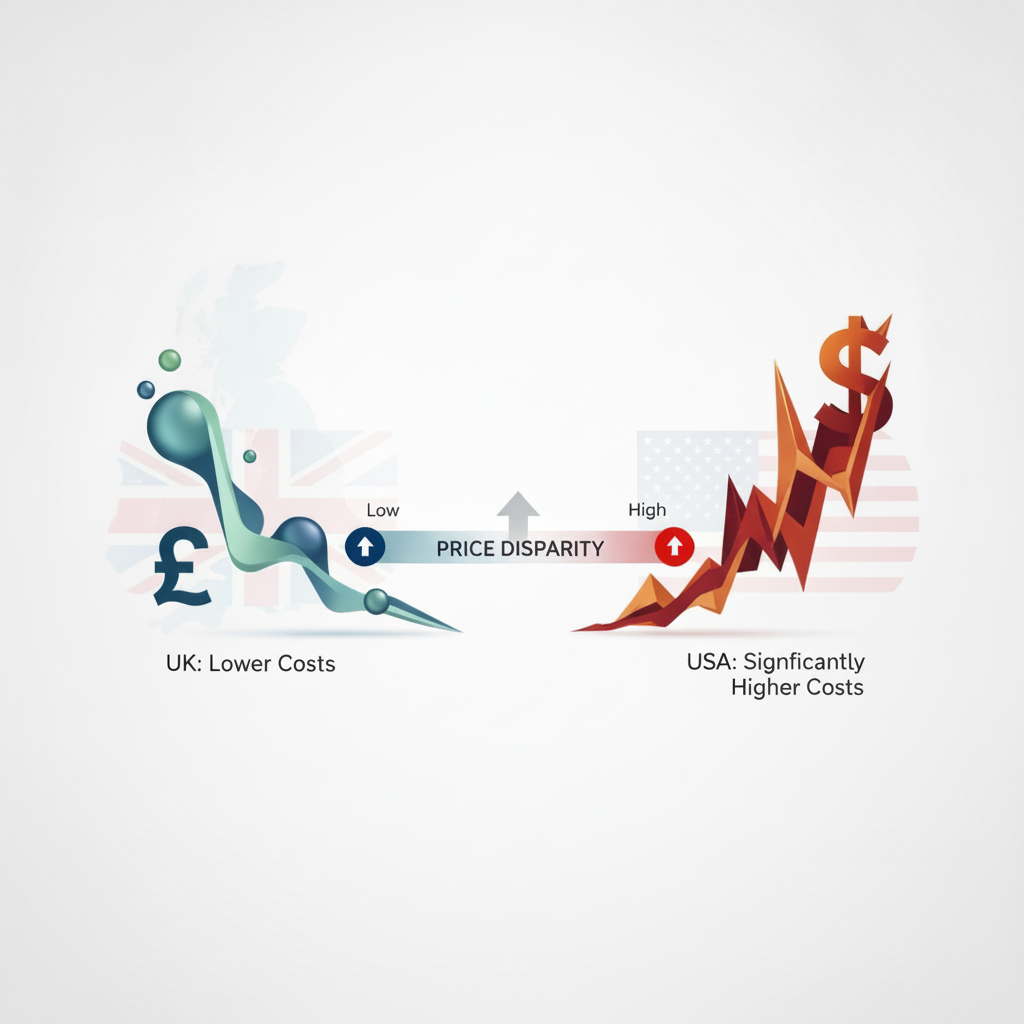
The comparison of UK vs USA dental prices reveals a complex landscape shaped by differing healthcare philosophies, economic realities, and regulatory frameworks. While the USA generally presents a higher financial barrier to dental care, particularly for the uninsured, both countries offer high standards of treatment. Making informed choices requires understanding the local system, exploring all available options, and focusing on preventative health.