Whe Benefits of Professional Teeth Whitening
Before exploring the solution, it is crucial to understand the problem. Tooth discoloration is not a single issue but a complex one, categorized primarily into two types of stains. The effectiveness of any whitening treatment depends on its ability to address the specific type of stain affecting your teeth.
The Benefits of Professional Teeth Whitening extend far beyond a mere cosmetic enhancement; they represent a commitment to oral health, confidence, and a radiant first impression. In a world where a bright smile is often associated with vitality and self-assurance, many individuals seek effective ways to combat the daily assault of staining agents like coffee, tea, and wine. While the market is saturated with over-the-counter strips, gels, and toothpastes, none can match the efficacy, safety, and lasting power of a treatment administered by a dental professional. This comprehensive guide delves into the science, process, and unparalleled advantages of choosing professional teeth whitening for a truly transformative result.
Understanding Tooth Discoloration
Extrinsic vs. Intrinsic Stains
Extrinsic stains are the most common type of discoloration. These stains affect the outer layer of the tooth, known as the enamel. They are caused by the accumulation of pigmented molecules, or chromogens, from various foods, beverages, and lifestyle habits. The primary culprits include coffee, red wine, dark sodas, berries, and tobacco use. Because these stains reside on the surface, they are generally easier to remove. However, over time, they can penetrate deeper into the enamel, becoming more stubborn and resistant to standard whitening toothpastes.
Intrinsic stains, on the other hand, are discolorations that originate from within the tooth structure, specifically in the dentin layer which lies beneath the enamel. The dentin naturally has a yellowish hue, and as enamel thins with age, this yellow color becomes more prominent. Other causes of intrinsic staining include trauma to a tooth, excessive fluoride exposure during childhood (fluorosis), the use of certain medications like tetracycline antibiotics, and genetic predispositions. These stains are far more challenging to treat with over-the-counter products because they are located deep within the tooth.
Professional treatments are uniquely equipped to handle both types of staining. The high-concentration bleaching agents used by dentists can penetrate the enamel safely to break down the deep-set chromogens responsible for both extrinsic and intrinsic discoloration, delivering a uniformly brighter smile.
What is Professional Teeth Whitening?
Professional teeth whitening refers to a variety of cosmetic dental procedures designed to lighten the shade of your teeth, administered and supervised by a qualified dental professional. Unlike store-bought kits, these treatments utilize powerful, prescription-strength whitening agents, most commonly hydrogen peroxide or carbamide peroxide, in concentrations that are both safe and highly effective. The science behind it is simple yet powerful: the peroxide molecules penetrate the porous enamel and dentin, initiating an oxidation reaction that breaks down the complex, colored molecules causing the stains into smaller, colorless ones. This process effectively bleaches the tooth from the inside out without altering the tooth structure itself.
There are generally two primary methods for professional whitening, each catering to different patient needs and preferences.
In-Office Whitening vs. At-Home Professional Kits
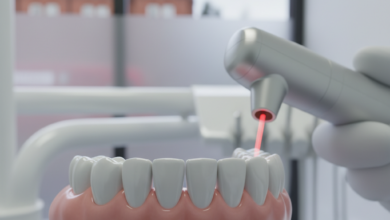
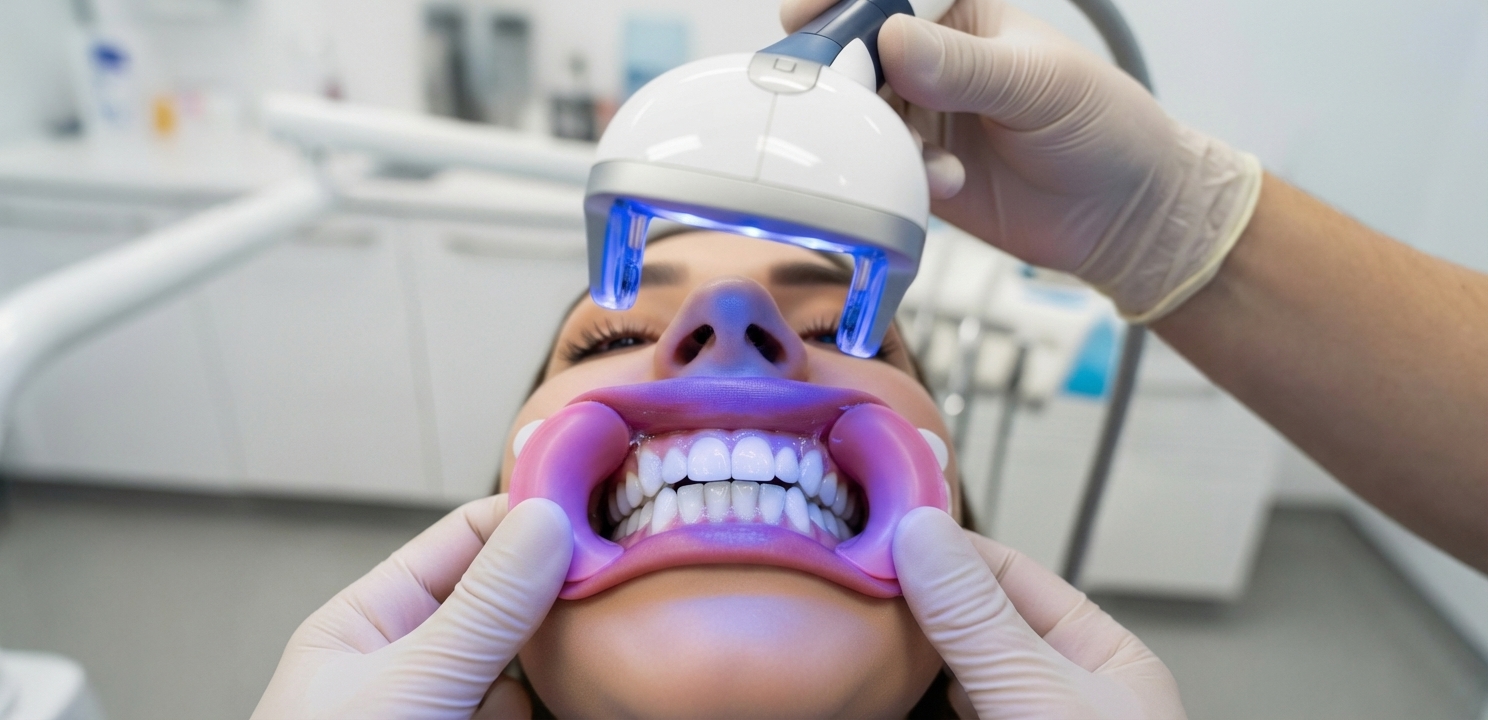
The most popular and dramatic option is in-office whitening. This procedure is performed entirely within the dental clinic and typically takes about 60 to 90 minutes. During the session, the dentist applies a protective barrier to the gums and soft tissues before carefully painting a high-concentration hydrogen peroxide gel onto the teeth. Often, a special light or laser is used to activate the gel, accelerating the whitening process and intensifying the results. Patients can see their teeth become several shades lighter in just a single visit, making it an ideal choice for those seeking immediate and significant results for a special event or occasion.
The second option is a professional take-home kit provided by your dentist. This is not to be confused with generic kits found in a pharmacy. The process begins with the dentist taking an impression of your teeth to create custom-fitted whitening trays. These trays ensure that the whitening gel is applied evenly across your teeth and, crucially, prevents it from leaking onto your gums, which can cause irritation. You are then provided with a professional-grade carbamide or hydrogen peroxide gel, which has a lower concentration than the in-office version but is still far more potent than anything available over the counter. You will wear the trays for a specified period each day, typically for one to two weeks, achieving a gradual but equally impressive whitening effect.
The Step-by-Step In-Office Whitening Process
For many, the speed and power of in-office whitening are the main draws. The process is meticulous and designed to maximize both safety and results. A typical appointment involves several key stages.
1. Initial Consultation and Shade Assessment
Your journey to a brighter smile begins with a thorough dental examination. Your dentist will check for any underlying issues like cavities, gum disease, or significant enamel erosion that might need to be addressed before whitening. This step is critical for safety. The dentist will then use a professional shade guide to determine the current color of your teeth and discuss your aesthetic goals to set realistic expectations.
2. Preparation and Protection
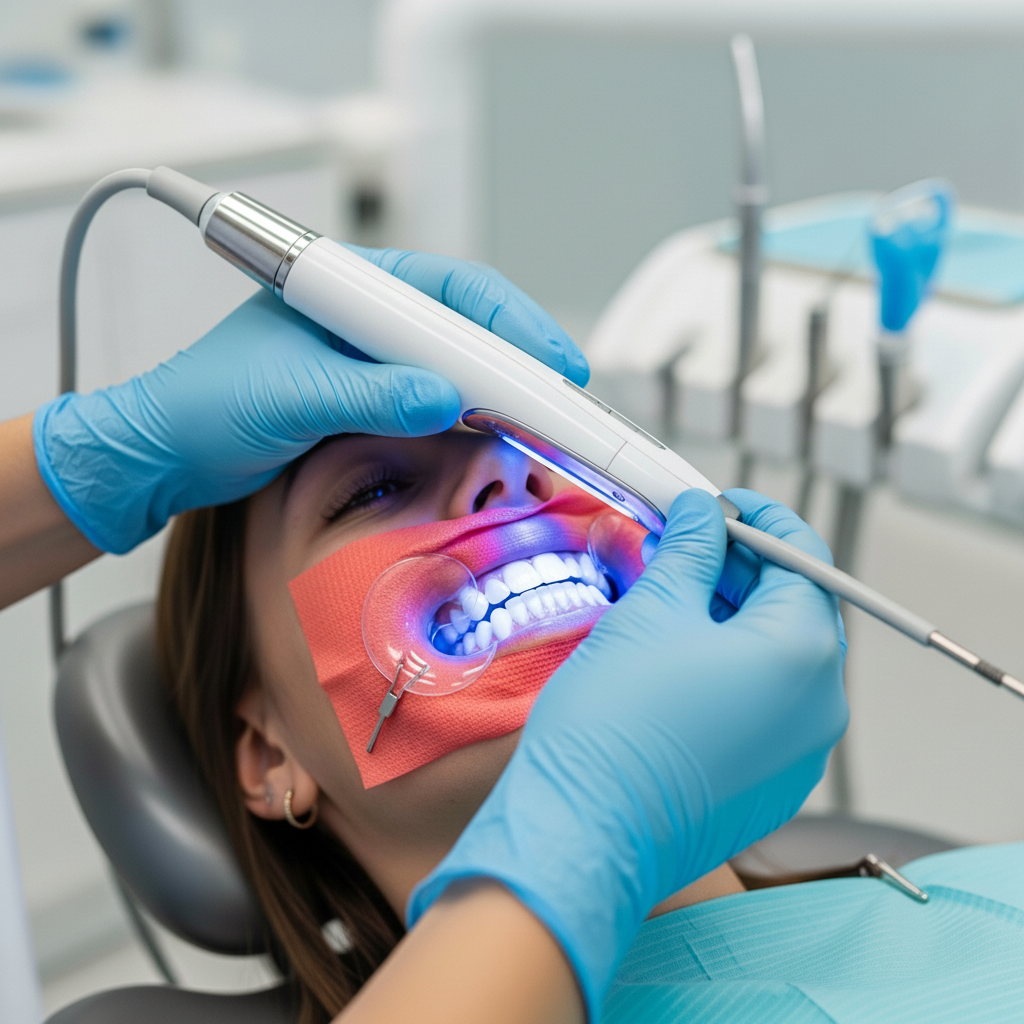
Once you are deemed a suitable candidate, the procedure begins. First, your teeth are professionally cleaned to remove any plaque or tartar buildup, ensuring the whitening gel can make direct contact with the enamel. Next, your dentist will carefully place a cheek retractor to keep your lips and cheeks away from your teeth. A protective, resin-based barrier is then applied and cured along your gumline, isolating your teeth and shielding the sensitive soft tissues from the powerful whitening agent.
3. Application and Activation
With all protective measures in place, the high-concentration whitening gel is meticulously applied to the visible surfaces of your teeth. Depending on the system being used, a specialized blue light or laser may be positioned in front of your teeth. This light energy activates the peroxide, accelerating the breakdown of stains. This part of the process is typically conducted in 15- to 20-minute intervals. Between intervals, the old gel is removed, and a fresh layer is applied. The entire application phase can consist of two to four such cycles.
4. Final Rinse and Fluoride Treatment
After the final cycle, the gel is thoroughly rinsed off, and the protective barriers are removed. You will immediately be able to see the dramatic difference in your smile. In some cases, a desensitizing agent or fluoride treatment may be applied to the teeth to help minimize any potential post-treatment sensitivity, which is a common but temporary side effect.
Professional Whitening vs. Over-the-Counter (OTC) Products
While the low cost of OTC products can be tempting, understanding the key differences is essential for making an informed decision about your oral health and aesthetic goals. Professional treatments offer a superior experience in nearly every aspect.
| Feature | Professional Teeth Whitening | Over-the-Counter Products |
|---|---|---|
| Efficacy | High, significant shade improvement. Capable of treating both extrinsic and intrinsic stains effectively. | Low to moderate results. Primarily effective on minor, recent extrinsic stains only. |
| Active Agent Concentration | High concentration (15% to 43% peroxide) for powerful, fast results. | Very low concentration (typically 3% to 10% peroxide) for minimal effect. |
| Supervision & Safety | Performed under the direct supervision of a dental professional, ensuring gum and tooth safety. | Unsupervised. High risk of user error, leading to gum irritation, enamel damage, and uneven results. |
| Speed of Results | Immediate results in a single visit (in-office) or significant whitening in 1-2 weeks (take-home). | Very gradual, requiring consistent use over many weeks or months for noticeable changes. |
| Customization | Treatment is tailored to your specific needs, including custom-fit trays for even application. | One-size-fits-all strips and trays that often fit poorly, causing patchy whitening and gum exposure. |
| Longevity of Results | Results are more durable and can last for one or more years with proper maintenance. | Results are often temporary and fade quickly, requiring continuous re-application. |
Maintaining Your Bright Smile After Treatment
Achieving a brilliant smile is the first step; maintaining it is the next. The longevity of your professional whitening results depends heavily on your post-treatment care and lifestyle choices. For more information, you can explore some of the best ways to whiten your teeth safely and maintain them.
Diet and Lifestyle Adjustments
For the first 48 hours after your treatment, your teeth are particularly susceptible to re-staining as the enamel is temporarily more porous. It is essential to avoid dark-colored foods and beverages during this period. This includes coffee, tea, red wine, cola, soy sauce, and dark berries. Going forward, consuming these items in moderation or using a straw for beverages can help preserve your results. Furthermore, tobacco is one of the biggest culprits of tooth staining, and quitting smoking is one of the best things you can do for both your oral health and the brightness of your smile.
Oral Hygiene Best Practices
A rigorous oral hygiene routine is non-negotiable. Brush your teeth at least twice a day and floss daily to remove plaque and prevent new stains from setting. Using a whitening toothpaste once or twice a week can also help manage surface stains. Regular dental check-ups and cleanings are also vital for removing tartar and polishing away surface discoloration. As a review of modern techniques points out, the bleaching effect is not permanent, and periodic touch-up treatments, either at home with your custom trays or in the office, may be recommended by your dentist to keep your smile looking its best. The safety and effects of bleaching agents are well-documented in scientific literature, with many studies confirming their efficacy when used correctly. A critical review of modern tooth bleaching techniques published by the National Center for Biotechnology Information highlights the evolution and safety profiles of these dental procedures.
Opting for professional teeth whitening is an investment in yourself. It provides a level of quality, safety, and effectiveness that simply cannot be replicated by store-bought alternatives. By placing your smile in the hands of a dental expert, you ensure that the path to a brighter, more confident you is both safe and stunningly successful.