Dental Implant Cost Per Tooth in the USA
Dental Implant Cost Per Tooth in the USA is one of the most significant considerations for patients seeking a permanent solution for missing teeth. While the desire for a restored, functional, and aesthetically pleasing smile is universal, the financial investment required can seem daunting and complex. The final price tag is not a single figure but a culmination of multiple factors, each contributing to the total expense. Understanding these components is the first step toward making an informed decision about this life-changing dental procedure. A dental implant is more than just a replacement tooth; it is a sophisticated, three-part prosthetic system designed to mimic the root and crown of a natural tooth, providing unparalleled stability and longevity. This comprehensive guide will break down every element that influences the cost, from the materials used to the expertise of the surgical team, empowering you with the knowledge to navigate your treatment options confidently.
What Factors Influence the Dental Implant Cost Per Tooth?
The final cost of a single dental implant is not a one-size-fits-all number. It is a highly variable figure that depends on the patient’s unique anatomical needs, the quality of the materials selected, the geographic location of the clinic, and the expertise of the dental professional performing the procedure. A clear understanding of these variables is essential for appreciating the value and investment involved.
The Three Core Components of an Implant
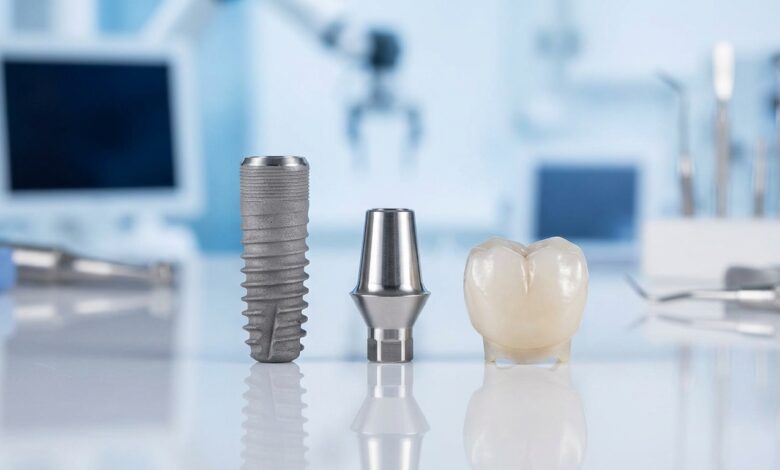
A dental implant is a system composed of three distinct parts, and the cost of each part contributes to the total.
1. The Implant Fixture: This is the titanium or zirconia screw that is surgically placed into the jawbone, acting as a replacement for the natural tooth root. The cost of this component is heavily influenced by the manufacturer. Premium brands like Straumann and Nobel Biocare invest heavily in research and development, clinical trials, and surface technology to promote faster and more reliable osseointegration (the process of the bone fusing to the implant). This reputation for quality and high success rates often comes with a higher price point. The material itself, typically medical-grade titanium alloy, is chosen for its biocompatibility and strength, ensuring it integrates seamlessly with the body without rejection.
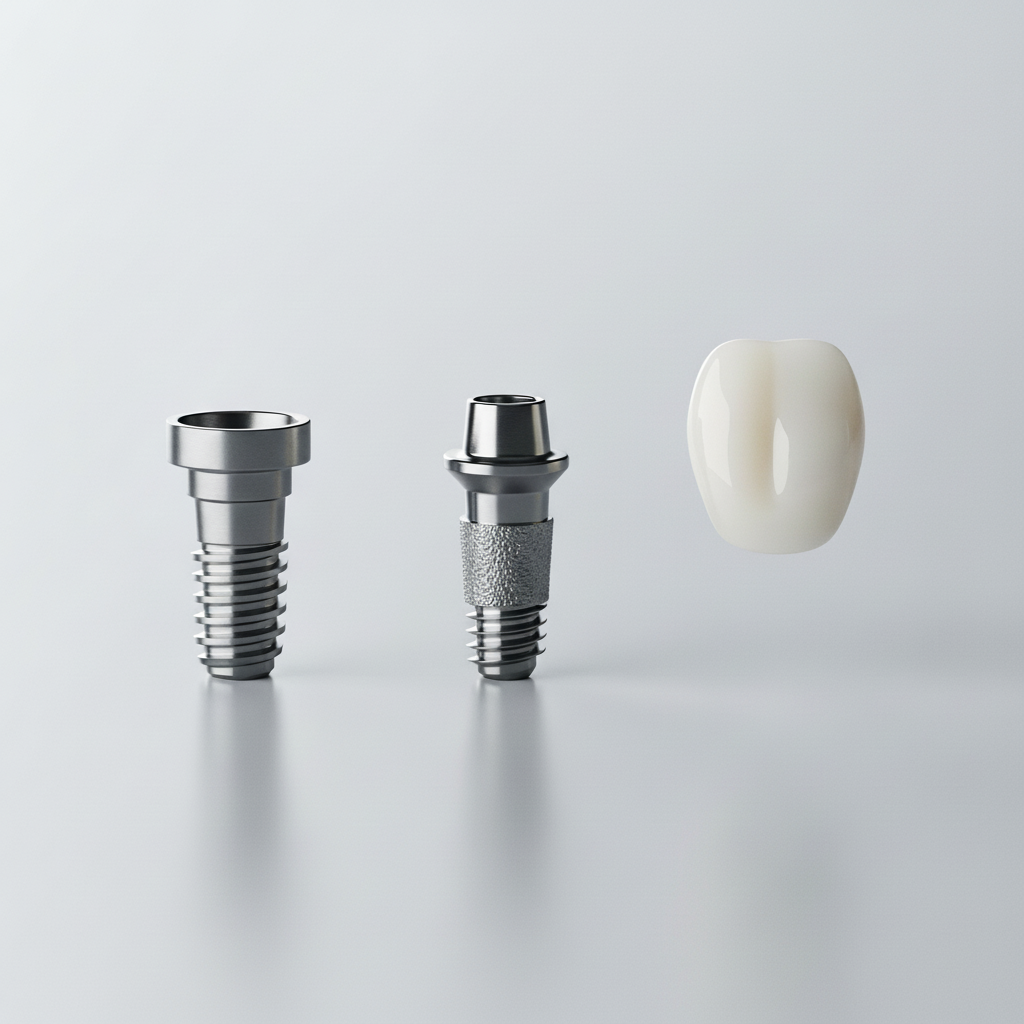
2. The Abutment: The abutment is the connector piece that sits on top of the implant fixture and protrudes through the gum line. Its purpose is to support the final crown. Abutments can be “stock” (pre-fabricated in standard sizes) or “custom.” Custom abutments are designed specifically for the patient’s mouth using CAD/CAM technology, providing a superior fit and a more natural emergence profile for the crown, which can improve both aesthetics and gum health. Custom abutments, particularly those made from tooth-colored zirconia, are more expensive than their stock titanium counterparts but offer significant advantages in the final cosmetic result.
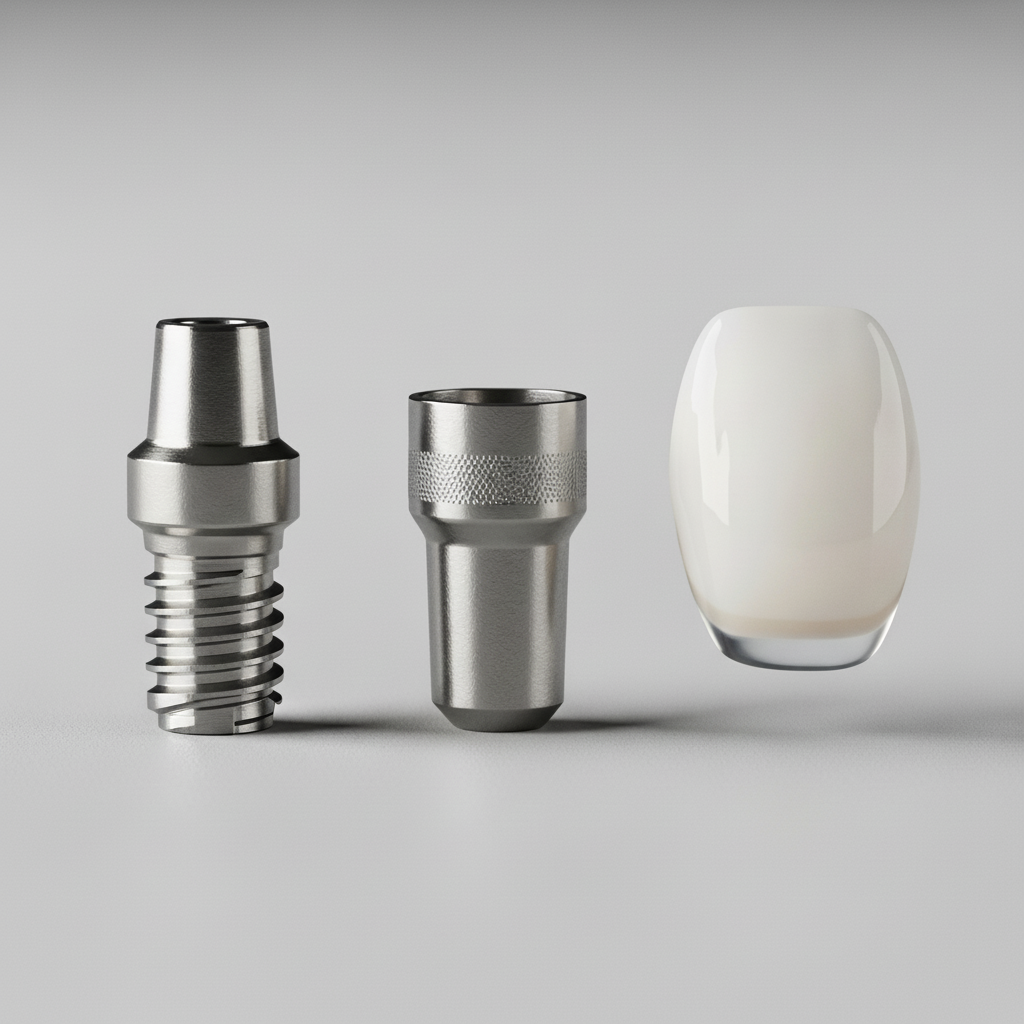
3. The Crown: This is the visible, tooth-shaped prosthetic that attaches to the abutment. The material used for the crown is a major cost driver. Options range from Porcelain-Fused-to-Metal (PFM), which has a metal base, to more advanced, all-ceramic materials like Zirconia and E-max. Zirconia crowns are incredibly strong, durable, and offer excellent, natural-looking aesthetics, making them a popular and premium choice. The laboratory fees associated with crafting a high-quality, custom-matched crown also factor into this portion of the cost.
Professional and Surgical Fees
The experience and specialization of the clinician performing the surgery are paramount to the success of the implant. A board-certified oral surgeon or a prosthodontist with extensive training in implantology will typically have higher fees than a general dentist. This higher fee reflects their advanced skill set, ability to handle complex cases, and often, higher success rates. Additionally, the geographic location of the practice plays a significant role. Clinics in major metropolitan areas with a higher cost of living will invariably have higher overhead and, consequently, higher prices for procedures compared to those in smaller towns or rural areas.
Preliminary Procedures and Diagnostics
Many patients require preparatory work before the implant can be placed, and these procedures are billed separately. An initial consultation will almost always involve advanced imaging, such as a Cone-Beam Computed Tomography (CBCT) scan. This 3D scan is critical for the surgeon to assess bone density, volume, and the precise location of nerves and sinuses, allowing for meticulous surgical planning. If a damaged or failing tooth needs to be removed, the cost of the tooth extraction will be added. More significantly, if the CBCT scan reveals insufficient jawbone to support an implant, a bone grafting procedure will be necessary. This involves adding bone material to the site to create a solid foundation, which can add a substantial amount to the overall cost and treatment timeline. For implants in the upper back jaw, a sinus lift may be required, which is a specialized type of bone graft to augment the bone in that specific area.
A Detailed Breakdown of Potential Costs
To better illustrate how these elements combine, it is helpful to see a breakdown of the potential cost ranges for each stage of the single-tooth implant process in the United States. These figures are estimates and can vary widely based on the factors discussed previously.
| Component / Procedure | Average Cost Range (USA) | Description |
|---|---|---|
| Initial Consultation & CBCT Scan | $200 – $500 | Comprehensive examination and 3D imaging for surgical planning. |
| Tooth Extraction (if required) | $150 – $600 | Removal of the existing failing tooth prior to implant placement. |
| Bone Grafting / Sinus Lift | $400 – $3,000+ | Procedure to add bone volume when the existing jawbone is insufficient. |
| Implant Fixture & Surgical Placement | $1,500 – $3,000 | Includes the cost of the titanium/zirconia implant and the surgical procedure to place it. |
| Abutment & Crown | $1,000 – $3,000 | Includes the connector piece and the final, custom-made prosthetic tooth. |
| Total Estimated Cost Per Tooth | $3,250 – $10,100+ | Represents the full range from a simple case to a complex case requiring extraction and significant grafting. |
The Long-Term Value vs. Initial Investment
While the upfront cost is a primary concern, it is crucial to view dental implants as a long-term investment in your health and quality of life. Unlike other tooth replacement options, implants offer benefits that extend far beyond just filling a gap in your smile.
Durability and Longevity
Dental implants are designed to be a permanent solution. With proper care and regular dental check-ups, the implant fixture itself can last a lifetime. Clinical studies have consistently shown incredibly high success rates for dental implants. Research published by the National Center for Biotechnology Information highlights long-term survival rates often exceeding 95% over 10 years, making them the most reliable and durable tooth replacement option available. The crown attached to the implant may eventually need replacement due to normal wear and tear, but this is typically only after 15 to 25 years.
Preserving Jawbone Health
When a tooth is lost, the jawbone in that area begins to deteriorate due to a lack of stimulation—a process called resorption. This bone loss can lead to a sunken facial appearance and destabilize adjacent teeth. Dental implants are unique because they fuse directly with the jawbone through osseointegration, providing the necessary stimulation to maintain bone density and volume. This preserves the natural structure of your face and jaw, a critical health benefit that alternatives like dental bridges and dentures cannot offer.
Navigating Your Options and Getting an Accurate Quote
Given the complexity of the pricing, the most important step is to schedule a consultation. A reputable clinic will provide a detailed, written treatment plan that itemizes every expected cost, including diagnostics, surgical fees, all three implant components, and any necessary preparatory procedures like bone grafting. This transparency allows you to see exactly what you are paying for and avoids unexpected charges. While dental insurance plans may cover a portion of the cost, particularly the crown, they rarely cover the entire procedure. Many top-tier clinics understand the financial commitment and offer financing options or payment plans to make the treatment more accessible. For a personalized treatment plan and a precise cost assessment tailored to your specific needs, we encourage you to contact us for a comprehensive evaluation.
Investing in a dental implant is an investment in restoring function, aesthetics, and confidence. While the initial cost per tooth reflects the advanced materials, technology, and professional skill required, the long-term benefits of durability, bone preservation, and improved quality of life provide unparalleled value. A successful outcome is built upon a foundation of meticulous planning and expert execution, ensuring your new tooth looks, feels, and functions just like a natural one for decades to come.