Dental Implants in Turkey: Procedure, Cost and Recovery
Dental Implants in Turkey: Procedure, Cost and Recovery. This phrase has become synonymous with a new era of accessible, high-quality dental care. For patients in the UK, Europe, and beyond, Turkey has emerged as a premier destination for restoring smiles with permanent, natural-looking solutions. The country’s unique combination of highly skilled dental surgeons, state-of-the-art clinical technology, and significantly lower prices has made it a global leader in dental tourism. Choosing to undergo this transformative procedure abroad is a major decision, and understanding the entire process—from the initial consultation to the final recovery—is crucial for a successful and stress-free experience.
This comprehensive guide will walk you through every aspect of getting dental implants in Turkey, demystifying the procedure, breaking down the costs, and outlining the recovery timeline so you can make an informed choice for your oral health.
What Are Dental Implants? A Permanent Solution for Missing Teeth
Before diving into the specifics of the procedure in Turkey, it is essential to understand what a dental implant is and why it is considered the gold standard for tooth replacement. A dental implant is a sophisticated medical device designed to replicate the entire structure of a natural tooth, from the root to the crown. It offers a level of stability, functionality, and aesthetics that other solutions like dentures or bridges cannot match.
The Three Key Components
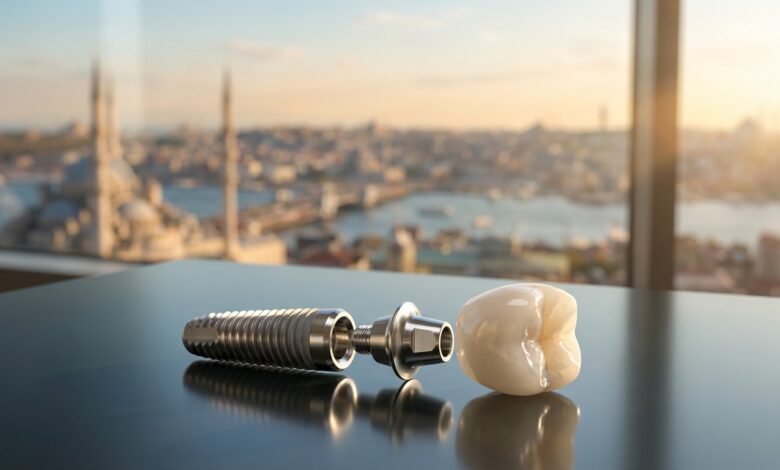
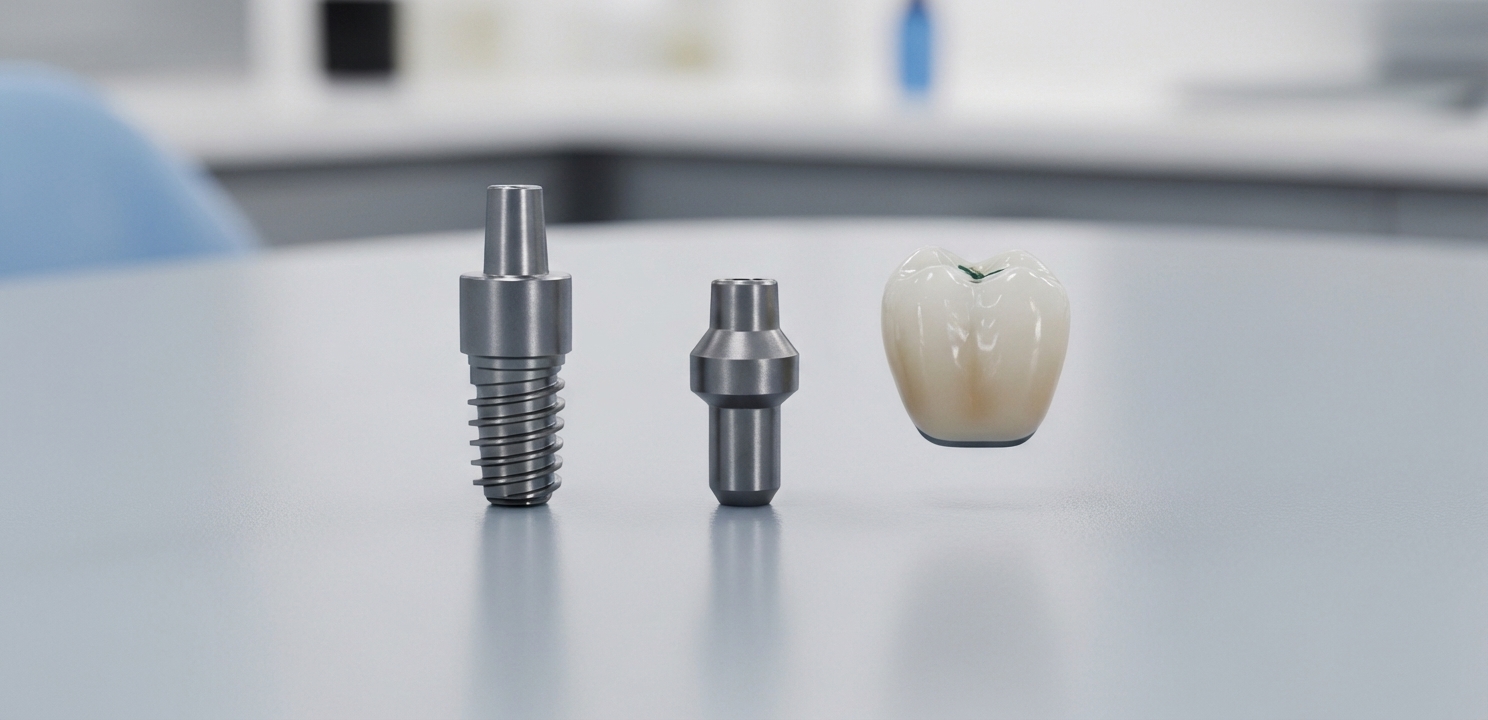
A complete dental implant system is composed of three distinct parts working in harmony:
- The Implant Post: This is a small, screw-like post typically made from medical-grade titanium. Titanium is used because of its unique property of being biocompatible, meaning the human body accepts it without rejection. This post is surgically placed into the jawbone, where it acts as a substitute for the natural tooth root.
- The Abutment: After the implant post has fully integrated with the jawbone, a connector piece called an abutment is attached. The abutment sits just above the gum line and serves as the foundation upon which the new tooth, or crown, will be secured.
- The Crown: This is the visible, tooth-shaped part of the implant. It is custom-made in a dental laboratory to match the colour, shape, and size of your surrounding natural teeth. Modern crowns, often made from materials like Zirconia or E-max, are incredibly durable and lifelike, making them virtually indistinguishable from real teeth.
Why Choose Implants Over Other Solutions?
Dental implants provide significant advantages over traditional alternatives. Unlike dentures, they are fixed in place and do not slip or cause discomfort while eating or speaking. Unlike a traditional dental bridge, the procedure does not require grinding down adjacent healthy teeth to serve as anchors. Most importantly, the implant post stimulates the jawbone just like a natural tooth root. This stimulation is vital for preventing the bone loss (atrophy) that inevitably occurs when a tooth is missing, thus preserving your facial structure and oral health over the long term.
The Dental Implant Procedure: A Detailed Walkthrough
The dental implant process is a multi-stage journey, typically requiring two separate visits to Turkey spread over several months. This timeline is necessary to allow for the crucial biological process of bone healing and integration.
Stage 1: Comprehensive Consultation and Digital Planning
Your journey begins with an initial consultation, which can often be conducted remotely. You will provide dental records, including X-rays or a CT scan. Top clinics in Turkey utilize advanced 3D Cone Beam Computed Tomography (CBCT) scanners to create a precise digital map of your jawbone, nerve pathways, and sinus cavities. This allows the surgeon to plan the exact position, angle, and depth of the implant placement with incredible accuracy, ensuring a safe and predictable outcome. During this phase, you will discuss treatment options, implant brands, and receive a detailed cost estimate.
Stage 2: The Surgical Placement (First Trip)
On your first visit to Turkey, the surgical procedure will take place. The area is numbed with local anaesthesia to ensure a completely painless experience. The surgeon then makes a small incision in the gum to expose the jawbone. Using a series of specialized drills, a precise socket is created in the bone, and the titanium implant post is carefully inserted. Finally, the gum tissue is stitched closed over the implant. For a single implant, this procedure is often completed in under an hour.
The Critical Healing Phase: Osseointegration
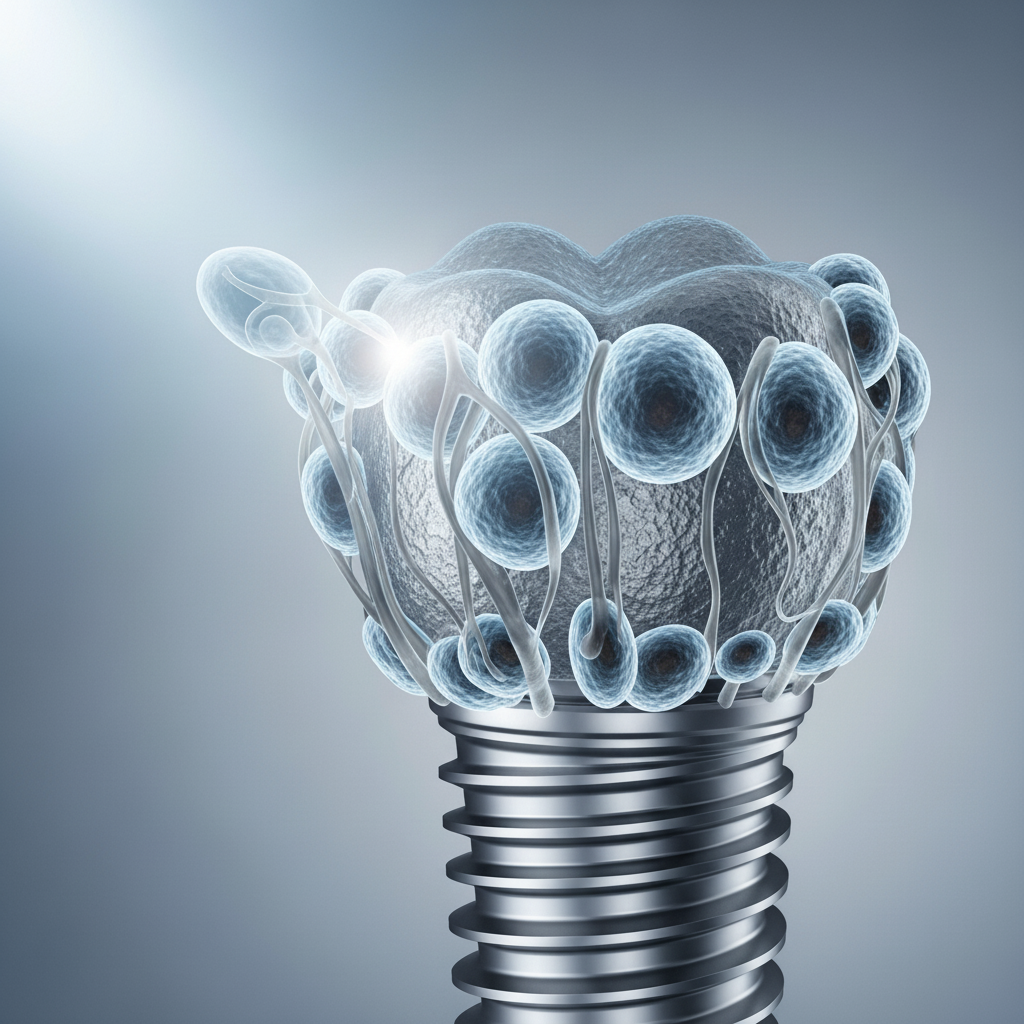
Following the surgery, the most important phase begins: osseointegration. This is the natural process where the jawbone grows around and fuses directly with the surface of the titanium implant, effectively making it a permanent part of your anatomy. This process is the key to the remarkable stability and longevity of dental implants. The osseointegration period typically lasts between 3 to 6 months, during which you will return home and wait for the healing to complete.
Stage 3: Final Restoration (Second Trip)
Once osseointegration is successful, you will return to Turkey for your second visit. During this trip, the final restorative steps are completed. The surgeon will make a small incision to expose the top of the implant and attach the abutment. After this, highly accurate impressions of your mouth are taken using either digital scanners or traditional moulds. These impressions are sent to the on-site or partner dental laboratory, where technicians craft your custom crown. Once the crown is ready, it is meticulously checked for fit, bite, and aesthetics before being permanently attached to the abutment, completing your new smile.
Understanding the Cost of Dental Implants
One of the primary motivations for patients seeking treatment in Turkey is the significant cost savings. The affordability is not a reflection of lower quality but is driven by the country’s lower cost of living, reduced operational expenses for clinics, and favourable currency exchange rates. For a detailed breakdown of expenses, you can explore our guide on how much dental implants cost in Turkey compared to the UK.
Factors Influencing the Final Price
The final cost of your treatment package can vary based on several key factors:
- Number of Implants: The total price is directly related to how many teeth need replacing.
- Implant Brand: Clinics offer a range of world-renowned, certified brands (such as Straumann or Nobel Biocare) at different price points.
- Ancillary Procedures: Some patients may require additional procedures like a bone graft (to increase jawbone density) or a sinus lift (for upper jaw implants), which will affect the total cost.
- Crown Material: The choice between materials like porcelain-fused-to-metal (PFM) and premium full zirconia will also influence the price.
The Recovery and Aftercare Process
Proper recovery and long-term care are essential for the success of your dental implants. The process is generally straightforward and manageable.
Recovery Timeline at a Glance
The following table provides a general overview of what to expect after the initial implant surgery.
| Timeline | Symptoms & Sensations | Aftercare Instructions |
|---|---|---|
| First 24 Hours | Numbness from anaesthesia, mild bleeding, initial soreness. | Rest, apply ice packs to the cheek, take prescribed pain medication, avoid rinsing or spitting. |
| Days 2-3 | Swelling and potential bruising may peak. Discomfort is manageable. | Continue with a soft food diet. Begin gentle warm salt water rinses to clean the area. |
| Week 1 | Swelling and bruising begin to subside. Sutures are in place. | Continue with soft foods. Brush other teeth normally but avoid the surgical site. |
| Weeks 2-4 | Sutures may dissolve or be removed by a local dentist. Minimal to no discomfort. | Gradually reintroduce firmer foods as comfort allows. Maintain excellent oral hygiene. |
| Months 3-6 | Osseointegration is completing silently. No pain or sensation. | Live normally while your jawbone fuses with the implant. Await your second trip. |
Long-Term Care for Lasting Results
Dental implants are designed to last a lifetime, but their longevity depends on excellent oral hygiene. They are not susceptible to cavities, but the surrounding gum tissue can still be affected by bacteria, leading to a condition called peri-implantitis. To prevent this, you must care for them as you would your natural teeth. This includes daily brushing, flossing (a water flosser can be particularly effective), and attending regular professional cleanings and check-ups. According to extensive research, diligent maintenance is a key factor in the long-term success of any dental implant procedure.
Why Choose Reputable Clinics for Dental Implants in Turkey?
The success of your treatment hinges on the quality of the clinic you choose. Turkey’s reputation is built on clinics that invest in world-class infrastructure and talent. When selecting a provider, prioritize those with experienced implantologists, advanced diagnostic technology like CBCT scanners, and a portfolio of successful patient cases. Top-tier clinics use globally recognized implant brands and have in-house laboratories to ensure the quality and fit of the final crowns. They provide transparent, all-inclusive packages that often cover treatment, luxury accommodation, and VIP transfers, creating a seamless and worry-free patient experience from start to finish.