What to Expect During Veneer Treatment
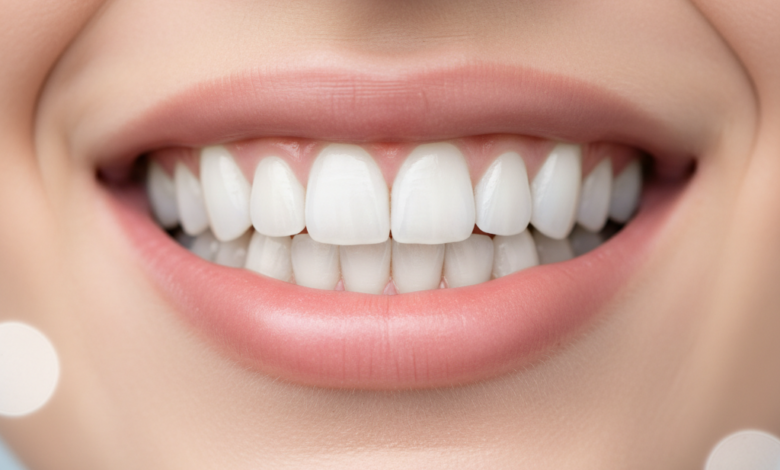
What to Expect During Veneer Treatment is a common query for individuals seeking a dramatic smile transformation. Dental veneers are a cornerstone of cosmetic dentistry, offering a powerful solution for correcting a wide range of aesthetic dental concerns. These ultra-thin, custom-made shells are bonded to the front surface of teeth to improve their appearance, shape, colour, and overall alignment. The journey to a perfect smile with veneers is a meticulous process that combines artistic vision with precise dental science. Understanding each step of this treatment ensures patients are well-prepared and confident in their decision to invest in their smile. From the initial consultation to the final bonding, the procedure is designed to be comfortable, predictable, and deliver life-changing results.
Understanding Dental Veneers: What Are They?
Dental veneers are thin facings, typically made from porcelain or a composite resin material, that are permanently attached to the front of the teeth. They are an excellent option for patients who wish to address imperfections such as severe stains that do not respond to whitening, chipped or broken teeth, significant gaps between teeth, or minor misalignments. Unlike a dental crown, which covers the entire tooth, a veneer only covers the visible front surface. This makes it a more conservative treatment option for enhancing the aesthetics of a smile while preserving the majority of the natural tooth structure. The goal is to create a seamless, natural-looking smile that is both beautiful and functional.
Types of Veneer Materials
The choice of material is a critical factor in the outcome of a veneer procedure, affecting aesthetics, durability, and cost. The two primary materials used are porcelain and composite resin.
Porcelain Veneers: These are the gold standard in veneer treatment. They are fabricated in a dental laboratory from a strong, durable ceramic material. One of the main advantages of porcelain is its translucent quality, which closely mimics the way natural tooth enamel reflects light. This gives them an incredibly lifelike appearance. Porcelain is also highly resistant to staining from coffee, tea, or red wine, ensuring the smile remains bright for years. They are exceptionally durable and, with proper care, can last for 15 years or more.
Composite Resin Veneers: Composite veneers are made from a tooth-coloured filling material that is applied directly to the tooth and sculpted into the desired shape by the dentist. This is typically a single-visit procedure, making it a faster and often more affordable option. While technology has improved the quality of composite materials, they are generally not as strong or stain-resistant as porcelain. They may require more frequent maintenance or replacement, typically lasting between 5 to 7 years.
Who is an Ideal Candidate for Veneers?
Veneers are a versatile cosmetic solution, but they are not suitable for everyone. An ideal candidate is someone with good overall oral health, including healthy gums and sufficient tooth enamel. The procedure is primarily for aesthetic improvement, so underlying issues like tooth decay or gum disease must be treated first. Individuals who clench or grind their teeth (a condition known as bruxism) may not be suitable candidates, as this habit can put excessive pressure on the veneers, causing them to chip or break. In such cases, a nightguard may be recommended to protect the investment. Veneers are a fantastic option for correcting cosmetic flaws and achieving a symmetrical, bright, and harmonious smile.
The Step-by-Step Veneer Treatment Process
The journey to receiving dental veneers is a multi-step process that requires careful planning and precision. It typically involves at least two to three visits to the dental clinic, ensuring every detail is perfect before the final placement.
The Initial Consultation and Smile Design
The first step is a comprehensive consultation with a cosmetic dentist. During this visit, you will discuss your aesthetic goals and what you hope to achieve with your new smile. The dentist will perform a thorough examination of your teeth and gums to confirm you are a suitable candidate. This may involve taking X-rays and digital scans. A key part of this appointment is the “smile design” phase. Using advanced software, the dentist can create a digital mock-up of what your smile will look like after the treatment. This allows you to preview the results and make decisions about the shape, size, length, and colour of your veneers, ensuring the final outcome aligns perfectly with your expectations.
Tooth Preparation: The Foundation for a Flawless Fit
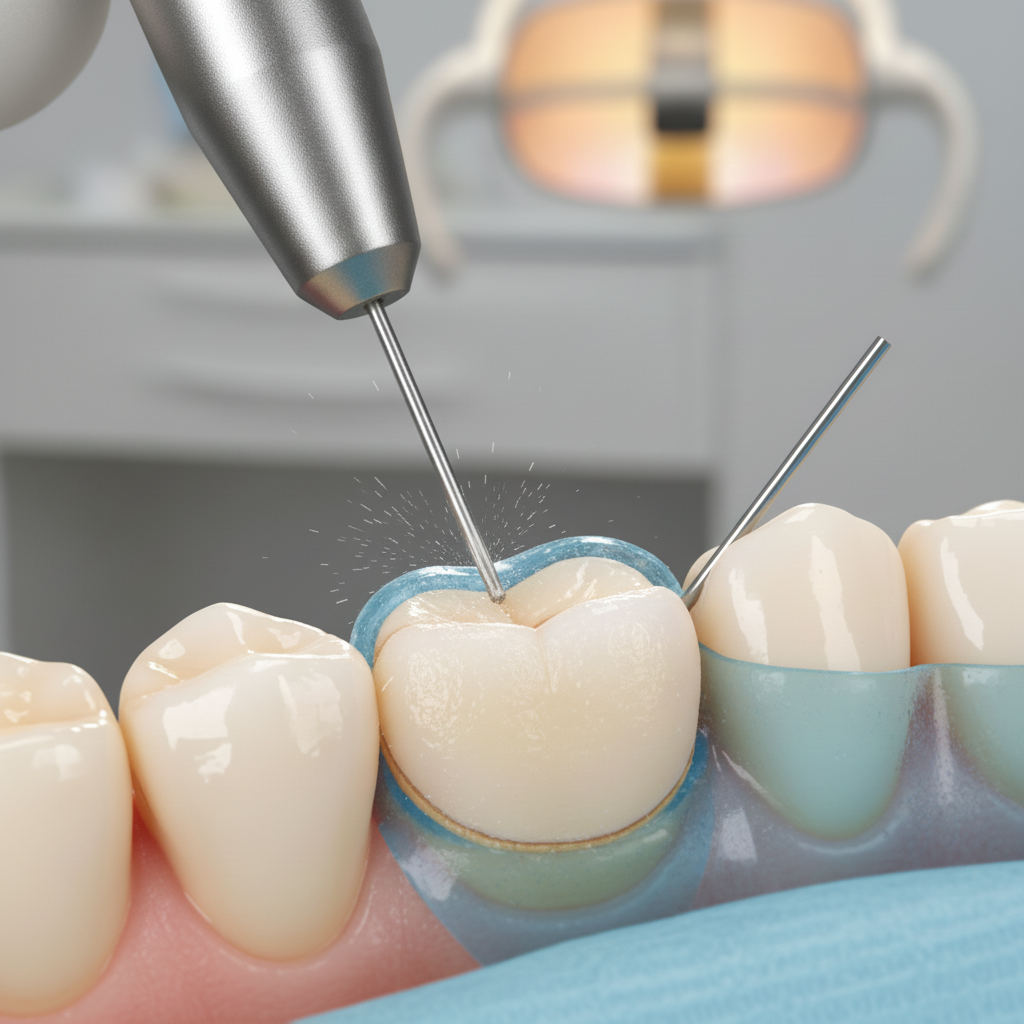
Once the treatment plan is confirmed, the next step is to prepare the teeth. To ensure the veneers fit perfectly and look natural without adding bulk, the dentist must remove a very thin layer of enamel from the front surface of the teeth. This is typically about 0.5 millimetres, which is roughly the thickness of the veneer itself. This step is performed under local anaesthesia to ensure the patient feels no discomfort. After the teeth are prepared, the dentist will take a precise impression or digital scan of your teeth. This impression serves as the master blueprint that is sent to a specialised dental laboratory where your custom porcelain veneers will be meticulously crafted.
The Temporary Veneer Phase
It typically takes the dental laboratory one to two weeks to fabricate the permanent veneers. During this time, the dentist will place temporary veneers on your prepared teeth. These temporaries serve several important functions. They protect the exposed tooth structure from sensitivity, allow you to function normally, and provide a “test drive” of your new smile’s shape and size. They give you an opportunity to get accustomed to the look and feel of having veneers before the permanent ones are bonded.
The Final Application and Bonding
The final appointment is where the transformation is completed. This visit is dedicated to bonding the permanent, custom-made veneers to your teeth, revealing your new, flawless smile.
Bonding Your New Smile in Place
During this appointment, the temporary veneers are gently removed, and the underlying teeth are thoroughly cleaned and polished. The dentist will then carefully place each permanent veneer on the corresponding tooth to check the fit and colour. This is a critical stage where minor adjustments can be made to ensure a perfect match and seamless integration with your natural teeth. Once you and your dentist are completely satisfied with the appearance and fit, the teeth are prepared for bonding. The tooth surface is etched to create a strong bond, and a special, light-sensitive dental cement is applied to the back of the veneer. The veneer is then precisely positioned on the tooth, and a high-intensity curing light is used to activate the cement, creating a permanent and durable bond. Any excess cement is removed, and your new smile is given a final polish.
A Typical Veneer Treatment Timeline
The process for getting dental veneers is structured and predictable. The following table outlines the typical stages and timeframe involved in the treatment, from the initial discussion to the final reveal of your enhanced smile.
| Stage | Visit | Primary Activities | Approximate Duration |
|---|---|---|---|
| Consultation & Planning | Visit 1 | Smile analysis, discussion of goals, X-rays, impressions, digital smile design. | 1-2 hours |
| Tooth Preparation | Visit 2 | Enamel removal under local anaesthesia, final impressions taken, placement of temporary veneers. | 2-4 hours |
| Laboratory Fabrication | (Interim Period) | Custom porcelain veneers are crafted by skilled dental technicians based on impressions. | 1-2 weeks |
| Final Bonding | Visit 3 | Removal of temporaries, checking fit and colour of permanent veneers, final bonding with dental cement. | 2-3 hours |
Aftercare and Longevity of Your Veneers
Investing in veneers is an investment in your confidence and appearance. Proper aftercare is essential to protect this investment and ensure your new smile lasts for many years.
Maintaining Your Investment
The good news is that caring for veneers is straightforward. They do not require any special maintenance beyond practicing excellent oral hygiene. This includes brushing at least twice a day with a non-abrasive fluoride toothpaste, flossing daily to clean between the teeth and along the gumline, and attending regular dental check-ups and cleanings every six months. While porcelain is very stain-resistant, it is still wise to be mindful of consuming highly staining foods and beverages. It is also important to avoid using your teeth as tools to open packages or biting on hard objects like ice or pens, as this can cause the veneers to chip.
How Long Do Veneers Last?
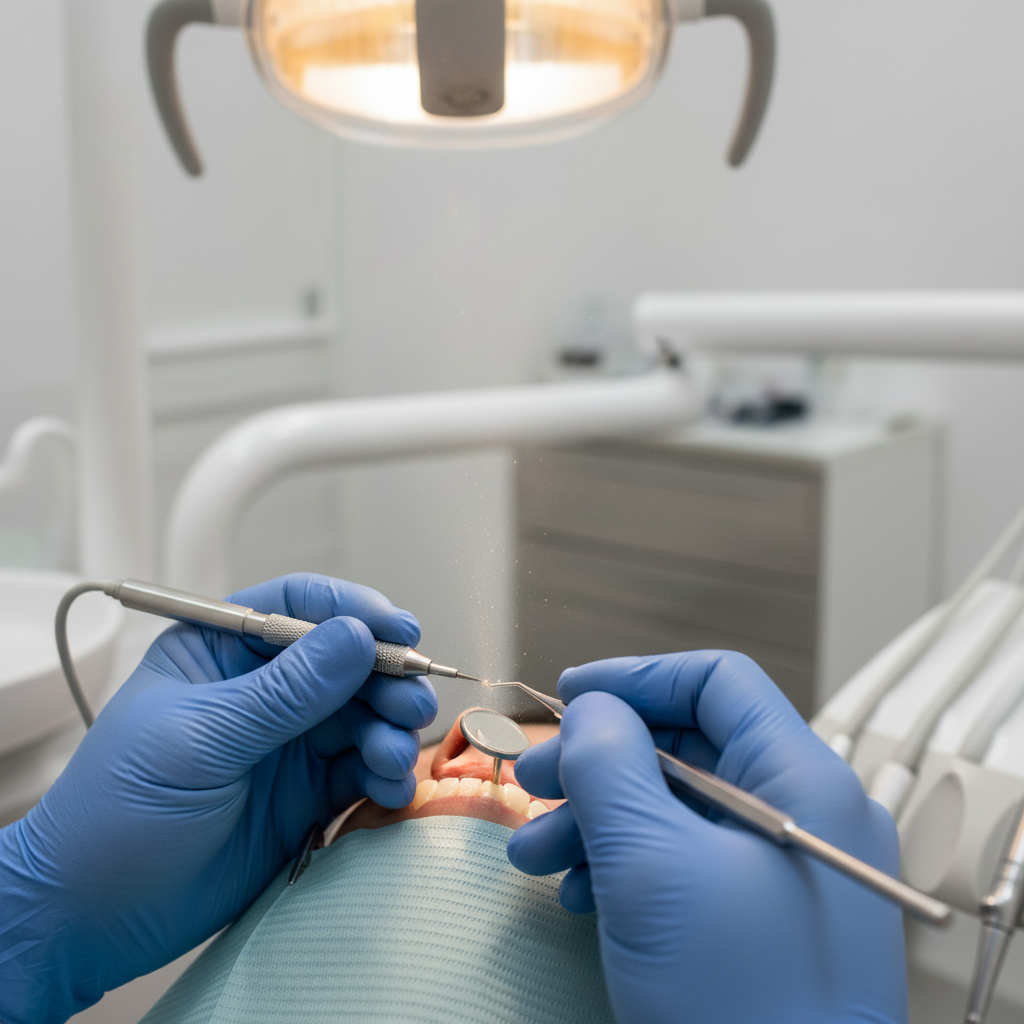
The lifespan of your veneers depends heavily on the material chosen and how well you care for them. With diligent oral hygiene and regular dental visits, porcelain veneers can look beautiful for 15 years or even longer. As a study published by the National Center for Biotechnology Information shows, porcelain laminate veneers have a very high survival rate over many years. Composite veneers have a shorter lifespan, typically lasting around 5 to 7 years before they may need to be repaired or replaced. Understanding how long do veneers last and the factors that influence their durability will help you make the most of your cosmetic dental treatment and enjoy a stunning smile for a long time.