The Complete Guide to Root Canal Treatment
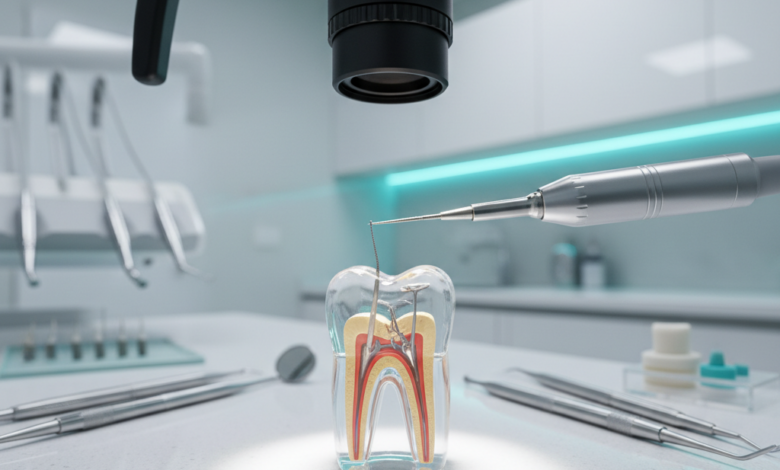
The necessity for a root canal arises when the soft tissue inside the tooth, known as the pulp, becomes inflamed or infected. This can happen for several reasons, including deep decay, repeated dental procedures on the tooth, a crack or chip in the tooth, or trauma. Ignoring the need for treatment can lead to severe complications, making it essential to understand the underlying anatomy and recognise the warning signs.
The Complete Guide to Root Canal Treatment is often the subject of dental anxiety, but this perception is largely based on outdated information. In modern dentistry, a root canal is a routine, pain-relieving procedure designed to save a natural tooth that has been severely damaged or infected. Far from being the cause of pain, it is the ultimate solution to the intense discomfort caused by an infected tooth pulp. This procedure is a cornerstone of endodontics, the branch of dentistry focused on treating the interior of the tooth. By removing the infected tissue, cleaning and disinfecting the inner canals, and then sealing the space, dentists can prevent the need for an extraction and preserve the patient’s natural smile and bite function. Understanding the process, benefits, and modern techniques involved can demystify the treatment and highlight its crucial role in maintaining long-term oral health. Saving a natural tooth is always the preferred outcome, and a root canal makes this possible for millions of patients every year.
Why is a Root Canal Necessary?
Understanding Tooth Anatomy
To grasp why a root canal is required, it is helpful to understand the structure of a tooth. Each tooth has three primary layers:
- Enamel: The hard, white outer layer that protects the tooth from daily wear and tear. It is the hardest substance in the human body.
- Dentin: A layer of sensitive, porous tissue directly beneath the enamel. It contains microscopic tubules that connect to the tooth’s nerve.
- Pulp: The innermost part of the tooth, which extends from the crown down to the tip of the roots. The pulp contains blood vessels, nerves, and connective tissue. It is vital during a tooth’s growth and development. However, once a tooth is fully mature, it can survive without the pulp because the surrounding tissues continue to nourish it.
When bacteria breach the enamel and dentin layers due to decay or injury, they can reach the pulp chamber, leading to a painful and potentially dangerous infection.
Signs and Symptoms of Pulp Infection
An infected pulp can present a range of symptoms, from mild to severe. Recognising these signs early is key to saving the tooth and preventing further issues. Common indicators that you may need a root canal include:
- Persistent Tooth Pain: A constant, throbbing pain that may intensify when you chew or apply pressure.
- Prolonged Sensitivity: Lingering sensitivity to hot or cold temperatures, even after the stimulus has been removed.
- Swelling and Tenderness: Swelling of the gums near the affected tooth, which may be tender to the touch.
- A Pimple on the Gums: A recurring or persistent pimple-like sore on the gums, known as a fistula, which can drain pus from the infection.
- Tooth Discoloration: A darkening or grayish hue of the tooth, indicating that the internal pulp has been damaged.
- Referred Pain: In some cases, the pain from the infected tooth can radiate to the jaw, ear, or other teeth.
The Consequences of Ignoring the Problem
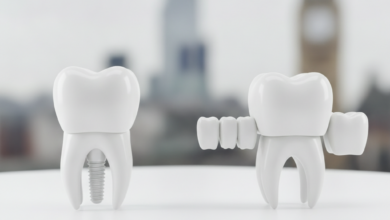
Leaving an infected tooth untreated is not an option. The infection will not heal on its own and can lead to serious health problems. The bacteria can spread from the root tip into the surrounding jawbone, forming a pus-filled pocket called an abscess. An abscess can cause significant bone loss around the tooth. If left to progress, the infection can spread to other parts of the body, such as the jaw, face, or even the bloodstream, leading to a systemic and potentially life-threatening condition. The only alternative to a root canal in such cases is tooth extraction, which can lead to a host of other issues like shifting teeth, bite problems, and the need for more complex restorative work like bridges or dental implants.
The Step-by-Step Root Canal Treatment Procedure
Modern root canal therapy is a highly predictable and comfortable procedure, thanks to advanced techniques and effective anaesthesia. The primary goal is to remove the source of infection and protect the tooth from future microbial invasion. The process is meticulous and typically completed in one or two visits.
| Step | Action | Purpose |
|---|---|---|
| 1. Diagnosis and Preparation | The dentist examines the tooth and takes digital X-rays to see the shape of the root canals and determine the extent of the infection in the surrounding bone. | To confirm the need for a root canal and plan the treatment with precision. |
| 2. Local Anaesthesia | A local anaesthetic is administered to numb the affected tooth and the surrounding tissues completely. | To ensure the patient feels no pain during the procedure and remains comfortable throughout. |
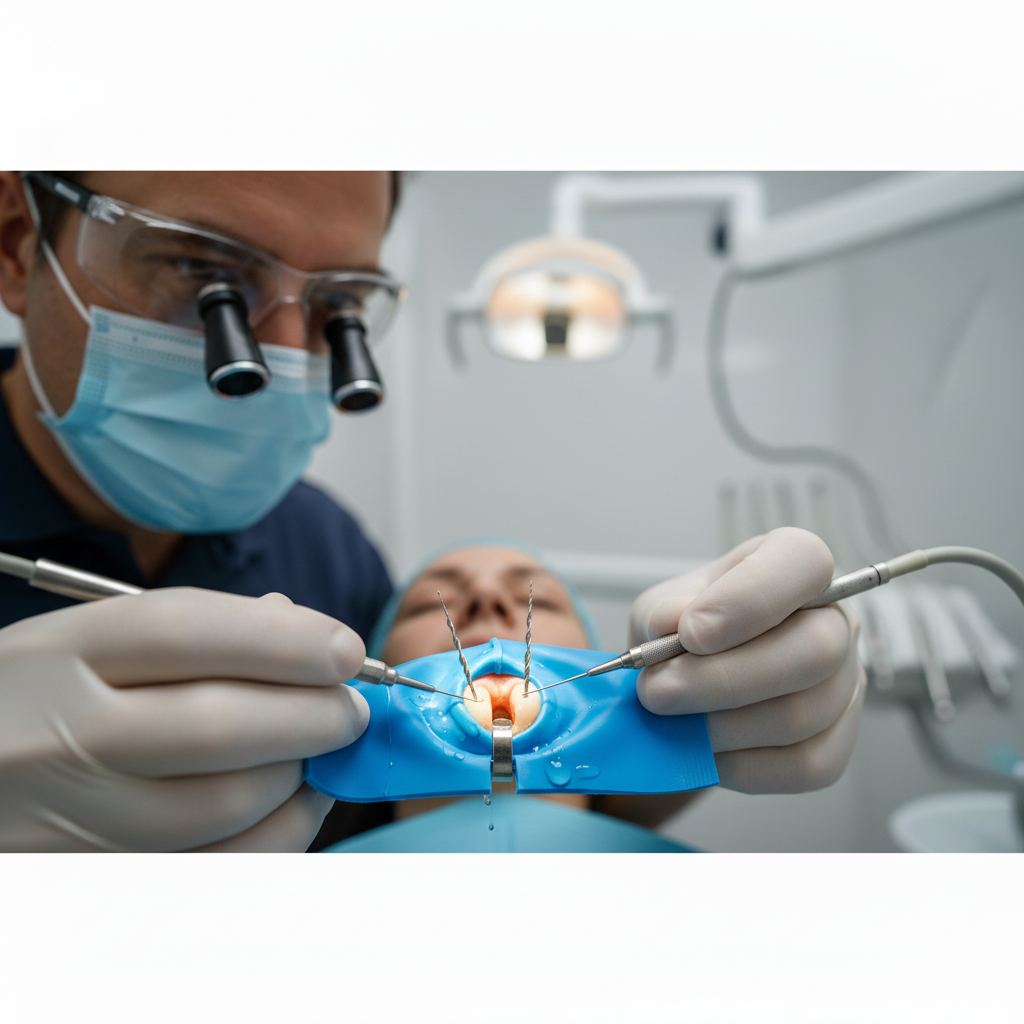
| 3. Isolation | A small rubber sheet called a “dental dam” is placed around the tooth. | To keep the tooth dry, free from saliva, and protected from bacteria during the treatment. |
| 4. Creating an Access Opening | A small opening is made in the crown of the tooth to access the pulp chamber. | To allow the dentist to reach and remove the infected or inflamed pulp tissue. |
| 5. Cleaning and Shaping | Using very fine instruments, the dentist removes the pulp, cleans the inside of the root canals, and shapes the space for filling. The canals are irrigated with antibacterial solutions. | To completely eliminate bacteria, infected nerve tissue, and debris from within the tooth’s root system. |
| 6. Filling the Canals | The cleaned and disinfected canals are filled with a biocompatible, rubber-like material called gutta-percha. It is sealed in place with an adhesive cement. | To completely seal the root canals and prevent bacteria from re-entering and causing a new infection. |
| 7. Restoration | A temporary filling is placed to close the access opening. The patient will later return for a permanent restoration, usually a dental crown. | To protect the tooth from fracture and restore its full function and appearance. |
What to Expect After the Procedure
Recovery after a root canal is typically straightforward. The procedure itself relieves the pain of the infection, and any post-treatment discomfort is usually mild and manageable. Understanding the recovery timeline and long-term care helps ensure the best possible outcome for the treated tooth.
Immediate Post-Treatment Care
For the first few days following the treatment, the tooth and surrounding area may feel sensitive, especially if there was significant pain or infection before the procedure. This discomfort can generally be managed with over-the-counter pain relievers like ibuprofen or paracetamol. It is advisable to avoid chewing on the treated tooth until it has been permanently restored to prevent any potential fracture of the weakened tooth structure. Maintaining good oral hygiene by brushing and flossing as usual is crucial.
The Restoration Phase: Placing the Crown
A tooth that has undergone a root canal is often more brittle than a vital tooth because the pulp, which provided hydration, has been removed. This makes it susceptible to fracture. Therefore, a permanent restoration is a critical final step. In most cases, especially for molars and premolars that withstand significant chewing forces, a full dental crown is recommended. A crown covers and protects the entire tooth, restoring its strength, shape, and function. The process for getting a crown typically involves another appointment where the tooth is prepared, an impression is taken, and the custom-made crown is fitted and cemented in place. Considering the importance of this step, understanding options and costs, such as the dental crown cost in the UK, is a valuable part of the overall treatment plan.
Long-Term Care and Success Rates
With a proper restoration and diligent oral hygiene, a root-canal-treated tooth can last a lifetime. It requires no special care beyond regular brushing, flossing, and routine dental check-ups. The success rate for root canal treatment is very high. According to extensive research and clinical studies, the procedure has a success rate of over 95%, making it one of the most reliable treatments in dentistry. This high level of success, as documented by sources like scientific and clinical overviews, is a testament to the effectiveness of modern endodontic techniques in preserving natural teeth.
Advanced Technology in Endodontics
The success and comfort of modern root canal therapy are heavily reliant on technological advancements. State-of-the-art dental clinics utilize sophisticated tools that enhance precision, efficiency, and patient outcomes. These technologies have transformed the patient experience, making the procedure faster and more predictable than ever before.
Surgical Operating Microscopes: Endodontists often use high-powered microscopes to get a magnified view of the intricate root canal system. This enhanced visualization allows for the identification and treatment of tiny, complex, or unusually shaped canals that might be missed by the naked eye, significantly improving the thoroughness of the cleaning process.
Digital Radiography (X-rays): Digital X-rays provide instant images with significantly less radiation exposure compared to traditional film X-rays. They offer superior image quality, allowing dentists to see fine details of the tooth’s root structure and the surrounding bone, which is crucial for accurate diagnosis and treatment planning.
Rotary Endodontics: Instead of traditional manual files, many dentists now use electric rotary instruments. These tools are made of a flexible nickel-titanium alloy that can clean and shape the root canals more efficiently and smoothly. This technology often shortens treatment time and provides a more consistent and predictable result.
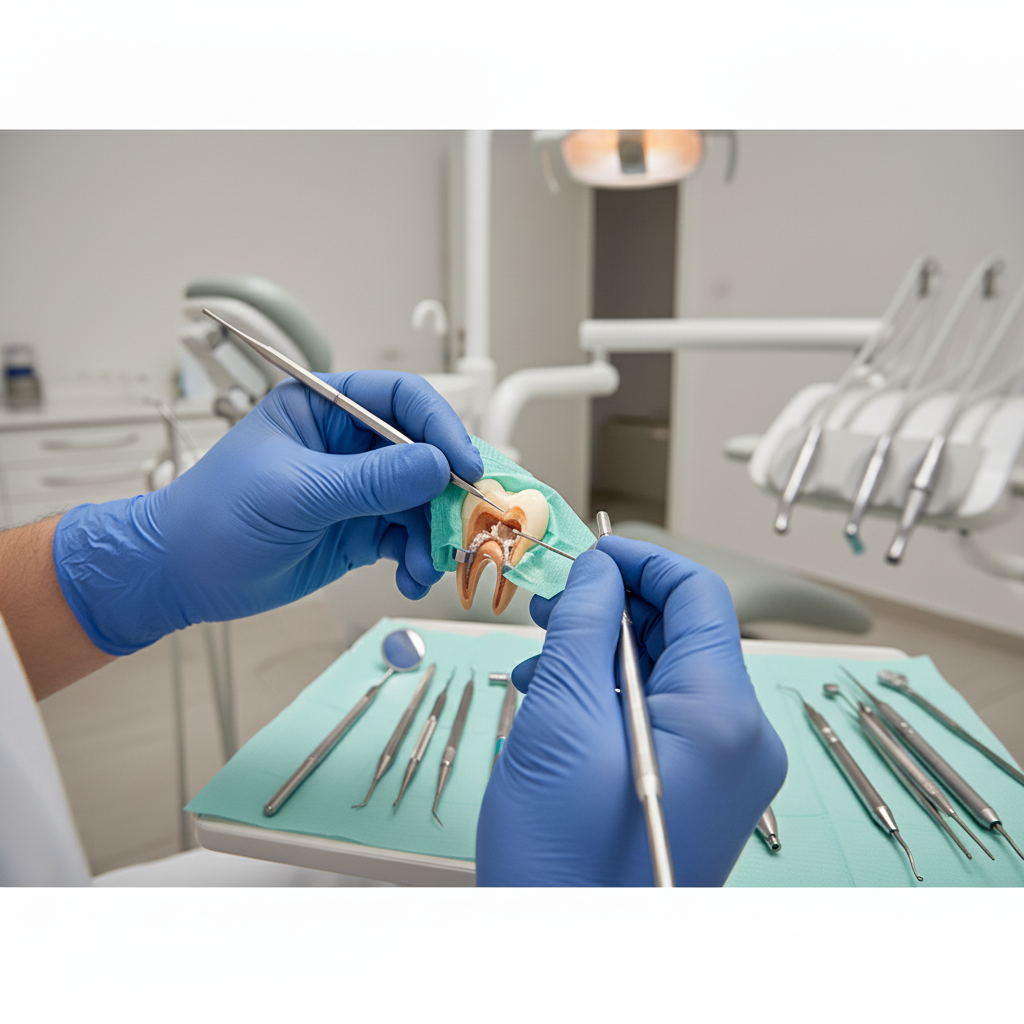
These technological integrations ensure that root canal treatment is not only a tooth-saving procedure but also one that is performed with the highest degree of accuracy and patient comfort.