What Is Gum Disease and How Is It Treated?
What Is Gum Disease and How Is It Treated? This question is fundamental to long-term oral health, yet many people are unaware of the condition’s progressive nature and its significant impact on more than just the mouth. Gum disease, known in the medical community as periodontal disease, is an infection of the tissues that hold your teeth in place. It is typically caused by poor brushing and flossing habits that allow plaque—a sticky film of bacteria—to build up on the teeth and harden. When left unaddressed, it can advance from a mild, reversible stage to a severe condition that results in tooth loss and can affect your overall health.
Understanding this common yet preventable condition is the first step toward safeguarding your smile for a lifetime. It begins with recognising the subtle signs and appreciating the critical role that both personal oral hygiene and professional dental care play in its management and prevention. The journey from healthy gums to advanced periodontitis is a gradual one, and every stage presents an opportunity to intervene and restore oral wellness.
Understanding the Progression of Gum Disease
Gum disease doesn’t appear overnight. It develops in stages, starting with a mild form and progressing to a severe condition if not treated. The primary culprit behind this progression is the constant accumulation of bacterial plaque at and below the gumline. This biofilm irritates the gum tissue, triggering an inflammatory response from the body’s immune system.
The Role of Plaque and Tartar
Everything starts with plaque. This soft, sticky, and colorless film of bacteria forms on your teeth continuously. The bacteria in plaque feed on the sugars in the food and drinks you consume, producing acids that can attack tooth enamel and irritate the gums. If plaque is not removed daily through thorough brushing and flossing, it hardens into a substance called tartar, or calculus. Tartar is a rough, porous deposit that forms at and below the gum line, and unlike plaque, it cannot be removed by brushing alone. It requires removal by a dental professional. Tartar provides a larger and more rugged surface for new plaque to grow, creating a vicious cycle of irritation and inflammation that marks the beginning of gum disease.
From Gingivitis to Periodontitis
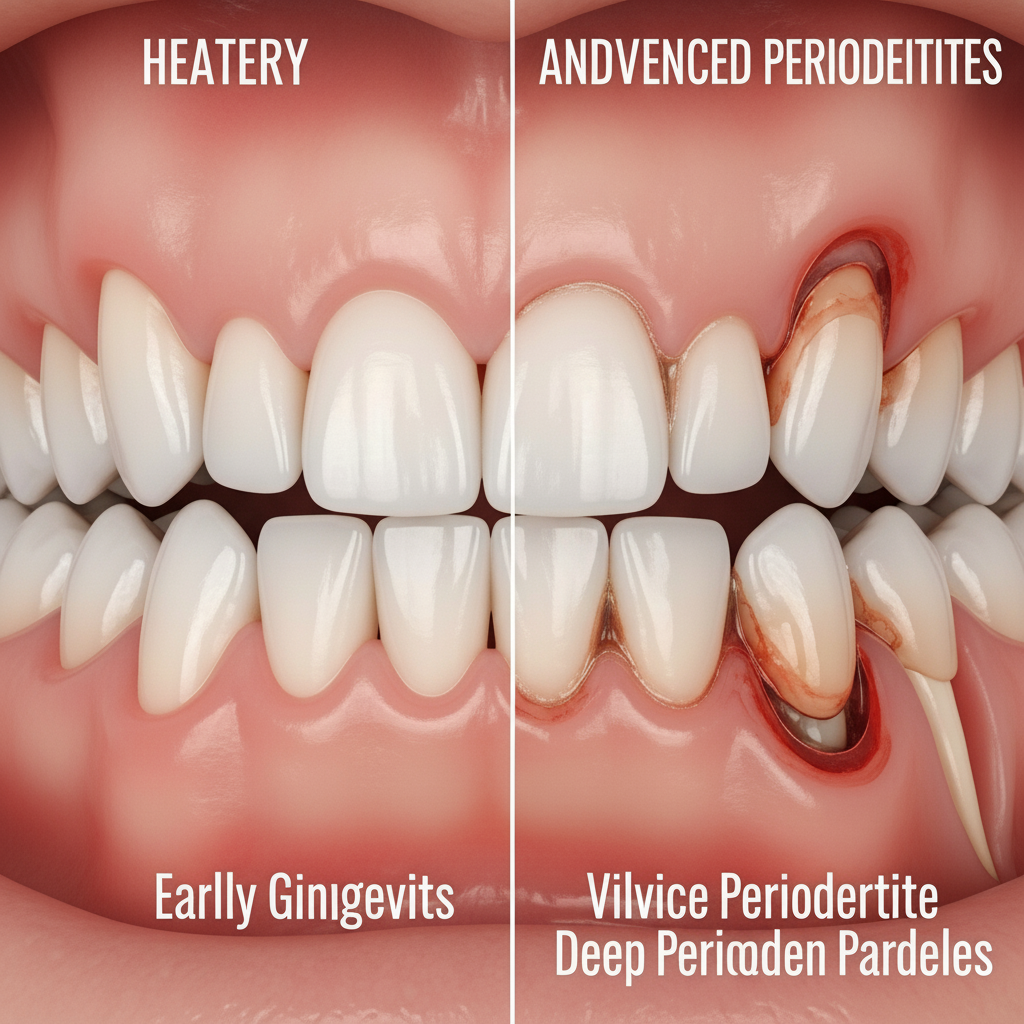
The earliest stage of gum disease is called gingivitis. At this stage, the damage is still reversible. The gums become red, swollen, and may bleed easily, especially during brushing or flossing. However, there is typically little to no discomfort. The crucial thing to understand about gingivitis is that the bone and connective tissue holding the teeth in place have not yet been affected. With diligent at-home care and professional treatment, gingivitis can be completely resolved.
If gingivitis is not treated, it can advance to periodontitis. In this more serious stage, the gums begin to pull away from the teeth, forming spaces called pockets. These pockets become infected as they collect debris and plaque. The body’s immune system fights the bacteria as the plaque spreads and grows below the gum line. This battle, combined with the toxins produced by the bacteria, starts to break down the bone and connective tissue that support the teeth. As the disease progresses, the pockets deepen, and more gum tissue and bone are destroyed. This can eventually lead to teeth becoming loose and needing to be removed.
What Is Gum Disease: The Key Stages and Symptoms
Recognising the symptoms of gum disease is critical for early intervention. Because the initial stages can be painless, many people do not know they have a problem until it becomes more advanced. Being vigilant about changes in your oral health can make a significant difference in the outcome of your treatment. The progression from healthy gums to advanced periodontitis involves distinct phases, each with its own set of signs.
Key Symptoms to Watch For
While symptoms vary depending on the severity of the disease, there are several common warning signs that should prompt a visit to your dentist:
- Bleeding Gums: Gums that bleed during or after brushing and flossing are one of the earliest and most common signs of gingivitis.
- Red, Swollen, or Tender Gums: Healthy gums are firm and pale pink. Inflammation caused by bacteria will make them appear puffy, reddish, or even purplish.
- Persistent Bad Breath (Halitosis): The bacteria and food debris that accumulate in the periodontal pockets can produce a foul odor that brushing and mouthwash can’t eliminate.
- Receding Gums: You may notice your teeth looking longer than usual. This is a sign that the gums are pulling away from the teeth, exposing the roots.
- Formation of Pockets: As the gums detach from the teeth, pockets form, creating a space for more bacteria to thrive.
- Loose or Shifting Teeth: In advanced periodontitis, the loss of supporting bone and tissue causes teeth to become unstable, affecting your bite.
- Pus Between Your Teeth and Gums: This is a clear sign of a serious infection that requires immediate professional attention.
To better illustrate the differences, here is a comparison of the two main stages of gum disease:
| Feature | Gingivitis | Periodontitis |
|---|---|---|
| Primary Symptom | Red, swollen gums that bleed easily | Receding gums, deep pockets, bone loss, loose teeth |
| Reversibility | Completely reversible with good oral hygiene and professional cleaning | Not reversible, but can be managed to halt progression |
| Bone Damage | No bone or connective tissue damage | Permanent loss of bone and tissue supporting the teeth |
| Treatment | Professional dental cleaning and improved at-home care | Deep cleaning (scaling and root planing), and possibly surgical intervention |
| Pain/Discomfort | Often painless or causes mild discomfort | Can cause discomfort, sensitivity, and pain, especially in advanced stages |
Professional Treatments for Gum Disease
The treatment for gum disease depends entirely on the stage of the condition and the extent of the damage. The primary goal is always to control the infection and halt its progression. A combination of professional care and improved personal oral hygiene is essential for a successful outcome. Treatment can range from non-invasive procedures that manage bacterial growth to surgical interventions aimed at restoring supportive tissues.
Non-Surgical Treatments
For early-stage gum disease like gingivitis, and even mild periodontitis, non-surgical treatments are often sufficient. The cornerstone of this approach is a deep-cleaning procedure.
Scaling and Root Planing: This is a therapeutic procedure, often considered the gold standard for treating early periodontitis. It goes much deeper than a standard dental cleaning. First, scaling involves the meticulous removal of all plaque and tartar from both above and below the gum line, cleaning all the way down to the bottom of the periodontal pockets. Next, root planing involves smoothing the tooth roots to help the gums reattach to the teeth. Smoothing the roots makes it more difficult for plaque to accumulate again, reducing the risk of further infection. This procedure is often done under local anaesthesia to ensure patient comfort.
Surgical Interventions for Advanced Cases
When periodontitis is advanced and non-surgical treatments are not enough, surgical intervention may be required. These professional dental procedures aim to clean the deep pockets thoroughly and regenerate lost bone and tissue.
Flap Surgery (Pocket Reduction): In this procedure, the surgeon makes tiny incisions in the gum so that a section of gum tissue can be lifted back, exposing the roots for more effective scaling and root planing. Before stitching the gum tissue back in place, the underlying bone may be recontoured to eliminate areas where disease-causing bacteria can hide. This helps the gum tissue reattach to healthy bone.
Bone and Tissue Grafts: When periodontitis has destroyed the bone and gum tissue surrounding your teeth, grafting may be necessary. Bone grafting involves using fragments of your own bone, synthetic bone, or donated bone to replace the bone destroyed by the disease. This promotes bone regrowth, which helps secure the teeth in place. Similarly, soft tissue grafts can be used to reinforce thin gums or fill in places where gums have receded.
Prevention: The Best Approach to Gum Health
While effective treatments exist, the best strategy for gum disease is prevention. Maintaining excellent oral hygiene and scheduling regular dental check-ups are the most powerful tools you have to protect your gums and teeth. The development of periodontal disease is closely linked to the presence of specific oral bacteria, and controlling this bacterial load is key. As noted in scientific evidence from numerous studies, the disruption of the oral microbiome is the trigger for the inflammatory process.
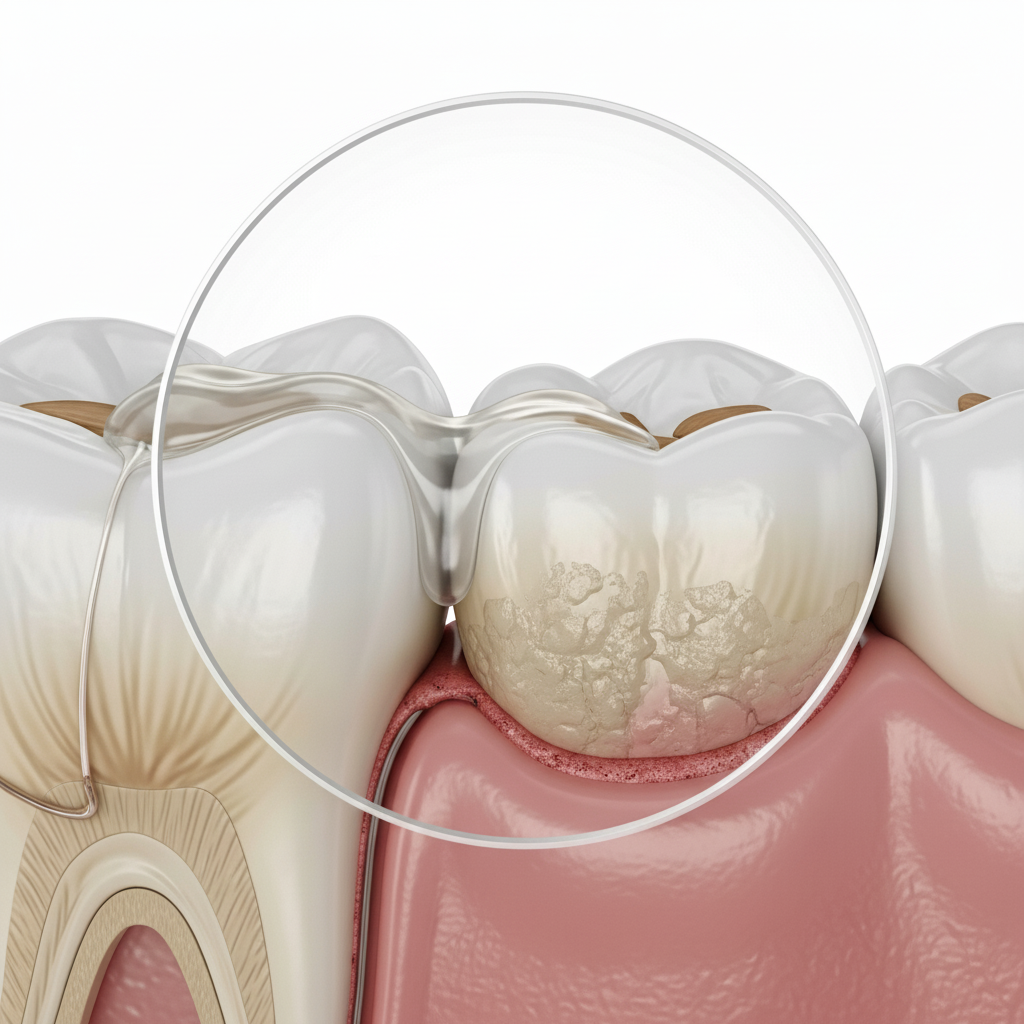
Effective at-home care includes brushing your teeth twice a day with fluoride toothpaste for at least two minutes each time, ensuring you clean along the gum line. Daily flossing is non-negotiable, as it is the only way to remove plaque and food particles from between the teeth and under the gums where a toothbrush cannot reach. Supplementing this routine with an antimicrobial mouthwash can also help reduce bacteria. Paired with professional cleanings at least twice a year, this regimen can effectively prevent the onset of gingivitis and stop gum disease before it ever starts.