Composite Bonding Cost UK – Price Breakdown
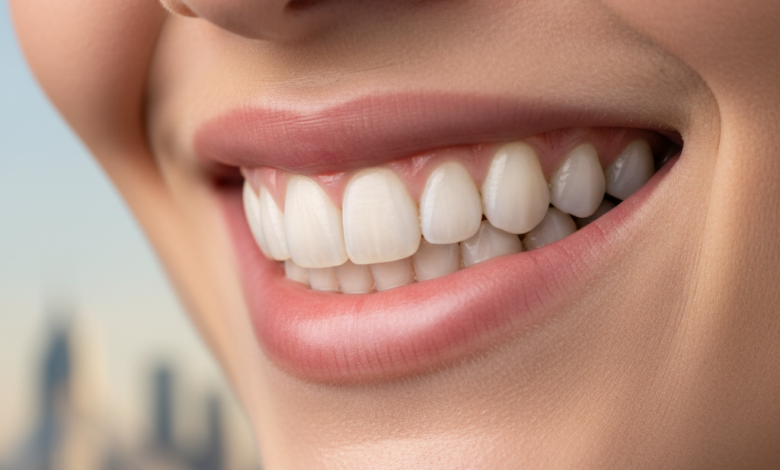
Achieving a radiant, confident smile is a goal for many, and with advancements in cosmetic dentistry, it’s more accessible than ever. Among the popular treatments, composite bonding stands out as a versatile, minimally invasive, and effective solution for various aesthetic concerns. Often referred to as dental bonding or resin bonding, this procedure uses a tooth-coloured resin material to improve the appearance of teeth, addressing issues such as chips, cracks, gaps, and discolouration. As a leading choice for smile enhancements across the UK, understanding the financial aspect is a crucial first step for anyone considering this transformative treatment. This comprehensive guide delves into the specifics of composite bonding costs in the UK, offering a detailed breakdown to help you make an informed decision about your dental health and aesthetic aspirations.
Composite Bonding Cost UK – Price Breakdown
What is Composite Bonding?
Composite bonding is a cosmetic dental procedure that involves applying a tooth-coloured composite resin material to the teeth and shaping it to improve their appearance. The resin, which is a durable plastic material, is carefully matched to your natural tooth shade, ensuring a seamless and natural-looking result. This procedure is an excellent option for correcting minor imperfections and enhancing the overall aesthetics of your smile without significant alteration to your natural tooth structure. Unlike more extensive treatments such as veneers or crowns, composite bonding typically requires minimal to no removal of tooth enamel, making it a conservative and often reversible option. The material is sculpted directly onto the tooth, hardened with a special light, and then polished to blend perfectly with your existing teeth.
The Benefits of Choosing Composite Bonding
- Minimally Invasive: A key advantage is its conservative nature. Very little, if any, tooth enamel needs to be removed, preserving the natural structure of your teeth.
- Natural Appearance: The composite resin can be precisely matched to your existing tooth shade, resulting in a very natural and virtually undetectable enhancement.
- Quick Procedure: In most cases, composite bonding can be completed in a single dental visit, unlike veneers or crowns which often require multiple appointments.
- Versatility: It can address a wide range of cosmetic issues, from repairing chipped or cracked teeth to closing small gaps and masking discolouration.
- Cost-Effective: Generally, composite bonding is a more affordable alternative to veneers or crowns, offering significant aesthetic improvements without the higher price tag.
- Reversible (in many cases): Since little enamel is removed, the procedure can often be reversed if desired, giving patients greater peace of mind.
- Improved Confidence: By correcting dental imperfections, composite bonding can dramatically boost self-esteem and confidence in one’s smile.
Understanding Composite Bonding Cost UK
The cost of composite bonding in the UK can vary significantly depending on several factors. On average, you can expect to pay anywhere from £150 to £450 per tooth for composite bonding. This range reflects the diverse landscape of dental practices, geographical locations, and the complexity of individual cases. It’s important to remember that these are general estimates, and a precise quote will always require a consultation with a dental professional.
Factors Influencing the Cost of Composite Bonding
To understand why the price point can fluctuate, it’s essential to consider the various elements that contribute to the overall fee:
- Number of Teeth Treated: Naturally, the more teeth that require bonding, the higher the total cost will be. Each tooth is typically priced individually.
- Extent of Bonding Required: A small chip or gap will require less material and time than a more extensive reconstruction or shaping of a tooth. The complexity and amount of resin used per tooth directly impact the price.
- Clinic Location: Dental practices in major cities, particularly London, often have higher overheads, which can translate to higher treatment costs compared to those in smaller towns or rural areas.
- Dentist’s Experience and Expertise: Highly experienced cosmetic dentists, especially those with specialist training in aesthetic dentistry, may charge more for their services. Their skill ensures optimal aesthetic outcomes and longevity of the bonding.
- Pre-treatment Requirements: Sometimes, preparatory treatments are necessary before bonding, such as professional cleaning, teeth whitening, or addressing underlying dental issues. These additional procedures will add to the overall cost. For example, many patients opt for teeth whitening before bonding so that the resin can be matched to a brighter, whiter shade.
- Aftercare and Follow-up: While often minor, some clinics may include follow-up appointments or specific aftercare instructions that factor into the total price.
The following table provides a general overview of potential costs, but these figures are purely illustrative and should not be considered a definitive quote:
| Factor | Description | Estimated Impact on Cost (per tooth) |
|---|---|---|
| Minor Chip Repair | Small, straightforward repair of a single chip. | £150 – £250 |
| Gap Closure | Closing a small to medium gap between two teeth. | £200 – £350 |
| Tooth Reshaping/Lengthening | More extensive aesthetic contouring or adding length to a tooth. | £250 – £400 |
| Addressing Multiple Imperfections | Combination of chips, discolouration, and minor reshaping. | £300 – £450+ |
| Geographical Location | Clinics in major cities (e.g., London) vs. regional areas. | Higher in cities (+£50-£100 per tooth) |
| Dentist’s Experience | Highly experienced cosmetic dentists. | Potentially higher (+£50-£100 per tooth) |
The Composite Bonding Procedure: A Step-by-Step Guide
Understanding the process can help demystify the cost and set realistic expectations for your treatment journey.
- Consultation and Assessment: The journey begins with a thorough consultation. Your dentist will examine your teeth, discuss your aesthetic goals, and determine if composite bonding is the most suitable treatment for you. This is also when photos may be taken, and a treatment plan, including cost estimates, will be provided.
- Shade Selection: A crucial step is selecting the precise shade of composite resin that perfectly matches your natural tooth colour. If you opt for teeth whitening, this will typically be done beforehand to achieve a brighter base shade.
- Tooth Preparation: Unlike veneers, which often require significant enamel removal, composite bonding involves minimal to no preparation. The tooth surface may be lightly etched to create a slightly rougher surface, allowing the resin to bond more securely. A conditioning liquid may also be applied.
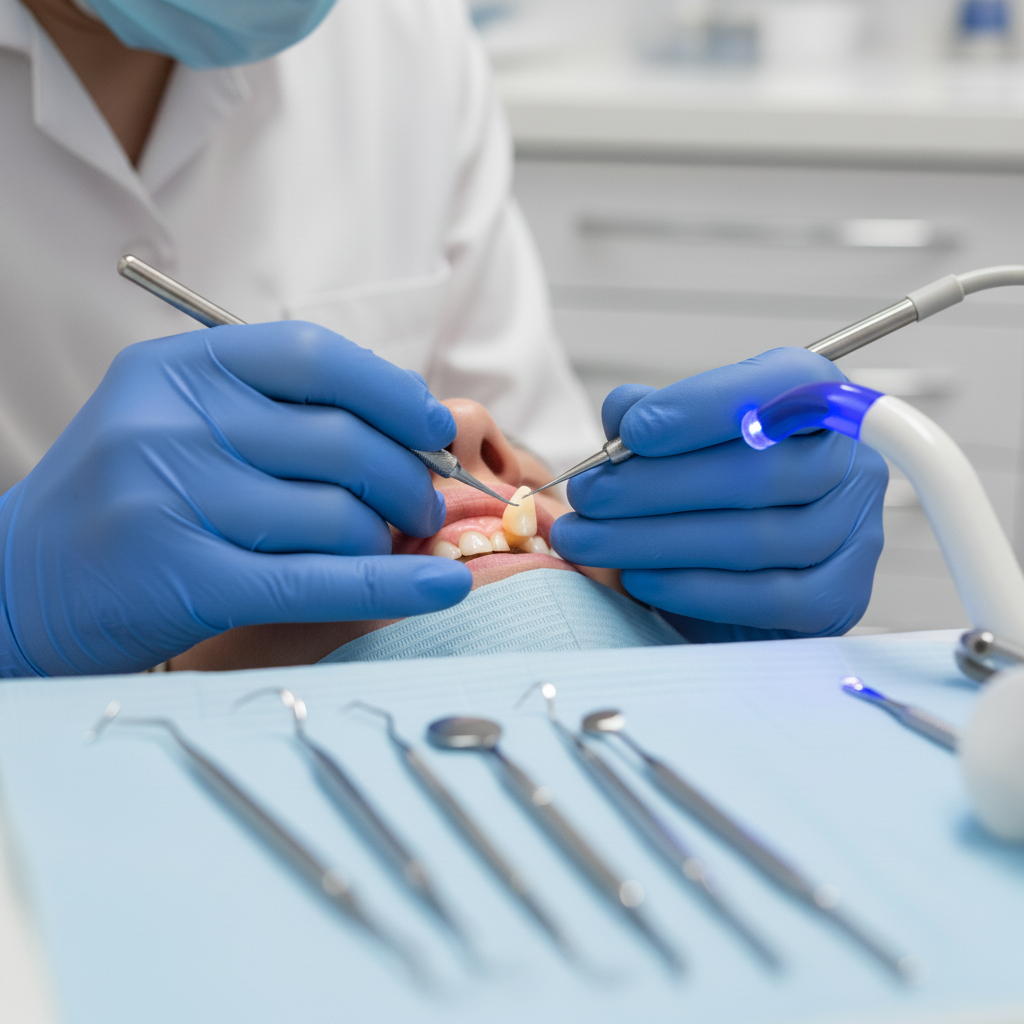
- Application of Composite Resin: The tooth-coloured resin, which has a putty-like consistency, is then carefully applied to the tooth. The dentist expertly moulds and sculpts the material to achieve the desired shape and contour, correcting any imperfections.
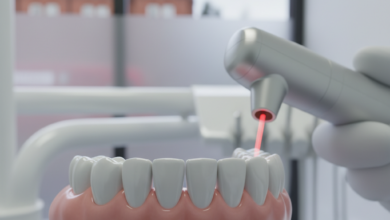
- Curing: Once the desired shape is achieved, a special curing light is used to harden the composite resin almost instantly. This light activates a chemical process within the resin, making it durable and strong.
- Shaping and Polishing: After the resin has hardened, the dentist meticulously trims, shapes, and polishes the bonded material. This final step ensures that the bonded tooth looks natural, feels smooth, and blends seamlessly with your surrounding teeth. The polishing process also helps to prevent staining and prolong the life of the bonding.
Longevity and Maintenance of Composite Bonding
While composite bonding is a durable solution, its longevity largely depends on proper care and maintenance. On average, composite bonding can last anywhere from 5 to 10 years, though with excellent oral hygiene and regular dental check-ups, it can last even longer.
To ensure your composite bonding remains pristine:
- Practice Excellent Oral Hygiene: Brush twice a day with a non-abrasive toothpaste and floss daily to prevent staining and maintain gum health.
- Avoid Staining Foods and Drinks: Be mindful of coffee, tea, red wine, and berries, as these can stain the composite resin over time. If consumed, rinse your mouth with water immediately.
- Avoid Hard and Sticky Foods: Biting directly into very hard foods (e.g., ice, hard sweets, nuts) or sticky foods can chip or dislodge the bonding.
- Don’t Use Teeth as Tools: Avoid using your teeth to open packages or bite nails, as this can damage both your natural teeth and the bonding.
- Regular Dental Check-ups: Schedule routine visits with your dentist for professional cleanings and examinations. Your dentist can assess the condition of your bonding and perform any necessary touch-ups or repairs.
- Consider a Night Guard: If you grind or clench your teeth (bruxism), your dentist might recommend a custom-fitted night guard to protect your bonding and natural teeth from excessive force.
Composite Bonding vs. Alternatives: Why Choose Bonding?
When considering cosmetic dental treatments, it’s natural to compare options. While alternatives like porcelain veneers offer exceptional durability and aesthetic results, composite bonding presents unique advantages that make it an attractive choice for many.
Composite bonding is generally more affordable and less invasive than veneers. Veneers involve the removal of a significant amount of tooth enamel to accommodate the thin porcelain shells, making the procedure irreversible. They are custom-made in a lab, which extends the treatment timeline and increases the cost significantly. While veneers offer superior stain resistance and a longer lifespan (10-15 years or more), composite bonding can achieve remarkable aesthetic improvements in a single visit without extensive tooth preparation. For those exploring their options for enhancing their smile, a detailed understanding of costs for other treatments like veneers can be found by consulting resources such as How Much Do Veneers Cost in the UK?, which can help in making a well-rounded decision.
Is Composite Bonding Right for You?
Composite bonding is an excellent solution for individuals looking to address minor to moderate cosmetic dental imperfections. It is particularly effective for:
- Repairing chipped or cracked teeth.
- Closing small gaps between teeth.
- Covering intrinsic (internal) stains or discolouration that cannot be removed by whitening.
- Changing the shape or length of teeth to create a more uniform smile.
- Protecting exposed tooth roots due to gum recession.
However, it may not be suitable for very large gaps, extensive damage, or for individuals with severe bite problems. A thorough consultation with a qualified dentist is essential to determine if composite bonding is the best course of action for your specific needs and to ensure it aligns with your overall oral health goals.
Finding an Affordable and Quality Provider
When searching for a dental practice for composite bonding in the UK, it’s vital to prioritise both cost and quality. While an attractive price might be tempting, compromising on the dentist’s expertise or the quality of materials can lead to unsatisfactory results and potential long-term issues.
Here are some tips for finding the right provider:
- Seek Recommendations: Ask friends, family, or colleagues for recommendations.
- Check Online Reviews: Look at patient testimonials and ratings for various clinics.
- Verify Dentist’s Credentials: Ensure your chosen dentist is qualified and experienced in cosmetic dentistry.
- Request Before-and-After Photos: Many dentists showcase their work through portfolios, giving you an idea of their aesthetic capabilities.
- Schedule a Consultation: This is the most important step. During a consultation, you can discuss your goals, ask questions about the procedure, understand the full cost breakdown, and assess the clinic’s environment and the dentist’s approach.
- Clarify What’s Included: Ensure the quoted price includes all stages of the treatment, from consultation to follow-up, to avoid hidden costs.

Composite bonding offers a fantastic opportunity to enhance your smile with minimal intervention and at a more accessible price point compared to some other cosmetic procedures. By understanding the factors that influence the Composite Bonding Cost UK and carefully selecting your dental provider, you can achieve the beautiful, confident smile you desire. Investing in your smile is an investment in your self-confidence and overall well-being.