Dental Crown Cost UK – Complete Guide
Understanding the intricacies of dental crown costs in the UK is crucial for anyone considering this popular and effective restorative procedure. Dental crowns, often referred to as ‘caps,’ are custom-made coverings that fit over the entire surface of a damaged or weakened tooth, restoring its shape, size, strength, and improving its appearance. While widely available across the United Kingdom, the price can vary significantly based on several factors, including the type of material used, the complexity of the case, the dentist’s location and experience, and whether treatment is sought through the NHS or a private practice.
Dental Crown Cost UK – Complete Guide
This comprehensive guide aims to demystify the financial aspects of dental crowns, offering a clear breakdown of potential expenses, the influences behind these costs, and what you can expect during your treatment journey. By providing detailed insights into the different options available, we empower patients to make informed decisions about their oral health and investment.
What is a Dental Crown and Why Might You Need One?
A dental crown is a custom-fitted cap placed over a damaged or decayed tooth. Its primary purpose is to protect, restore, and strengthen the tooth structure, preventing further deterioration. Crowns are a versatile solution used in various clinical scenarios:
- Extensive Decay: When a tooth has significant decay that a standard filling cannot adequately restore.
- Weakened Teeth: To protect a weak tooth from fracturing or to hold together parts of a cracked tooth.
- Post-Root Canal Treatment: After a root canal, teeth often become brittle and require a crown for protection against future fractures.
- Broken or Severely Worn Teeth: To restore the shape and function of teeth that have been severely worn down or broken.
- Cosmetic Enhancement: To cover discolored or poorly shaped teeth, improving overall smile aesthetics.
- Supporting Dental Bridges: Crowns are essential anchors for dental bridges, holding artificial teeth in place.
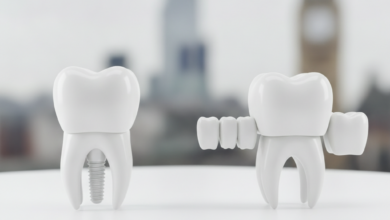
- Covering Dental Implants: A crown is the final restoration placed on top of a dental implant to replace a missing tooth.
The decision to opt for a dental crown is made after a thorough examination by a dental professional, who will assess the tooth’s condition, the patient’s oral health, and discuss the most appropriate treatment plan.
Exploring the Different Types of Dental Crowns and Their Materials
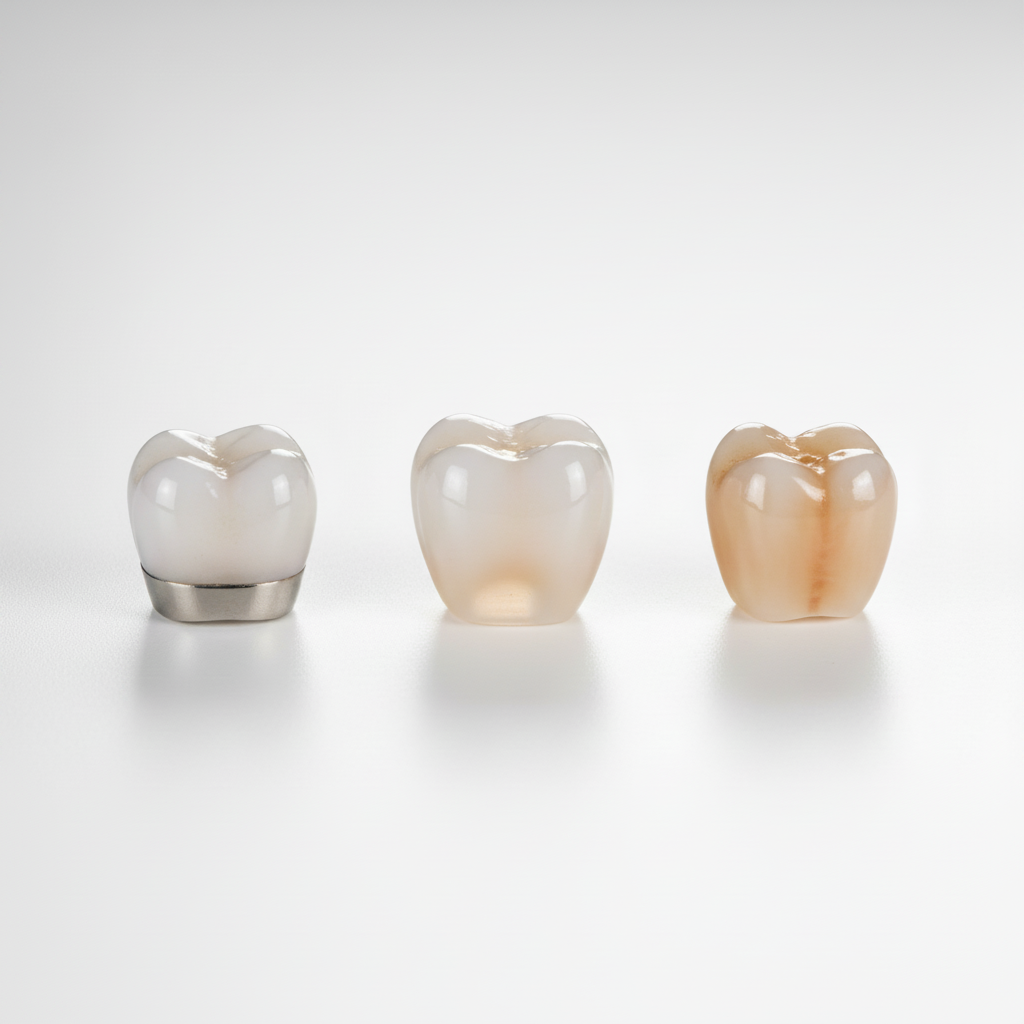
The material chosen for your dental crown significantly impacts both its cost and its characteristics regarding durability, aesthetics, and biocompatibility. Modern dentistry offers a range of options:
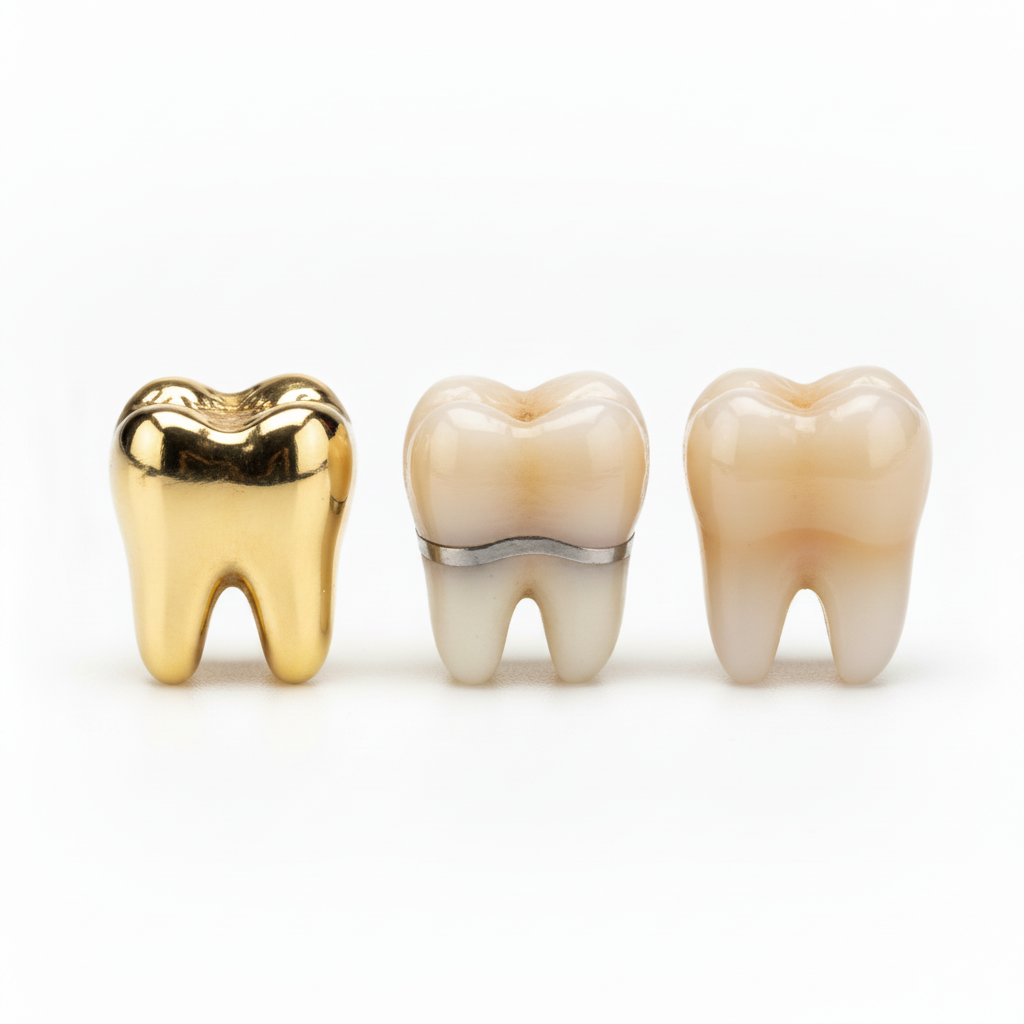
- Porcelain-Fused-to-Metal (PFM) Crowns: These crowns consist of a metal alloy base with a layer of porcelain fused over it. They offer a good balance of strength and aesthetics, making them a popular choice. The metal substructure provides durability, while the porcelain provides a natural tooth-like appearance. However, over time, the metal margin can sometimes become visible at the gum line, especially as gums recede.
- All-Ceramic or All-Porcelain Crowns: Made entirely from ceramic or porcelain materials, these crowns offer the best aesthetic match to natural teeth. They are metal-free, making them an excellent choice for patients with metal allergies or those prioritizing a highly natural look, particularly for front teeth. Popular types include Zirconia and Emax crowns.
- Zirconia Crowns: Known for their exceptional strength and durability, zirconia is a biocompatible material that can withstand significant chewing forces. Advances in dental technology have made zirconia crowns increasingly translucent, allowing for excellent aesthetic results, even in posterior teeth.
- Emax Crowns: Composed of lithium disilicate glass-ceramic, Emax crowns are highly aesthetic and offer superb light-transmitting properties, closely mimicking natural tooth enamel. They are strong but often preferred for front teeth where aesthetics are paramount.
- Metal Crowns (Gold Alloys): Traditionally, crowns were often made from gold alloys or other base metals. While not aesthetically pleasing for visible teeth, metal crowns are incredibly strong, durable, and resistant to wear. They are often chosen for molars where biting forces are highest and visibility is less of a concern. Their excellent longevity can sometimes justify their higher initial cost.
- Composite Resin Crowns: These are less common for permanent crowns and are often used as temporary solutions. Made from a tooth-colored resin material, they are less durable and more prone to wear and fracture compared to other materials, making them a more economical but short-term option.
The choice of material is a collaborative decision between you and your dentist, considering factors such as the tooth’s location, your bite, aesthetic preferences, and budget.
Factors Influencing Dental Crown Cost UK
The price of a dental crown in the UK is not static; it’s a dynamic figure influenced by a combination of clinical, geographical, and provider-specific elements. Understanding these factors can help you anticipate the overall expense:
- Material Type: As discussed, the material is a primary cost driver. All-ceramic crowns (Zirconia, Emax) typically sit at the higher end due to their superior aesthetics and advanced manufacturing processes. PFM crowns offer a mid-range option, while metal crowns, though durable, can also be costly depending on the precious metal content.
- Location of the Clinic: Dental treatment, like many services, is often more expensive in metropolitan areas such as London and the South East compared to more rural or less affluent regions of the UK. Higher overheads for practices in prime locations contribute to increased patient costs.
- Dentist’s Experience and Clinic Reputation: Highly experienced dentists or specialists, particularly those renowned for cosmetic dentistry, may charge higher fees. Similarly, clinics equipped with state-of-the-art technology (e.g., CAD/CAM for same-day crowns) or offering premium services might have higher price points.
- Complexity of the Case and Additional Treatments: The condition of your tooth before the crown placement can significantly affect the overall cost. If you require preliminary treatments such as a root canal, extensive filling, gum contouring, or a core build-up to create a stable foundation for the crown, these will be added to the total cost.
- Laboratory Fees: Most dental practices outsource the fabrication of custom crowns to specialized dental laboratories. The quality and technology used by the lab, as well as the complexity of the crown design, influence these fees, which are then passed on to the patient.
- Warranty and Aftercare: Some private clinics offer warranties on their crowns and comprehensive aftercare packages, which might be factored into the initial cost.
NHS vs. Private Dental Crowns: A Cost and Quality Comparison
NHS Dental Crowns
NHS dental charges are structured into three bands, with crowns falling under Band 3. As of recent updates, the Band 3 charge covers an examination, diagnosis (including X-rays), scale and polish (if clinically needed), and more complex procedures such as crowns, dentures, bridges, and other laboratory work. The key characteristics of NHS crowns include:
- Fixed Cost: The Band 3 charge is a fixed fee, regardless of the number of crowns needed within that treatment plan, up to the maximum charge. This makes it a significantly more affordable option for many.
- Material Limitations: NHS crowns typically prioritize functionality over premium aesthetics. While the dentist will aim for a satisfactory aesthetic outcome, the choice of materials might be limited to more basic options like porcelain-fused-to-metal (PFM) or metal crowns, especially for posterior teeth. All-ceramic options like Zirconia or Emax, which are more aesthetically pleasing, are generally not available on the NHS unless there’s a specific clinical need for them.
- Waiting Times: Depending on the practice and your location, there might be longer waiting times for appointments or specific procedures under the NHS.
Private Dental Crowns
Opting for a private dental crown offers greater flexibility and a broader range of choices, albeit at a higher cost:
- Variable Costs: Private clinics set their own fees, which can vary widely. While more expensive, these costs often reflect the use of premium materials, advanced technology, longer appointment times, and potentially more experienced practitioners.
- Material Choice: Private treatment provides access to the full spectrum of crown materials, including high-aesthetic all-ceramic options like Zirconia and Emax, allowing for superior cosmetic results tailored to your preferences.
- Personalized Care and Aesthetics: Private practices often offer more personalized care, including longer consultations, a greater focus on cosmetic details, and more flexible scheduling.
- No Waiting Lists: Generally, private treatment allows for quicker appointments and more immediate commencement of treatment.
A Detailed Breakdown of Dental Crown Costs in the UK (Estimates)
The following table provides estimated cost ranges for different types of dental crowns in the UK, distinguishing between NHS and private fees. It’s important to remember these are estimates, and actual costs will vary.
| Crown Type | NHS Cost (Band 3) | Private Cost (Range) |
|---|---|---|
| Porcelain-Fused-to-Metal (PFM) Crown | £319.10 | £450 – £800+ |
| All-Ceramic (Porcelain) Crown | Typically not available on NHS* | £500 – £900+ |
| Zirconia Crown | Typically not available on NHS* | £600 – £1200+ |
| Emax Crown | Typically not available on NHS* | £550 – £1100+ |
| Metal (Gold/Base Metal) Crown | £319.10 (where clinically appropriate) | £600 – £1500+ (gold dependent) |
*Note on NHS: While the NHS Band 3 charge is fixed, the choice of crown material is determined by clinical necessity, not patient preference. All-ceramic options are rarely provided unless deemed clinically essential. The NHS fee is a single charge for a course of treatment, not per crown.
The Dental Crown Procedure: What to Expect During Your Treatment
- Initial Consultation and Preparation:
- Your dentist will examine the tooth, often taking X-rays, to ensure it can support a crown.
- Local anaesthesia is administered to numb the tooth and surrounding area.
- The tooth is carefully reshaped and reduced in size to make room for the crown. The amount of tooth structure removed depends on the type of crown chosen.
- An impression (or digital scan) of the prepared tooth and surrounding teeth is taken. This impression is sent to a dental lab, where your custom crown will be fabricated.
- A temporary crown, usually made of acrylic, is placed to protect the prepared tooth while the permanent crown is being made. This temporary crown helps maintain your bite and aesthetics.
- Crown Fabrication (Lab Phase):
- Over approximately one to three weeks, the dental laboratory meticulously crafts your permanent crown based on the impressions and your dentist’s specifications. This is a highly skilled process ensuring a precise fit, optimal bite, and natural appearance.
- Permanent Crown Placement:
- During your second visit, the temporary crown is removed.
- Your dentist will meticulously check the fit, bite, and aesthetics of the permanent crown. Adjustments are made as necessary to ensure comfort and proper function.
- Once both you and your dentist are satisfied, the crown is permanently bonded to your tooth using a strong dental adhesive.
Some modern dental practices utilize CAD/CAM technology, which allows for same-day crown fabrication. This eliminates the need for a temporary crown and reduces the treatment to a single, extended appointment. While convenient, this technology might incur a slightly higher private cost.
Maintaining Your Dental Crown for Optimal Longevity
With proper care, a dental crown can last between 5 to 15 years, and often much longer. Its longevity depends on various factors, including the material, the tooth it covers, your oral hygiene habits, and regular dental check-ups. To maximize the life of your crown:
- Excellent Oral Hygiene: Brush twice a day with fluoride toothpaste and floss daily, paying particular attention to the area around the crown and gum line to prevent plaque build-up and gum disease.
- Regular Dental Check-ups: Schedule routine check-ups and professional cleanings. Your dentist will monitor the crown’s condition and the health of the underlying tooth and gums.
- Avoid Hard Foods: Be cautious when biting into hard or sticky foods (e.g., ice, hard candy, caramels) that could potentially chip or dislodge the crown.
- Address Bruxism: If you grind or clench your teeth (bruxism), your dentist might recommend a nightguard to protect your crown and natural teeth from excessive wear.
Considering Alternatives and Dental Tourism
While dental crowns are an excellent solution for many issues, it’s worth considering alternatives, though their suitability depends on the specific clinical situation:
- Large Fillings: For less extensive decay or damage, a large filling (amalgam or composite) might suffice.
- Veneers: Primarily a cosmetic solution, veneers cover only the front surface of a tooth and are used for aesthetic improvements, not structural repair.
- Dental Implants: If a tooth is beyond saving, a dental implant is the gold standard for replacing a missing tooth, involving a surgical procedure to place a titanium post into the jawbone, topped with a crown.
For those concerned about the higher private dental crown costs in the UK, dental tourism presents an increasingly popular option. Countries like Turkey offer high-quality dental treatments, including crowns, at significantly lower prices, often including state-of-the-art facilities and experienced specialists. Patients from the UK frequently travel abroad to benefit from these cost savings without compromising on the standard of care.
Making an informed decision about dental crowns involves weighing the benefits of restoration against the associated costs and understanding the commitment to long-term care. By choosing the right material and treatment path, and by maintaining diligent oral hygiene, a dental crown can effectively restore your smile’s health, function, and aesthetics for many years to come.