Average Dentist Prices UK (2026 Update)

Average Dentist Prices UK (2026 Update)
Navigating the landscape of dental care costs in the UK can be a complex task, with significant variations between the National Health Service (NHS) and private dental practices. For individuals seeking clarity on potential expenses for maintaining optimal oral health or undergoing specific treatments, understanding these pricing structures is crucial. This comprehensive guide aims to shed light on the average dentist prices across the UK for 2026, offering a detailed breakdown of costs for various procedures and the factors that influence them. Our goal is to empower patients with the knowledge needed to make informed decisions about their dental health.
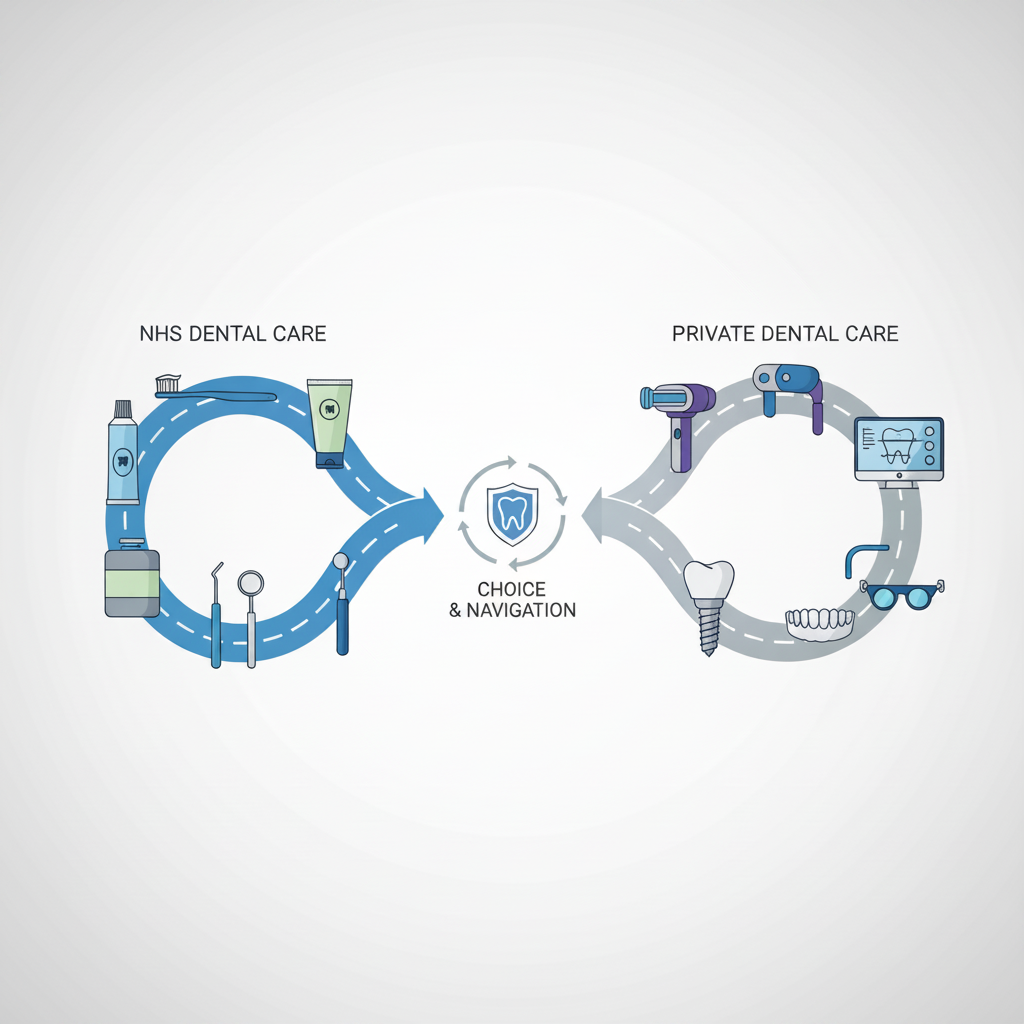
Navigating Average Dentist Prices UK: NHS vs. Private Care
Maintaining excellent oral health is a priority for many, but the financial aspect of dental care often presents a barrier or a point of confusion. In the United Kingdom, patients primarily have two routes for dental treatment: the NHS and private dental clinics. Each system operates with distinct pricing models, service availability, and treatment philosophies, leading to a wide range of costs for similar procedures. Understanding the fundamental differences between these options is the first step in deciphering average dentist prices across the nation.
Understanding NHS Dental Charges
The NHS dental service aims to provide essential dental care for all UK residents. Rather than charging per item of treatment, the NHS operates on a band system, where a fixed charge covers a course of treatment, regardless of how many individual procedures are performed within that band. As of early 2026, these charges typically adjust annually, so patients should always verify the latest figures.
- Band 1: Covers examination, diagnosis (including X-rays), advice on preventing future problems, and preventative care such as scale and polish if clinically needed.
- Band 2: Covers all treatments in Band 1, plus additional treatments such as fillings, root canal treatment, and extractions.
- Band 3: Covers all treatments in Bands 1 and 2, plus more complex procedures like crowns, dentures, and bridges.
While the NHS offers an affordable solution for foundational dental care, it often comes with limitations. These can include longer waiting lists for appointments, restricted choice of materials (e.g., amalgam fillings being more common than white composite in some cases, or metal-based crowns), and a focus primarily on treatments deemed clinically necessary rather than cosmetic enhancements. Access to certain specialised treatments or specific aesthetic preferences may not be available through the NHS.
The Scope of Private Dental Treatment in the UK
Private dental care in the UK offers an alternative that often provides greater flexibility, choice, and immediate access to a wider array of treatments and advanced technologies. Unlike the NHS’s band system, private dentists typically charge for each individual procedure. This allows for a more tailored approach, where patients can select specific materials, technologies, and cosmetic outcomes. The benefits of private dental care often include shorter waiting times, access to highly experienced specialists, state-of-the-art equipment, a broader selection of aesthetic options (such as porcelain veneers, invisible braces, and advanced composite bonding), and extended appointment times for thorough consultations and procedures. While the upfront costs are generally higher, many patients find the enhanced service, personalised attention, and superior material choices justify the investment, especially for complex or aesthetic-driven treatments.
Factors Influencing Private Dental Treatment Costs
The variation in private dentist prices across the UK can be attributed to several key factors, which prospective patients should consider when budgeting for their dental health.
- Geographical Location: Dental practices in major cities, particularly London and the South East, typically have higher operating costs, which are reflected in their treatment prices. Rural areas or smaller towns often present more competitive rates.
- Clinic Reputation and Expertise: Highly reputable clinics with leading dentists or specialists in specific fields (e.g., orthodontics, periodontics, cosmetic dentistry) may charge a premium for their extensive experience, advanced training, and proven track record of successful outcomes.
- Materials and Technology: The choice of materials significantly impacts cost. For example, a high-quality zirconia crown will cost more than a traditional porcelain-fused-to-metal crown. Similarly, clinics investing in advanced technology like 3D imaging, digital scanners, and laser dentistry often factor these innovations into their pricing.
- Laboratory Costs: Many dental procedures, such as crowns, veneers, and dentures, require custom fabrication by a dental laboratory. The quality and location of the lab (local vs. international, bespoke vs. mass-produced) will influence the final cost.
- Complexity of Treatment: A straightforward filling will naturally cost less than a complex root canal requiring specialist attention or a surgical extraction. The time commitment, number of appointments, and skill required for a procedure are direct cost drivers.
- Sedation and Anaesthesia: For anxious patients or complex procedures, sedation options (e.g., conscious sedation, IV sedation) are often available at an additional cost.
- Included Aftercare: Some clinics include follow-up appointments, adjustments, or a warranty period for certain treatments within their overall price, while others may charge for these separately.
Average Private Dentist Prices UK for Common Procedures (2026 Estimates)
Understanding the typical cost ranges for common private dental treatments can help patients plan their budgets. It’s important to remember these are average estimates for 2026, and actual prices will vary by clinic and individual case complexity.
| Procedure | Average Cost Range (£) | Description |
|---|---|---|
| New Patient Consultation | £70 – £150 | Initial examination, diagnosis, X-rays, treatment planning. |
| Routine Check-up | £50 – £90 | Follow-up examination, oral health assessment. |
| Dental Hygiene (Scale & Polish) | £70 – £120 | Professional cleaning to remove plaque, tartar, and surface stains. |
| Amalgam Filling (1 surface) | £90 – £150 | Silver-coloured filling, typically for back teeth. |
| Composite Filling (1 surface) | £120 – £250 | Tooth-coloured resin filling, more aesthetic. |
| Simple Tooth Extraction | £120 – £250 | Removal of a non-complex tooth. |
| Surgical Tooth Extraction | £250 – £500+ | Removal of impacted or complex teeth, often wisdom teeth. |
| Root Canal Treatment (Front Tooth) | £350 – £600 | Cleaning and sealing of infected root canals in single-rooted teeth. |
| Root Canal Treatment (Molar) | £600 – £1,200 | More complex procedure for multi-rooted back teeth. |
| Standard Crown (e.g., PFM) | £600 – £900 | Porcelain-fused-to-metal crown, good balance of strength and aesthetics. |
| E-max / Zirconia Crown | £800 – £1,500 | All-ceramic crowns offering superior aesthetics and durability. |
| Porcelain Veneer (per tooth) | £600 – £1,200 | Thin custom-made shell bonded to the front of a tooth for cosmetic improvement. |
| Composite Veneer (per tooth) | £300 – £600 | Directly sculpted resin applied to the tooth for cosmetic correction. |
| Composite Bonding (per tooth) | £250 – £550 | Resin material applied to correct chips, gaps, or reshape teeth. |
| Single Dental Implant (restored) | £2,500 – £4,000 | Includes implant, abutment, and crown. Price can vary based on brand and complexity. |
| Full Arch Dental Implants (e.g., All-on-4/6) | £10,000 – £25,000+ | Replacing an entire arch of teeth with a fixed bridge supported by 4-6 implants. |
| Invisalign (Full Course) | £3,000 – £6,000 | Clear aligner treatment for orthodontic correction. |
In-Depth Look at Specific Dental Procedure Costs
Delving deeper into common procedures reveals why their costs can vary so widely and what patients are paying for in terms of materials, expertise, and outcomes.
Routine Care: Check-ups, Hygiene, Fillings & Extractions
Routine dental care forms the foundation of good oral health. A new patient consultation typically includes a thorough examination, often with X-rays, to assess overall oral health and identify any immediate concerns. Prices reflect the dentist’s time and diagnostic tools. Regular hygiene appointments, or ‘scale and polish’, are vital for preventing gum disease and maintaining a clean mouth, with costs varying based on the hygienist’s time and the extent of cleaning required. Fillings, used to restore teeth after decay, differ in price depending on the material (silver amalgam being cheaper than tooth-coloured composite) and the size and location of the cavity. Extractions can range from simple, straightforward removal of a loose tooth to more complex surgical procedures involving impacted wisdom teeth, where specialist skills and additional time under anaesthesia increase the cost.
Restorative Treatments: Root Canals, Crowns & Bridges
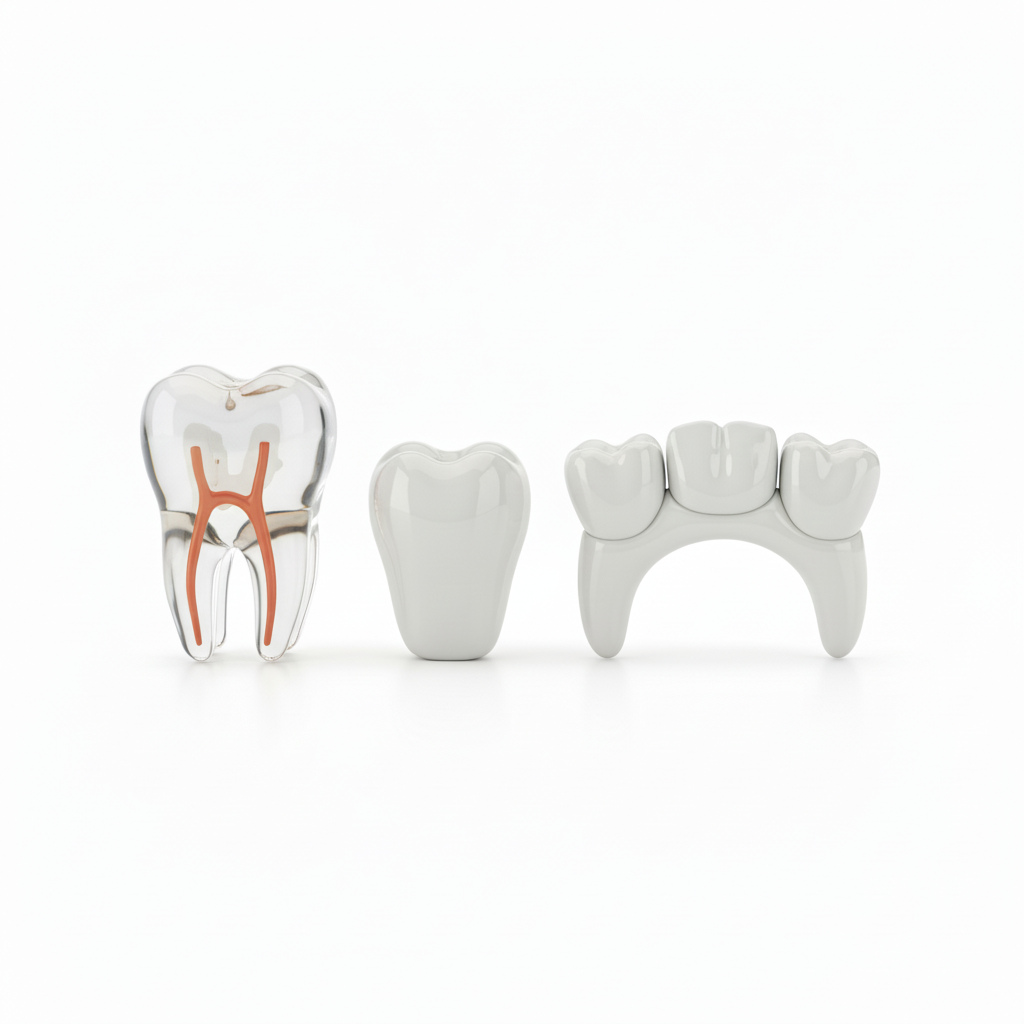
Restorative treatments aim to repair and strengthen damaged teeth. Root canal treatment is required when the soft tissue inside the tooth (pulp) becomes infected or inflamed. Its cost is heavily influenced by the tooth’s location and the number of root canals it possesses (front teeth typically have one, molars can have three or more), necessitating more time and specialised instruments for complex cases. Dental crowns are caps that cover damaged teeth, restoring their shape, size, strength, and appearance. Prices vary based on material, from porcelain-fused-to-metal (PFM) to all-ceramic options like E-max or zirconia, which offer superior aesthetics and biocompatibility. Dental bridges, used to replace one or more missing teeth by anchoring to adjacent natural teeth or implants, typically cost more as they involve multiple units.
Cosmetic Enhancements: Veneers, Composite Bonding & Implants
Cosmetic dentistry focuses on improving the appearance of teeth and smiles. Veneers, thin shells bonded to the front surface of teeth, are a popular choice for correcting discolouration, chips, or minor misalignments. Porcelain veneers are custom-made in a lab, offering excellent durability and aesthetic results, hence their higher price. Composite veneers, sculpted directly onto the tooth, are a more economical option. Composite bonding involves applying a tooth-coloured resin to the teeth to improve their shape, size, or colour, often used for minor cosmetic adjustments. The cost of composite bonding cost UK will depend on the number of teeth treated and the complexity of the desired outcome. Dental implants represent a significant investment but offer the most durable and natural-looking solution for missing teeth. The cost for dental implant procedures typically includes the implant screw, the abutment (connector), and the crown, with additional costs for bone grafts or sinus lifts if required. Full arch solutions, such as ‘All-on-4’ or ‘All-on-6’, which replace an entire set of upper or lower teeth with a fixed bridge supported by multiple implants, are comprehensive treatments reflecting a substantial commitment in both time and finance.
Strategies for Managing Your Dental Health Investment
Navigating dental expenses requires a proactive approach. Many private dental clinics offer payment plans, allowing patients to spread the cost of extensive treatments over several months, often interest-free. Dental insurance schemes are another option, where a monthly premium covers a portion of treatment costs. Some practices offer dental membership plans, providing regular check-ups, hygiene appointments, and discounts on other treatments for a fixed monthly fee. It is always advisable to request a detailed, written treatment plan and cost estimate before committing to any significant procedure. Don’t hesitate to ask questions about the materials used, the number of appointments required, and what post-treatment care is included.
Prioritising preventative care, such as regular check-ups and hygiene appointments, can significantly reduce the likelihood of needing more extensive and costly treatments in the long run. Good at-home oral hygiene practices, including brushing twice daily and daily flossing, are also fundamental in preserving dental health and managing expenses effectively. Making informed choices about dental care ensures that your investment contributes to lasting oral health and a confident smile.