Same Day Dental Implants UK – Is It Possible?
The most significant benefit of same day dental implants is the immediate restoration of aesthetics and function. Patients can walk out of the clinic with a visible, functional tooth, avoiding the social discomfort and dietary restrictions often associated with a gap in their smile. This immediate result can have a profound positive impact on a patient’s self-confidence and quality of life. Furthermore, it often translates to fewer dental appointments compared to the multi-stage traditional implant process, saving patients time and reducing the overall duration of treatment. In some cases, immediate implant placement can also help to preserve the bone volume in the jaw, as the implant stimulates the bone, potentially reducing the bone resorption that can occur after tooth extraction. This can contribute to better long-term aesthetic outcomes, especially in the front of the mouth. The psychological benefit of not having to go through a period with missing teeth is also a major advantage for many individuals.
Who is a Suitable Candidate?
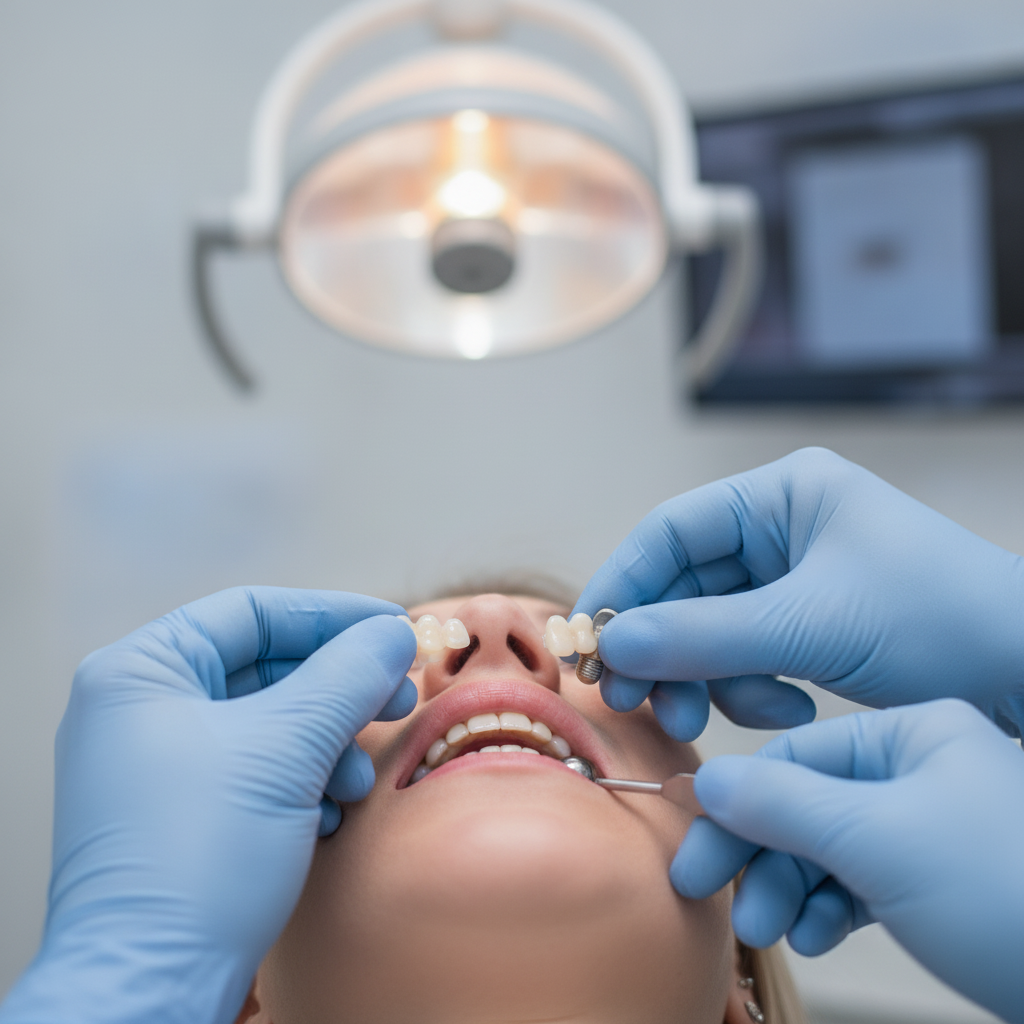
Despite the allure of same day implants, not everyone is a suitable candidate. The criteria are stringent to ensure high success rates. The most critical factor is sufficient bone density and volume at the implant site. The jawbone must be healthy and robust enough to provide excellent primary stability for the implant immediately after placement. Patients with significant bone loss may require bone grafting first, which would preclude a same day procedure. Good general health is also paramount. Conditions that impair healing, such as uncontrolled diabetes, certain autoimmune diseases, or a history of radiation therapy to the jaw, can disqualify a patient. Excellent oral hygiene and the absence of active gum disease or other oral infections are essential, as these can severely compromise implant success. Heavy smokers may also have a reduced success rate due to impaired healing. Ultimately, a thorough evaluation by a qualified dental implant surgeon, utilising advanced imaging, is required to determine individual candidacy.
Same Day Implants vs. Traditional Methods: A Comparison
| Feature | Same Day Dental Implants (Immediate Load) | Traditional Dental Implants |
|---|---|---|
| Timeline | Implant placement and temporary crown in one appointment (often 1-3 days). Final crown after 3-6 months. | Implant placement, then 3-6 months healing, then abutment placement, then final crown (total 6-9 months+). |
| Number of Appointments | Fewer appointments (initial surgery, follow-ups, final crown). | More appointments (initial surgery, healing phase, abutment surgery, impressions, final crown). |
| Immediate Function/Aesthetics | Yes, temporary crown provides immediate tooth replacement. | No, a gap typically remains during the healing phase, or a removable temporary denture may be used. |
| Candidacy Requirements | Strict: Excellent bone density, good oral health, absence of infections, often single tooth or specific full arch cases. | More flexible: Can often accommodate bone grafting for lower bone density; broader range of cases. |
| Healing Period | Osseointegration occurs while the temporary crown is in place; requires careful dietary management. | Dedicated healing period without any load on the implant. |
| Cost Implications | Potentially higher initial cost due to advanced planning, technology, and immediate restoration. | Generally comparable or slightly lower overall cost, spread over a longer period. |
Key Differences and Patient Experience
The table highlights the core distinctions. For patients, the most noticeable difference is the immediate gratification offered by same day implants. They avoid the social awkwardness and dietary limitations of a missing tooth during the healing period. However, this comes with stricter eligibility. Traditional implants, while requiring more patience, are suitable for a wider range of patients, including those who may need bone augmentation. The healing process for traditional implants is entirely undisturbed, as no load is placed on the implant during osseointegration. With same day implants, patients must be diligent about following post-operative instructions, particularly regarding diet, to avoid putting undue stress on the integrating implant. Choosing between the two often comes down to individual clinical circumstances, patient preferences for speed versus invasiveness, and budget.
Ensuring Success: Risks, Aftercare, and Choosing a Provider
Potential Risks and Important Considerations
Despite high success rates, immediate load dental implants are not without potential risks. The primary concern is the failure of osseointegration, particularly if the implant lacks sufficient primary stability or experiences excessive force during the initial healing period. If the implant does not fuse with the bone, it may become loose and require removal. There’s also a risk of infection at the surgical site, similar to any surgical procedure, though this is minimised with sterile techniques and proper post-operative care. While rare, nerve damage, sinus perforation, or damage to adjacent teeth can also occur. Patients must be fully informed about these risks and have realistic expectations about the procedure’s outcomes. The immediate crown is temporary and not designed for heavy chewing initially, and failure to adhere to dietary restrictions can compromise healing. Understanding the general principles of dental implantology can further inform patients.
Post-Procedure Care and Maintenance
Successful integration and longevity of same day dental implants rely heavily on meticulous aftercare. Immediately after the procedure, patients will receive detailed instructions regarding pain management, swelling reduction, and oral hygiene. It’s common to experience some discomfort and swelling, which can be managed with prescribed medications and cold compresses. During the initial healing phase, a soft food diet is strictly recommended to prevent any undue pressure on the newly placed implants. Aggressive chewing or biting hard foods must be avoided. Excellent oral hygiene, including gentle brushing around the implant site and antiseptic mouth rinses, is critical to prevent infection. Regular follow-up appointments with the dental surgeon are essential to monitor healing and ensure the temporary restoration is stable. Once the permanent crown is placed, diligent daily brushing, flossing, and regular professional dental cleanings are necessary to maintain the health of the implant and surrounding tissues, just as with natural teeth.
Choosing the Right Dental Implant Provider in the UK
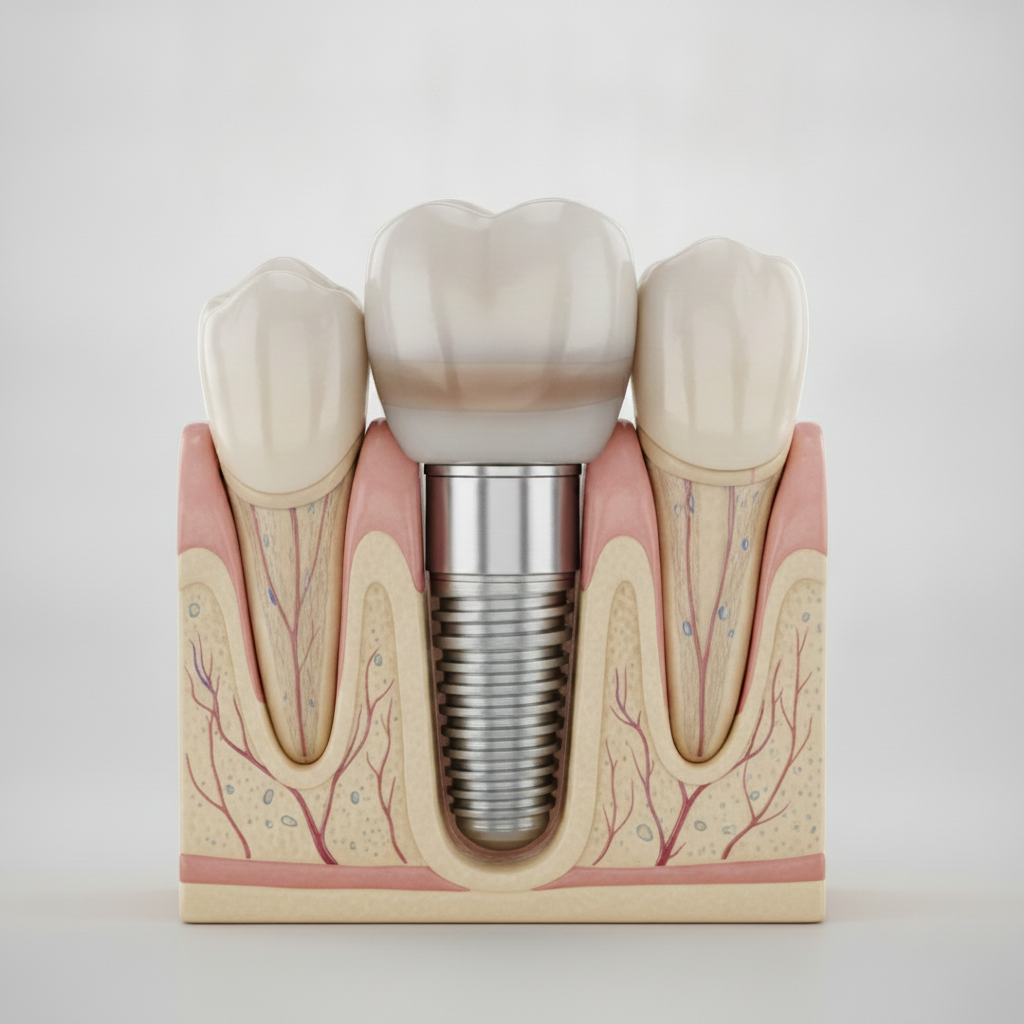
The success of any dental implant procedure, particularly a complex one like same day implants, is heavily dependent on the expertise of the dental professional. When considering same day dental implants in the UK, it is paramount to choose a highly experienced and qualified dental implant surgeon. Look for practitioners who have extensive training and a proven track record specifically in implant dentistry and immediate loading techniques. The clinic should be equipped with advanced diagnostic tools, such as 3D CBCT scanners, and modern surgical facilities. Reviews and testimonials from previous patients can provide insight into the clinic’s quality of care and patient satisfaction. Don’t hesitate to ask about the surgeon’s experience with same day procedures, their success rates, and what kind of post-operative support they provide. A comprehensive consultation should fully address all your questions and concerns, outlining the entire treatment plan, costs, and potential risks. For further information on dental implant timelines, you may find this resource helpful: How Long Do Dental Implants Take UK?