What Are Dental Veneers and Are They Worth It?
What Are Dental Veneers and Are They Worth It?
In the quest for a perfect smile, few cosmetic dental procedures offer the dramatic and immediate transformation that dental veneers do. Often hailed as the secret behind many celebrity “Hollywood smiles,” veneers are thin, custom-made shells designed to cover the front surface of teeth to improve their appearance. They can instantly correct a wide range of cosmetic imperfections, from stubborn stains to chips and gaps. But while the aesthetic results are undeniable, the decision to get veneers is a significant one, involving considerations of cost, procedure, and long-term commitment. This comprehensive guide will explore every facet of dental veneers, helping you understand what they are, the process involved, and ultimately, whether they are a worthwhile investment for your unique smile goals.
Unpacking the Concept: What Exactly Are Dental Veneers?
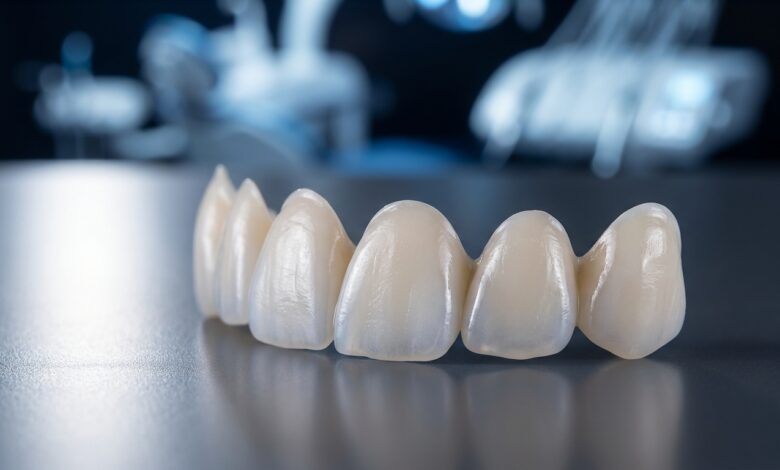
At its core, a dental veneer is a wafer-thin layer of material placed over a tooth. Its purpose is purely cosmetic: to enhance the tooth’s shape, size, colour, or alignment. Unlike a dental crown, which encases the entire tooth, a veneer only covers the visible front portion. This conservative approach allows for a significant aesthetic overhaul while preserving the majority of the natural tooth structure. The success and beauty of the final result depend heavily on the skill of the cosmetic dentist and the quality of the materials used.
The Materials Make the Difference: Porcelain and E-Max
The material chosen for your veneers is a critical factor in their appearance, durability, and longevity. While various materials exist, two stand out for their superior quality and lifelike results: traditional porcelain and advanced E-max ceramic.
Porcelain Veneers: These are the classic standard in cosmetic dentistry. Crafted from a strong, durable ceramic, porcelain veneers are renowned for their ability to mimic the light-reflecting properties of natural tooth enamel. This translucency gives them an incredibly realistic appearance, making them virtually indistinguishable from real teeth. They are also highly resistant to staining from coffee, tea, or red wine, ensuring your bright smile lasts for years. Each porcelain veneer is custom-fabricated in a dental laboratory to match the precise shade and shape required for a seamless smile design.
E-max Veneers: Representing a significant advancement in dental ceramics, E-max veneers are made from a single block of lithium disilicate ceramic. This material is prized for its exceptional strength and durability, making it more resistant to chipping or fracturing than some traditional porcelains. Beyond its toughness, E-max offers outstanding aesthetics. Its unique composition allows for a beautiful, natural-looking translucency that can be colour-matched perfectly to surrounding teeth. Because of their strength, E-max veneers can often be fabricated to be even thinner than traditional porcelain, sometimes requiring less removal of the natural tooth enamel during preparation.
What Cosmetic Issues Can Veneers Correct?
Dental veneers are a versatile solution capable of addressing multiple aesthetic concerns simultaneously. They are an ideal treatment for individuals looking to correct:
- Severe Discoloration: For stains that do not respond to professional teeth whitening, such as those caused by tetracycline medication or excessive fluoride, veneers provide a permanent whitening solution by masking the underlying tooth.
- Chipped, Worn, or Broken Teeth: Veneers can effectively conceal minor to moderate chips and cracks, restoring the tooth to its original, intact appearance. They are also excellent for restoring teeth that have been worn down over time.
- Gaps and Spacing: Unwanted gaps between teeth (diastemas) can be easily and quickly closed with veneers, creating a more uniform and harmonious smile without the need for lengthy orthodontic treatment.
- Minor Misalignment and Irregular Shapes: For slightly crooked, overlapping, or irregularly shaped teeth, veneers can create the illusion of perfect alignment. This is often referred to as “instant orthodontics.”
The Step-by-Step Process for Getting Dental Veneers
The journey to a new smile with veneers is a meticulous, multi-step process that typically requires at least two visits to the dentist. It is a blend of artistry and precise dental science designed to deliver a flawless, custom result.
The Initial Consultation and Smile Design
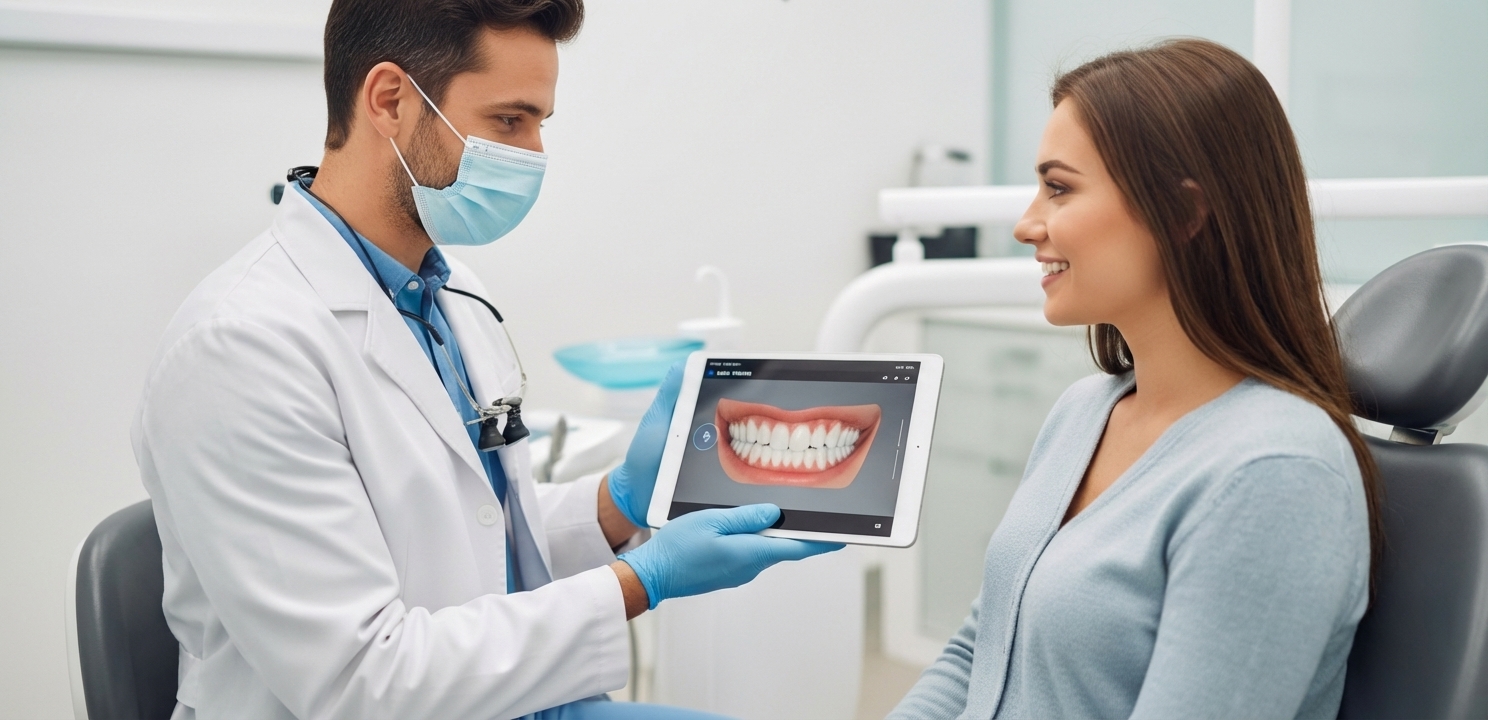
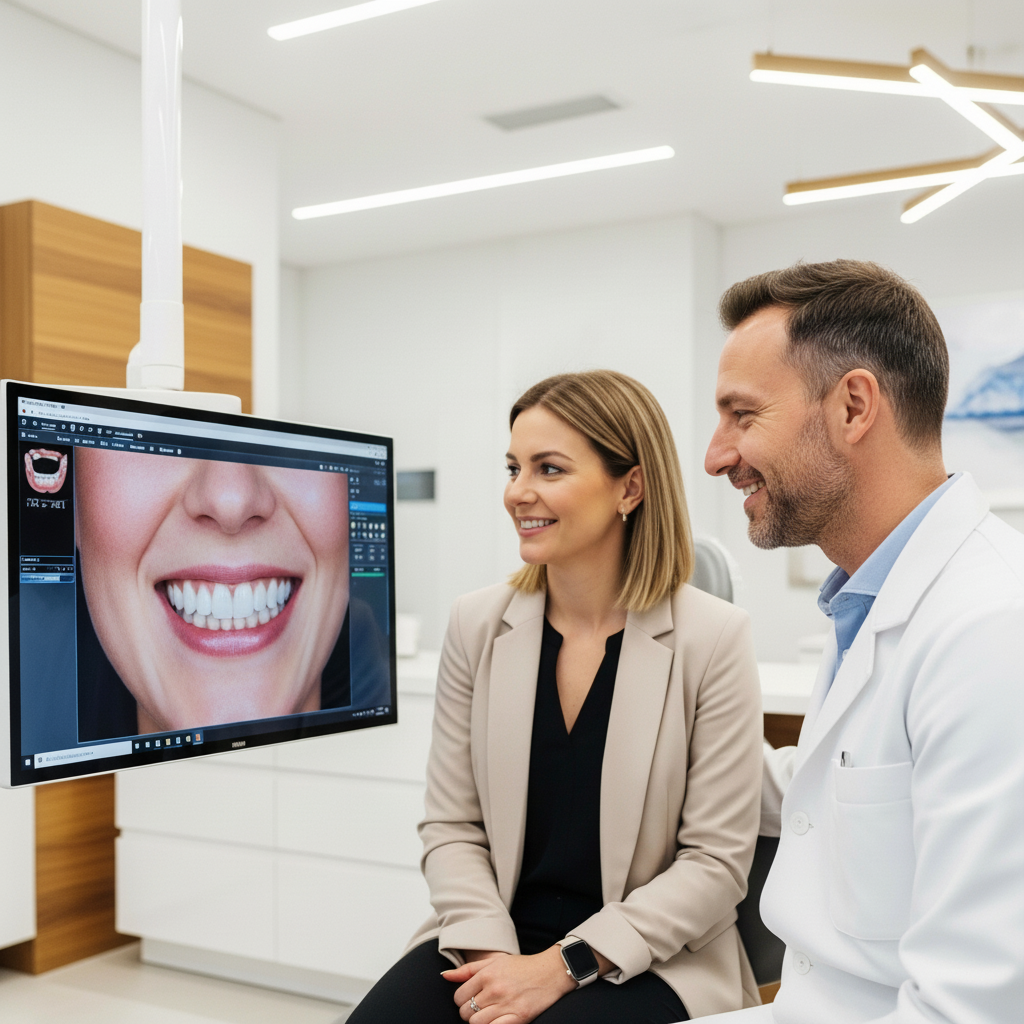
Your journey begins with a thorough consultation. This is the most crucial stage, where you discuss your aesthetic goals with your dentist. You’ll talk about the shape, size, length, and colour of the teeth you envision. Your dentist will perform a comprehensive examination of your teeth and gums to ensure you are a suitable candidate. Digital X-rays and impressions or intraoral scans of your teeth will be taken. Many advanced clinics use Digital Smile Design (DSD) software, which allows you to preview your new smile on a computer screen before any treatment begins, ensuring the final result aligns perfectly with your expectations.
Tooth Preparation: A Minimal but Necessary Step
Once the design is finalized, the teeth are prepared to receive the veneers. This involves removing a very thin layer of enamel from the front surface of the teeth—typically around 0.5 millimetres. This step is vital for two reasons: it creates space for the veneer to sit flush with the gum line without looking bulky, and it roughens the surface to ensure a strong, permanent bond. While the amount of enamel removed is minimal, this step makes the procedure irreversible. After preparation, another impression is taken and sent to a dental laboratory where your custom veneers will be expertly crafted.
The Temporary Phase and Final Crafting
While your permanent veneers are being fabricated, which can take a week or two, your dentist will place temporary veneers on your prepared teeth. These temporaries protect the underlying tooth structure and allow you to “test drive” the general feel of your new smile. They are not as strong or as aesthetically pleasing as the final product but serve an important functional purpose during the waiting period. In the lab, skilled technicians use the impressions to create your porcelain or E-max veneers with incredible precision, ensuring each one is a perfect fit for your smile.
The Final Bonding Appointment
When your custom veneers are ready, you will return for your final appointment. The temporary veneers are removed, and your teeth are thoroughly cleaned. The dentist will then place each permanent veneer on your teeth to check the fit and colour. Adjustments can still be made at this stage to ensure perfection. Once you and your dentist are completely satisfied, the teeth are etched to create a microscopic texture for bonding. A special dental cement is applied to the back of the veneer, which is then placed on the tooth. A high-intensity light is used to cure the cement, creating a powerful, permanent bond between the tooth and the veneer.
Evaluating the Investment: Are Veneers Worth It?
Determining the value of dental veneers is a personal decision that weighs the transformative aesthetic benefits against the financial and procedural commitment. The table below provides a balanced overview to help guide your decision-making process.
| Advantages of Dental Veneers | Considerations and Disadvantages |
|---|---|
| Dramatic Aesthetic Improvement: Veneers provide a complete smile makeover, correcting multiple issues like color, shape, and alignment in one procedure. | Irreversible Procedure: The removal of a small amount of tooth enamel means the process cannot be undone. You will always need to have the teeth covered with veneers or crowns. |
| Stain Resistance: High-quality porcelain and E-max materials are non-porous and highly resistant to staining from food and drinks. | Cost: As a premium cosmetic procedure, veneers represent a significant financial investment. |
| Durability and Longevity: With proper care, veneers are a long-lasting solution, often lasting 10-15 years or more. | Potential for Sensitivity: Some patients may experience temporary tooth sensitivity to hot and cold after the enamel is removed and the veneers are placed. |
| Natural Appearance: Modern materials mimic the translucency of natural enamel, making them look incredibly lifelike. | Not a Repair for Major Damage: Veneers are cosmetic. They are not suitable for teeth with extensive decay, large fillings, or structural weakness. |
| Fast Results: Compared to orthodontics, veneers deliver a straight, white smile in just a few appointments. | Requires Healthy Gums: You must have good oral health and be free of gum disease to be a candidate for veneers. |
Longevity and Aftercare: Protecting Your New Smile
Veneers are a durable and long-term solution, but their lifespan depends heavily on how well you care for them. With a diligent oral hygiene routine and regular dental check-ups, you can expect your investment to last for well over a decade.
How Long Do Veneers Last?
The longevity of veneers is a key consideration for many patients. High-quality porcelain veneers typically last between 10 to 15 years, while the superior strength of E-max veneers can extend this lifespan even further. A comprehensive clinical study on porcelain laminate veneers has shown high success rates over many years, confirming their reliability as a long-term cosmetic solution. Factors that influence their lifespan include the quality of the material, the expertise of the dentist, and, most importantly, the patient’s oral hygiene habits and lifestyle.
Essential Care and Maintenance Tips
Caring for veneers is straightforward and very similar to caring for your natural teeth. To maximize their longevity and keep them looking their best, follow these simple guidelines:
- Practice Excellent Oral Hygiene: Brush at least twice a day with a non-abrasive fluoride toothpaste and floss daily. This prevents decay in the natural tooth structure underneath and around the veneer.
- Avoid Excessive Force: Do not use your veneers to bite on hard objects like ice, fingernails, or pens. While durable, they can still chip or break under extreme pressure.
- Protect Your Teeth: If you play contact sports, wear a mouthguard. If you have a habit of grinding or clenching your teeth at night (bruxism), your dentist will strongly recommend a custom nightguard to protect your veneers from damage.
- Attend Regular Dental Check-ups: Visit your dentist for professional cleanings and examinations every six months. This allows your dentist to monitor the health of your veneers and the underlying teeth.
Ultimately, the decision to pursue dental veneers comes down to a clear understanding of your own cosmetic goals and oral health. They offer a powerful and efficient path to the smile you have always desired. For many, the boost in confidence and the daily joy of a beautiful smile make the investment unequivocally worth it. It is essential to have a detailed discussion with a qualified cosmetic dentist to explore if you are an ideal candidate and to compare this treatment with other potential options. For some, understanding the difference between cosmetic options is key, which raises the question of veneers vs crowns and which is better for your smile.