Veneers vs Crowns: Which Is Better for Your Smile?
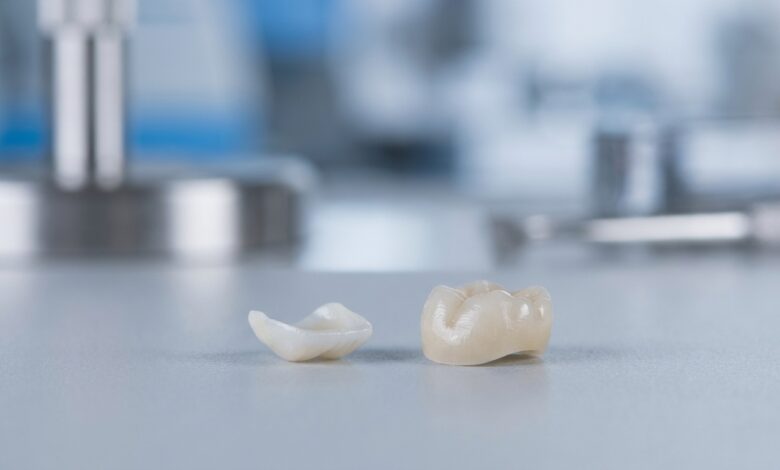
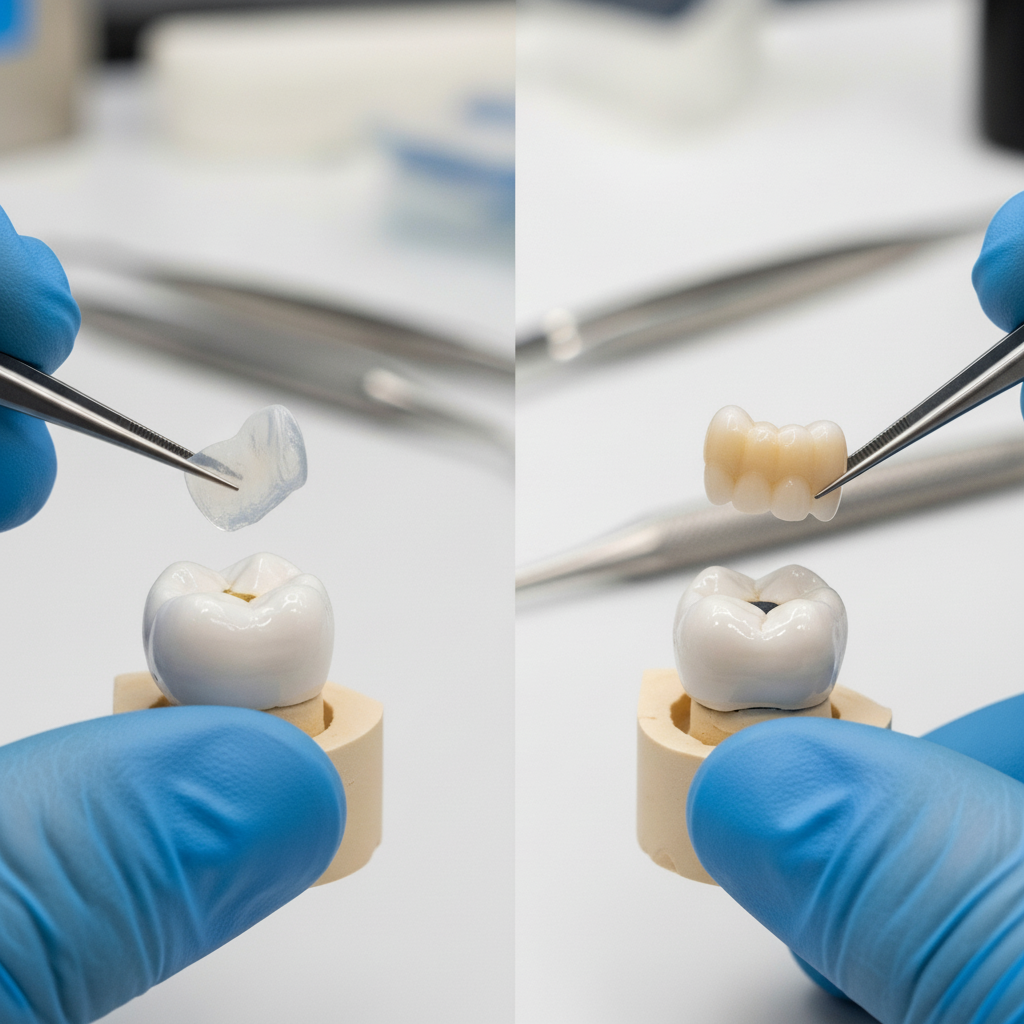
Dental veneers are ultra-thin, custom-made shells of tooth-coloured material designed to cover the front surface of teeth. They are primarily a cosmetic solution, intended to improve the appearance of your smile by correcting issues such as discolouration, chips, gaps, or minor misalignments. Think of a veneer as a new façade for your tooth, masking imperfections while preserving the majority of the natural tooth structure behind it.
Veneers vs Crowns: Which Is Better for Your Smile? When pursuing a perfect smile, cosmetic dentistry offers several transformative solutions. Among the most popular and effective are dental veneers and crowns. While both can dramatically enhance the appearance of your teeth, they serve different primary purposes and involve distinct procedures. Understanding the fundamental differences between them is crucial for making an informed decision that aligns with your dental health needs and aesthetic aspirations. This comprehensive guide will explore the intricacies of veneers and crowns, from their materials and application processes to their ideal use cases, helping you determine the best path to your dream smile.
What Are Dental Veneers?
The Purpose of Veneers
The main goal of veneers is aesthetic enhancement. They are the go-to choice for patients who have structurally sound teeth but are unhappy with their appearance. The common issues veneers can address include:
- Severe Stains: For discolouration that doesn’t respond to professional whitening, such as stains from tetracycline or fluorosis.
- Minor Imperfections: Small chips, cracks, or worn-down edges can be effectively concealed.
- Gaps and Spacing: Veneers can close small gaps between teeth (diastema) without the need for orthodontics.
- Slight Misalignment: They can create the illusion of perfectly straight teeth for minor crookedness or unevenness.
- Shape and Size: Veneers can be used to reshape teeth that are too small, too short, or have an undesirable shape.
The Veneer Procedure
The process of getting veneers typically involves two to three visits. The first is a consultation where your dentist examines your teeth, discusses your goals, and determines if you are a suitable candidate. During the second visit, the tooth preparation takes place. The dentist will remove a very thin layer of enamel from the front of the tooth—usually less than a millimetre. This is a crucial step to ensure the veneer fits flush with your gum line and doesn’t look bulky. An impression of your prepared teeth is then taken and sent to a dental laboratory where your custom veneers are fabricated.
You may be fitted with temporary veneers while you wait for the permanent ones to be made. On your final visit, the dentist will check the fit and colour of the veneers before permanently bonding them to your teeth using a special cement, which is then hardened with a high-intensity light.
Understanding Dental Crowns
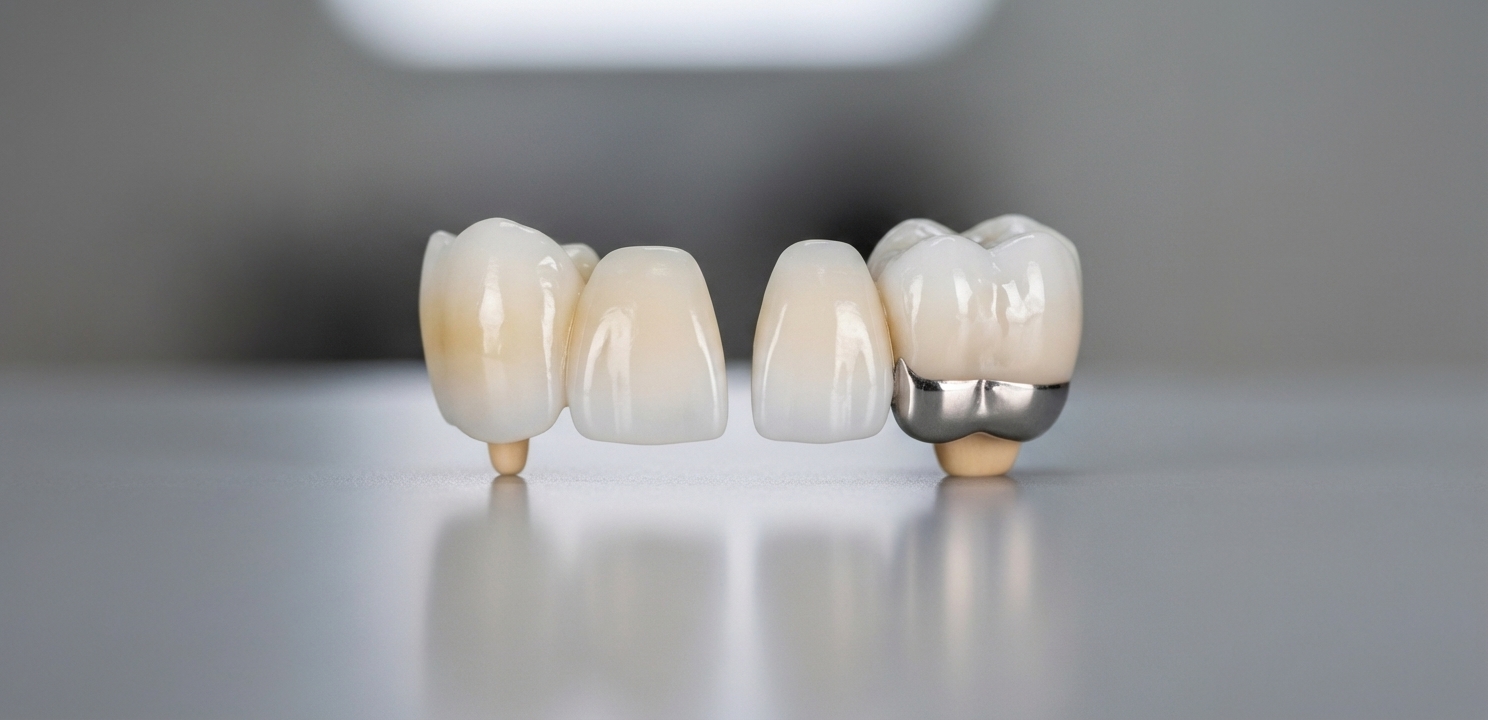
A dental crown, often referred to as a “cap,” is a restoration that completely covers or encases a tooth or dental implant. Unlike a veneer, which only covers the front surface, a crown covers the entire visible portion of the tooth above the gum line. Its primary purpose is restorative; it aims to restore a tooth’s shape, size, strength, and improve its overall appearance when it has been significantly damaged.
The Purpose of Crowns
Crowns are necessary when a tooth is too damaged or weakened to be fixed with a simpler restoration like a filling or veneer. They provide full protection and structural integrity. Situations that call for a dental crown include:
- Significant Decay: When a large cavity has compromised the majority of the tooth structure.
- Broken or Fractured Teeth: To hold together a cracked tooth or restore one that has broken.
- After a Root Canal: Teeth become brittle after root canal therapy and require a crown for protection against fracture.
- Worn-Down Teeth: To restore teeth that have been severely worn down due to grinding (bruxism) or other factors.
- Supporting a Dental Bridge: Crowns are placed on the teeth on either side of a gap to anchor a dental bridge.
- Cosmetic Modification: For severe discolouration or misshapen teeth that cannot be corrected with veneers.
The Crown Procedure
The procedure for a crown is more extensive than for a veneer. It also typically requires at least two visits. During the first visit, the dentist will prepare the tooth by significantly reshaping it. This involves removing a substantial amount of the outer tooth structure from all sides to make room for the crown’s thickness. An impression is then taken and sent to the lab. A temporary crown is placed to protect the prepared tooth.
Once the permanent crown is ready, you will return for the second visit. The temporary crown is removed, and the dentist will check the fit, bite, and colour of the new crown. If everything is perfect, the crown is permanently cemented into place.
Direct Comparison: Veneers vs Crowns
Choosing between veneers and crowns depends entirely on your specific dental condition and desired outcome. While both can result in a beautiful, natural-looking tooth, their functional differences are significant. The table below provides a clear, side-by-side comparison to help illustrate these distinctions.
| Feature | Dental Veneers | Dental Crowns |
|---|---|---|
| Primary Purpose | Cosmetic (to improve appearance) | Restorative (to restore function and strength) |
| Tooth Preparation | Minimal; only a thin layer of enamel is removed from the front. | Extensive; significant tooth reduction on all sides. |
| Coverage | Covers only the front surface of the tooth. | Covers the entire tooth (360 degrees). |
| Material | Typically porcelain or composite resin. E-max veneers are popular for aesthetics. | Zirconium, E-max, Porcelain-fused-to-metal (PFM), or gold. |
| Best For | Correcting stains, chips, gaps, and minor misalignments on healthy teeth. | Protecting weak teeth, restoring broken teeth, or after a root canal. |
| Durability | Durable, but can be more prone to chipping than crowns. | Very durable and strong, designed to withstand full biting force. |
| Invasiveness | Less invasive procedure. | More invasive procedure due to significant tooth trimming. |
Key Factors in Making Your Decision
The right choice hinges on a professional evaluation of your oral health. A dentist will consider several factors before recommending a treatment plan.
Assessing the Health of Your Tooth
The most critical factor is the existing condition of your tooth. If your tooth is largely intact, healthy, and the issue is purely cosmetic, a veneer is almost always the preferred option. It’s a more conservative treatment that preserves more of your natural tooth. However, if the tooth has a large filling, extensive decay, or is structurally compromised from a fracture or root canal, a crown is the necessary choice to provide the strength and protection the tooth needs to function properly.
Your Aesthetic Goals and Smile Design
Your vision for your smile plays a significant role. If you are looking for a complete transformation, often called a smile makeover, a combination of treatments might be used. Veneers are excellent for creating a uniform, white, and perfectly aligned appearance across your front teeth. Crowns can also be made to look aesthetically pleasing and can be matched to veneers on adjacent teeth, but their primary role remains functional. High-quality materials like E-max and Zirconium ensure both restorations can look incredibly natural and lifelike.
Longevity and Maintenance
Both veneers and crowns are long-lasting solutions when properly cared for. They require the same oral hygiene as natural teeth, including regular brushing, flossing, and dental check-ups. Porcelain veneers can last 10-15 years, while crowns often last 15-20 years or even longer. The longevity of these restorations is supported by extensive research, with studies showing high survival rates for both treatments over many years when placed correctly. According to a clinical study on the survival of ceramic restorations, both veneers and crowns demonstrate excellent long-term performance, making them reliable investments in your oral health.
Ultimately, the decision between veneers and crowns is not one you have to make alone. A thorough consultation with an experienced cosmetic dentist is the essential first step. They will perform a comprehensive examination, including X-rays, to assess the underlying health of your teeth and recommend the treatment that will provide the best combination of aesthetics, function, and long-term durability for your unique smile.