How Smoking Damages Your Teeth and Gums
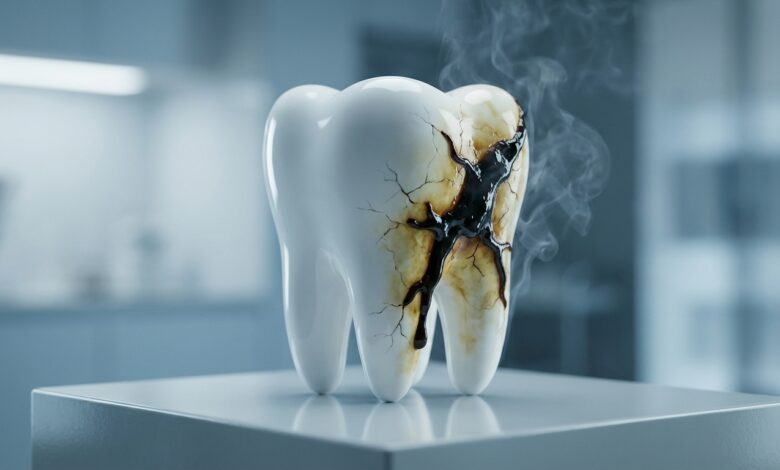
How Smoking Damages Your Teeth and Gums, creating a cascade of oral health problems that extend far beyond simple staining. While the dangers of smoking for the lungs and heart are widely publicised, its devastating impact within the oral cavity is often underestimated. Every cigarette introduces a cocktail of over 7,000 chemicals into the mouth, initiating a series of destructive processes that compromise the teeth, gums, and supporting bone structure. This isn’t just a cosmetic issue of yellowed teeth; it is a fundamental attack on the mouth’s delicate ecosystem, leading to severe gum disease, tooth decay, tooth loss, and an alarmingly increased risk of oral cancer. Understanding the specific mechanisms by which tobacco smoke inflicts this damage is the first step toward recognising the urgency of quitting and seeking professional dental care to mitigate the harm.
The Chemical Assault on Your Oral Environment
When you smoke, you are exposing your mouth to a direct and concentrated chemical attack. The two most notorious culprits, nicotine and tar, are just the beginning. These substances immediately begin to alter the normal functioning of your oral environment. Nicotine is a vasoconstrictor, meaning it narrows the blood vessels. This significantly reduces blood flow to the gums. Healthy gums rely on a steady supply of oxygen and nutrients from the blood to stay vital and to effectively fight off infections. By choking off this supply, nicotine weakens the gums’ natural defences and severely impairs their ability to heal.
This compromised blood flow creates a dangerous situation. It means that the early warning signs of gum disease, such as bleeding when brushing, are often masked in smokers. While healthy gums would bleed to signal inflammation, the constricted vessels in a smoker’s gums prevent this from happening, allowing a serious infection to progress silently.
Simultaneously, the thousands of other chemicals in tobacco smoke disrupt the delicate balance of bacteria in your mouth. This disruption promotes the growth of more harmful, anaerobic bacteria that thrive in low-oxygen environments. These are the very bacteria responsible for advanced gum disease (periodontitis). The tar in smoke provides a sticky surface on the teeth, making it easier for plaque to accumulate and harden into tartar (calculus), which can only be removed by a dental professional. This combination of a weakened immune response and an explosion of harmful bacteria creates the perfect storm for rapid oral health decline.
Aesthetic Damage: Staining and Chronic Bad Breath
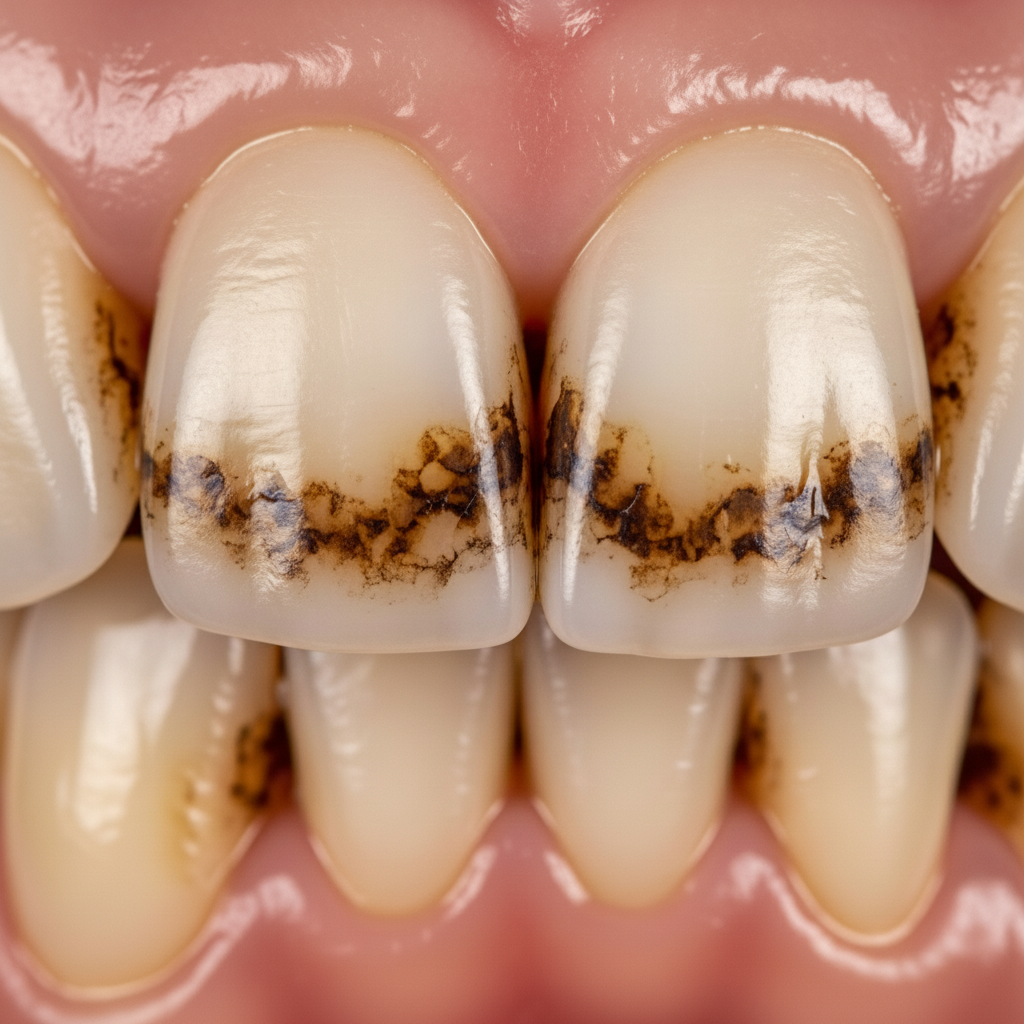
The most visible effect of smoking is the discolouration of teeth. The tar and nicotine present in tobacco smoke are intrinsically dark and sticky. They seep into the microscopic pores of your tooth enamel, causing deep, stubborn stains that range from yellow to dark brown. These stains are not superficial; they become embedded within the tooth structure, making them incredibly difficult to remove with regular brushing alone. Professional teeth whitening treatments may be required to restore the natural shade of the teeth, but continued smoking will only cause the stains to return quickly.
Beyond staining, smoking is a primary cause of persistent halitosis, or bad breath. This is caused by several factors. The lingering chemicals from the cigarette smoke itself leave a distinct and unpleasant odour. More significantly, smoking leads to a condition known as xerostomia, or dry mouth. Saliva is the mouth’s natural cleaning agent, washing away food particles and neutralising acids produced by bacteria. The chemicals in smoke reduce saliva production, allowing foul-smelling bacteria and food debris to accumulate in the mouth. This, combined with the underlying odours from potential gum disease, creates a chronic and socially difficult condition.
The Progression to Severe Gum Disease
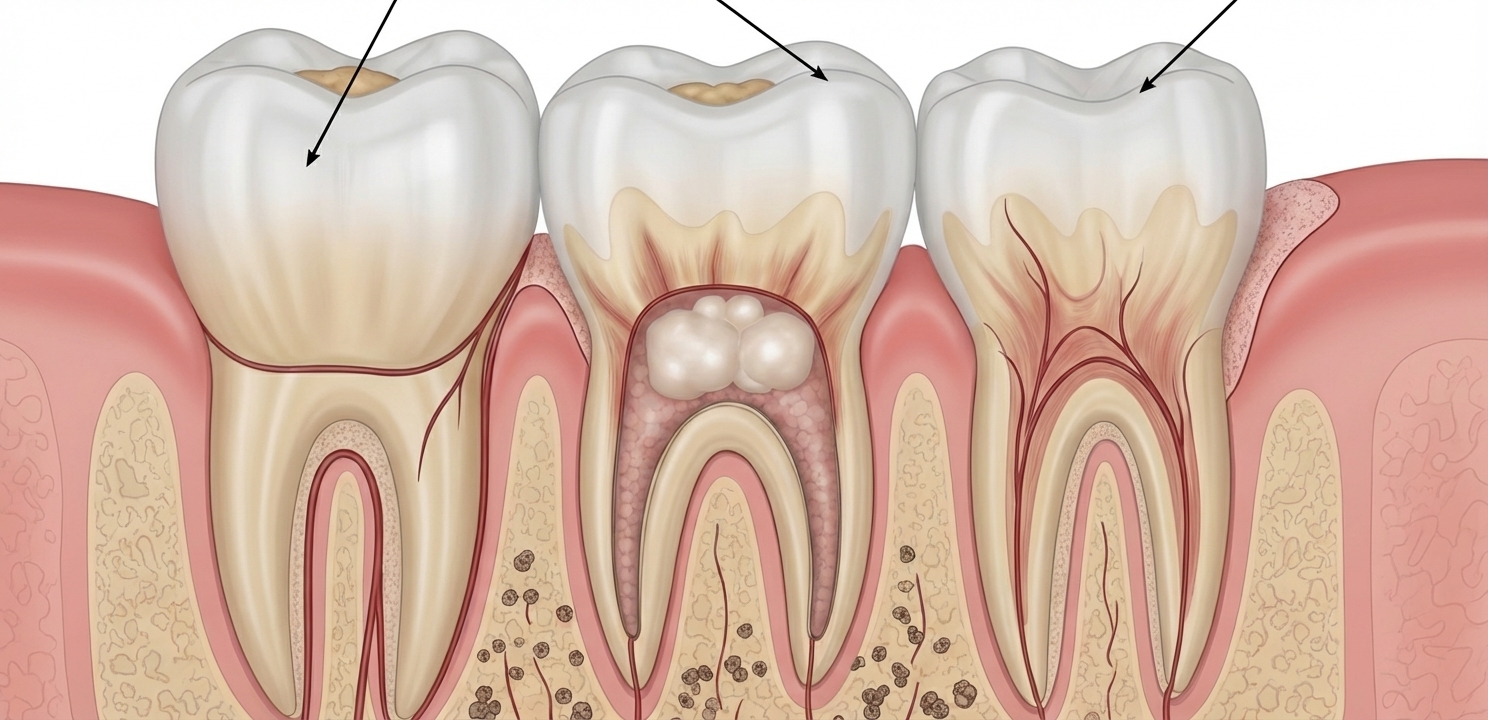
Smoking is one of the most significant risk factors for the development and progression of gum disease. The initial stage, gingivitis, is characterised by inflammation of the gums. In a non-smoker, this would present as red, swollen, and bleeding gums. As mentioned, smoking often hides these signs. As the condition advances untreated, it becomes periodontitis. In this severe stage, the infection goes below the gum line and begins to destroy the underlying bone and connective tissues that hold the teeth in place.
Pockets form between the gums and teeth, which then fill with more plaque, tartar, and bacteria. The body’s immune system, already weakened by the effects of smoking, struggles to fight this deepening infection. The result is the progressive destruction of the alveolar bone—the very bone that anchors the tooth roots. This process is often slow and painless in its early stages, but it is relentless. Smokers are far more likely to suffer from severe periodontitis than non-smokers, and they tend to lose more bone at a faster rate. According to the World Health Organization, tobacco use is a major contributor to a wide range of oral diseases.
How Smoking Damages Your Teeth, Leading to Loss and Treatment Failure
The cumulative effects of a dry mouth, increased plaque, and advanced gum disease directly lead to the structural failure of teeth. The lack of saliva means that acids produced by plaque bacteria are not neutralised, allowing them to eat away at the tooth enamel much more effectively, causing cavities. These cavities can develop more rapidly and become more severe in smokers.
The most profound damage, however, comes from the destruction of the tooth’s support system. As periodontitis destroys the jawbone, teeth become loose. They may shift their position, affecting your bite and ability to chew. Eventually, with enough bone loss, the teeth will either fall out on their own or require extraction by a dentist. This is a common endpoint for long-term smokers. The loss of multiple teeth has a significant impact on nutrition, speech, and self-confidence.
Furthermore, smoking creates major complications for restorative dental treatments. The reduced blood flow and compromised immune system severely hinder the body’s ability to heal after procedures like tooth extractions, root canals, or the placement of dental implants. Smokers experience a higher rate of post-surgical complications, including infections and delayed healing. For those who have lost teeth, this creates a significant challenge, as the very habit that caused the tooth loss also makes replacing them more difficult. The extensive damage and eventual loss of teeth are often clear signs you may need dental implants, yet smoking complicates this ideal solution. The success of dental implants relies on a process called osseointegration, where the implant fuses directly with the jawbone. Smoking directly inhibits this process, leading to a significantly higher rate of implant failure compared to non-smokers.
Quitting and Professional Intervention
The journey to restoring oral health begins with the single most important step: quitting smoking. The benefits to your mouth begin almost immediately. Blood flow to the gums starts to improve, allowing them to heal and respond better to treatment. Over time, the risk of developing gum disease and oral cancer begins to decrease.
However, quitting alone cannot reverse the damage that has already been done. Professional dental intervention is crucial. A comprehensive dental examination, including X-rays, will be necessary to assess the full extent of bone loss and decay. Treatment will likely begin with a deep cleaning procedure, known as scaling and root planing, to remove the hardened tartar from below the gum line. For stained teeth, professional whitening can be effective. In cases of severe damage or tooth loss, more advanced cosmetic and restorative procedures such as veneers, crowns, bridges, or dental implants may be required to rebuild a healthy and functional smile. A commitment to quitting smoking, combined with a dedicated oral hygiene routine and professional dental care, provides the best path forward to reclaiming your oral health.