Do Dental Implants Fail Over Time

Do Dental Implants Fail Over Time, or are they a permanent solution to tooth loss? This is a critical question for anyone considering this life-changing dental procedure. With a success rate typically cited between 95% and 98%, dental implants are overwhelmingly successful and considered the gold standard for replacing missing teeth. However, like any medical procedure, they are not entirely without risk, and failures, though uncommon, can occur. Understanding why an implant might fail is the first step toward preventing it and ensuring your investment in your smile lasts a lifetime.
An implant failure is generally defined as the loss of the implant, its inability to be restored with a crown, or the presence of persistent pain, infection, or mobility. These failures can be broadly categorized into two main types: early failure, which happens within the first few months after surgery, and late failure, which can occur a year or even many years down the line. The reasons behind each type are distinct, ranging from biological factors to mechanical issues and patient aftercare. By exploring these causes, patients can become active partners in their own long-term success.
Understanding the Success Rate and Definition of Failure
The high success rate of dental implants is a testament to decades of research and clinical refinement. The entire process is built upon a biological phenomenon known as osseointegration, where the titanium implant post fuses directly with the jawbone. This fusion creates an incredibly strong and stable foundation, mimicking the root of a natural tooth. When osseointegration is successful, the implant becomes a permanent part of your anatomy, capable of withstanding the powerful forces of chewing and speaking for decades.
It is important to distinguish between a complication and a true implant failure. A minor complication could be a manageable issue like inflammation around the implant (mucositis) or a loose abutment screw, both of which can often be resolved without losing the implant itself. A true failure, however, means the implant has lost its integration with the bone and must be removed. The most common signs that may indicate an implant is failing include:
- Mobility: Any perceptible movement of the implant post is a significant red flag. A fully integrated implant should be completely immobile.
- Pain and Discomfort: While some discomfort is normal immediately after surgery, persistent or worsening pain, especially when chewing, can signal a problem.
- Swelling or Infection: Pus, swelling of the gums, or a bad taste in the mouth are classic signs of infection around the implant site.
- Difficulty Chewing: An inability to bite down comfortably on the implant crown can indicate an underlying issue with the implant’s stability.
Recognizing these symptoms early and contacting your dental professional immediately is crucial for potentially saving the implant or addressing the issue before it worsens.
Why Do Dental Implants Fail? A Look at the Causes
The reasons for failure are multifaceted, involving a combination of surgical factors, patient health, and long-term maintenance. By separating these causes into early and late-stage problems, we can better understand the specific risks associated with each phase of the implant journey.
Early-Stage Implant Failure
Early failures typically occur within the first three to four months following placement, during the critical osseointegration period. The primary reason for this type of failure is the body’s inability to form a stable bond between the bone and the titanium implant. Several factors can contribute to this issue. Insufficient bone density or volume is a major risk; if there isn’t enough healthy bone to surround and support the implant, it cannot integrate properly. This is why a thorough pre-surgical evaluation, often including 3D CBCT scans, is essential. Systemic health conditions also play a significant role. Uncontrolled diabetes, for example, can impair the body’s healing process, while autoimmune diseases can affect the immune response around the surgical site. Furthermore, smoking is a well-documented risk factor that constricts blood vessels, reducing blood flow and the delivery of essential nutrients and oxygen required for bone healing.
Late-Stage Implant Failure
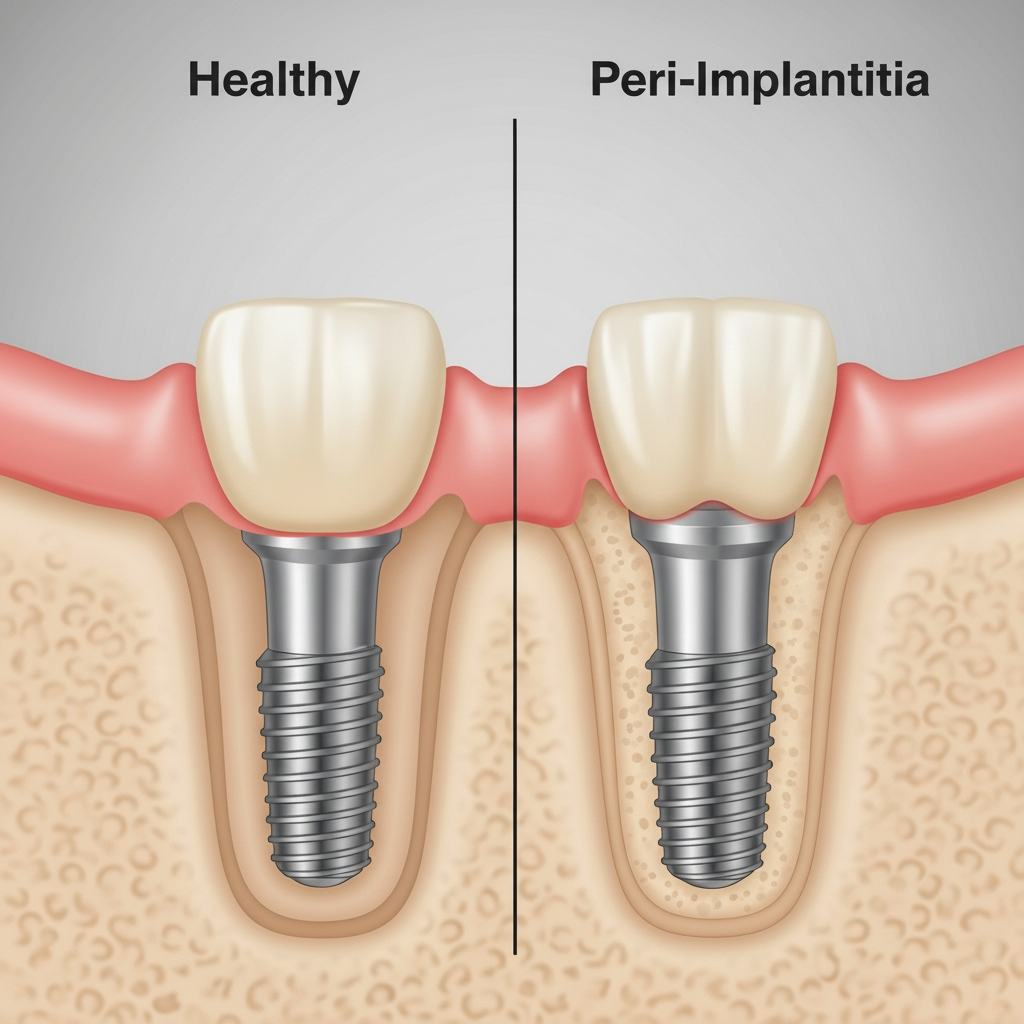
Late-stage failures happen after osseointegration has successfully completed, sometimes years after the final crown has been placed. These failures are most often linked to external factors and patient aftercare. The leading cause of late failure is a condition known as peri-implantitis. This is an inflammatory disease, similar to periodontitis (gum disease), where bacteria accumulate around the implant, leading to the progressive destruction of the supporting gum tissue and bone. Poor oral hygiene is the primary driver of peri-implantitis. Other causes of late failure include mechanical problems, such as the fracture of the implant post or its components due to excessive force from teeth grinding (bruxism) or a poorly designed restoration. Over time, constant, extreme pressure can cause material fatigue and lead to a structural breakdown.
Patient-Related Risk Factors for Implant Failure
While the skill of the surgeon is paramount, the patient’s health and habits are equally critical to the long-term success of dental implants. Certain lifestyle choices and medical conditions can significantly increase the risk of complications or outright failure.
The Impact of Smoking and Tobacco Use
Smokers have a demonstrably higher rate of implant failure compared to non-smokers. Nicotine is a vasoconstrictor, meaning it narrows the blood vessels throughout the body, including in the mouth. This reduced blood flow severely hampers the healing process, making successful osseointegration more challenging. It also impairs the immune system’s ability to fight off infection at the surgical site.
Uncontrolled Medical Conditions
Patients with certain systemic diseases must be carefully evaluated before proceeding with implant surgery. Uncontrolled diabetes slows down healing and increases the risk of infection. Osteoporosis, a condition that weakens bones, can impact the quality of the jawbone, potentially compromising the implant’s stability. Patients undergoing radiation therapy to the head and neck area may also experience healing difficulties.
Oral Hygiene and Post-Operative Care
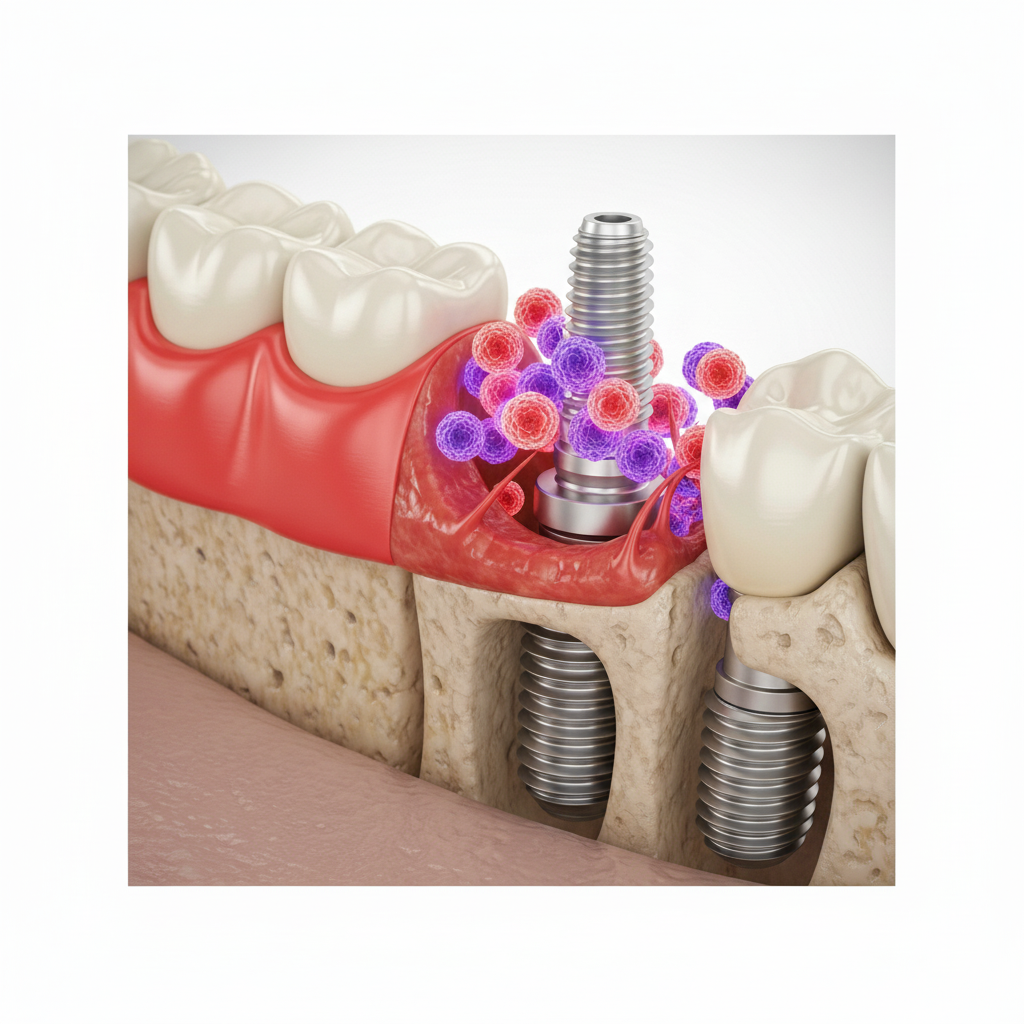
A dental implant requires the same, if not more, diligent care as a natural tooth. Failure to maintain excellent oral hygiene can lead directly to peri-implantitis. This involves daily brushing, flossing (or using a water flosser and interdental brushes), and attending regular professional cleanings. Neglecting this routine allows harmful bacteria to build a biofilm around the implant, which can trigger the destructive inflammatory process that leads to bone loss and implant failure.
Early vs. Late Dental Implant Failure: A Comparative Overview
To clarify the differences between the two main timelines for failure, the following table breaks down the key characteristics of each.
| Factor | Early Failure (First 3-4 Months) | Late Failure (After 1 Year) |
|---|---|---|
| Primary Cause | Failure of Osseointegration | Bone Loss due to Peri-implantitis or Mechanical Stress |
| Key Contributing Factors | Poor bone quality, surgical error, infection, smoking, uncontrolled systemic disease. | Poor oral hygiene, bruxism (teeth grinding), smoking, prosthetic component failure. |
| Common Symptoms | Implant mobility, persistent pain, swelling soon after surgery. | Deepening gum pockets, pus, bleeding, gradual onset of mobility or discomfort. |
| Primary Solution | Implant removal, bone grafting, and attempting placement again after healing. | Treatment of peri-implantitis; in severe cases, implant removal is necessary. |
Prevention and Management of Implant Failure
The vast majority of dental implant failures are preventable. Success begins with meticulous planning and continues with a lifetime commitment to oral health.
The Role of a Skilled Surgeon and Proper Planning
Choosing an experienced and qualified dental surgeon is the single most important decision a patient can make. A skilled clinician will conduct a comprehensive evaluation, including advanced imaging, to ensure you are a suitable candidate. They will assess your bone density, identify any potential anatomical challenges, and create a precise surgical plan. This careful planning minimizes the risk of surgical errors like nerve damage or improper implant positioning. For those seeking expert care, exploring the full range of comprehensive dental implant solutions is a crucial step in ensuring a successful outcome.
What to Do If You Suspect Your Implant is Failing
If you experience any signs of implant failure, such as pain, mobility, or swelling, contact your dentist without delay. Early intervention can sometimes save an implant. Depending on the cause, treatment might involve a deep cleaning around the implant, a course of antibiotics to clear an infection, or an adjustment to the crown to correct bite forces. If the failure is due to bone loss, the implant may need to be removed. After a period of healing, a bone graft can often be performed to restore the site, making it possible to place a new implant in the future.