How to Prevent Cavities Naturally

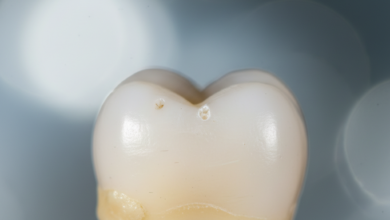
Before exploring preventative methods, it’s essential to understand what a cavity truly is. A cavity, or dental caries, is not a sudden event but a process of decay that occurs over time. It begins when the hard outer layer of your teeth, the enamel, is progressively demineralized. This process is driven by acids produced by specific types of bacteria in your mouth, most notably Streptococcus mutans. These bacteria thrive on sugars and fermentable carbohydrates from the food you eat. As they consume these sugars, they produce acid as a byproduct. When this acid repeatedly comes into contact with your tooth enamel, it starts to leach out essential minerals like calcium and phosphate.

How to Prevent Cavities Naturally is a goal that moves beyond simple brushing and flossing, embracing a holistic approach to oral health. It involves understanding the delicate ecosystem within your mouth and providing your body with the necessary tools to fight decay from the inside out. While conventional dentistry offers effective treatments for existing decay, a proactive strategy focused on natural prevention can significantly reduce your risk of developing cavities in the first place. This approach centers on diet, targeted hygiene practices, and the use of natural substances that support a healthy oral microbiome and encourage the natural remineralization of your teeth. By integrating these principles into your daily routine, you can empower your body’s innate ability to maintain strong, healthy teeth for a lifetime.
Understanding the Root Cause of Cavities
Your body has a natural defense mechanism against this: remineralization. Your saliva plays a crucial role, as it is rich in the same minerals that your enamel loses. It constantly works to neutralize acids and deposit minerals back onto the tooth surface. A cavity forms when the rate of demineralization outpaces the rate of remineralization. Therefore, preventing cavities naturally is a two-pronged approach: first, reducing the factors that cause demineralization (like sugar and acid-producing bacteria), and second, promoting the factors that support remineralization (like nutrient intake and healthy saliva flow).
Foundational Habits for Natural Cavity Prevention
The cornerstone of any effective oral health strategy lies in consistent, daily habits. These foundational practices create an environment in your mouth that is inhospitable to decay-causing bacteria and supportive of strong tooth enamel.
The Importance of a Nutrient-Dense Diet
Your teeth are living structures that require a steady supply of vitamins and minerals to stay strong and resilient. A diet lacking in key nutrients can leave your teeth vulnerable to decay, regardless of how well you brush. For robust dental health, focus on incorporating foods rich in fat-soluble vitamins and essential minerals.
- Calcium: The primary building block of your teeth and bones. Sources include dairy products, leafy greens like kale and spinach, and fortified plant-based milks.
- Vitamin D: Crucial for the absorption of calcium. Without enough Vitamin D, your body cannot effectively use the calcium you consume. Sunlight exposure is the best source, supplemented by fatty fish, egg yolks, and fortified foods.
- Vitamin K2: This often-overlooked vitamin acts like a traffic cop, directing calcium to your bones and teeth and away from soft tissues like arteries. It is found in grass-fed dairy products, butter, egg yolks, and fermented foods like natto.
- Phosphorus: Works in tandem with calcium to build strong enamel. It is abundant in protein-rich foods like meat, fish, eggs, and dairy.
Reducing Sugar and Phytic Acid Intake
While nutrient intake is about adding good things to your diet, prevention also involves removing harmful elements. Sugar is the primary fuel for the bacteria that cause cavities. Limiting sugary drinks, candies, and refined carbohydrates is one of the most impactful steps you can take. Furthermore, consider the role of phytic acid. Found in the hulls of nuts, seeds, and grains, phytic acid is an anti-nutrient that can bind to minerals like calcium, iron, and zinc in your gut, preventing their absorption. While a balanced diet is not threatened by normal amounts, a diet high in unprocessed whole grains could potentially limit mineral availability. Soaking, sprouting, or fermenting grains and legumes can significantly reduce their phytic acid content.
How to Prevent Cavities Naturally with Specific Methods
Beyond diet and basic hygiene, certain natural remedies and practices can provide additional protection against tooth decay by targeting bacteria and supporting the remineralization process.
Oil Pulling for Oral Detoxification
Oil pulling is an ancient Ayurvedic practice that involves swishing oil, typically coconut, sesame, or sunflower oil, in your mouth for an extended period. The theory is that the lipids in the oil help to “pull” or trap bacteria and other debris from the teeth and gums. Coconut oil is particularly popular due to its high concentration of lauric acid, which has demonstrated antimicrobial properties. To practice oil pulling, you simply swish about a tablespoon of coconut oil in your mouth for 15-20 minutes on an empty stomach, then spit it into the trash (not the sink, as it can solidify and clog pipes) and rinse your mouth with warm water before brushing.
Harnessing the Power of Xylitol
Xylitol is a natural sugar alcohol found in many fruits and vegetables. Unlike sugar, harmful oral bacteria cannot metabolize it for energy. As a result, its presence helps to reduce the levels of decay-causing bacteria in the mouth. A key benefit of xylitol is its ability to stimulate saliva production without the acidic byproduct of sugar. This increased saliva flow helps to raise the pH level of the mouth, creating a less acidic environment and promoting the deposition of minerals back into the enamel. As a scientifically supported tool, research from institutions like the National Center for Biotechnology Information has explored its role in dental health. Using chewing gum or mints sweetened with 100% xylitol after meals can be an effective strategy to combat decay.
Supporting Oral Health Through Lifestyle Choices
Your overall lifestyle has a direct impact on your oral health. Simple choices made throughout the day can either contribute to an environment where cavities can form or one where they are actively prevented.
Hydration and Saliva Production
Saliva is your body’s most powerful natural defense against cavities. It washes away food particles, neutralizes harmful acids, and contains calcium and phosphates that rebuild enamel. A dry mouth significantly increases your risk of tooth decay. Staying well-hydrated by drinking plenty of plain water throughout the day is one of the easiest and most effective ways to ensure adequate saliva production and maintain a clean, healthy oral environment.
| Natural Agent | Primary Benefit | How it Works | Best Use |
|---|---|---|---|
| Coconut Oil | Reduces harmful bacteria | Lauric acid has antimicrobial properties; mechanical action “pulls” bacteria. | Oil pulling for 15-20 minutes on an empty stomach. |
| Xylitol | Inhibits bacterial growth | Bacteria cannot metabolize it, effectively starving them. Stimulates saliva. | Chewing gum or mints after meals, 3-5 times per day. |
| Green Tea | Suppresses bacteria | Polyphenols (catechins) interfere with the ability of bacteria to stick to teeth. | Drinking 1-2 cups of unsweetened green tea daily. |
| Clove Oil | Antimicrobial & Analgesic | Eugenol, its main component, is a powerful natural antiseptic and pain reliever. | Used in trace amounts in natural toothpaste or highly diluted for topical relief. |
When Professional Dental Care is Essential
Embracing natural methods for cavity prevention is a powerful way to take control of your oral health. However, it is critical to recognize that these strategies are meant for prevention and support, not as a replacement for professional dental care. Natural remedies cannot reverse an existing cavity that has progressed deep into the tooth structure. Once decay has breached the enamel and entered the underlying dentin, professional intervention is necessary to remove the decayed tissue and restore the tooth’s function and integrity.

Regular dental check-ups are non-negotiable. A trained dentist can identify early signs of demineralization or decay that you cannot see or feel. Early detection allows for minimally invasive treatments. Furthermore, professional cleanings remove hardened plaque (tartar) that cannot be removed by brushing and flossing alone. This tartar harbors bacteria and contributes to both cavities and gum disease. A holistic approach to health includes leveraging the expertise of professionals when needed. Managing all aspects of your oral hygiene, including your gum health, is paramount. For instance, knowing how to stop bleeding gums when brushing is a key part of maintaining the foundation that supports your teeth. Healthy gums create a better seal around the teeth, protecting the sensitive roots from decay. A proactive partnership with your dental team, combined with your diligent at-home natural care routine, provides the most comprehensive defense against cavities and ensures long-term oral wellness.