Invisalign vs Braces: Which One Should You Choose?
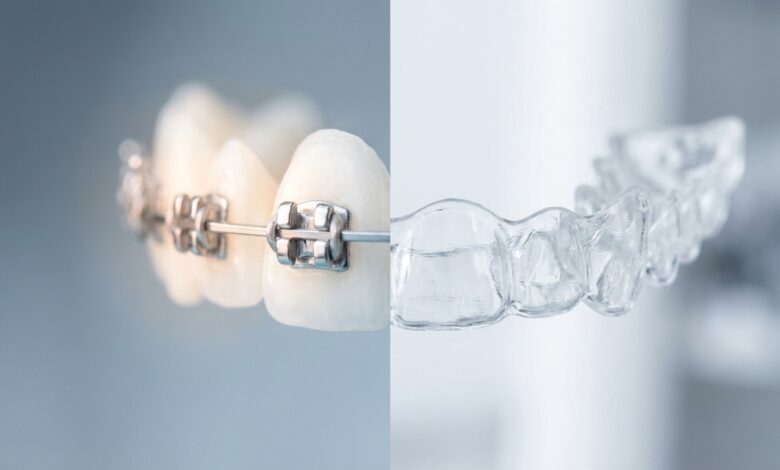
Invisalign vs Braces: Which One Should You Choose? This is a defining question for millions of individuals seeking a straighter, healthier, and more confident smile. The journey to perfect dental alignment has traditionally been paved with metal wires and brackets. However, the advent of clear aligner technology, spearheaded by Invisalign, has presented a revolutionary alternative. Both orthodontic treatments are highly effective at correcting a wide range of dental issues, from simple crowding to more complex bite problems. Yet, they achieve this goal through vastly different mechanisms, each with its own unique set of benefits, considerations, and lifestyle implications. Understanding the core differences in aesthetics, comfort, maintenance, and treatment process is crucial for making an informed decision that aligns not only with your clinical needs but also with your personal and professional life. This comprehensive guide will delve deep into the mechanics, advantages, and disadvantages of both traditional braces and Invisalign, providing the clarity you need to embark on your smile transformation journey with confidence.
Understanding Traditional Braces
Traditional braces are the most time-tested and widely recognized method for orthodontic correction. They are a fixed appliance system, meaning they are bonded to the teeth by a dental professional and are not removed until the treatment is complete. Their robust design and powerful mechanics make them exceptionally effective for a broad spectrum of orthodontic cases, including those with severe complexity.
How Do Metal Braces Work?
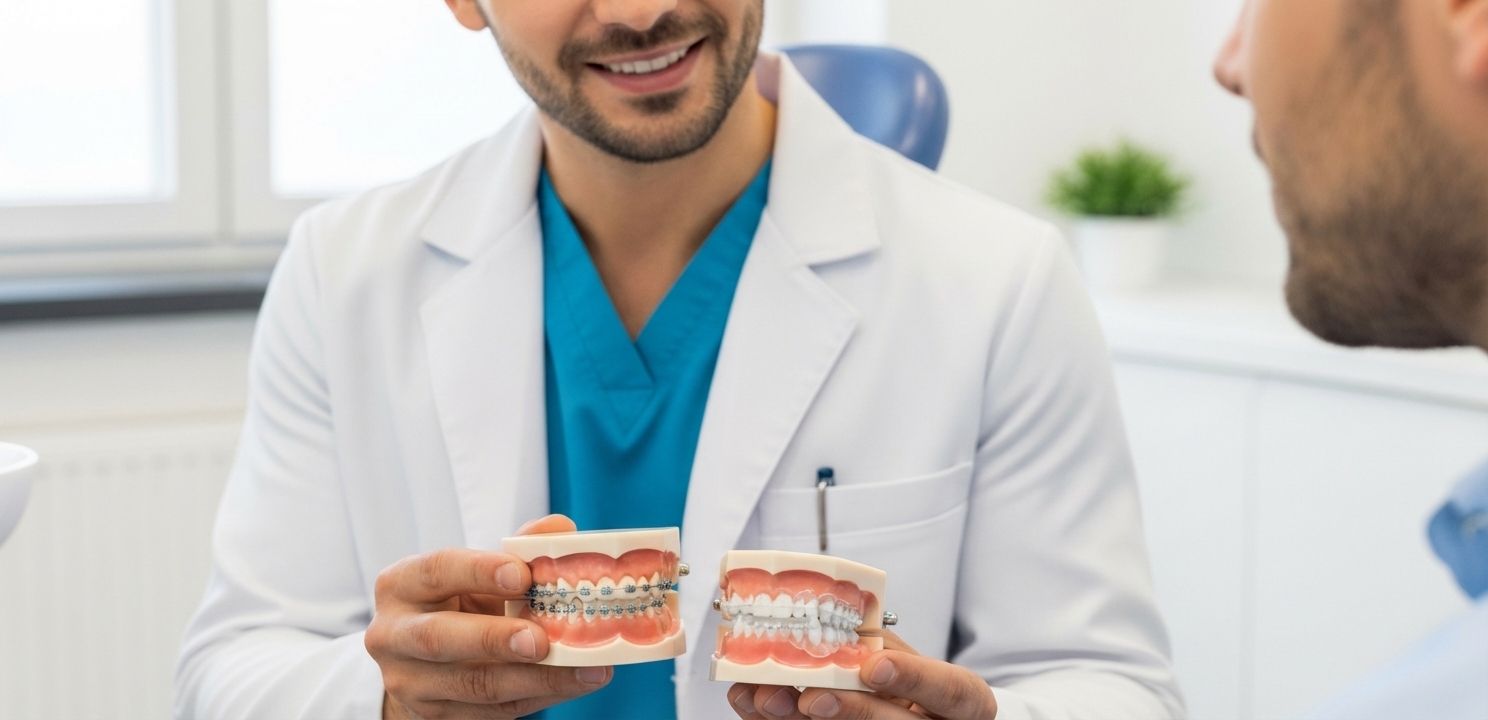
The system of traditional braces is a marvel of biomechanical engineering. It consists of several key components working in concert to apply continuous, gentle pressure to the teeth, gradually guiding them into their desired positions.
- Brackets: These are small squares made of high-grade stainless steel or ceramic that are bonded directly to the front surface of each tooth with a special dental adhesive. Each bracket serves as an anchor point and a handle for controlling tooth movement.
- Archwire: This is the thin metal wire that runs through the slots in each bracket, connecting them all. The archwire is the primary force-delivery component. As the wire tries to return to its original, ideal shape, it exerts pressure on the brackets, and consequently, the teeth. Orthodontists use a series of archwires with increasing thickness and stiffness throughout the treatment to achieve precise movements.
- Ligatures (O-rings): These are small, colourful or clear elastic bands that hold the archwire securely in the bracket slots. They are typically changed at every adjustment appointment, giving patients a chance to customize their look.
The orthodontist periodically tightens or adjusts the archwire, typically every 4-6 weeks. This adjustment applies new pressure, stimulating a biological process within the jawbone. On the side of the tooth where pressure is applied, bone tissue breaks down (a process called resorption), allowing the tooth to move. On the opposite side, new bone tissue is formed (deposition), securing the tooth in its new position. This controlled cycle of bone remodelling is what allows for the dramatic and permanent realignment of the entire dental arch.
The Strengths and Weaknesses of Braces
While highly effective, braces come with a distinct set of pros and cons. They are the gold standard for treating severe malocclusions, complex bite issues, and cases requiring significant tooth rotation or vertical movement. Because they are fixed to the teeth, they work 24/7, removing the element of patient compliance from the equation, which is a major advantage for younger patients or those who might forget to wear a removable appliance. However, their most notable drawback is their appearance. The metal brackets and wires are highly visible, which can be a concern for adults in professional settings. They can also cause initial discomfort, including soreness and irritation to the cheeks and lips. Oral hygiene requires extra effort, as food particles can easily get trapped, increasing the risk of plaque buildup. Furthermore, patients must adhere to dietary restrictions, avoiding hard, sticky, or chewy foods that could damage the appliance.
The Modern Alternative: Invisalign
Invisalign revolutionised orthodontics by offering a nearly invisible way to straighten teeth. Instead of brackets and wires, this system uses a series of custom-made, clear plastic aligners that fit snugly over the teeth. Each aligner is slightly different from the last, applying targeted pressure to specific teeth and incrementally moving them into the correct alignment.
The Invisalign Process from Start to Finish
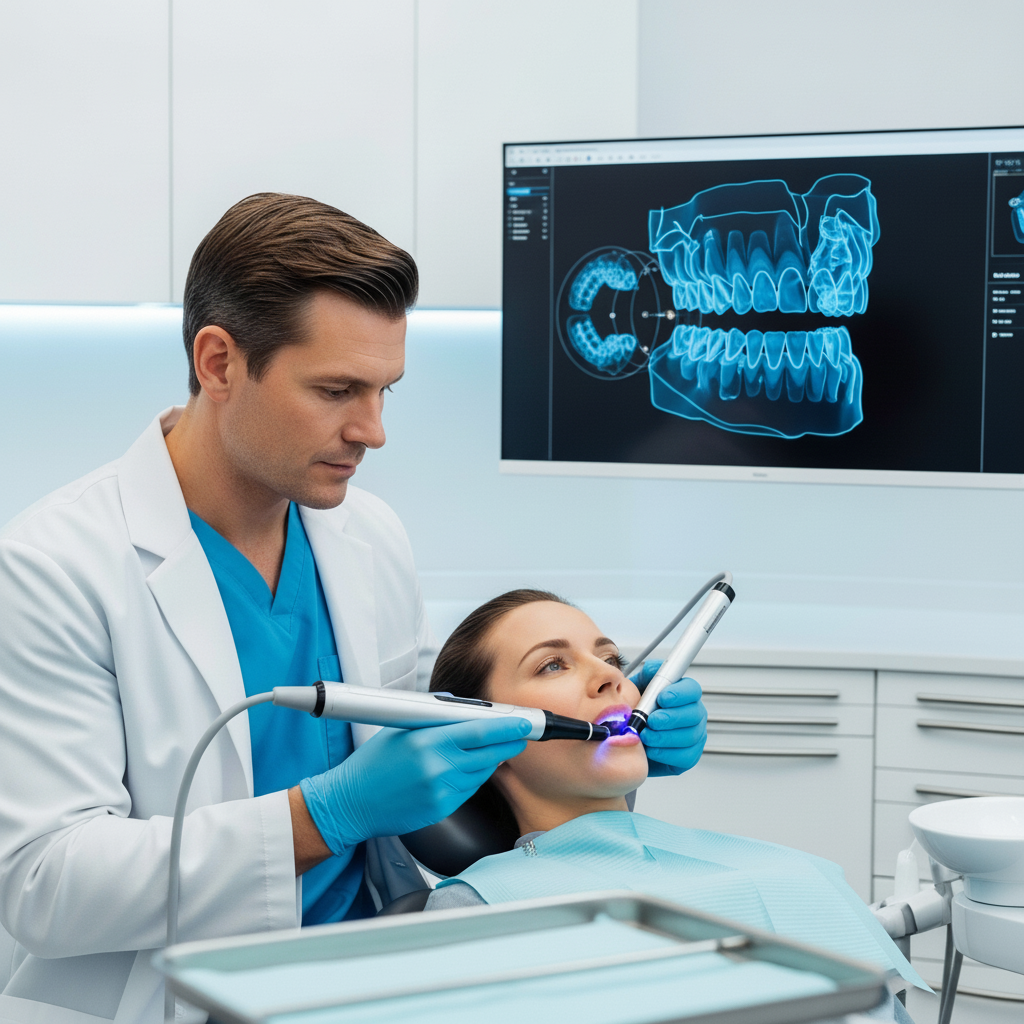
The Invisalign journey is heavily reliant on advanced digital technology. It begins with a detailed 3D digital scan of your mouth using an intraoral scanner. This eliminates the need for messy traditional impressions. The 3D model is then used to create a precise, digital treatment plan, known as the ClinCheck plan. This software allows you to see a virtual representation of how your teeth will move at each stage and even preview your final results before the treatment begins. Once you and your dentist approve the plan, a series of custom aligners are fabricated from a patented, flexible thermoplastic material called SmartTrack. You will wear each set of aligners for 1-2 weeks, for at least 20-22 hours per day, only removing them to eat, drink, brush, and floss. Each new set of aligners you switch to will continue the gentle, gradual shifting of your teeth until the final, desired alignment is achieved.
Key Advantages and Considerations
The most significant advantage of Invisalign is its discreet appearance. The clear aligners are virtually invisible, allowing patients to undergo orthodontic treatment without feeling self-conscious. They are also generally more comfortable than braces, as there are no metal components to irritate the soft tissues of the mouth. The ability to remove the aligners is a major lifestyle benefit. It means there are no dietary restrictions, and maintaining excellent oral hygiene is as simple as it was before treatment. You can brush and floss normally without navigating around brackets and wires. However, this removability is also its biggest challenge. The success of Invisalign is entirely dependent on patient compliance. Forgetting to wear the aligners for the prescribed 22 hours per day can significantly delay treatment progress. The aligners must also be removed for any beverage other than water to prevent staining and decay. While technology has advanced significantly, there are still some extremely complex orthodontic cases for which traditional braces may be a more effective tool.
Head-to-Head: Invisalign vs Braces
Choosing between these two excellent options requires a careful evaluation of how they stack up against each other across several key criteria. The best choice is highly individual and depends on your clinical needs, lifestyle, budget, and personal preferences.
| Feature | Traditional Braces | Invisalign |
|---|---|---|
| Aesthetics | Highly visible metal or ceramic brackets and wires. | Virtually invisible clear plastic aligners. |
| Comfort | Can cause initial soreness and irritation to cheeks and lips. Wires can poke soft tissues. | Smooth plastic is generally more comfortable. Mild pressure is felt when switching to a new tray. |
| Oral Hygiene | Challenging. Requires special tools like floss threaders to clean around brackets and wires. | Easy. Aligners are removed for normal brushing and flossing. |
| Dietary Restrictions | Yes. Patients must avoid hard, sticky, and chewy foods to prevent damage. | No. Aligners are removed for eating, so you can enjoy all foods. |
| Treatment Duration | Typically 18-36 months, depending on the complexity of the case. | Often 12-18 months, but can vary widely based on individual needs. |
| Effectiveness | Highly effective for all types of cases, including the most severe and complex malocclusions. | Very effective for mild to moderate cases. Constantly improving for more complex issues. |
| Patient Compliance | Not a factor. The appliance is fixed and works continuously. | Crucial. Treatment success depends on wearing aligners 20-22 hours per day. |
| Clinic Visits | Appointments are required every 4-6 weeks for manual adjustments. | Appointments are typically every 6-8 weeks for progress checks and to receive new aligners. |
Factors That Influence Your Decision
Beyond the direct comparison, several personal factors will weigh heavily on your decision. It’s essential to have an open discussion with your dental provider about these aspects to ensure the treatment plan is a perfect fit for you.
Complexity of Your Orthodontic Needs
This is the most critical clinical factor. Traditional braces have unparalleled force and control, making them the superior choice for severe crowding, large gaps, significant bite correction (like deep overbites or underbites), and cases requiring tooth extractions or major vertical movements. Invisalign is excellent for mild to moderate crowding and spacing issues. While its capabilities are always expanding, a thorough orthodontic evaluation is needed to determine if clear aligners can achieve the optimal clinical outcome for your specific condition. A scientific review of orthodontic treatments confirms that both systems are effective, but their ideal applications can differ.
Lifestyle and Personal Discipline
Your daily routine and personal habits play a huge role. If you are a busy professional who values discretion, or an adult who felt they missed their chance for braces as a teen, Invisalign is an incredibly appealing option. However, it demands responsibility. You must be diligent about wearing the aligners for the required time, cleaning them properly, and storing them safely when removed. If you tend to be forgetful or think you might be tempted to leave them out for extended periods, the non-stop action of fixed braces might be a more reliable path to success.
Making the Final Choice for Your Smile
Ultimately, both Invisalign and braces are fantastic tools for achieving a beautiful, healthy, and functional smile. There is no single “better” option—only the option that is better for you. The decision should be made after a comprehensive consultation with an experienced dental professional who can assess your teeth, discuss your goals, and explain the clinical realities of your case. They can provide a personalised recommendation based on your unique dental anatomy and lifestyle needs. This professional guidance is invaluable in navigating the choice between these two powerful orthodontic solutions. Whether through the steadfast power of traditional braces or the modern flexibility of Invisalign, your investment will pay dividends in a lifetime of improved oral health and confidence. Both treatments fall under the umbrella of cosmetic dentistry, a field dedicated to enhancing the aesthetics and function of your smile.