Root Canal Cost UK – NHS vs Private Prices
Root Canal Cost UK – NHS vs Private Prices
Understanding the financial implications of dental treatments is paramount for anyone facing the prospect of a root canal in the UK. This essential procedure, also known as endodontic treatment, is designed to save a tooth that has become infected or severely decayed, preventing extraction and preserving natural tooth structure. However, the cost can vary significantly depending on whether you opt for NHS treatment or choose a private dental practice. This comprehensive guide will explore the various factors that influence root canal cost, provide a detailed comparison between NHS and private options, and help you make an informed decision about your dental health.
Understanding Root Canal Treatment
A root canal is a treatment to repair and save a tooth that is badly decayed or infected. The procedure involves removing the damaged or infected pulp (the soft tissue inside the tooth), cleaning and disinfecting the inside of the tooth, and then filling and sealing it. Without treatment, the tissue surrounding the tooth will become infected and an abscess may form.
Why is a Root Canal Needed?
The most common reasons for needing a root canal include:
- Deep decay that reaches the pulp.
- Repeated dental procedures on the same tooth.
- A crack or chip in the tooth.
- Trauma to the tooth, even if there is no visible chip or crack.
Symptoms that might indicate a need for a root canal include severe toothache, prolonged sensitivity to hot or cold, tenderness to touch and chewing, discolouration of the tooth, and swelling or tenderness in the gums near the infected tooth.
The Root Canal Procedure: A Step-by-Step Overview
The root canal procedure typically involves several steps, often completed in one or two appointments:
- Diagnosis and X-ray: The dentist will examine the tooth and take X-rays to assess the extent of the infection and the anatomy of the root canals.
- Anaesthesia: Local anaesthetic is administered to numb the tooth and surrounding area, ensuring a pain-free experience.
- Isolation: A rubber dam is placed around the tooth to keep it dry and free from saliva during the procedure.
- Access Hole: An opening is made through the crown of the tooth to access the pulp chamber and root canals.
- Cleaning and Shaping: Tiny files are used to remove the infected pulp and clean the root canals. The canals are then shaped to be ready for filling. Irrigation solutions are used to disinfect the area thoroughly.
- Filling: Once cleaned and shaped, the root canals are filled with a biocompatible material, usually gutta-percha, and sealed to prevent re-infection.
- Restoration: A temporary filling is placed to seal the access hole. A permanent restoration, often a dental crown, is required shortly after the root canal to protect the tooth from fracture and restore its full function. The type of restoration will impact the overall cost.
Root Canal Cost UK: A Detailed Comparison
The price of a root canal in the UK can differ significantly based on whether you receive treatment through the National Health Service (NHS) or a private dental practice. Understanding these differences is crucial for budgeting and managing expectations.
NHS Root Canal Costs
NHS dental treatment operates on a band system, meaning you pay a set charge for a course of treatment, regardless of how many items of treatment are included in that band. Root canal treatment falls under Band 2, alongside other procedures like fillings and extractions.
* Band 1: £26.80 (Examination, diagnosis, X-rays, scale and polish, preventative care).
* Band 2: £73.50 (Includes all Band 1 treatments, plus fillings, root canal treatment, and extractions).
* Band 3: £319.10 (Includes all Band 1 and 2 treatments, plus crowns, dentures, and bridges).
The NHS charge for a root canal is currently £73.50. This fee covers the procedure itself and any necessary temporary fillings. However, it’s important to note that if a dental crown is required after the root canal (which is highly recommended for molars and premolars), this would typically fall under Band 3, incurring an additional charge. While the upfront cost for an NHS root canal is significantly lower, there can be downsides such as longer waiting lists, less choice of materials, and less time allocated per appointment.
Private Root Canal Costs
Private root canal treatment offers greater flexibility and often access to advanced techniques and materials. The cost, however, is considerably higher than NHS prices. Private fees are not standardised and vary widely between practices and geographic locations. A private root canal can range from approximately £300 to over £1,500, with an average often falling between £500 and £1,000. This price typically covers the root canal procedure itself but often excludes the final crown or onlay, which can add another £400-£1,500.
The table below provides a general comparison between NHS and private root canal treatment in the UK.
| Feature | NHS Root Canal Treatment | Private Root Canal Treatment |
|---|---|---|
| Cost (Procedure Only) | £73.50 (Band 2) | £300 – £1,500+ (Highly variable) |
| Waiting Times | Can be long, especially for specialists | Generally shorter, often immediate availability |
| Choice of Dentist | Limited to available NHS dentists | Freedom to choose a specific dentist or specialist |
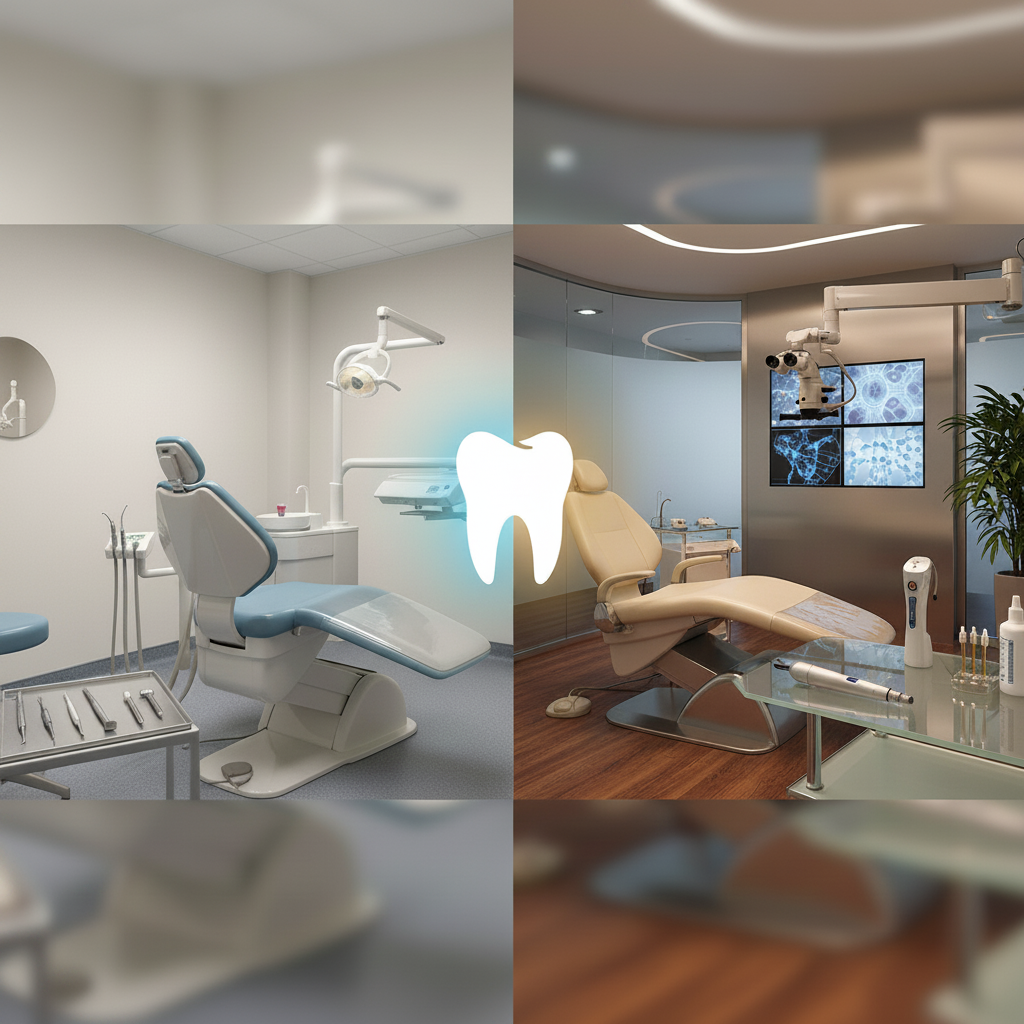
| Materials & Technology | Standard materials and equipment | Access to advanced technology (e.g., microscopes, digital imaging) and a wider range of filling materials |
| Time Allocation | Often shorter appointments due to funding structure | More generous appointment times, allowing for meticulous work |
| Aesthetics & Finish | Functional restoration is primary focus | Greater emphasis on aesthetic outcome and long-term durability |
| Post-Procedure Crown/Onlay | Additional Band 3 charge (£319.10) | Additional private charge (£400 – £1,500+) |
Factors Influencing Root Canal Cost UK
Several variables contribute to the final cost of a root canal, whether private or NHS. Understanding these can help you anticipate expenses.
Tooth Location and Complexity
The cost of a root canal often depends on which tooth needs treatment.
- Incisors and Canines (Front Teeth): These teeth usually have one root and one canal, making the procedure less complex and therefore generally less expensive.
- Premolars (Mid-Mouth Teeth): These typically have one or two roots and canals, requiring a moderate level of complexity.
- Molars (Back Teeth): Molars can have three or more roots and multiple, often curved or narrow, canals. This makes them the most challenging and time-consuming to treat, leading to higher costs.
Additionally, if the tooth has calcified canals, an unusual anatomy, or if it’s a re-treatment of a previously failed root canal, the complexity and cost will increase.
Specialist vs. General Dentist
While many general dentists perform root canal treatments, complex cases are often referred to an endodontist – a dental specialist who has undertaken additional years of training specifically in diagnosing and treating problems related to the dental pulp and roots. Endodontists use specialised equipment, such as operating microscopes, to achieve precise results. Treatment by an endodontist will almost always be more expensive than by a general dentist, but for complicated cases, their expertise can be invaluable for the long-term success of the tooth.
Ancillary Procedures and Materials
The overall cost isn’t just about the root canal itself.
- X-rays and Scans: Initial diagnostic X-rays are standard. For complex cases, a 3D Cone Beam Computed Tomography (CBCT) scan might be used, incurring an additional charge.
- Anaesthesia: Local anaesthesia is included. However, some private practices might offer sedation options (e.g., intravenous sedation) for anxious patients, which would be an extra cost.
- Post-Treatment Restoration: As mentioned, a permanent filling or crown is usually needed to protect the treated tooth. The material chosen for the crown (e.g., porcelain-fused-to-metal, all-ceramic, zirconia) will affect the price. You can find more details about such costs in guides like the Dental Crown Cost UK: Complete Guide.
Geographic Location within the UK
Dental costs, especially in the private sector, can vary significantly depending on where you are in the UK. Practices in major cities like London or affluent areas generally have higher overheads, which are reflected in their prices. Rural or less urban areas might offer more competitive rates.
The Value of Private Root Canal Treatment
While the higher cost of private treatment might seem daunting, it often comes with several significant advantages that contribute to better long-term outcomes and patient experience.
- Advanced Technology: Private practices often invest in state-of-the-art equipment such as dental operating microscopes, digital X-rays, and rotary endodontic systems. These tools allow for greater precision, better visibility, and more efficient treatment, reducing the risk of complications.
- Specialist Expertise: Access to highly skilled endodontists who focus solely on root canal treatment can be a game-changer for complex cases, increasing the success rate.
- Choice of Materials: Private clinics offer a wider selection of filling and restorative materials, some of which may offer superior durability or aesthetic benefits.
- Reduced Waiting Times: For patients experiencing severe pain, timely treatment is crucial. Private clinics typically offer much shorter waiting times compared to the NHS.
- Comfort and Care: Private practices often provide a more personalised experience, with longer appointments, more patient-focused amenities, and dedicated aftercare support.
Navigating Your Options and Making an Informed Decision
Choosing between NHS and private treatment for a root canal requires careful consideration of your budget, the urgency of the treatment, the complexity of your case, and your priorities regarding the quality of materials and the patient experience.
Getting a Quote
Always obtain a detailed breakdown of costs from your dentist before proceeding with any treatment. For private practices, ask if the quoted price includes the final restoration (filling or crown), or if that is a separate charge. Don’t hesitate to get a second opinion, especially for complex cases.
Dental Insurance and Payment Plans
Some private dental insurance plans may cover a portion of root canal costs. It’s worth checking your policy details. Many private practices also offer interest-free payment plans or finance options to help spread the cost of treatment, making it more manageable.
Considering Overseas Treatment
For some patients, especially those requiring extensive dental work or seeking a significant cost saving, considering dental treatment abroad can be an option. Countries like Turkey have become popular destinations for dental tourism, offering high-quality care at a fraction of UK prices. While this article focuses on UK costs, it’s worth noting that international options exist for those willing to travel.
Aftercare and Long-Term Success
Once your root canal is complete, proper aftercare is crucial for the longevity of the treated tooth.
- Permanent Restoration: As mentioned, a permanent crown is often recommended, especially for molars and premolars, to protect the tooth from fracture. This is a vital step to ensure the success of the root canal.
- Oral Hygiene: Maintain excellent oral hygiene with regular brushing, flossing, and antiseptic mouthwash.
- Regular Check-ups: Continue with routine dental check-ups and cleanings to monitor the health of your treated tooth and overall oral health.
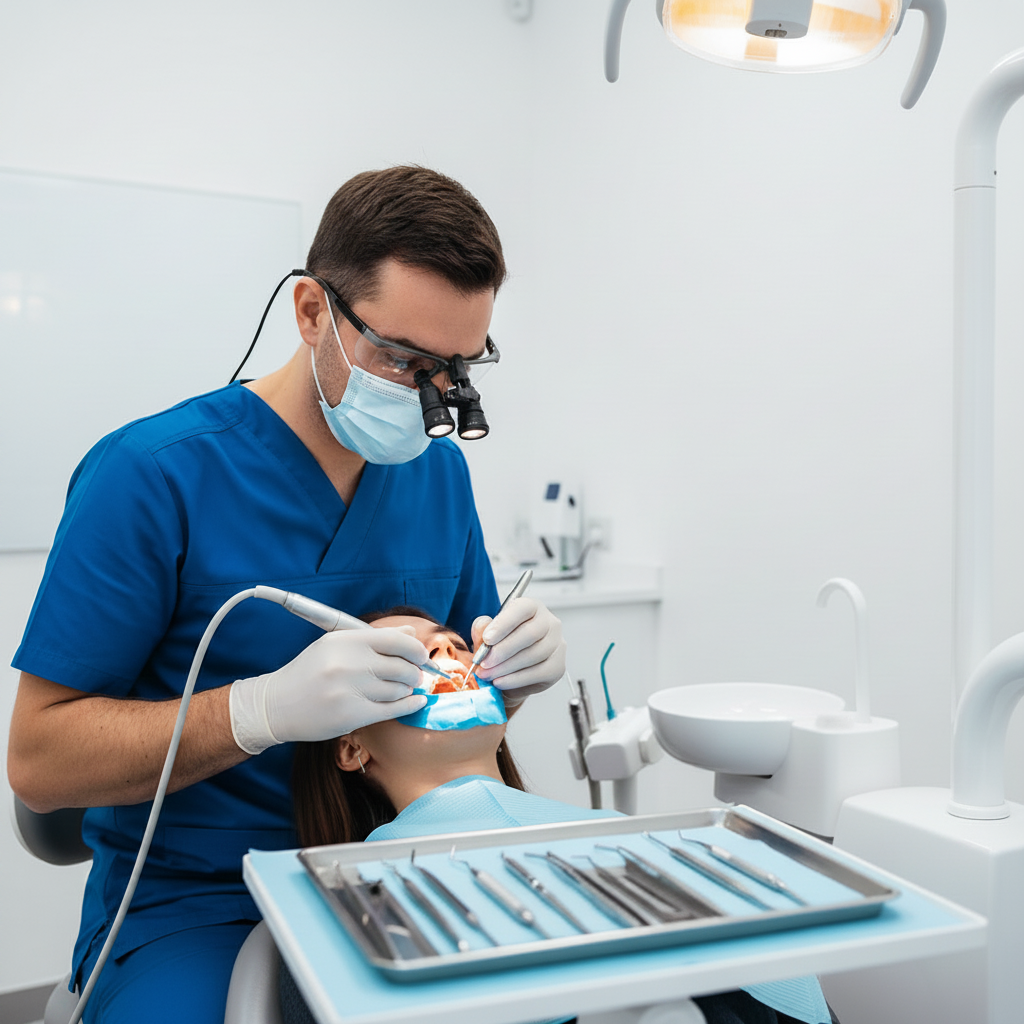
With appropriate care, a tooth treated with a root canal can last a lifetime, preventing the need for extraction and maintaining your natural bite and smile. The success rate of root canal treatment is very high, often exceeding 95% when performed correctly. For further scientific information on the efficacy and procedure of root canal treatment, you can refer to authoritative sources such as Wikipedia’s entry on Root Canal Treatment.
Ultimately, investing in a root canal is an investment in your long-term oral health. By saving a natural tooth, you avoid the complications and costs associated with tooth loss, such as shifting teeth, difficulty chewing, and the need for more complex and expensive solutions like dental implants in the future. Weighing the upfront costs against the long-term benefits and understanding the differences between NHS and private care will enable you to make the best decision for your health and well-being.