NHS vs Private Dentist UK – What’s the Difference?
Navigating the landscape of dental care in the UK can often feel complex, especially when faced with the choice between NHS and private dentistry. For many, the primary concern revolves around cost, accessibility, and the range of treatments available. Understanding the fundamental differences between these two systems is crucial for making an informed decision that best suits your oral health needs and financial situation. Both avenues aim to provide quality dental care, but they operate under distinct funding models, treatment philosophies, and patient experiences.
NHS vs Private Dentist UK – What’s the Difference?
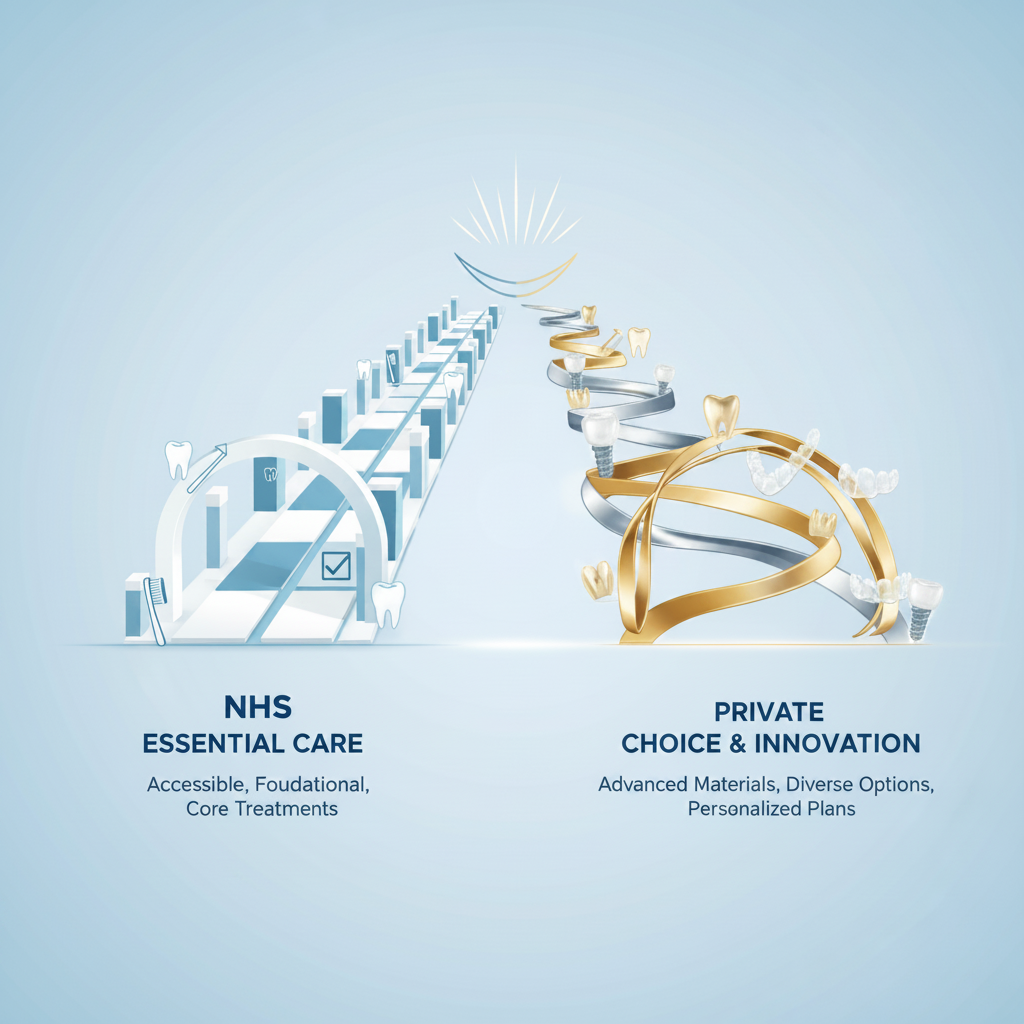
The National Health Service (NHS) dental care is a government-funded system designed to provide essential dental treatment to keep your mouth, teeth, and gums healthy. It operates on a fixed price band system, meaning patients pay a set charge for a course of treatment, regardless of how many individual procedures are included within that band. This makes NHS dentistry highly accessible and predictable in terms of cost. However, the scope of treatments covered by the NHS is often limited to what is deemed clinically necessary to achieve and maintain oral health. Cosmetic treatments, advanced restorative procedures, or the use of certain premium materials are typically not available on the NHS.
Private dentistry, on the other hand, is a patient-funded system where individuals pay directly for their treatment or through private dental insurance. This model offers a much broader spectrum of services, including a full range of cosmetic procedures, advanced restorative options, and access to state-of-the-art technology and materials. Private practices often boast shorter waiting times, more flexible appointment schedules, and the ability to choose your preferred dentist. The costs associated with private dentistry can be significantly higher and vary greatly between practices, as there is no fixed price structure.
Understanding NHS Dentistry: Accessibility and Essentials
NHS dentistry is rooted in the principle of universal access to essential care. The government sets a fixed charge for treatment, categorized into three bands, making it affordable for the majority of the population.
* **Band 1:** Covers examinations, diagnosis (including X-rays), advice on preventing future problems, and routine treatments like scaling and polishing.
* **Band 2:** Covers all treatments in Band 1, plus additional treatments such as fillings, root canal treatment, and extractions.
* **Band 3:** Covers all treatments in Bands 1 and 2, plus more complex procedures like crowns, dentures, and bridges.
The primary benefit of NHS dentistry is its affordability and the assurance that essential dental issues will be addressed. Patients are typically only charged once per course of treatment, even if multiple appointments are required within that band. This system is invaluable for those on a tight budget or those who primarily need routine check-ups and basic restorative work.
However, the focus on clinical necessity means that many cosmetic treatments, such as teeth whitening, veneers for purely aesthetic reasons, or orthodontic work not deemed functionally necessary, are not available. Furthermore, NHS dentists might be limited in their choice of materials (e.g., amalgam fillings for back teeth, even if tooth-coloured alternatives exist privately). Waiting lists for appointments, especially for new patients or specialized treatments, can also be a significant drawback.
The Advantages of Private Dentistry: Choice and Advanced Care
Private dentistry offers a stark contrast by prioritizing patient choice, personalized care, and a comprehensive range of treatments. Without the funding constraints of the NHS, private practices can invest in advanced technology, offer a wider selection of materials, and dedicate more time to each patient.
Patients seeking private dental care can expect:
* **Wider Range of Treatments:** From preventative care to highly specialized procedures like dental implants, cosmetic bonding, smile makeovers, and advanced orthodontics.
* **Shorter Waiting Times:** Appointments are generally more readily available, often with greater flexibility to fit around your schedule.
* **Choice of Dentist:** You can often select a dentist based on their specialization, patient reviews, or personal recommendation, fostering a stronger patient-dentist relationship.
* **Advanced Materials and Technology:** Access to the latest dental innovations, premium materials (e.g., high-quality porcelain crowns, tooth-coloured fillings for all teeth), and specialized diagnostic tools.
* **Personalized Care:** Longer appointment times allow for more in-depth discussions, thorough examinations, and tailored treatment plans.
* **Aesthetic Focus:** Private dentists are often well-versed in cosmetic dentistry, helping patients achieve their desired smile aesthetics alongside oral health.
The primary disadvantage, of course, is the cost. Private treatments are generally more expensive, and prices can vary significantly between different clinics and even within the same clinic based on the dentist’s experience or the complexity of the case. While some people opt for private dental insurance to help manage these costs, it’s an additional expense.
NHS vs Private Dentist UK: A Comprehensive Comparison
To better illustrate the distinctions, let’s examine a direct comparison of key aspects between NHS and private dental care in the UK. This table highlights where each system excels and where its limitations lie.
| Feature | NHS Dentistry | Private Dentistry |
|---|---|---|
| **Funding Model** | Government-funded, fixed patient charges (bands) | Patient-funded, direct payment or private insurance |
| **Cost** | Affordable, fixed price bands | Generally higher, variable pricing between practices |
| **Treatment Scope** | Primarily essential care (clinically necessary) | Comprehensive, including cosmetic, advanced restorative, and specialized procedures |
| **Waiting Times** | Can be longer, especially for new patients or specialized treatments | Typically shorter, more immediate access to appointments |
| **Choice of Dentist** | Limited choice, often assigned | Full choice, can select preferred dentist |
| **Materials/Technology** | Standard materials, basic technology | Premium materials, latest advanced technology |
| **Appointment Flexibility** | Less flexible, often during standard working hours | More flexible, extended hours, emergency appointments often available |
| **Aesthetic Focus** | Minimal, only if clinically necessary | Strong focus, wide range of cosmetic options |
Specific Treatments: Where the Divide Matters Most
The impact of choosing between NHS and private care becomes most apparent when considering specific dental procedures.
* **Routine Check-ups & Fillings:** Both systems offer these. On the NHS, you’ll pay a Band 1 or Band 2 charge. Private practices will charge individually. NHS fillings might be amalgam for back teeth, while private typically offers tooth-coloured composite fillings throughout.
* **Root Canal Treatment:** Available on the NHS (Band 2). Private root canal treatments often involve specialist endodontists, use advanced microscopic techniques, and may offer a higher success rate for complex cases due to specialized tools and expertise. For a detailed comparison of costs, you can explore resources like Root Canal Cost UK: NHS vs Private Prices.
* **Dental Crowns, Bridges & Dentures:** These are available on the NHS (Band 3), but the choice of materials or specific aesthetic customization might be limited. Private options provide a wider array of materials (e.g., zirconia, E-max for highly aesthetic crowns), greater customization, and advanced fitting techniques.
* **Cosmetic Dentistry (Veneers, Teeth Whitening, Orthodontics):** Procedures like professional teeth whitening, veneers purely for aesthetics, and orthodontics (unless severe functional necessity for children) are almost exclusively offered privately. NHS orthodontics primarily addresses severe misalignment affecting function.
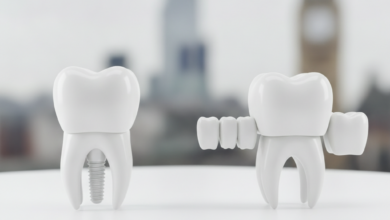
* **Dental Implants:** Dental implants are generally not available on the NHS, except in very rare cases of severe facial trauma or specific medical conditions. For the vast majority of patients seeking tooth replacement, dental implants are a private treatment.
Making the Right Choice for You
Deciding between NHS and private dentistry ultimately comes down to your individual priorities, budget, and specific dental needs.
* **If budget is your primary concern** and your dental needs are largely routine or essential, NHS dentistry offers an excellent, affordable solution. It ensures access to the foundational care necessary to maintain good oral health.
* **If you prioritize choice, speed, a wide range of aesthetic options, and access to the latest technology and materials**, and you have the financial means, private dentistry will likely provide a more comprehensive and personalized experience. It allows for proactive management of your oral health and smile aesthetics.
Many individuals also opt for a **hybrid approach**, utilizing NHS services for basic, essential care like check-ups and emergency extractions, while seeking private treatment for specific cosmetic enhancements or complex procedures like implants. This strategy allows patients to balance cost-effectiveness with access to specialized or aesthetic treatments when desired.
It’s also worth noting that the quality of care provided by individual dentists can vary within both systems. A good dentist, whether NHS or private, will prioritize your oral health and provide appropriate treatment. Always research practices, read reviews, and consider consultations to find a dental professional you trust.
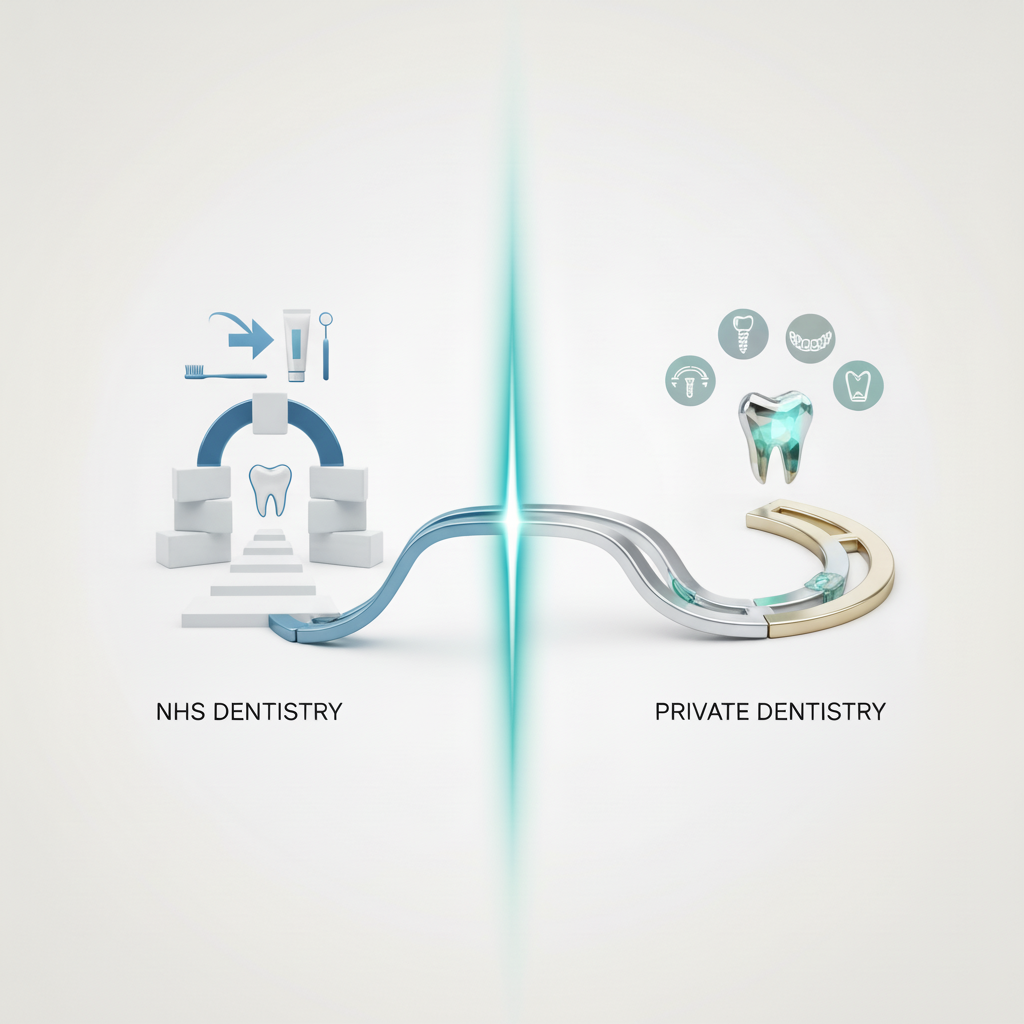
The UK dental system offers diverse options to cater to varying needs. Understanding the unique characteristics of NHS and private dentistry empowers patients to make choices that align with their health goals, financial capacity, and preferences for dental care. For further general information on healthcare systems, authoritative resources like Wikipedia’s entry on the National Health Service can provide valuable context on the broader healthcare landscape in the UK.