What Happens If You Don’t Brush Your Teeth?
What Happens If You Don’t Brush Your Teeth?
Neglecting daily oral hygiene, specifically brushing your teeth, sets off a cascade of detrimental effects that can range from minor annoyances to severe, life-threatening conditions. Many people underestimate the sheer impact of this simple habit, believing occasional lapses won’t make a difference. However, the mouth is a complex ecosystem, constantly battling bacteria, and brushing is your primary defense. When you don’t brush, you’re essentially giving these harmful microorganisms free rein to wreak havoc.
The immediate consequence of not brushing is the rapid accumulation of plaque. Plaque is a sticky film of bacteria that constantly forms on your teeth. It’s initially soft and colorless but becomes visible as it thickens. Within hours of not brushing, this bacterial film begins to harden due to mineral deposits from saliva, turning into tartar or calculus. Tartar cannot be removed by brushing alone and requires professional cleaning by a dentist. The presence of plaque and tartar creates a rough surface that attracts even more bacteria, exacerbating the problem. This initial stage, often within 24-48 hours, is where the foundational problems begin, leading to a host of escalating oral health issues.
The Onset of Oral Health Issues
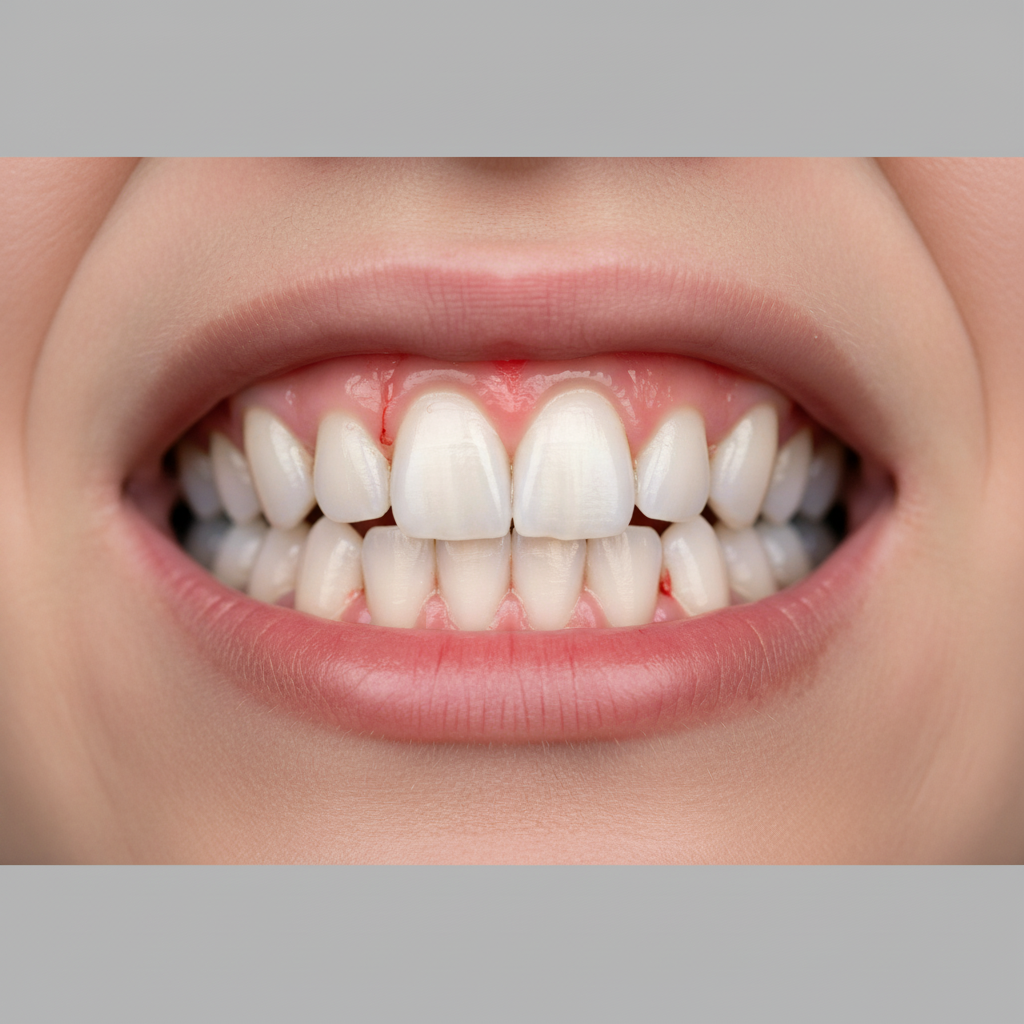
One of the first noticeable signs of neglecting oral hygiene is halitosis, commonly known as bad breath. The bacteria in plaque feed on food particles left behind in your mouth, producing volatile sulfur compounds that emit an unpleasant odor. This isn’t just a social problem; it’s a clear indicator of bacterial overgrowth and poor oral health. As bacteria proliferate, they irritate the gum tissues, leading to a condition called gingivitis. Gingivitis is the earliest stage of gum disease, characterized by red, swollen, and tender gums that bleed easily, especially during brushing or flossing. While gingivitis is reversible with diligent brushing, flossing, and professional cleanings, leaving it untreated allows the infection to deepen, paving the way for more severe complications.
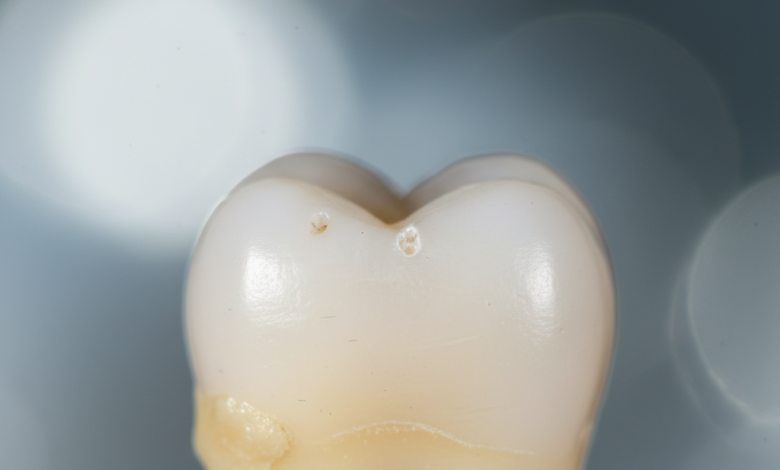
The continued presence of plaque, laden with harmful bacteria, also begins to attack the tooth enamel itself. These bacteria metabolize sugars from your diet, producing acids that demineralize the enamel, creating tiny holes. Over time, these holes expand into dental caries, more commonly known as cavities. Cavities start small but can grow larger, penetrating through the enamel into the softer dentin layer of the tooth. Once in the dentin, the decay progresses much faster, often leading to pain, sensitivity to hot and cold, and eventually, if left untreated, infection of the tooth’s innermost pulp. This stage often requires fillings, crowns, or even root canal treatment to save the tooth.
What Happens If You Don’t Brush Your Teeth: The Long-Term Consequences
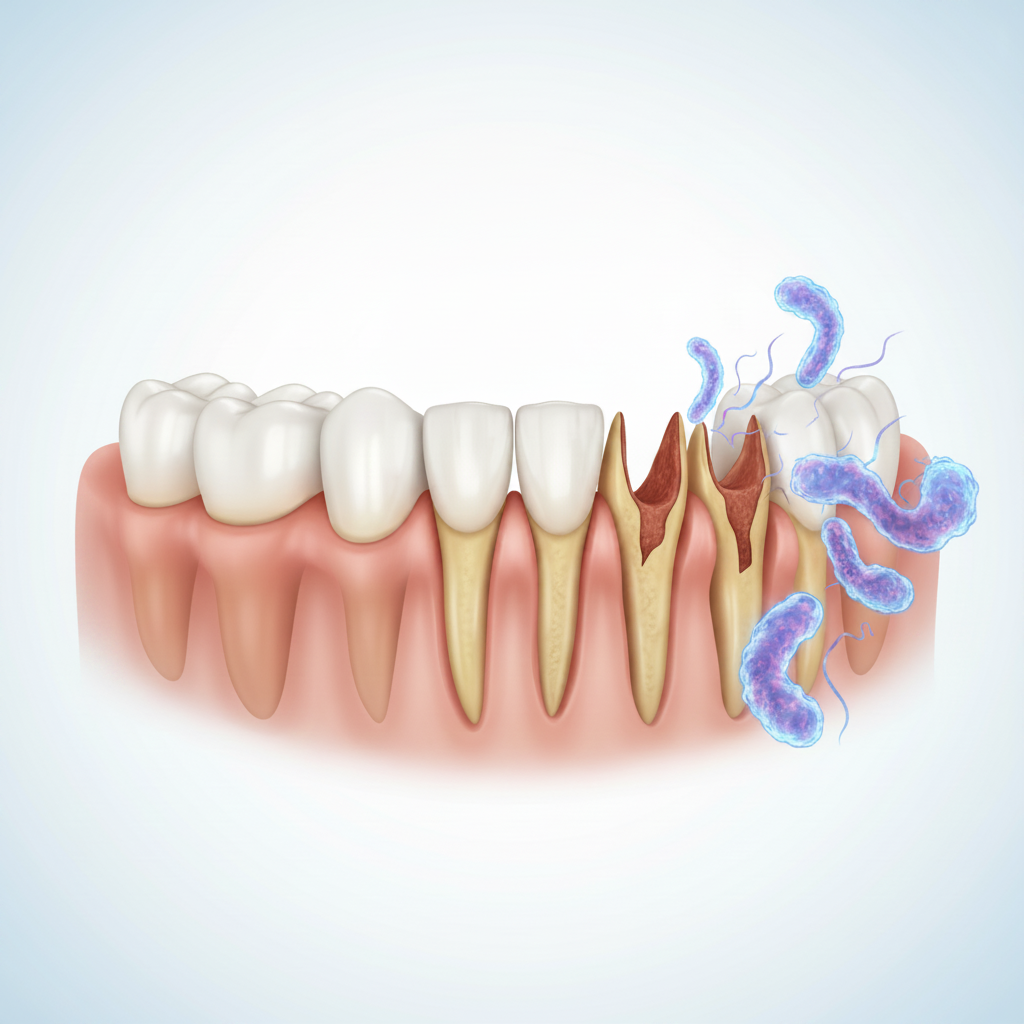
The progression from gingivitis to periodontitis is one of the most serious long-term consequences of neglecting oral hygiene. If gingivitis is left untreated, the inflammation and infection spread from the gums to the ligaments and bone supporting the teeth. This advanced form of gum disease is called periodontitis. In periodontitis, the gums pull away from the teeth, forming pockets that become infected. As the body tries to fight the infection, it starts to break down the bone and connective tissue that hold the teeth in place. This leads to bone loss, receding gums, loose teeth, and eventually, tooth loss. Periodontitis is a chronic condition that, unlike gingivitis, is often irreversible and requires ongoing management to prevent further damage. Treatment may involve deep cleaning (scaling and root planing), antibiotics, and sometimes surgical interventions to restore gum and bone health.
Beyond individual tooth decay and gum disease, the mouth’s neglected state can also impact overall health. The oral cavity is connected to the rest of the body, and the bacteria that thrive in an unbrushed mouth can migrate. Chronic inflammation and infection in the mouth can increase the risk of systemic health problems. For instance, studies have linked severe gum disease to an increased risk of cardiovascular diseases, including heart attacks and strokes. The bacteria from the mouth can enter the bloodstream, travel to other parts of the body, and contribute to inflammation in arteries. Similarly, periodontitis has been associated with poorly controlled diabetes, respiratory infections, and even adverse pregnancy outcomes. This demonstrates that oral hygiene is not merely about having a bright smile; it’s a critical component of holistic health.
For more detailed information on treating gum disease, you can read our comprehensive guide on What Is Gum Disease And How Is It Treated?
| Timeline/Severity | Oral Health Issue | Symptoms | Potential Treatments |
|---|---|---|---|
| Days-Weeks | Plaque Buildup | Fuzzy teeth, mild bad breath | Brushing, flossing |
| Weeks-Months | Gingivitis | Red, swollen gums, bleeding during brushing | Professional cleaning, improved oral hygiene |
| Months-Years | Cavities (Dental Caries) | Tooth sensitivity, visible holes, localized pain | Fillings, crowns, root canal treatment |
| Years | Periodontitis | Severe gum inflammation, bone loss, loose teeth, bad breath | Deep cleaning, surgery, antibiotics, ongoing management |
| Long-Term | Tooth Loss | Gaps, difficulty eating/speaking, altered facial structure | Dental implants, bridges, dentures |
Understanding the Mechanism of Damage
The bacterial film of plaque operates through a constant assault. When we consume food and drinks, especially those high in sugars and starches, these substances become fuel for the oral bacteria. The bacteria rapidly metabolize these carbohydrates, converting them into acids. These acids then sit directly on the tooth surface, dissolving the mineral structure of the enamel. This process is called demineralization. Saliva naturally helps to buffer these acids and remineralize the enamel, but if brushing is skipped, plaque forms a barrier, preventing saliva from reaching the tooth surface effectively. The acids become concentrated under the plaque, accelerating the demineralization process and leading to enamel erosion and cavity formation.
Simultaneously, the bacteria and their waste products provoke an immune response in the gum tissues. This response, intended to fight the infection, can paradoxically cause damage to the body’s own tissues if the bacterial load is too high and persistent. The chronic inflammation leads to the breakdown of collagen and bone, which are crucial for holding teeth in place. This inflammatory destruction is the hallmark of periodontitis, which can progress silently for years until significant damage, such as tooth mobility or pain, becomes evident. The progressive nature of these diseases highlights why consistent oral hygiene is so crucial; it’s a daily battle against persistent bacterial threats.
The Role of Proper Oral Hygiene
The good news is that most of these devastating consequences are entirely preventable with consistent and correct oral hygiene practices. Brushing your teeth at least twice a day with a fluoride toothpaste is the cornerstone of prevention. Fluoride strengthens tooth enamel and makes it more resistant to acid attacks. Proper brushing technique involves gently cleaning all surfaces of the teeth and along the gum line, ensuring to remove plaque before it hardens into tartar. Using a soft-bristled toothbrush and replacing it every three to four months, or sooner if the bristles are frayed, is also vital.
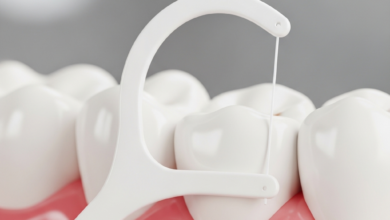
Beyond brushing, daily flossing is equally important. Flossing removes plaque and food particles from between the teeth and under the gum line, areas that a toothbrush cannot effectively reach. Neglecting to floss allows these interdental spaces to become breeding grounds for bacteria, leading to cavities between teeth and gum inflammation. Incorporating an antiseptic mouthwash can also provide an additional layer of protection by reducing bacteria, but it should never replace brushing and flossing. Regular dental check-ups and professional cleanings, typically every six months, are also indispensable. Dentists can remove tartar, identify early signs of decay or gum disease, and provide personalized advice on maintaining optimal oral health. They can also apply sealants or fluoride treatments for added protection, especially for children.
When to Seek Professional Help
Maintaining proper oral hygiene is not merely a cosmetic endeavor; it’s a fundamental aspect of overall health and well-being. The chain of events that unfolds when you don’t brush your teeth begins with simple plaque and escalates to serious conditions like cavities, advanced gum disease, and even systemic health complications. By understanding these risks and committing to a consistent daily routine of brushing, flossing, and regular dental visits, you can effectively safeguard your smile and protect your general health for years to come. Your mouth is the gateway to your body, and treating it with care is an investment in your entire health. Learn more about oral hygiene on Wikipedia.