Dental Crown Cost in the UK
The substance used to fabricate your crown is the most influential factor in its cost. Each material offers a unique balance of durability, aesthetics, and price.
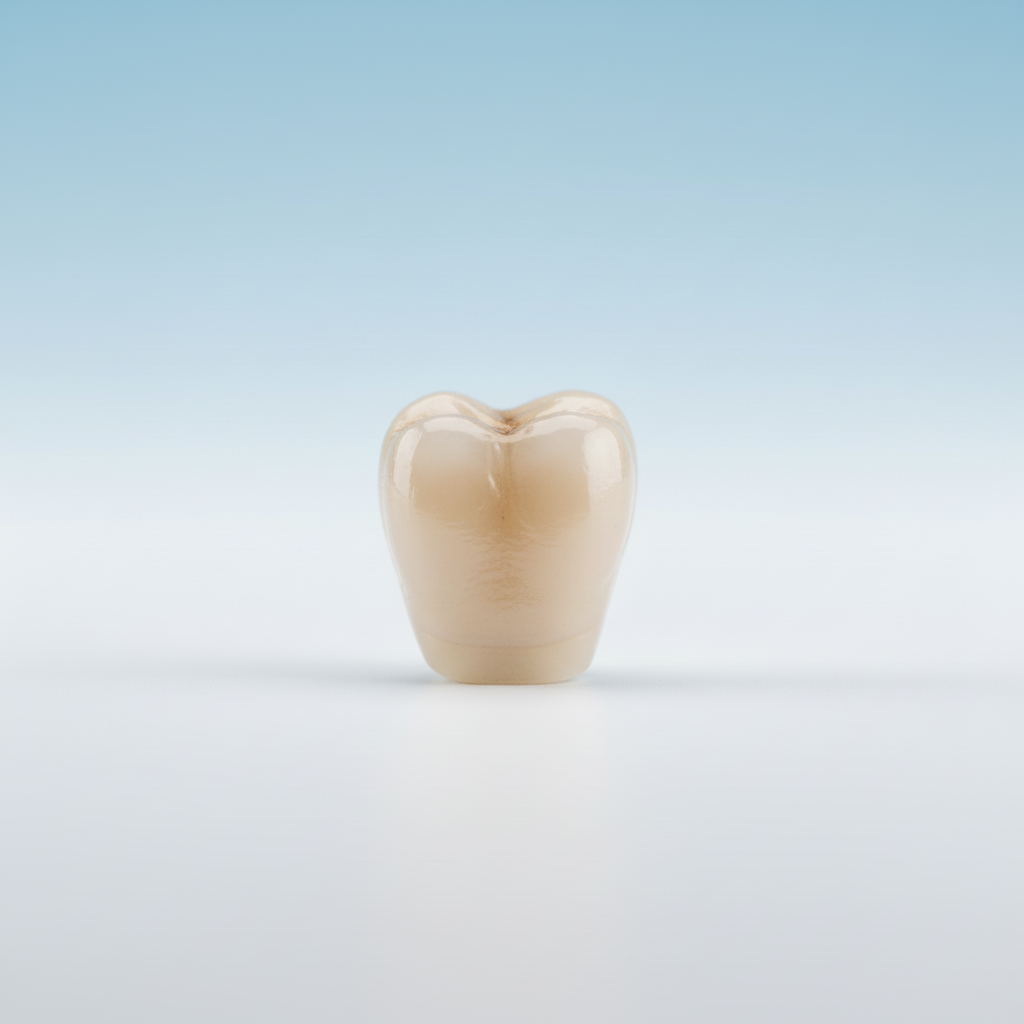
Dental Crown Cost in the UK is a significant consideration for anyone needing to restore a damaged, decayed, or aesthetically unpleasing tooth. A dental crown, often described as a ‘cap’, is a custom-made restoration that completely covers a tooth, restoring its shape, size, strength, and appearance. Understanding the costs involved is crucial, as they can vary dramatically based on a multitude of factors, from the material used to the location of the dental practice. This comprehensive guide will break down all the elements that contribute to the final price you pay, explore the differences between NHS and private treatment, and present a high-quality, cost-effective alternative.
What Influences the Price of a Dental Crown?
The final bill for a dental crown is not a single, fixed figure. It is a composite of several key variables. Acknowledging these factors will help you understand why one clinic might quote a significantly different price from another for what appears to be the same procedure.
Material Type: The Primary Cost Driver
- Porcelain-Fused-to-Metal (PFM): This is a traditional option where a metal alloy base is covered with a layer of porcelain. It offers good strength but can sometimes show a dark metal line at the gum, making it less ideal for front teeth.
- All-Ceramic or All-Porcelain: Materials like E-Max provide the best natural look, with translucency that mimics real tooth enamel. They are an excellent choice for visible teeth but can be more expensive.
- Zirconia: A modern, high-tech ceramic, Zirconia is exceptionally strong and resistant to chipping. It offers excellent biocompatibility and has become a gold standard for both front and back teeth due to its combination of strength and good aesthetics.
- Gold and Metal Alloys: These crowns are incredibly durable and kind to opposing teeth. While their metallic appearance makes them unpopular for visible areas, they are a superb option for molars out of sight.
Location: The Dental Practice Postcode
Just like property prices, the cost of dental services is heavily influenced by geography. A dental clinic in Central London or another major city will have significantly higher overheads—including rent, staff wages, and utilities—than a practice in a smaller town or rural area. These costs are inevitably passed on to the patient, meaning you can expect to pay a premium for treatment in an expensive urban location.
Dentist’s Expertise and Clinic Reputation
The experience and qualifications of the dentist performing the procedure play a role in the cost. A specialist prosthodontist or a cosmetic dentist with advanced training and a portfolio of successful cases will command higher fees. Furthermore, clinics that have invested in the latest technology, such as digital scanners, in-house milling machines (CAD/CAM), and advanced diagnostic tools, will factor these investments into their pricing structure. This technology often leads to better results and a more comfortable patient experience.
A Detailed Breakdown of Dental Crown Cost in the UK
Navigating the costs of dental work in the UK requires understanding the two-tier system: the National Health Service (NHS) and the private sector. The price difference between them is substantial, as are the options available to the patient. Private treatment offers a much wider range of high-quality materials and more flexible appointment times.
The following table provides an estimated cost breakdown for a single dental crown, illustrating the significant disparity between NHS and private fees and among different material types within the private sector.
| Crown Type | Material | Average NHS Cost (England) | Average Private UK Cost | Key Features |
|---|---|---|---|---|
| PFM | Porcelain-Fused-to-Metal | Band 3: £319.10 | £450 – £800 | Strong core, aesthetic surface. Can show a dark line at the gum. |
| E-Max | All-Ceramic (Lithium Disilicate) | Not typically available | £650 – £1,100 | Superior aesthetics and translucency. Ideal for front teeth. |
| Zirconia | Zirconium Dioxide | Not typically available | £600 – £1,000 | Extremely durable, biocompatible, and aesthetic. Suitable for all teeth. |
| Gold Alloy | Gold/Precious Metal Alloy | Band 3: £319.10 | £700 – £1,200+ | Highly durable and long-lasting. Not tooth-coloured. Best for molars. |
NHS vs. Private Treatment Costs
Under the NHS in England, a dental crown falls under Band 3 of treatment charges, which is a fixed fee of £319.10 (as of 2023-2024 rates). This fee covers all treatment required to complete the course, including the examination, any necessary X-rays, and the crown itself. While this is the most affordable option, there are limitations. The primary goal of NHS dentistry is functional restoration, not cosmetics. Therefore, the material choices are often limited to the most functional and cost-effective, such as PFM or metal alloys, which may not be the most aesthetically pleasing choice, especially for front teeth. Furthermore, waiting times for NHS appointments can be long.
Private treatment, while more expensive, offers a host of advantages. Patients have complete control over the material used for their crown, allowing them to choose premium options like E-Max or monolithic Zirconia for the best possible aesthetic and functional outcome. Appointments are more readily available, and clinics often use more advanced technology for a more precise and comfortable fit.
Exploring Different Types of Dental Crowns
The choice of material for your crown will be a discussion between you and your dentist, balancing your budget, aesthetic desires, and the functional demands of the tooth’s location in your mouth.
Porcelain-Fused-to-Metal (PFM) Crowns
For decades, PFM crowns were the standard. They combine the strength of a metal substructure with the tooth-coloured appearance of porcelain. They are very durable and a reliable choice for molars. However, their main drawback is aesthetic. The opaque nature of the porcelain layered over metal can look flat and unnatural compared to modern ceramics. Over time, gum recession can expose the dark metal margin at the base of the crown.
Zirconia Crowns: The Modern Standard
Zirconia has revolutionised restorative dentistry. Milled from a solid block of zirconium dioxide, these crowns are virtually unbreakable and can withstand immense chewing forces, making them perfect for any tooth in the mouth. Early versions were sometimes criticised for being too opaque, but modern monolithic and multi-layered Zirconia crowns offer excellent translucency and aesthetics that rival other ceramics. Their biocompatibility is a significant advantage, as they are very gentle on the surrounding gum tissue. The long-term success of these restorations is well-documented in clinical research. A comprehensive study published by the National Center for Biotechnology Information confirms the high survival rate and clinical performance of monolithic zirconia crowns over several years.
A Cost-Effective Alternative: Dental Crowns in Turkey
For many UK patients, the high cost of private dental care is a significant barrier. This has led to the rise of dental tourism, with Turkey emerging as a leading destination for high-quality, affordable dental treatment. Clinics in cities like Istanbul and Antalya offer world-class services at a fraction of the UK price.
Why are Crowns Cheaper in Turkey?
The lower cost is not a reflection of lower quality. Instead, it is due to economic factors. The overall cost of living, staff salaries, laboratory fees, and business overheads are significantly lower in Turkey than in the UK. The Turkish government also supports the medical tourism sector, further enabling clinics to offer competitive pricing. This economic advantage allows clinics to invest in the same premium materials (like German-made Zirconia and Swiss E-Max crowns) and state-of-the-art technology (CAD/CAM, 3D imaging) used in top UK clinics, but provide them at a much lower price point.
A premium Zirconia crown that might cost £900 in the UK can often be sourced for £200-£300 in a reputable Turkish clinic. Even when factoring in the cost of flights and accommodation, the total expense for multiple crowns can result in thousands of pounds in savings. When deciding on your smile restoration, it’s also common to consider other options. Understanding the difference between treatments is key, which is why many patients explore topics like veneers vs. crowns to make an informed choice. This research ensures the selected treatment perfectly aligns with their aesthetic goals and clinical needs.
Many top clinics in Turkey cater specifically to international patients, offering all-inclusive packages. These packages often bundle the cost of treatment with airport transfers, luxury hotel accommodation, and translation services, creating a seamless and stress-free experience from start to finish. This transparent pricing model eliminates the worry of hidden costs and allows patients to budget for their trip with confidence.