How Dentists Repair Cracked Teeth
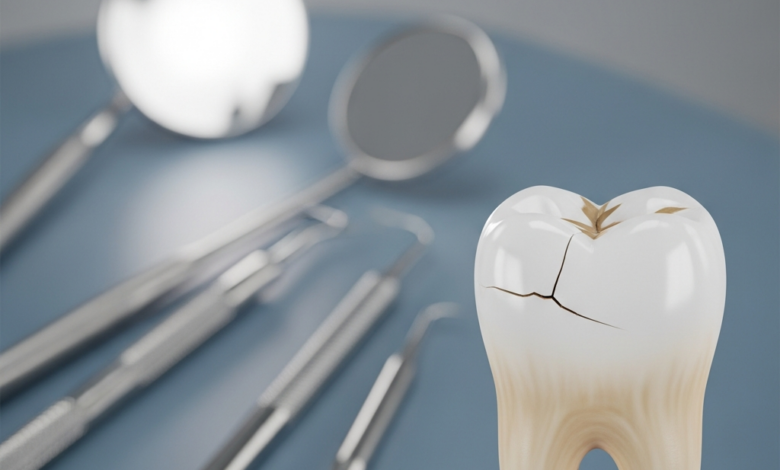
How Dentists Repair Cracked Teeth is a common concern for many individuals who experience sudden pain when chewing or sensitivity to temperature changes. A cracked tooth can range from a minor cosmetic issue to a severe problem that threatens the entire tooth. Understanding the nature of the crack and the available treatment options is crucial for preserving your dental health and preventing further complications. Unlike a broken bone, a crack in a tooth will not heal on its own. Prompt professional dental care is essential to address the issue, alleviate pain, and restore the tooth’s function and appearance. The specific repair method a dentist chooses depends entirely on the location, depth, and severity of the crack.
The causes of cracked teeth are varied and can affect anyone. Common culprits include trauma from an accident or a sports injury, biting down on a hard object like ice or a popcorn kernel, and habitual teeth grinding or clenching (bruxism), which places immense pressure on the teeth. Large dental fillings can also weaken the natural tooth structure over time, making it more susceptible to fractures. As we age, our teeth naturally become more brittle, increasing the risk of cracks. Identifying the symptoms early, such as erratic pain when chewing or an unexplainable sensitivity, is the first step toward getting the effective treatment needed to save the tooth.
Understanding the Different Types of Tooth Cracks
The term “cracked tooth” is a general descriptor that encompasses several types of fractures. A dental professional must accurately diagnose the specific type of crack to recommend the most effective treatment plan. Each type presents unique challenges and requires a distinct approach for a successful outcome.
Craze Lines
Craze lines are very small, superficial vertical cracks that are confined to the outer layer of the tooth, known as the enamel. They are often painless and are typically considered a cosmetic issue rather than a health concern. These lines are common in adult teeth and usually do not require treatment unless the patient is concerned about their appearance. In such cases, very light tooth polishing or cosmetic treatments like veneers can be used to improve the tooth’s look.
Fractured Cusp
A fractured cusp occurs when a piece of the tooth’s chewing surface breaks off. This usually happens around a filling. The fracture typically does not extend to the pulp—the soft inner tissue containing nerves and blood vessels—and therefore may not cause significant pain. The dentist can often repair this by placing a new filling or, more commonly, by fitting a dental crown to protect the weakened tooth and restore its shape and function.
Cracked Tooth
This term typically refers to a crack that extends from the chewing surface of the-tooth vertically down towards the root. In this scenario, the tooth has not yet split into two separate pieces, but the crack can gradually spread. Early diagnosis is critical. If the crack has not reached the pulp, it can often be treated with a dental crown. However, if the crack extends into the pulp, root canal treatment will be necessary first to remove the damaged tissue before the crown is placed.
Split Tooth
A split tooth is often the result of an untreated cracked tooth. The crack has descended to the root surface, and the tooth has separated into two distinct, mobile segments. It is rarely possible to save the entire tooth in this situation. Depending on the position and extent of the fracture, your dentist may be able to save one portion of the tooth, but more often than not, a complete extraction is required.
Vertical Root Fracture
These are cracks that begin in the root of the tooth and extend upward toward the chewing surface. They often show minimal signs and symptoms and may go unnoticed for a long time. A vertical root fracture is frequently discovered when the surrounding bone and gum become infected. Unfortunately, these fractures have a poor prognosis, and the most common treatment is extraction of the affected tooth.
Diagnostic Process: How Dentists Identify a Cracked Tooth
Diagnosing a cracked tooth can be challenging. The symptoms can be inconsistent, and the cracks themselves are often microscopic or invisible to the naked eye. Furthermore, they do not always appear on standard dental X-rays. Dentists use a combination of patient feedback and specialized diagnostic techniques to pinpoint the problem. The process begins with a thorough discussion of your dental history and the specific symptoms you are experiencing, such as pain upon biting or releasing pressure.
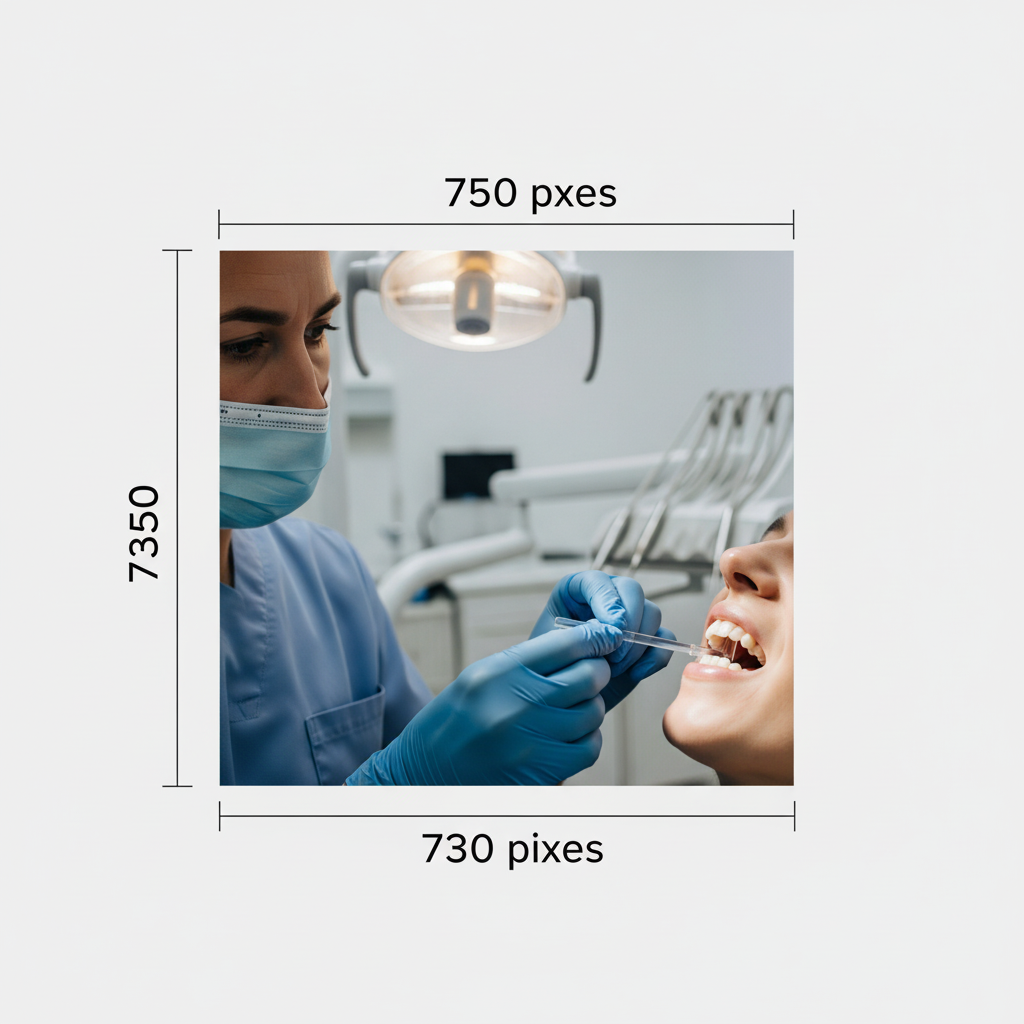
Following the discussion, a visual examination is performed. The dentist will use a magnifying loupe and a bright light to inspect the tooth’s surface for any visible fracture lines. A dental instrument called an explorer may be gently used to feel for cracks along the tooth’s surface. A common and effective diagnostic tool is the bite test, where the patient is asked to bite down on a small plastic stick. If biting down on a specific cusp of a particular tooth reproduces the pain, it strongly indicates a crack. Another technique is transillumination, which involves shining a fiber-optic light through the tooth. A crack will disrupt the light’s path, appearing as a dark line. Sometimes, a special dye is applied to the tooth to make the crack more visible.
Common Methods to Repair Cracked Teeth
The treatment strategy to repair a cracked tooth is tailored to the individual case, considering the crack’s type and severity. The primary goal is to relieve pain, prevent the crack from spreading, and restore the tooth’s functionality and aesthetics.
Dental Bonding
For very small, superficial cracks, such as minor craze lines or small chips on the tooth’s edge, dental bonding is an effective and conservative solution. The procedure involves applying a tooth-colored composite resin to the surface of the tooth. The dentist first slightly etches the enamel to create a rough surface for the bonding material to adhere to. The putty-like resin is then applied, sculpted into the desired shape, and hardened using a special curing light. Finally, it is polished to match the sheen of the surrounding natural teeth. This is a relatively simple, single-visit procedure that can effectively seal the crack and improve the tooth’s appearance.
Dental Crowns
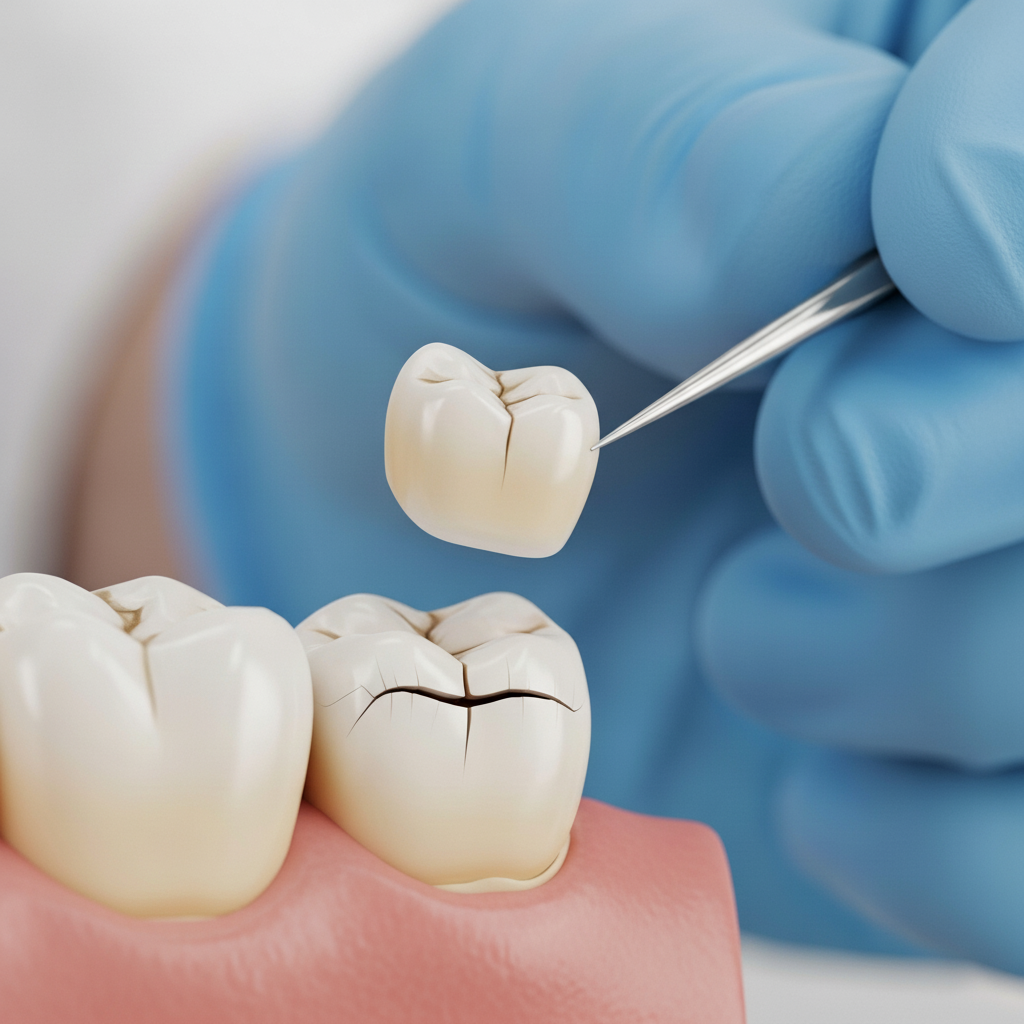
When a crack is more significant, such as a fractured cusp or a crack that compromises the tooth’s structural integrity, a dental crown is often the recommended treatment. A crown is a custom-made cap that fits over the entire tooth, down to the gum line. It acts like a helmet, holding the cracked pieces of the tooth together and protecting it from the immense pressures of biting and chewing. This prevents the crack from propagating further and causing more damage. The procedure typically requires two visits: one to prepare the tooth and take an impression for the custom crown, and a second to permanently cement the final crown in place.
Root Canal Treatment
If a crack extends deep into the tooth and reaches the pulp, the nerve and blood vessels within become irritated and inflamed, eventually leading to infection and severe pain. In this case, a root canal is necessary to save the tooth. During a root canal, the endodontist or dentist removes the damaged pulp, carefully cleans and disinfects the inside of the tooth, and then fills and seals the space. Following a root canal, the tooth becomes more brittle, so it is almost always necessary to place a protective dental crown over it to prevent future fractures.
Tooth Extraction
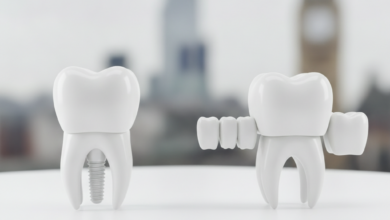
Extraction is the final option when the tooth is damaged beyond repair. This is typically the case for a split tooth where the segments are separated or a vertical root fracture that has compromised the tooth’s foundation. A comprehensive review of clinical outcomes shows that the long-term prognosis for teeth with extensive cracks is often poor, making extraction the most predictable course of action to eliminate infection and pain. According to a literature review published in the Journal of Endodontics, the ability to save a cracked tooth is highly dependent on the extent of the fracture. After extraction, your dentist will discuss replacement options, such as a dental implant, bridge, or partial denture, to restore your smile and chewing ability.
Comparing Treatment Options for Cracked Teeth
To better understand the right approach for different situations, it helps to compare the available treatments side-by-side. The choice is always dictated by a professional diagnosis of the crack’s specific characteristics.
| Type of Crack | Recommended Treatment | Primary Goal | Typical Durability |
|---|---|---|---|
| Craze Lines | No treatment, or cosmetic bonding/polishing | Aesthetic improvement | Bonding may last 5-10 years |
| Fractured Cusp | Dental Crown or large filling | Protect tooth, restore chewing surface | Crowns can last 10-15+ years |
| Cracked Tooth (Pulp Not Involved) | Dental Crown | Hold tooth together, prevent crack from spreading | High, with proper care (10-15+ years) |
| Cracked Tooth (Pulp Involved) | Root Canal followed by a Dental Crown | Remove infection, save tooth structure, protect | Good, but depends on crack severity |
| Split Tooth / Vertical Root Fracture | Extraction | Eliminate pain and infection, prevent bone loss | Permanent removal; requires tooth replacement |
Recovery and Aftercare: Protecting Your Repaired Tooth
After your cracked tooth has been repaired, proper aftercare is essential to ensure the longevity of the restoration and the health of the underlying tooth. Immediately following a procedure like a crown or root canal, you may experience some sensitivity, which should subside within a few days. It is advisable to avoid chewing on the repaired tooth until the final restoration is in place and any tenderness has disappeared.
Long-term care involves maintaining excellent oral hygiene. This includes brushing twice a day with fluoride toothpaste, flossing daily, and attending regular dental check-ups and cleanings. These appointments allow your dentist to monitor the restoration and the overall health of your mouth. If you have a history of teeth grinding, your dentist will likely recommend a custom-fitted nightguard. This appliance protects not only your repaired tooth but all of your teeth from the excessive forces of clenching and grinding during sleep. By taking these preventive measures, you can significantly extend the life of your dental work and minimize the risk of future dental issues.