Teeth Whitening Cost in the UK: What to Expect
Before diving into specific price ranges, it’s essential to understand the key variables that dictate the overall expense. The price you are quoted is a reflection of the technology, materials, and professional time involved in the procedure. Recognising these factors will clarify why a simple whitening toothpaste costs a few pounds while a professional in-clinic session can cost several hundred.
Teeth Whitening Cost in the UK: What to Expect in 2024. A radiant, white smile is often seen as a hallmark of health and confidence, making teeth whitening one of the most sought-after cosmetic dental procedures in the United Kingdom. However, the path to a brighter smile comes with a price tag that can vary dramatically. Understanding the components that contribute to the final bill is crucial for anyone considering this treatment. The cost is not a single, fixed number but a spectrum influenced by the method chosen, the provider’s expertise, and the specific needs of your teeth. From professional in-clinic laser treatments to dentist-supplied at-home kits and over-the-counter products, each option carries a different financial and clinical implication. This comprehensive guide will break down the various costs associated with teeth whitening in the UK, helping you make an informed decision that aligns with both your aesthetic goals and your budget.
What Determines the Cost of Teeth Whitening?
Type of Whitening Procedure
This is the single most significant factor. There are three main categories of teeth whitening, each with a distinct cost structure and level of effectiveness:
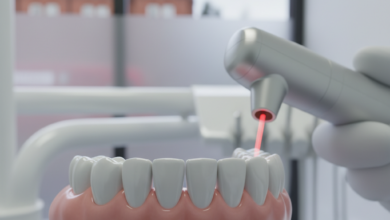
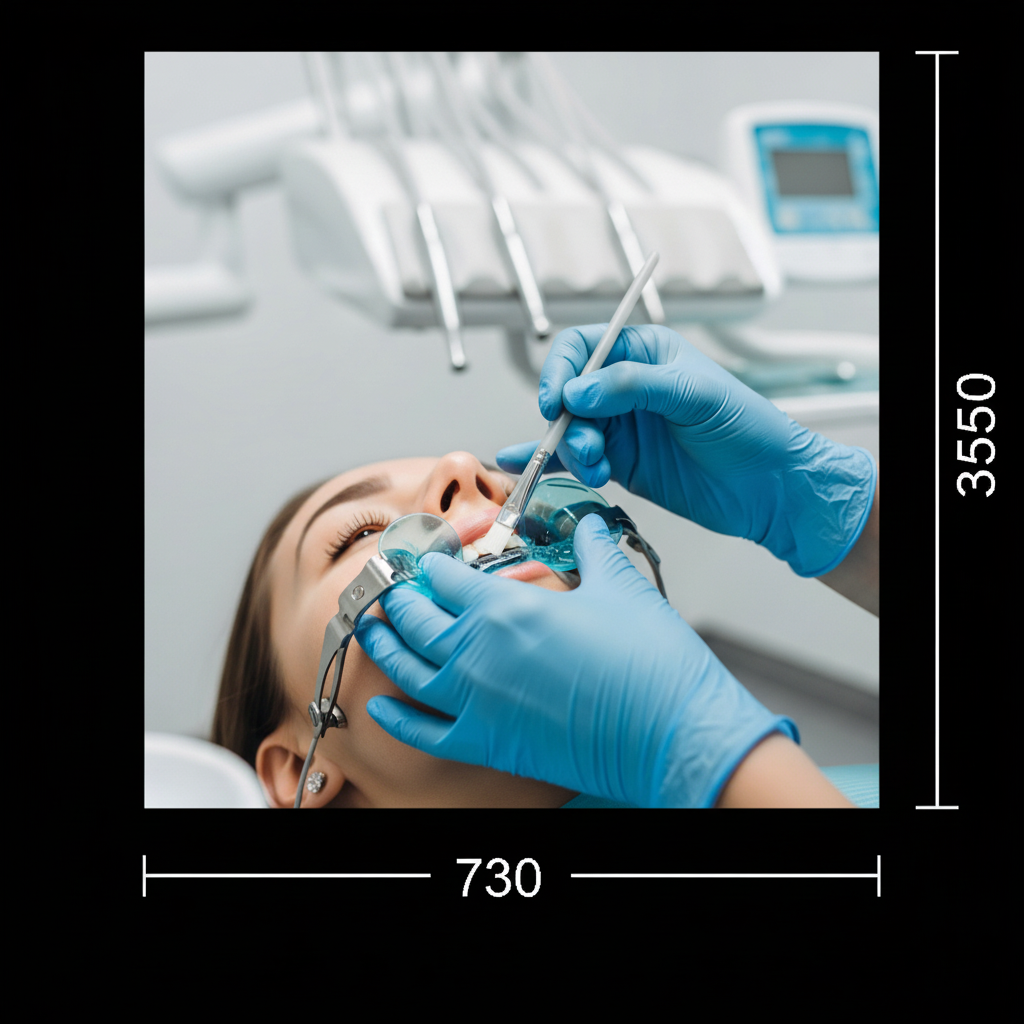
- In-Office Professional Whitening: Performed entirely within a dental clinic, this method uses high-concentration bleaching agents, often activated by a special light or laser. It delivers the fastest and most dramatic results, making it the most expensive option.
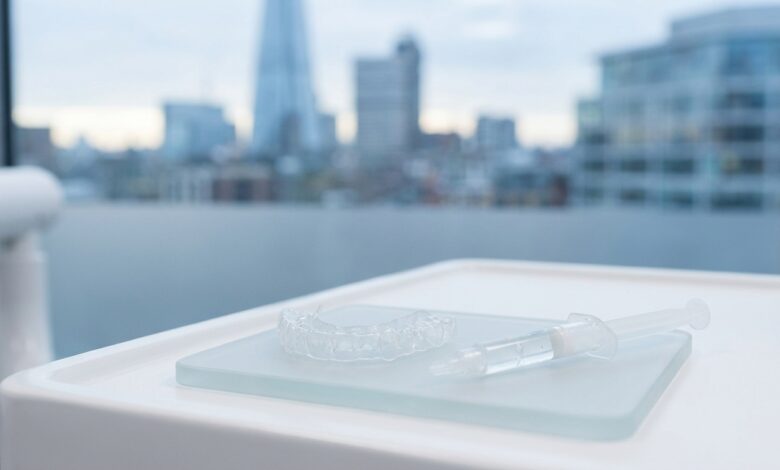
- Dentist-Prescribed At-Home Kits: This professional-grade option involves a dentist creating custom-fitted trays for your teeth. You are then given a supply of whitening gel to use at home over a period of several weeks. It’s less expensive than in-office treatments but far more effective and safer than store-bought alternatives.
- Over-the-Counter (OTC) Products: This category includes whitening strips, toothpastes, gels, and rinses available in pharmacies and supermarkets. These products have the lowest concentration of whitening agents and offer minimal, often temporary, results. They are the cheapest but also the least effective and carry a risk of misuse.
Geographic Location within the UK
Just like many other services, the cost of dental care can fluctuate based on where you live. Dental clinics in major metropolitan areas, particularly London and the South East, tend to have higher overheads (rent, staff wages), which translates to higher prices for patients. In contrast, clinics in smaller towns or northern regions of the UK may offer more competitive pricing for the same procedure.
The Dentist’s Expertise and Clinic Reputation
The experience and reputation of the cosmetic dentist and their clinic play a vital role in pricing. A highly sought-after dentist with specialised training in cosmetic procedures and a portfolio of successful cases will naturally command a higher fee. Premium clinics that invest in the latest technology, offer a luxurious patient experience, and adhere to the highest standards of care will also price their services accordingly. While it may be tempting to opt for the cheapest provider, the skill of the practitioner is paramount to achieving safe and beautiful results.
A Breakdown of the Teeth Whitening Cost in the UK
Navigating the various options and their associated costs can be confusing. To provide clarity, we have compiled a detailed breakdown of the typical price ranges you can expect for different teeth whitening methods across the United Kingdom. This comparison highlights not just the financial investment but also the expected outcome and duration of each treatment type.
| Whitening Method | Average Cost Range (UK) | Key Features | Best For |
|---|---|---|---|
| In-Office Laser Whitening (e.g., Zoom, Enlighten) | £500 – £1,500+ | Fastest results (1-2 hours); High-concentration gel; Professional supervision; Most dramatic shade improvement. | Individuals seeking immediate, significant results for a special event or who want the safest, most effective option. |
| Dentist-Prescribed At-Home Kits | £250 – £500 | Custom-fitted trays prevent gum irritation; Professional-strength gel; Gradual whitening over 2-4 weeks; Excellent results. | Those who want professional-grade results with the convenience of at-home application and a more moderate budget. |
| Over-the-Counter (OTC) Strips/Gels | £20 – £100 | Low concentration of whitening agent; One-size-fits-all application; Risk of uneven results and gum sensitivity; Minimal effect. | Minor surface stain removal or as a very temporary top-up, but not for significant colour change. |
| Whitening Toothpaste | £3 – £15 | Primarily abrasive to remove surface stains; Contains no or very little active bleaching agent; Cannot change intrinsic tooth colour. | Daily maintenance to prevent new surface stains from forming after a professional treatment. |
Is Professional Teeth Whitening a Worthwhile Investment?
When looking at the numbers, it’s clear that professional whitening is a significant investment compared to OTC products. However, the value extends far beyond the initial cost. Professional treatments offer unparalleled safety, efficacy, and longevity. Under the supervision of a dentist, the process is carefully managed to protect your gums and enamel from damage. The high-concentration gels used in clinics are formulated to break down deep-set, stubborn stains that store-bought products cannot touch. For a deeper understanding of the advantages, it’s helpful to explore the benefits of professional teeth whitening, which include customised treatment plans and lasting results.
Safety and Professional Supervision
One of the most critical advantages of professional whitening is safety. The bleaching agents used, typically hydrogen peroxide or carbamide peroxide, are powerful chemicals. A dentist will first conduct a thorough examination to ensure you are a suitable candidate, checking for issues like cavities, gum disease, or cracked teeth that could cause complications. During in-office procedures, protective barriers are applied to the gums and soft tissues to prevent irritation and chemical burns. According to extensive research, when used correctly under professional guidance, dental bleaching agents are considered safe and effective. A review published by the National Center for Biotechnology Information confirms the safety profile of dentist-supervised whitening procedures. This level of care is impossible to replicate with a one-size-fits-all OTC kit.
Additional Factors That Can Influence the Final Price
The quoted price for a whitening procedure is not always the final amount you will pay. Several other dental health factors can add to the overall cost and are necessary prerequisites for a successful and safe whitening outcome.
Preliminary Dental Work
Teeth whitening should only be performed on a healthy mouth. Before the procedure, your dentist will need to perform a comprehensive check-up. If any issues are found, they must be addressed first. This can include:
- Scale and Polish: A professional cleaning is almost always required to remove plaque and tartar, ensuring the whitening gel can make even contact with the tooth surface. This can cost between £50 – £100.
- Fillings or Restorations: If you have cavities, they must be filled before whitening. Whitening agents can penetrate decay and cause severe pain. It’s also important to note that whitening agents do not work on dental restorations like fillings, crowns, or veneers. You may need to replace them post-whitening to match your new, brighter tooth shade, which is a significant additional cost.
The Nature and Severity of Staining
Not all tooth discolouration is the same. Extrinsic stains, caused by coffee, tea, red wine, and smoking, are on the surface and respond well to whitening. Intrinsic stains, which are inside the tooth structure, are much harder to treat. These can be caused by trauma, certain medications (like tetracycline), or excessive fluoride exposure during childhood. Treating intrinsic stains may require multiple whitening sessions or more advanced techniques, thereby increasing the total cost.