What Causes Toothache and How Dentists Treat It
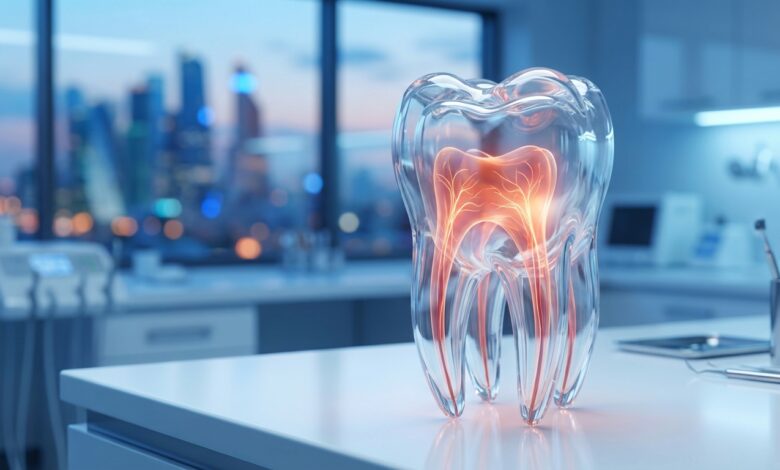
What Causes Toothache and How Dentists Treat It. A toothache is more than just a minor inconvenience; it is a significant signal from your body that something is wrong within your oral environment. Ranging from a dull, intermittent throb to a sharp, excruciating pain, this discomfort can disrupt daily activities like eating, sleeping, and concentrating. Ignoring a toothache is never advisable, as the underlying cause often requires professional dental intervention to prevent more severe complications. Understanding the root causes of this common ailment is the first step toward effective treatment and long-term relief. The pain you feel is typically a result of the inflammation or infection of the tooth’s innermost layer, the pulp, which contains sensitive nerves and blood vessels.
The Anatomy of a Tooth: Understanding Where the Pain Comes From
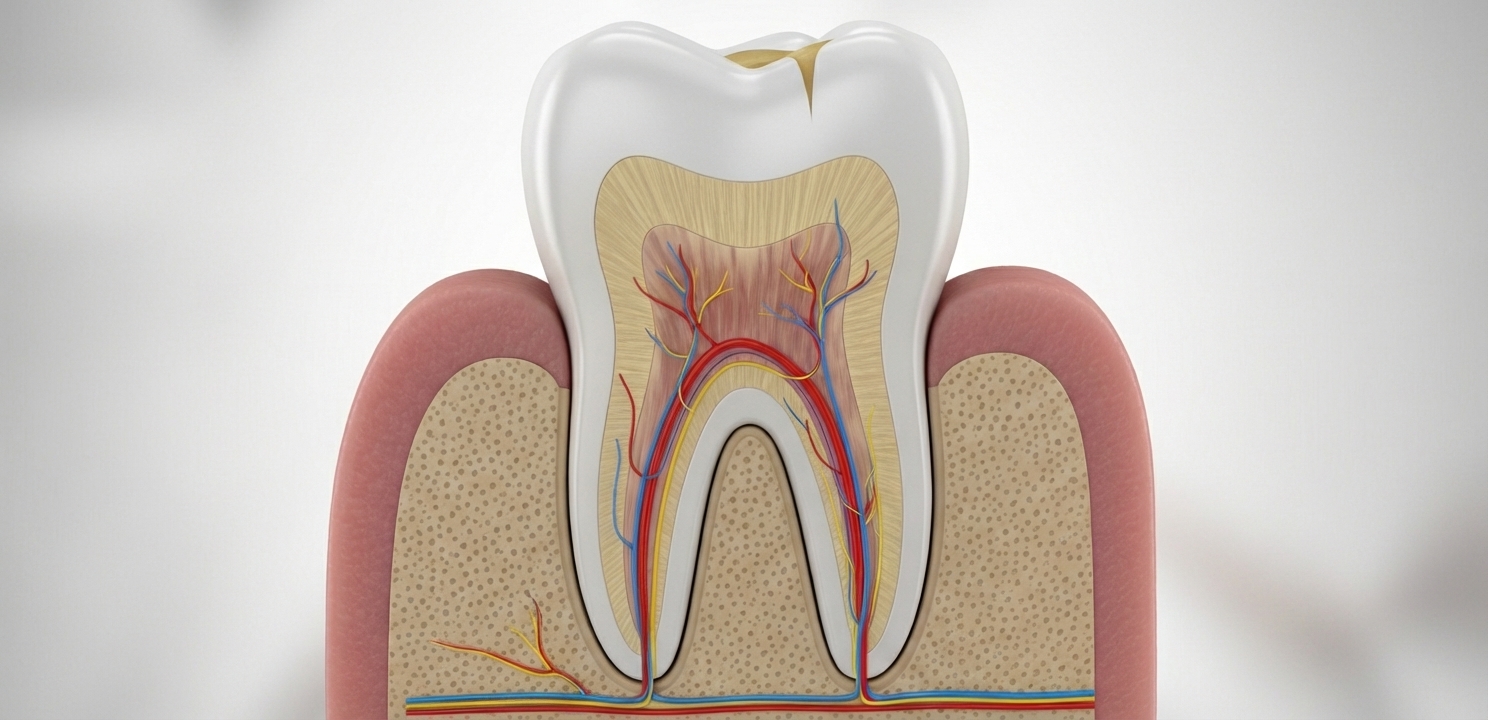
To fully grasp the origins of a toothache, it’s essential to understand the basic structure of a tooth. Each tooth is composed of several distinct layers, each with a specific function. The outermost layer is the enamel, the hardest substance in the human body. Its primary role is to protect the sensitive inner layers from the pressures of chewing and from temperature extremes. Beneath the enamel is the dentin, a porous, bone-like tissue that makes up the bulk of the tooth. Dentin contains thousands of microscopic tubules that lead directly to the tooth’s core.
At the very center of the tooth lies the pulp. This soft tissue is the tooth’s nerve center, containing blood vessels, nerves, and connective tissue. The pulp is responsible for nourishing the tooth and transmitting sensory signals, like pain, heat, and cold, to the brain. Most toothaches occur when this delicate pulp becomes irritated, inflamed, or infected. When the protective layers of enamel and dentin are compromised, external stimuli or bacteria can reach the pulp, triggering a painful response that we recognize as a toothache.
Common Culprits: What Causes Toothache?
A variety of dental problems can lead to tooth pain. A professional diagnosis is crucial because the treatment must address the specific underlying issue. Here are some of the most frequent causes of toothaches that dentists encounter.
Dental Caries (Cavities)
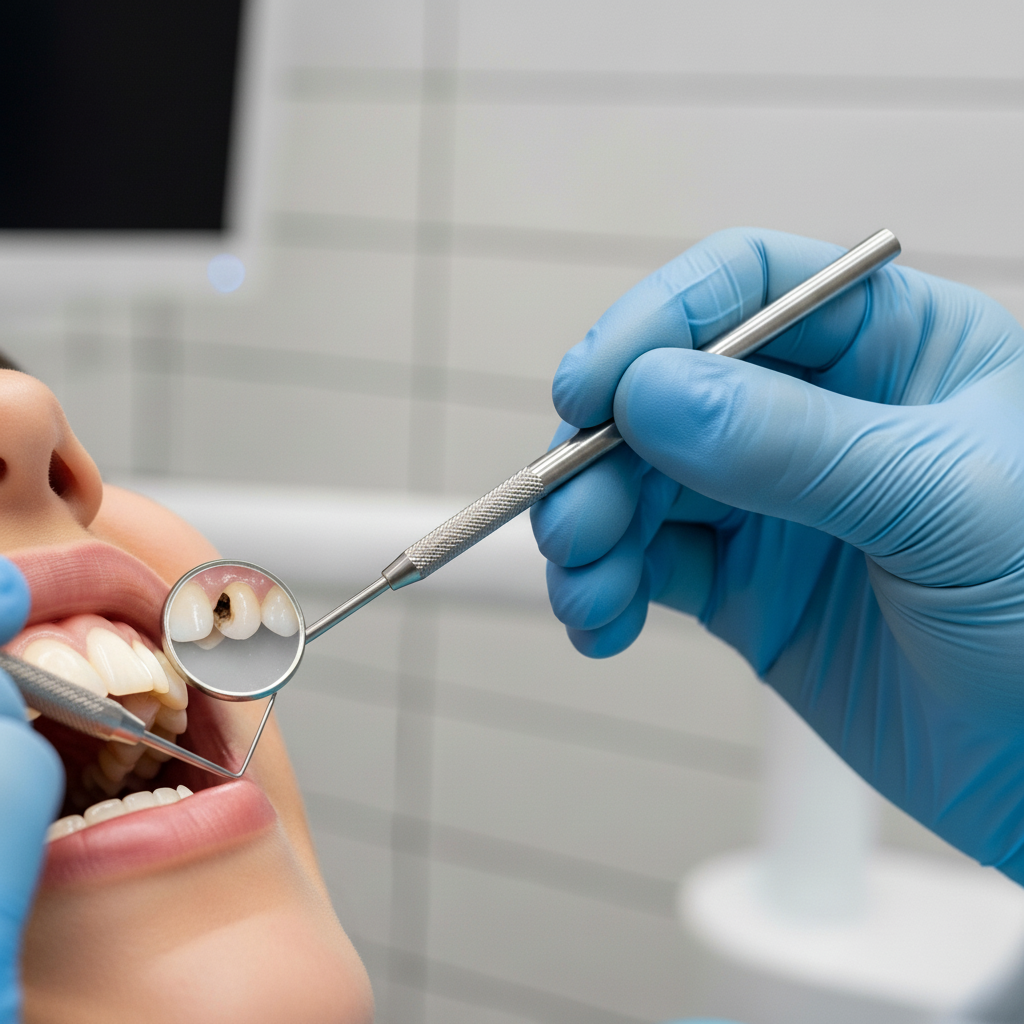
Dental caries, commonly known as cavities or tooth decay, are the most prevalent cause of toothaches. This process begins when bacteria in your mouth feed on sugars and starches from food, producing acids. These acids attack and demineralize the tooth enamel, creating a small hole. Initially, a small cavity may not cause any symptoms. However, as the decay progresses through the enamel and into the dentin, the tooth becomes sensitive to sweet, hot, or cold foods and drinks. If left untreated, the decay will eventually reach the pulp, leading to a persistent and often severe toothache as the nerve becomes infected and inflamed.
Pulpitis: Inflammation of the Tooth’s Nerve
Pulpitis is the technical term for inflammation of the tooth’s pulp. It is most often a direct result of untreated dental decay but can also be caused by a sudden trauma, a crack in the tooth, or even repeated dental procedures on the same tooth. There are two forms of pulpitis:
- Reversible Pulpitis: This is a mild inflammation where the pulp is irritated but can heal if the cause is removed. The pain is typically sharp but brief and only occurs in response to a stimulus, such as eating something sweet or cold.
- Irreversible Pulpitis: This occurs when the inflammation is severe and the pulp cannot recover. The pain is more intense, spontaneous, and lingers long after the stimulus is gone. It often presents as a throbbing ache that can worsen when lying down. Irreversible pulpitis requires dental treatment, usually a root canal, to resolve.
Dental Abscess
A dental abscess is a pocket of pus that forms due to a bacterial infection. This is a serious and painful condition that requires immediate dental attention. An abscess can form at the tip of the tooth’s root (a periapical abscess) or in the gums next to a tooth root (a periodontal abscess). The primary cause is typically an untreated cavity that has allowed bacteria to infect the pulp and spread out from the root tip. The pain from an abscess is severe, continuous, and often described as a gnawing or throbbing sensation. Other symptoms include swelling in the face or gums, a bad taste in the mouth, and sometimes a fever. This condition will not resolve on its own and can lead to a widespread infection if not treated.
Gum Disease (Gingivitis and Periodontitis)
While often associated with the gums, advanced gum disease can also cause significant tooth pain. The initial stage, gingivitis, involves inflamed and bleeding gums. If it progresses to periodontitis, the gums pull away from the teeth, creating pockets that can become infected. This infection can destroy the bone that supports the teeth, causing them to become loose and painful. Furthermore, gum recession associated with periodontitis can expose the tooth’s root, which is not protected by enamel and is highly sensitive to external stimuli.
The Diagnostic Process: How Dentists Pinpoint the Cause
When you visit a dentist with a toothache, they will perform a thorough examination to accurately diagnose the problem. This process typically involves several steps. First, your dentist will ask about your symptoms: the location of the pain, its severity, what makes it worse, and how long you’ve had it. Following this, a visual inspection of your mouth will be conducted to look for obvious signs of decay, cracks, or swelling. The dentist may use a small instrument to gently tap on your teeth; a painful response can help isolate the problematic tooth. Temperature tests, involving the application of a cold stimulus, are used to assess the health of the pulp. The most critical diagnostic tool is often a dental X-ray. X-rays allow the dentist to see what’s happening below the surface, revealing the extent of decay, bone loss around the tooth, or the presence of an abscess at the root tip.
Professional Dental Treatments for Toothache Relief
The treatment for your toothache will depend entirely on its cause. After a proper diagnosis, your dentist will recommend the most appropriate course of action to eliminate the pain and restore your oral health. For a simple cavity, a dental filling is usually sufficient. The dentist removes the decayed portion of the tooth and fills the space with a restorative material. If the problem is irreversible pulpitis or a dental abscess, root canal therapy is the standard treatment. This procedure involves removing the infected or inflamed pulp, cleaning and disinfecting the inside of the tooth, and then filling and sealing it. The tooth is often then covered with a dental crown for protection.
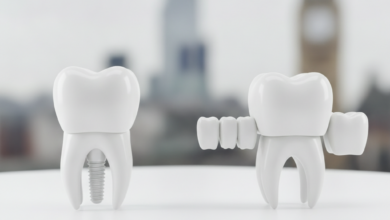
In cases where a tooth is too severely damaged by decay or trauma to be saved, a tooth extraction may be the only option. Following an extraction, it’s vital to consider tooth replacement options like dental implants to maintain oral function and structure. Choosing the right provider for such procedures is paramount, which is why understanding how to choose the best dental clinic in Turkey is crucial for patients seeking high-quality care. For pain stemming from gum disease, a professional deep cleaning procedure called scaling and root planing may be recommended.
| Cause of Toothache | Common Symptoms | Typical Dental Treatment |
|---|---|---|
| Dental Cavity | Sharp pain with sweet, hot, or cold stimuli; visible hole or dark spot on the tooth. | Dental Filling |
| Pulpitis | Brief, sharp pain (reversible) or lingering, throbbing pain (irreversible). | Filling (for reversible) or Root Canal Therapy (for irreversible). |
| Dental Abscess | Severe, persistent, throbbing pain; swelling of the gums or face; sensitivity to pressure. | Root Canal Therapy or Extraction; Drainage of the abscess. |
| Cracked Tooth | Pain when chewing or biting; intermittent sensitivity to temperature. | Dental Crown, Bonding, or Root Canal if pulp is affected. |
| Gum Disease | Dull ache; receding gums; sensitivity at the gum line; loose teeth. | Professional Deep Cleaning (Scaling and Root Planing). |
Prevention: Your Best Defense Against Toothaches
The most effective way to handle a toothache is to prevent it from happening in the first place. A consistent and thorough oral hygiene routine is your primary line of defense. This includes brushing your teeth twice a day with fluoride toothpaste, flossing daily to remove plaque from between teeth and below the gum line, and considering an antiseptic mouthwash. Your diet also plays a significant role; limiting your intake of sugary and acidic foods and beverages reduces the fuel for acid-producing bacteria. Most importantly, regular dental check-ups and professional cleanings are non-negotiable. These visits allow your dentist to identify and address potential problems like small cavities before they evolve into painful, complex, and more expensive issues.