Single Tooth Implant Pros and Cons
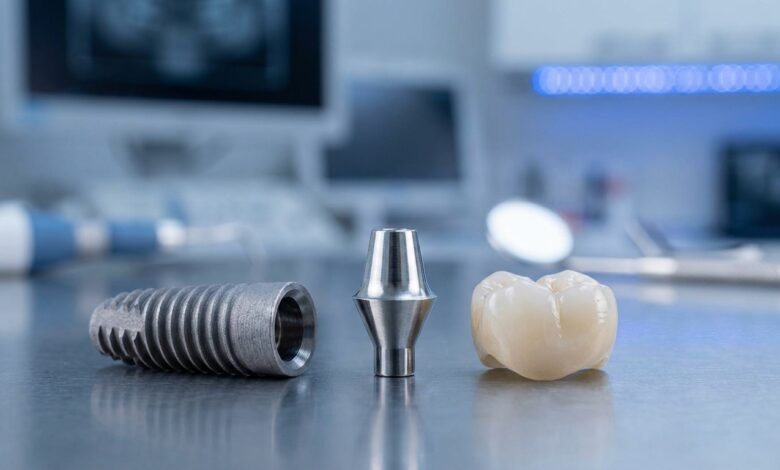
Every single tooth implant system is composed of three distinct yet interconnected parts that work in concert to replicate a natural tooth.
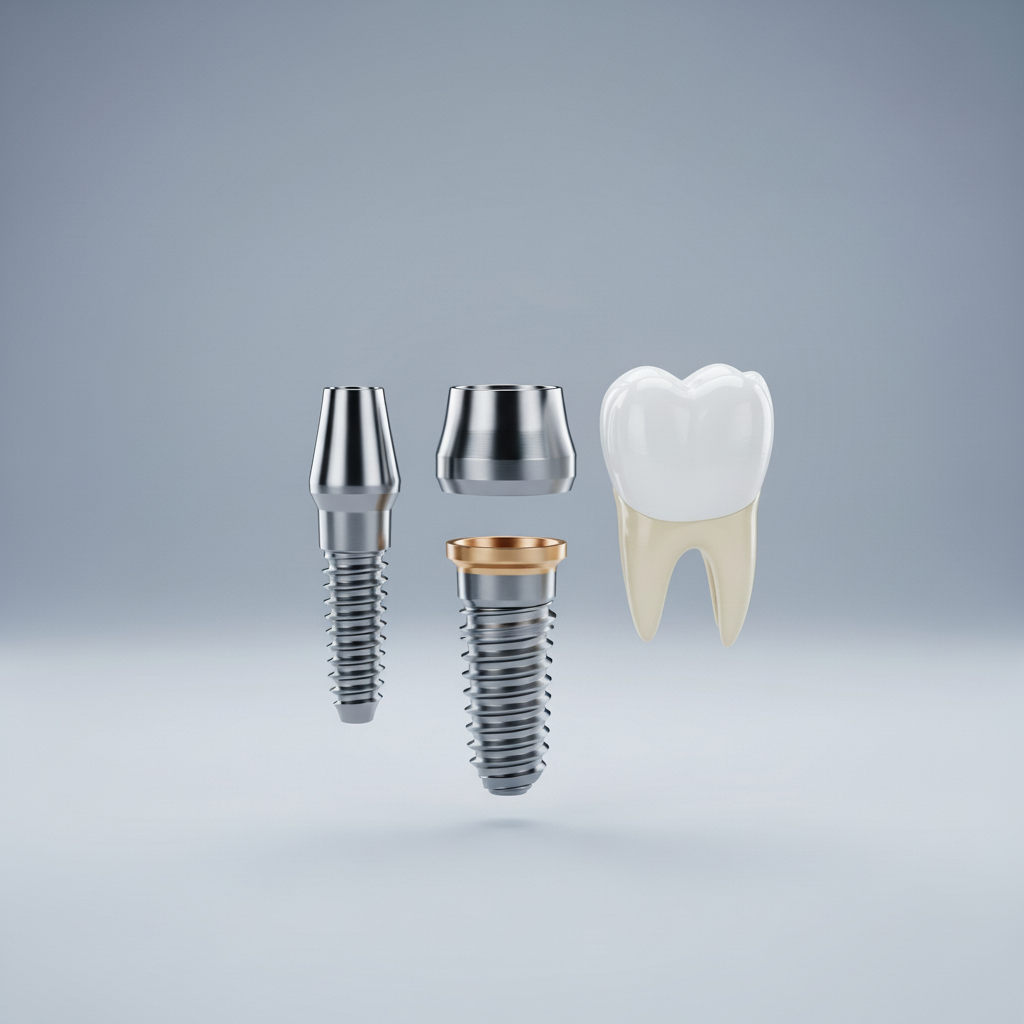
- The Implant Fixture: This is a small, screw-like post typically made from medical-grade titanium or a titanium alloy. This fixture acts as the artificial tooth root. During a surgical procedure, it is precisely placed into the jawbone where the original tooth was located. Titanium is used because of its remarkable biocompatibility, meaning the human body does not reject it as a foreign object. Instead, a natural process of fusion occurs.
- The Abutment: After the implant fixture has fully integrated with the jawbone, a connector piece called an abutment is attached. The abutment protrudes just above the gum line and serves as the foundation upon which the final crown will be secured. It acts as a bridge, linking the submerged implant fixture to the visible part of the restoration.
- The Crown: The crown is the final piece of the puzzle and the only part visible in the mouth. It is a custom-fabricated prosthetic tooth, usually made from high-quality porcelain or ceramic, designed to match the exact color, shape, and size of your surrounding natural teeth. The crown is cemented or screwed onto the abutment, completing the restoration and providing a fully functional and aesthetically pleasing replacement tooth.
The Principle of Osseointegration
The success of a dental implant hinges on a remarkable biological process known as osseointegration. This term literally means “bone integration.” Following the surgical placement of the titanium implant fixture, the living bone cells in the jaw begin to grow onto and fuse with the microscopic irregularities on the implant’s surface. Over a period of several months, this fusion creates an incredibly strong and stable bond, effectively making the implant a permanent part of the jaw. This process is critical because it not only anchors the implant securely but also provides the necessary stimulation to the jawbone to keep it healthy and strong. The long-term success rates of this procedure are exceptionally high, as documented in numerous clinical studies. Research published by the National Center for Biotechnology Information highlights the high survival and success rates of single-tooth implants over many years, confirming their reliability as a long-term solution.
The Comprehensive Advantages of Choosing an Implant
When evaluating tooth replacement options, the benefits of a single tooth implant often make it the most recommended choice by dental professionals for suitable candidates. These advantages extend beyond simple aesthetics, impacting overall oral health and quality of life.
Unmatched Durability and Longevity
Dental implants are designed to be a permanent solution. With proper oral hygiene and regular dental check-ups, the implant fixture itself can last a lifetime. The crown attached to it may need replacement after 10 to 15 years due to normal wear and tear, but the foundational root structure remains intact. This contrasts sharply with dental bridges, which typically have a lifespan of 5 to 15 years and often need to be completely replaced, potentially impacting the supporting teeth each time.
Preserving Jawbone Health
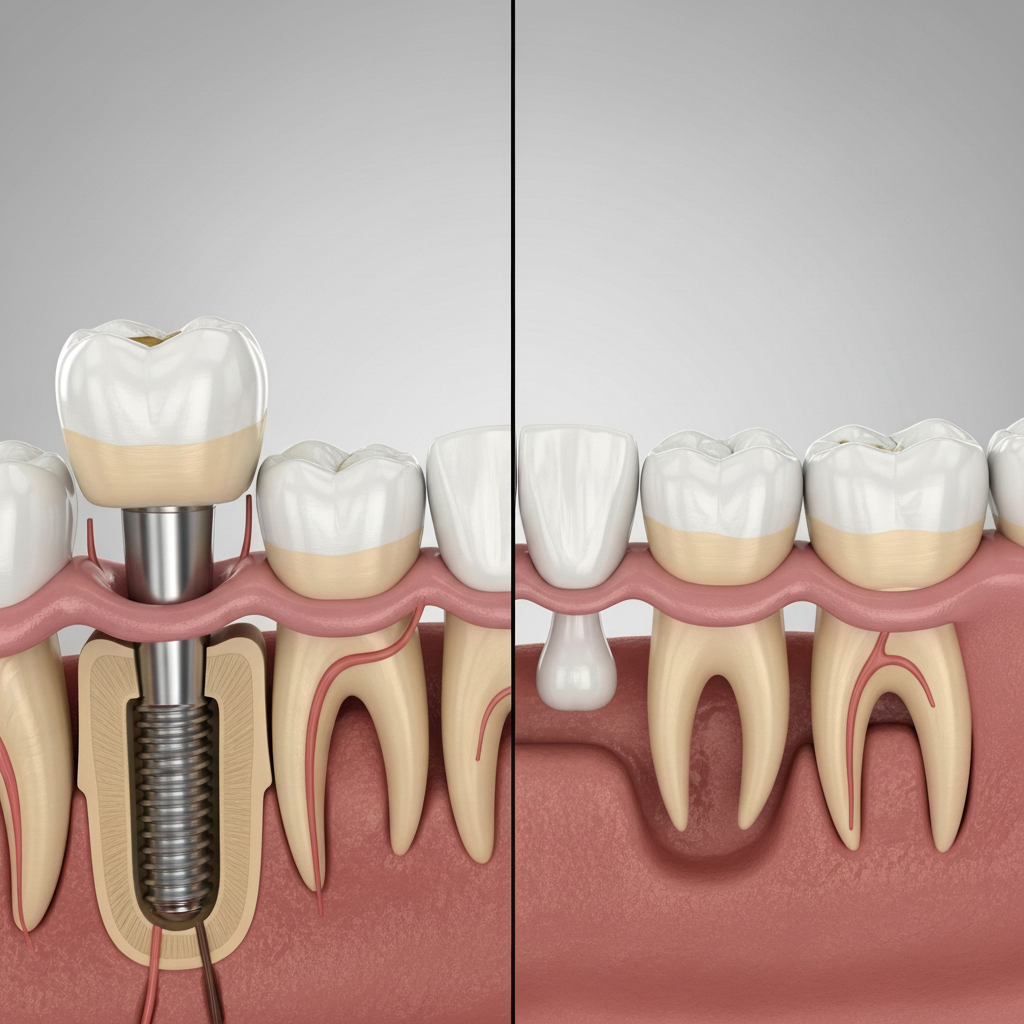
Perhaps the most significant long-term health benefit of a single tooth implant is its ability to prevent jawbone atrophy. Natural tooth roots stimulate the jawbone through the forces of chewing, signaling to the body to maintain bone density in that area. When a tooth is lost, this stimulation ceases, and the bone begins to deteriorate or resorb. This can lead to a sunken facial appearance and destabilize adjacent teeth over time. An implant, by acting as an artificial root, reintroduces this vital stimulation, preserving the bone’s structure and volume.
Protecting Adjacent Teeth
A traditional dental bridge requires the two teeth on either side of the gap to be significantly ground down to serve as anchors for the bridge. This process involves the removal of healthy, often pristine, tooth enamel, making these teeth more susceptible to decay and nerve issues in the future. A single tooth implant is a self-contained unit. It does not rely on or affect neighboring teeth in any way, preserving their natural structure and long-term health. This is a conservative approach that prioritizes the health of your entire mouth.
Understanding the Potential Downsides and Considerations
While the benefits are substantial, it is equally important to have a realistic understanding of the considerations and potential drawbacks associated with the implant process.
The Surgical Procedure and Healing Time
Receiving a dental implant is a multi-stage surgical process. It is not an instant fix. The total timeline from the initial surgery to the placement of the final crown can range from three to nine months, or even longer if preliminary procedures like bone grafting are required. This extended healing period, primarily for osseointegration to occur, requires patience from the patient. While the procedures themselves are performed with anesthesia to ensure comfort, some post-operative discomfort, swelling, and bruising are normal.
Initial Cost Investment
There is no question that the upfront cost of a single tooth implant is higher than that of a dental bridge or a partial denture. The procedure involves surgery, high-quality materials like titanium and custom porcelain, and multiple appointments with a specialist. It is crucial to view this as a long-term investment in your health. While the initial outlay is greater, the longevity of an implant can make it more cost-effective over a lifetime by avoiding the repeated replacement costs associated with other options. Factors influencing the final price are complex, and understanding the full scope of the dental implant cost per tooth is a key part of the decision-making process.
Comparing a Single Tooth Implant to a Dental Bridge
To make an informed choice, a direct comparison with the most common alternative, a traditional dental bridge, is helpful. The following table breaks down the key differences between these two popular tooth replacement methods.
| Feature | Single Tooth Implant | Traditional Dental Bridge |
|---|---|---|
| Jawbone Health | Preserves and stimulates the jawbone, preventing bone loss. | Does not stimulate the jawbone, which can lead to bone atrophy under the pontic (false tooth). |
| Impact on Adjacent Teeth | No impact. It is a standalone unit that leaves healthy teeth untouched. | Requires grinding down two healthy adjacent teeth to serve as anchors (abutments). |
| Lifespan | The implant fixture can last a lifetime with proper care. | Typically lasts 5-15 years before needing replacement. |
| Maintenance | Cleaned just like a natural tooth with regular brushing and flossing. | Requires special cleaning tools (floss threaders) to clean underneath the pontic. |
| Aesthetics | Offers superior, natural-looking results as the crown emerges from the gum line. | Can look very good, but may show a dark line at the gum over time and lacks the natural emergence profile. |
| Surgical Procedure | Requires a surgical procedure to place the implant into the jawbone. | Non-surgical, but involves aggressive preparation of adjacent teeth. |
The Procedure and Recovery Journey
The process of getting a single tooth implant is a well-orchestrated series of steps designed to ensure a predictable and successful outcome.
Step-by-Step Treatment Process
The journey typically begins with a thorough consultation, including 3D imaging like a CBCT scan to assess jawbone density and plan the precise placement of the implant. The first surgical step is the placement of the titanium fixture into the jawbone. After this, a healing cap may be placed, and the site is allowed to heal for several months during the osseointegration period. Once fusion is complete, a minor second procedure may be needed to expose the implant and attach the abutment. Finally, impressions are taken to create the custom crown, which is then securely fitted onto the abutment, completing the restoration and giving you a fully renewed smile and bite.
What to Expect During Recovery
Recovery from the initial implant placement surgery is usually straightforward. Patients can expect some mild swelling, bruising, and discomfort for a few days, which is typically managed well with over-the-counter pain relievers. A soft food diet is recommended for the first week or so to avoid putting pressure on the surgical site. Maintaining excellent oral hygiene is paramount, though you will be instructed to clean around the area gently. Following your surgeon’s post-operative instructions carefully is the key to a smooth and uneventful healing process, setting the stage for long-term success.