Mini Dental Implants Review
Mini Dental Implants Review of their effectiveness, cost, and suitability is essential for anyone considering alternatives to traditional dental implants for tooth replacement or denture stabilization. As a less invasive and often more affordable option, mini dental implants (MDIs) have carved out a significant niche in modern dentistry. They offer a viable solution for patients who may not be ideal candidates for conventional implants due to factors like insufficient bone density or financial constraints. Understanding their unique characteristics, procedural differences, and long-term performance is key to making an informed decision about your oral health and smile restoration journey. This comprehensive review will delve into the mechanics, benefits, and potential limitations of MDIs, providing a clear picture of what patients can expect.
What Exactly Are Mini Dental Implants?
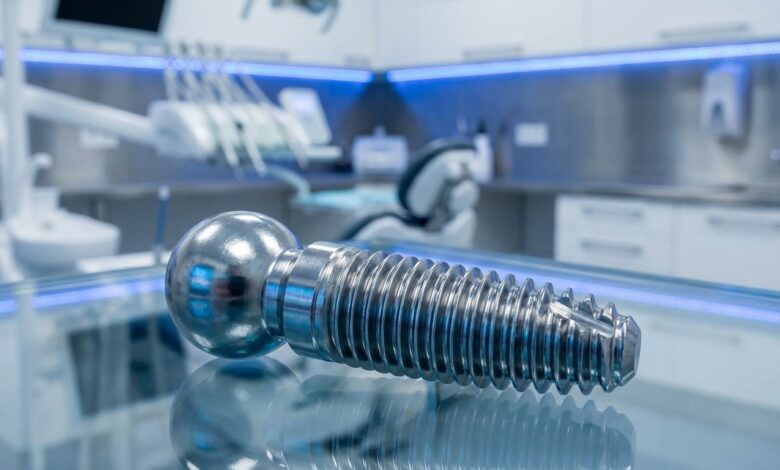
Mini dental implants are a smaller version of their traditional counterparts, defined primarily by their diameter. While conventional implants typically measure between 3.75 mm and 6 mm in diameter, MDIs are significantly narrower, usually measuring less than 3 mm. This fundamental difference in size dictates their structure, surgical protocol, and primary applications. Structurally, a key distinction is that most mini implants are a single, solid piece. This one-piece design incorporates both the screw-like post that is inserted into the jawbone and the abutment head that protrudes above the gumline. The head is often shaped like a small ball, which acts as a snap-like anchor for a prosthetic, most commonly a denture.
This integrated design contrasts with traditional implants, which are typically two-piece systems. A conventional implant consists of a separate screw that is placed in the bone and, after a healing period of several months, a separate abutment piece is attached to it. The MDI’s one-piece construction is a major factor in its minimally invasive placement. Made from a highly durable and biocompatible titanium alloy, the same material used in traditional implants, MDIs integrate with the jawbone through a process called osseointegration. However, their primary function is often geared towards stabilization rather than bearing the full chewing force of a single tooth, making them an exceptional tool for securing loose or uncomfortable dentures.
The MDI Placement Procedure: A Step-by-Step Look
The procedure for placing mini dental implants is renowned for being streamlined and significantly less invasive than traditional implant surgery. This efficiency translates to a quicker procedure, reduced patient discomfort, and a much faster recovery period.
Initial Consultation and Planning
The journey begins with a thorough consultation. During this phase, the dentist assesses your oral health, discusses your goals, and determines your suitability for MDIs. This involves a detailed examination and advanced imaging, such as a panoramic X-ray or a Cone Beam Computed Tomography (CBCT) scan. These images are crucial for evaluating the quantity and quality of your jawbone. The dentist needs to ensure there is sufficient bone to securely anchor the implants, even with their smaller diameter. This planning stage is critical for mapping out the precise location for each implant to ensure optimal support and stability for the final prosthesis.
The Placement Surgery
On the day of the procedure, the process is remarkably straightforward. The area is numbed using local anaesthesia, ensuring the patient feels no pain. Unlike traditional implant surgery that often requires a large incision to expose the jawbone, MDI placement can frequently be done with a flapless technique. The dentist creates a very small pilot hole through the gum tissue and directly into the bone. The mini implant, which is self-tapping, is then gently threaded into this pilot hole until it is firmly seated in the jaw. Because the disturbance to the gum and bone tissue is minimal, stitches are often not required. The entire process of placing four to six MDIs to support a denture can often be completed in a single session, sometimes in less than two hours.
Immediate Loading and Denture Attachment
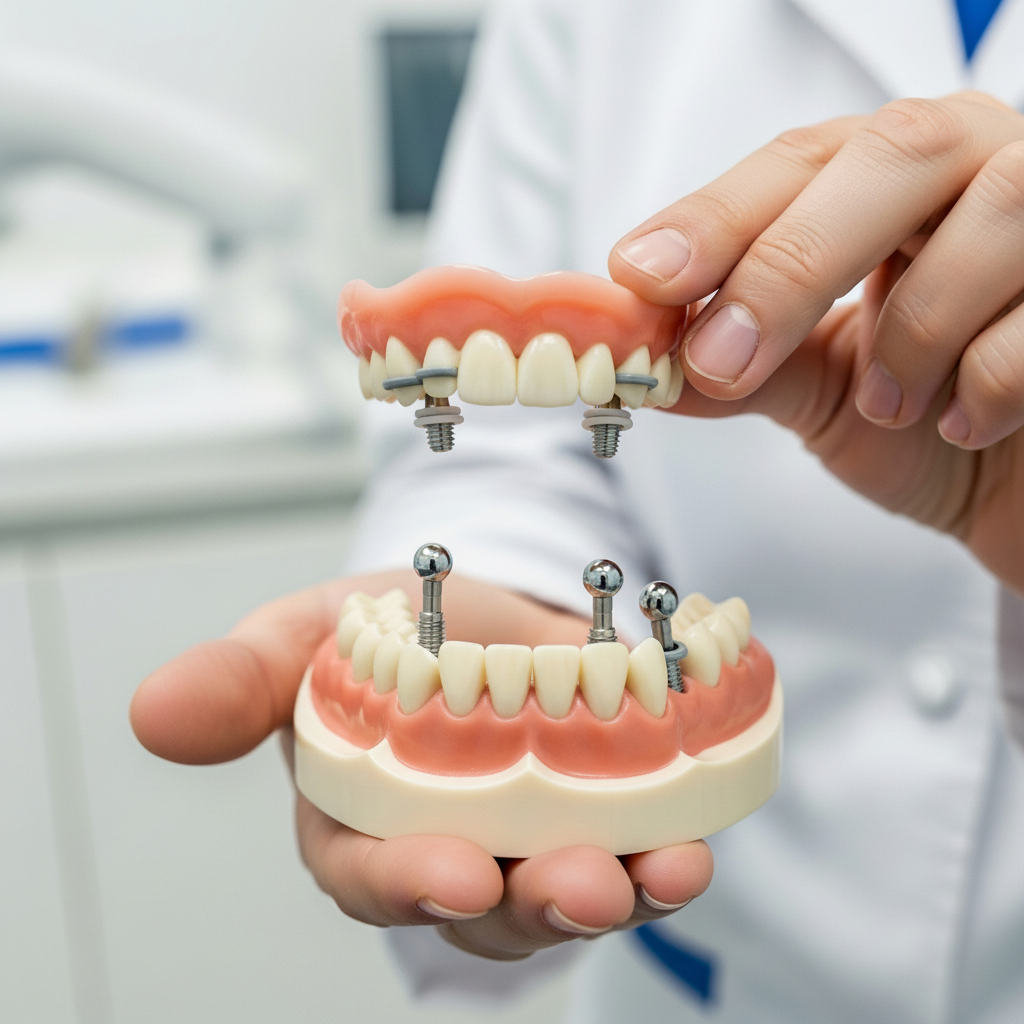
One of the most significant advantages of the MDI procedure is the potential for immediate functionality. The protruding ball-shaped heads of the implants are ready for use right away. The patient’s existing denture (or a new one) is retrofitted with a series of O-ring housings. These small rubber O-rings are designed to snap securely over the ball heads of the implants. This connection provides immediate and remarkable stability, eliminating the frustrating slipping and shifting associated with loose dentures. Patients can often leave the clinic on the same day with a secure, functional smile and the ability to eat and speak with newfound confidence.
An In-Depth Mini Dental Implants Review: Pros and Cons
A balanced evaluation of MDIs requires a close look at both their compelling advantages and their specific limitations. This technology is not a universal replacement for traditional implants but serves a critical purpose for a specific patient demographic.
Advantages of Mini Dental Implants
- Minimally Invasive: The flapless surgical technique and small implant size result in significantly less trauma to the surrounding tissues, leading to less post-operative pain and swelling.
- Faster Recovery: Patients typically experience minimal discomfort and can often resume their normal activities the very next day.
- Lower Cost: The simpler surgical process, reduced clinical time, and less complex components generally make MDIs a more budget-friendly option compared to traditional implants.
- Immediate Results: The ability to load the implants immediately means patients can benefit from a stable denture on the same day as the procedure.
- Bone Grafting Avoidance: Their smaller size allows them to be placed in areas with lower bone volume, potentially eliminating the need for complex and costly bone grafting procedures required for larger implants.
Potential Drawbacks and Considerations
- Lower Bite Force Resistance: The narrow diameter of MDIs means they cannot withstand the same heavy chewing forces as traditional implants. This makes them less suitable for supporting single crowns or bridges, especially for molars.
- Primary Use is Stabilization: Their main indication is for securing prosthetics like full or partial dentures, not for replacing individual teeth in high-load areas.
- Durability Concerns: While strong, the one-piece design is inherently less robust than the two-piece structure of a conventional implant. There is a higher risk of implant fracture under excessive or improperly distributed force over the long term.
- Long-Term Success Rates: While success rates for MDIs are high, particularly for lower denture stabilization, some clinical evidence suggests that traditional implants may offer superior long-term survival rates in a wider range of applications. A systematic review on the survival of mini dental implants highlights their effectiveness but also notes the need for careful case selection.
Traditional Implants vs. Mini Implants: A Detailed Comparison
To fully grasp where mini dental implants fit into the landscape of tooth replacement, a direct comparison with their traditional counterparts is necessary. While both use biocompatible titanium and integrate with the bone, their design and purpose differ significantly. Understanding these differences is key to exploring all available dental implant techniques with your clinician.
| Feature | Mini Dental Implants (MDIs) | Traditional Dental Implants |
|---|---|---|
| Diameter | Less than 3.0 mm | 3.75 mm to 6.0 mm |
| Structure | Typically a single, one-piece unit (post and abutment combined) | Typically a two-piece system (separate implant post and abutment) |
| Surgical Procedure | Minimally invasive, often flapless, fewer steps | More invasive, often requires gum flap incision and sutures |
| Healing Time | Minimal; often allows for immediate loading and use | 3-6 months of osseointegration before the final crown is placed |
| Primary Use Case | Stabilizing dentures, especially in the lower jaw | Supporting single crowns, bridges, and full-arch prosthetics |
| Bone Requirement | Can be used in areas with less bone volume; less likely to need grafting | Requires significant bone height and width; bone grafting is common |
| Durability | Good for stabilization, but less resistant to heavy chewing forces | Extremely high durability, designed to withstand full occlusal forces |
| Cost | Generally more affordable | Higher initial investment |
Candidacy and Aftercare for Long-Term Success
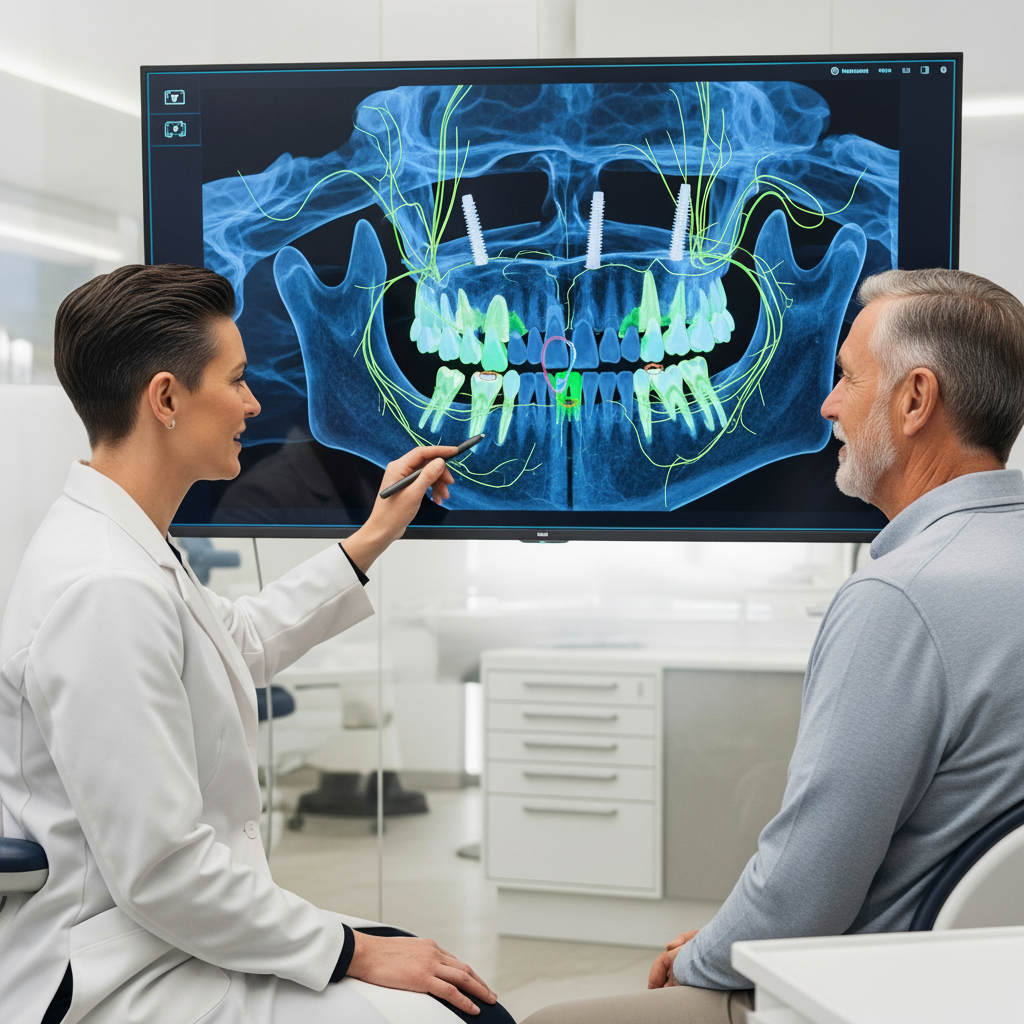
Determining candidacy for MDIs is a critical step that must be performed by a qualified dental professional. The ideal candidate is often a long-term denture wearer who is frustrated with instability but may not be a candidate for traditional implants due to health, bone volume, or financial reasons. Patients with narrow bone ridges are also prime candidates. However, good general and oral health are still prerequisites. Conditions like uncontrolled diabetes or heavy smoking can impact healing and the long-term success of any implant.
Proper aftercare is non-negotiable for the longevity of your mini dental implants. Excellent oral hygiene is paramount. Patients must be diligent in cleaning around the base of the implant heads and underneath the denture to prevent plaque buildup and inflammation (peri-mucositis). Using special brushes and water flossers can be highly effective. Regular dental check-ups are also essential. During these visits, the dentist will check the health of the implants and surrounding tissues and replace the O-ring retainers in the denture. These rings wear out over time and periodic replacement is necessary to maintain a secure fit. With proper care and maintenance, mini dental implants can provide a stable, comfortable, and life-changing solution for many years.